The Russian Masters:
Exploring Some of Literature’s Deepest Questions
Why do we suffer?
What makes a meaningful life?
Can people truly change?
What do we owe to our families, our communities, and ourselves?
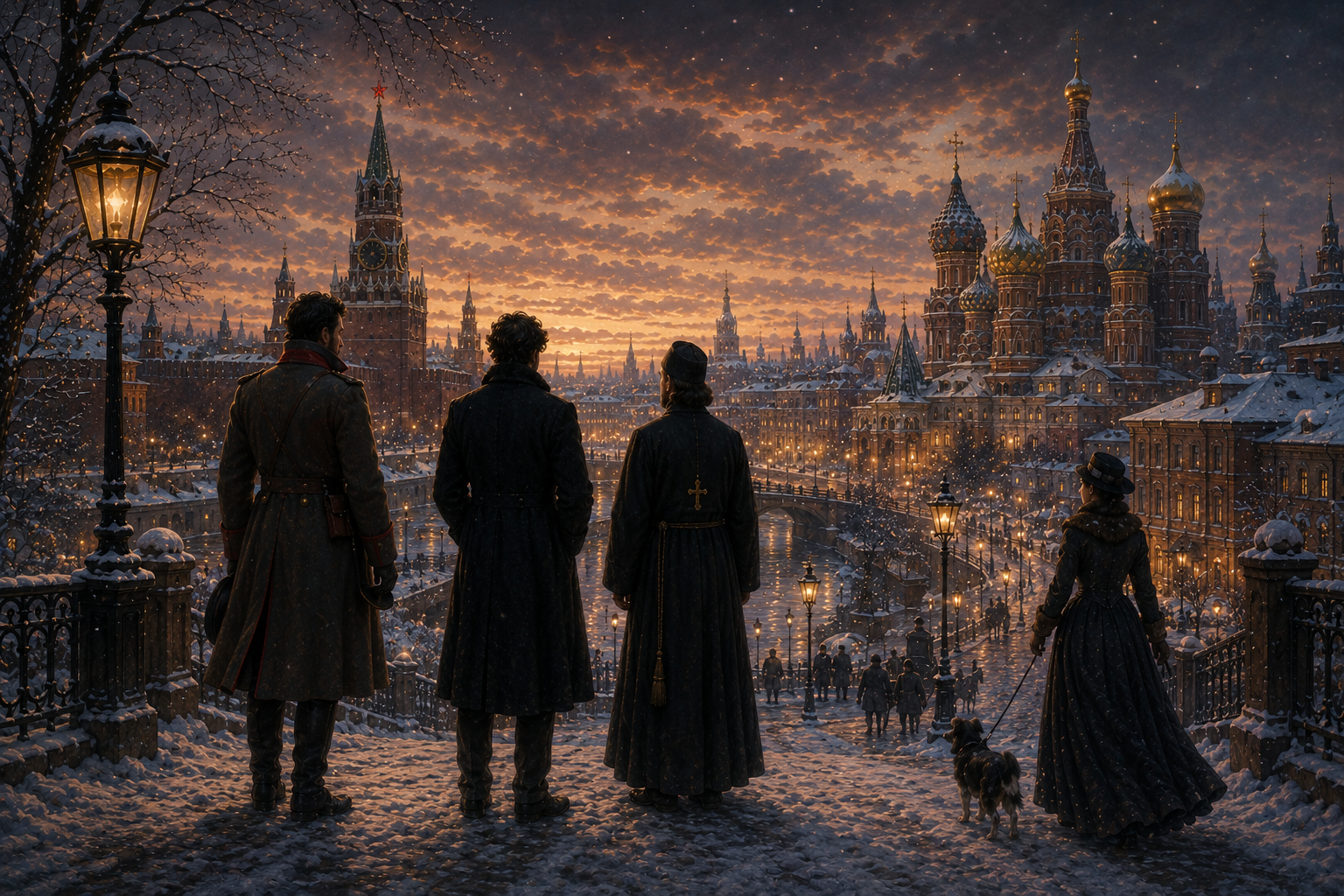
For generations, readers have turned to the great Russian writers in search of answers to these questions. Through unforgettable stories of love, faith, family, conscience, ambition, hope, and redemption, authors such as Leo Tolstoy, Fyodor Dostoevsky, and Anton Chekhov created works that continue to challenge, inspire, and move readers around the world.
Their books have earned a reputation for depth and complexity, yet at their heart they are stories about people. People struggling to make difficult choices. People searching for happiness and purpose. People wrestling with questions that remain as relevant today as they were more than a century ago.
That is why these works continue to endure.
More Than Long Books and Difficult Names
For many readers, Russian literature can seem intimidating.
The names appear unfamiliar.
The books often have a reputation for being long and serious.
Some readers imagine they are about distant historical events or philosophical debates far removed from everyday life.
Yet nothing could be further from the truth.
The greatest Russian novels and stories endure because they are deeply human.
They explore love and loss.
Family relationships.
Personal growth.
Friendship.
Regret.
Faith.
Hope.
The desire to live a meaningful life.
These experiences are universal. Readers continue returning to Russian literature not because it is difficult, but because it speaks to questions and emotions that remain deeply familiar.
And not every Russian classic is a thousand-page epic. Alongside monumental works such as War and Peace, readers will also find approachable novels, short stories, and deeply personal narratives that provide excellent entry points into this remarkable literary tradition.
The Questions That Never Go Away
Technology changes.
Societies evolve.
Generations come and go.
Yet some questions remain constant.
What brings happiness?
Can people overcome their mistakes?
How should we respond to suffering?
What gives life meaning?
What responsibilities do we have toward those we love?
The Russian Masters explored these questions with extraordinary honesty and depth.
Rather than offering simple answers, they invited readers into a conversation that continues across generations. Their characters wrestle with difficult choices, confront moral dilemmas, experience moments of triumph and failure, and search for understanding in an often complicated world.
This is one reason their books remain so powerful.
The questions they explored are still our questions.
Stories About People, Not Ideas
One of the great misconceptions about Russian literature is that it is primarily philosophical.
While these books certainly engage with important ideas, they do so through stories.
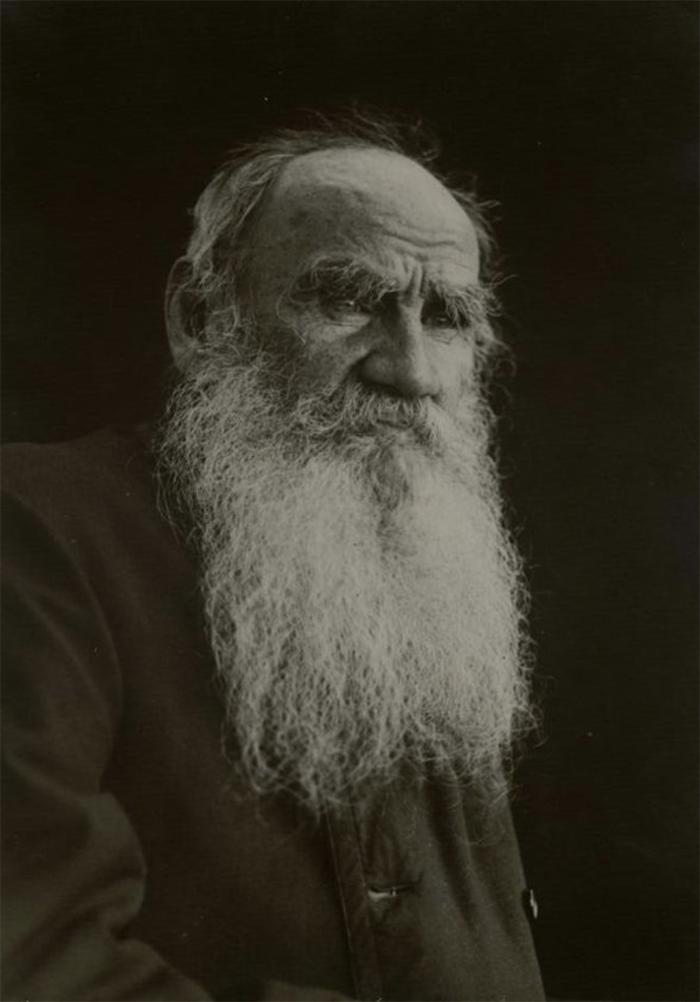
Tolstoy did not write philosophy textbooks.
He wrote stories about families, relationships, love, war, and the search for meaning.
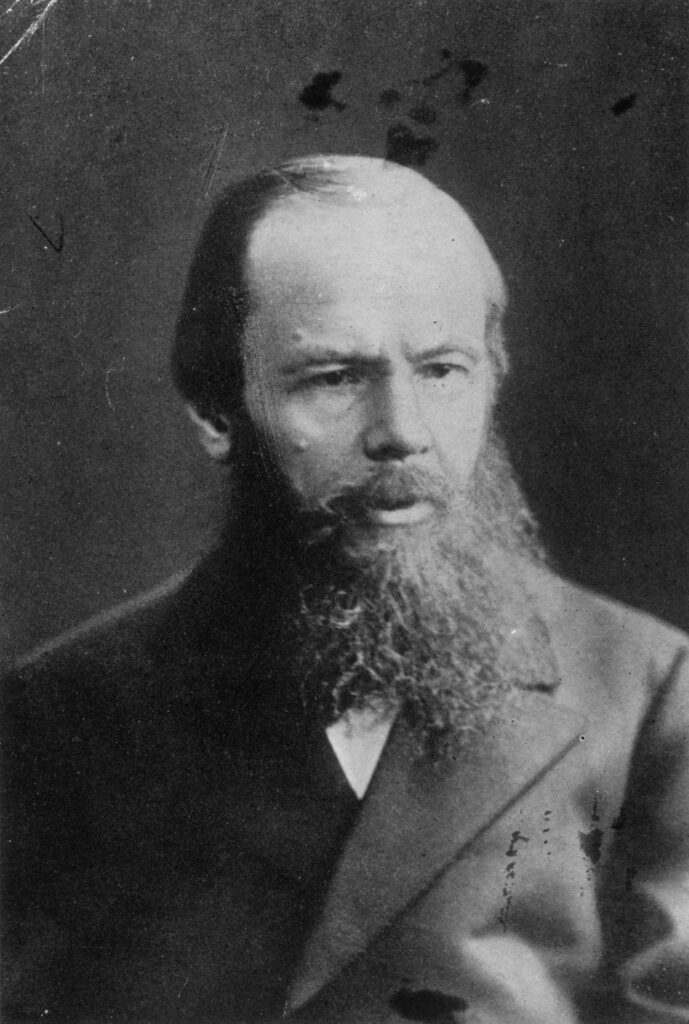
Dostoevsky did not write abstract debates.
He wrote gripping psychological dramas filled with unforgettable characters confronting guilt, faith, doubt, and redemption.
Chekhov did not lecture readers about life.
He revealed profound truths through ordinary people experiencing ordinary moments.
The ideas emerge naturally from the lives of the characters.
That is why these works remain so engaging. Readers become invested not because they are studying theories, but because they care about the people at the centre of the story.
Related Authors
You Don’t Have to Start with War and Peace
One of the wonderful things about Russian literature is that there is no single place to begin.
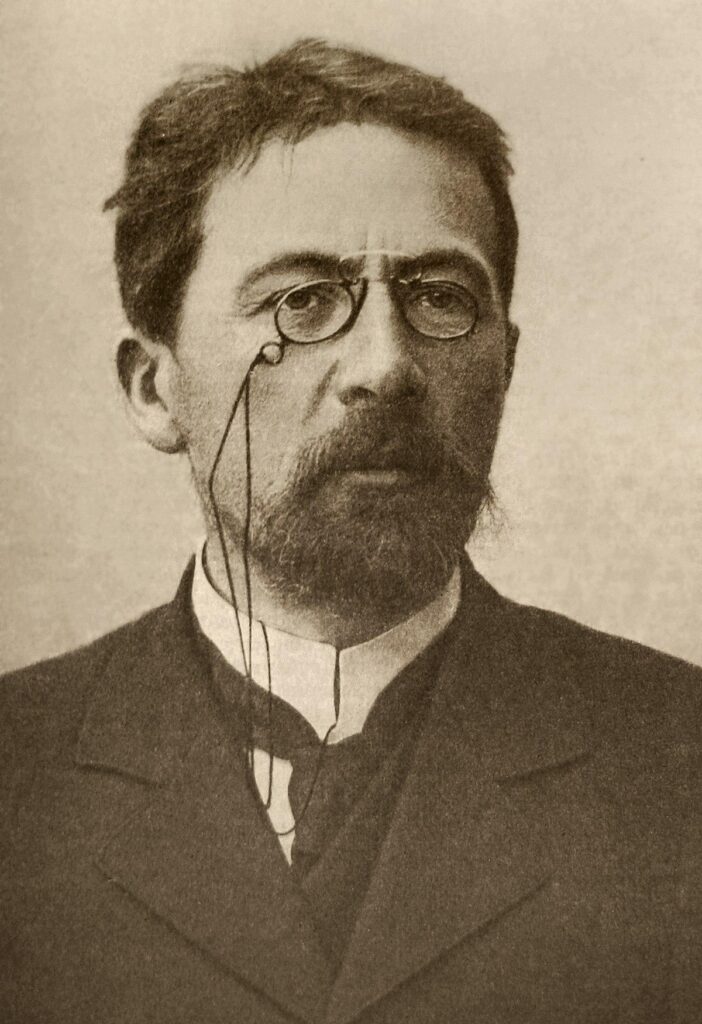
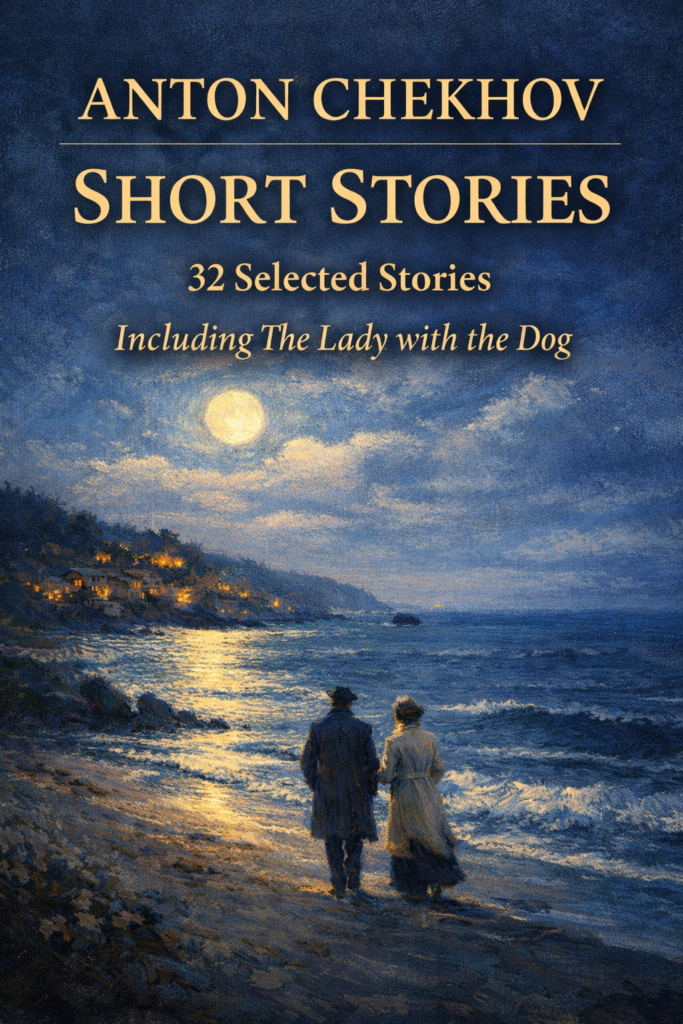
If you are looking for a shorter introduction, Anton Chekhov’s stories offer remarkable insight into everyday life, human relationships, and the quiet moments that shape us.
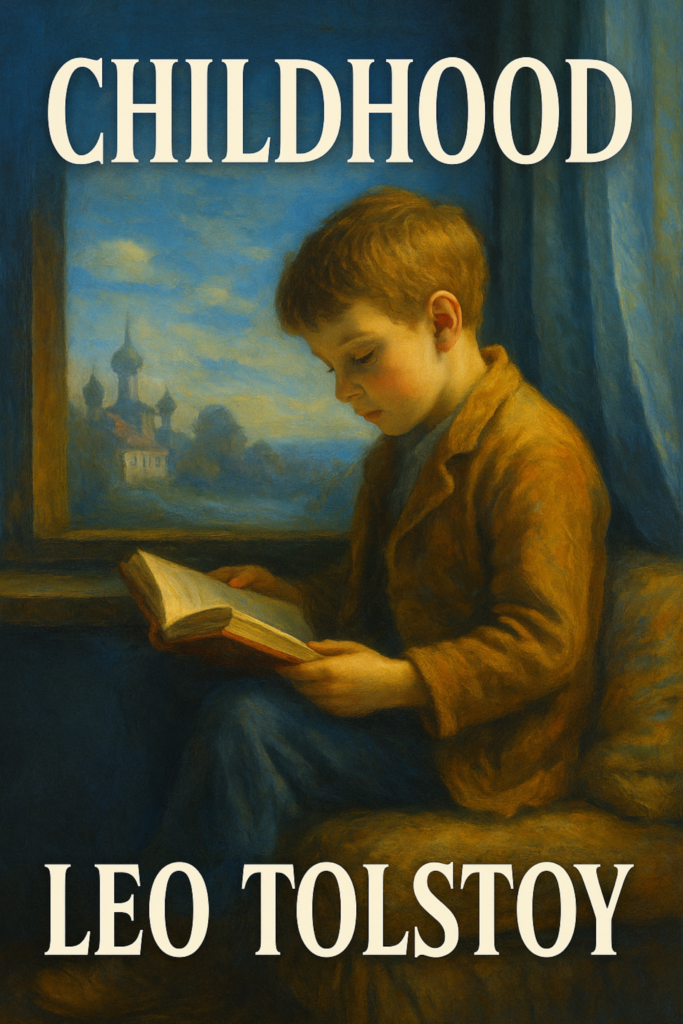
If you enjoy coming-of-age stories, Tolstoy’s Childhood provides a moving and highly accessible glimpse into youth, family, and personal growth.
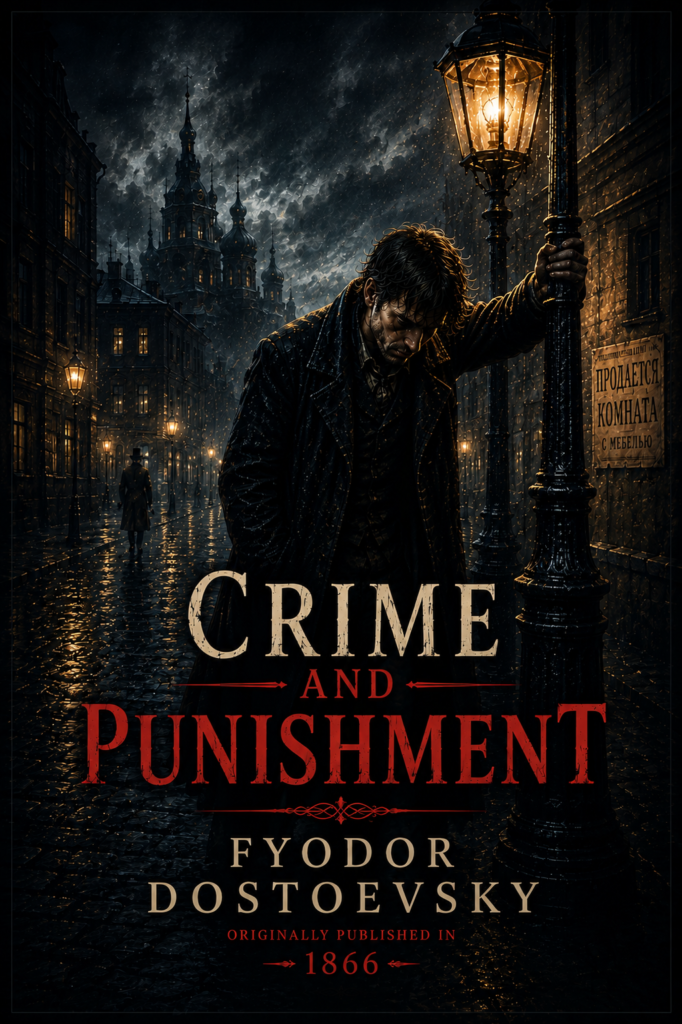
If psychological drama appeals to you, Crime and Punishment remains one of literature’s most compelling explorations of guilt, conscience, and redemption.
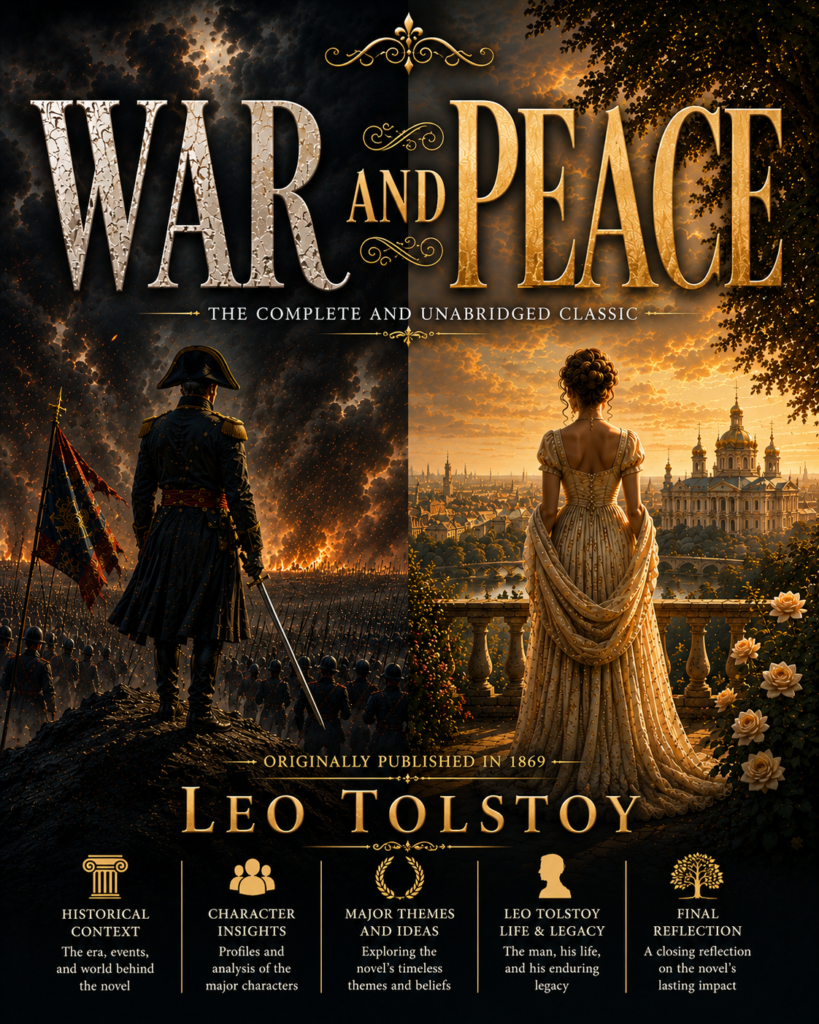
And for those ready to immerse themselves in a truly epic reading experience, War and Peace offers one of the most ambitious and rewarding novels ever written.
There is no wrong place to begin.
Each book offers a different path into the rich world of Russian literature.
Why These Books Still Matter
The world of the nineteenth century was very different from our own.
Yet readers continue to see themselves reflected in these stories.
People still fall in love.
They still experience loss.
They still struggle with uncertainty.
They still seek happiness, meaning, purpose, and connection.
The settings may belong to another era, but the emotions remain timeless.
This is why the Russian Masters continue to attract new readers generation after generation. Their works illuminate aspects of human nature that transcend time, place, and culture.
They remind us that while circumstances change, many of the most important experiences of life remain remarkably familiar.
A Literary Tradition Like No Other
Each of the great Russian writers brought a unique perspective to the human experience.
Leo Tolstoy explored life, family, history, and the search for meaning on an epic scale.
Fyodor Dostoevsky examined guilt, faith, redemption, conscience, and the deepest struggles of the human soul.
Anton Chekhov revealed extraordinary beauty and insight within the ordinary moments of everyday life.
Together, they created a body of literature that continues to influence readers, writers, and thinkers around the world.
Their works differ in style, subject, and scope, yet they share a common belief: that stories can help us better understand ourselves and the world around us.
Why Readers Continue to Return
The greatest books do more than entertain.
They stay with us.
They challenge our assumptions.
They encourage reflection.
They help us see familiar experiences from new perspectives.
The Russian Masters have been doing exactly that for generations.
Whether you begin with a short story by Chekhov, a coming-of-age novel by Tolstoy, a psychological masterpiece by Dostoevsky, or one of the great epics of world literature, you will discover works that continue to resonate because they speak to something fundamentally human.
Their stories endure because they remind us that beneath our differences, people continue to wrestle with the same hopes, fears, questions, and desires.
And in doing so, they help us better understand ourselves.
Explore the books below and discover why the Russian Masters remain among the most admired and influential writers in literary history.
Why Readers Remember Russian Literature
Many books entertain us while we are reading them.
The Russian Masters often stay with us long after the final page.
Readers frequently find themselves thinking about Tolstoy’s characters years later. They continue to wrestle with the moral questions posed by Dostoevsky. They remember a seemingly ordinary moment from a Chekhov story and suddenly see it differently after experiencing a similar moment in their own lives.
Part of this is because these books rarely provide easy answers.
Life itself rarely does.
The characters face difficult choices.
They make mistakes.
They search for happiness.
They struggle with faith, doubt, love, ambition, regret, and responsibility.
Their experiences feel real because they reflect the complexities of real life.
As a result, these books often become more meaningful over time. Readers return to them not merely to revisit a story, but to revisit questions that continue to evolve throughout their own lives.
That ability to remain relevant long after the final chapter is one of the reasons Russian literature has endured for generations.
Related Novels
The Long Books Aren’t the Point
When people think about Russian literature, they often picture enormous novels sitting on library shelves.
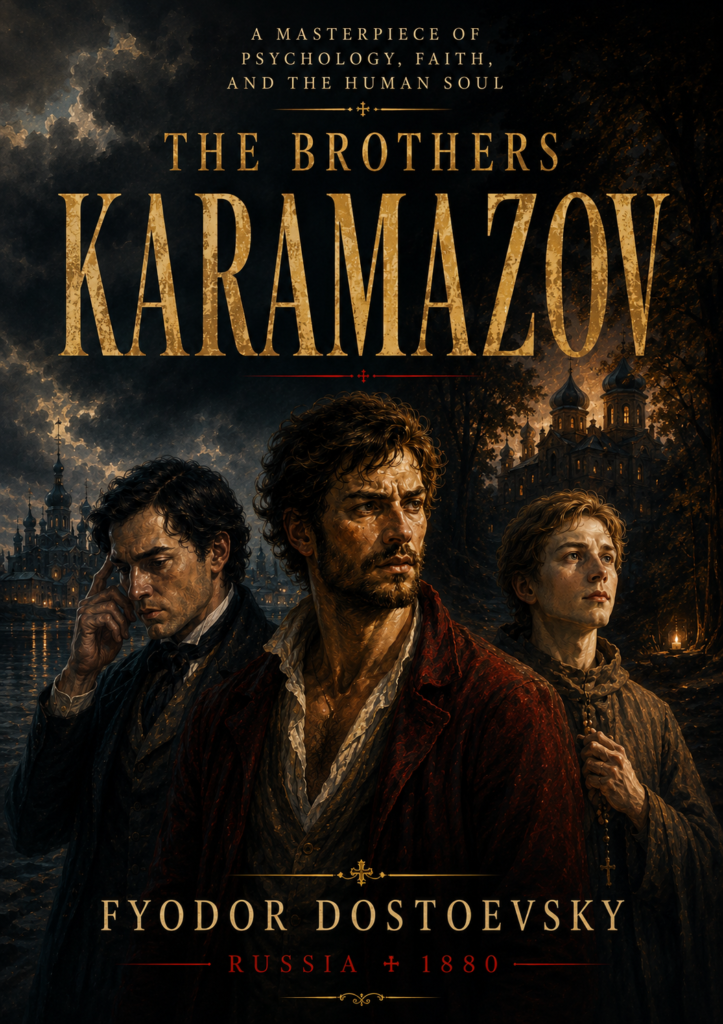
Books like War and Peace, Anna Karenina, and The Brothers Karamazov have earned legendary reputations for their size.
Yet the length of these books is not what makes them special.
Readers do not remember War and Peace because it is long.
They remember it because of Pierre, Natasha, and Andrei.
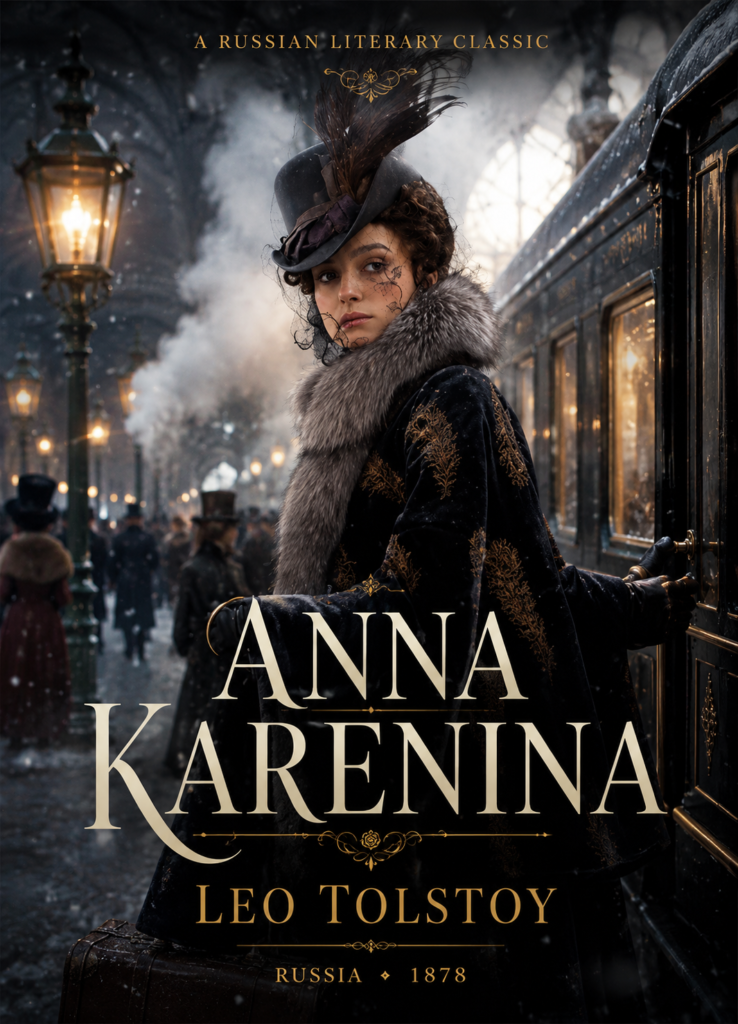
Readers do not admire Anna Karenina because of its page count.
They admire it because of its emotional depth and unforgettable characters.
And while some Russian classics are substantial works, many are surprisingly accessible.
Chekhov’s short stories can be read in a single sitting.
Childhood offers an approachable introduction to Tolstoy’s world.
Even the larger novels remain engaging because they focus on people rather than abstract ideas.
The goal is not to conquer a long book.
The goal is to spend time with stories and characters that continue to resonate long after the reading experience is over.
Books That Grow Alongside the Reader
One of the remarkable qualities of Russian literature is that readers often discover something new each time they return.
A reader in their twenties may focus on ambition, romance, and personal identity.
A reader in their forties may notice family relationships, responsibility, and sacrifice.
A reader later in life may find themselves reflecting on mortality, meaning, and legacy.
The stories remain the same.
The reader changes.
As a result, these books often reveal new layers of meaning with each revisit.
This is one reason they have remained beloved for so long. They reward reflection, experience, and maturity in ways that few books can match.
Rather than being read once and forgotten, they often become lifelong companions.
Not Sure Where to Begin?
If you are new to Russian literature, there is no need to begin with the largest book on the shelf.
Choose the story that appeals most to your interests.
Start with Anton Chekhov if you enjoy short stories, memorable characters, and thoughtful observations about everyday life.
Start with Childhood if you enjoy coming-of-age stories, family relationships, and personal growth.
Start with Crime and Punishment if you enjoy psychological suspense, moral dilemmas, and unforgettable characters.
Start with Anna Karenina if you enjoy powerful emotional drama and some of literature’s most memorable relationships.
Start with War and Peace if you are ready to immerse yourself in one of the great epic reading experiences of all time.
There is no perfect place to begin.
The best Russian classic is often simply the one that sparks your curiosity.
A Tradition That Continues to Speak to New Generations
The Russian Masters do not ask readers to admire them from a distance.
They invite us into conversations about love, family, happiness, faith, regret, purpose, and what it means to live a meaningful life.
Their books have endured because they continue to speak to experiences that every generation must navigate for itself.
Whether you are discovering Russian literature for the first time or returning to a beloved favourite, these stories offer far more than a glimpse into another place and time.
They offer an opportunity to explore some of literature’s deepest questions—and perhaps discover something about yourself along the way.