Why Classic Horror Is Still So Appealing
More than a century after they first terrified readers, classic horror stories continue to occupy a special place on bookshelves around the world. New horror novels appear every year. Modern films and television series constantly introduce new monsters, new fears, and new nightmares. Yet readers continue returning to stories written in the nineteenth and early twentieth centuries.
They still follow Jonathan Harker through the gates of Dracula’s castle.
They still watch Victor Frankenstein pursue knowledge beyond the limits of human understanding.
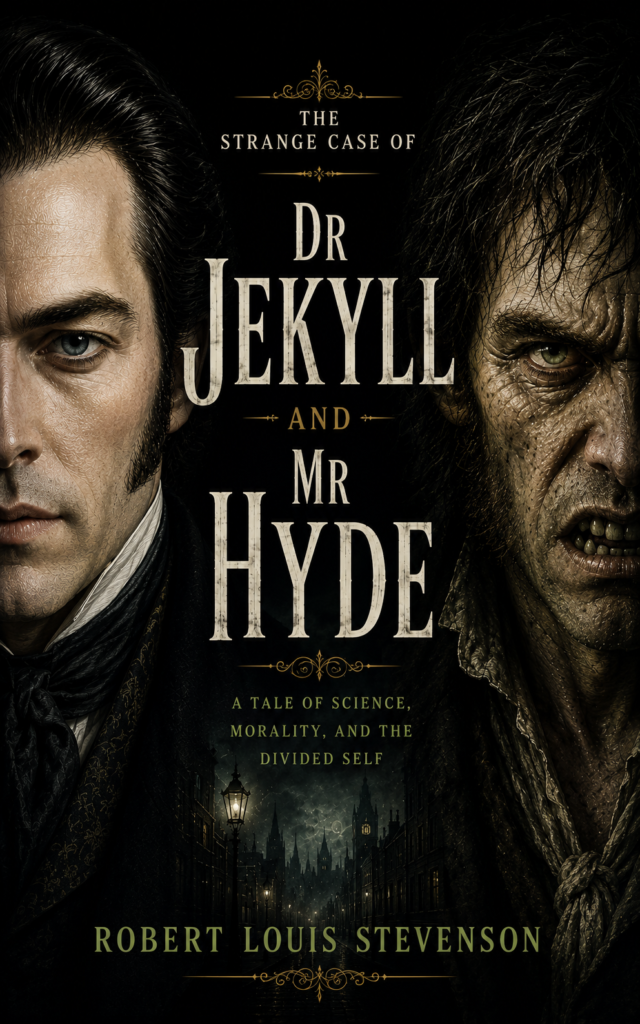
They still witness the shocking transformation of Dr. Jekyll into Mr. Hyde.
They still wonder what might happen when a scientist discovers how to become invisible—or when humanity encounters a superior civilization from another world.
These stories continue to endure because the greatest horror novels were never simply about monsters.
They were about fear.
Not just the fear of creatures lurking in the darkness, but the fear of the unknown, the fear of losing control, the fear of death, the fear of isolation, and the fear that humanity’s greatest strengths may also become its greatest weaknesses.
The authors who shaped classic horror understood something fundamental about human nature. While fashions change, technologies evolve, and societies transform, our deepest anxieties remain remarkably constant. We still worry about what lies beyond our understanding. We still wonder how far science should go. We still question whether evil exists only in the world around us—or within ourselves.
It is these timeless concerns that explain why classic horror remains so appealing today.
Horror Novels
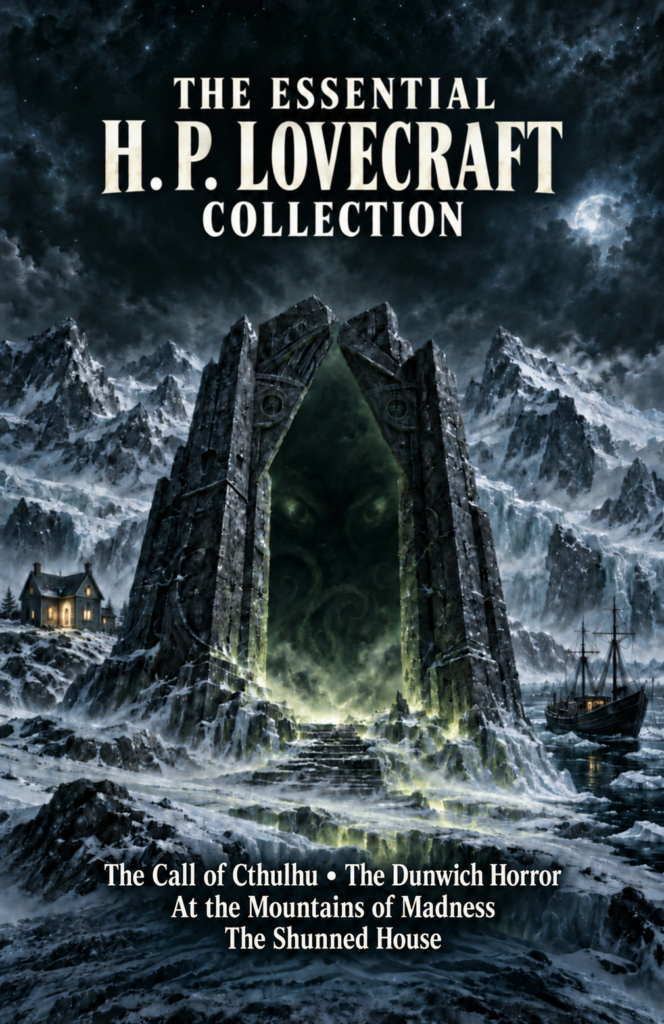
The Birth of Modern Horror
While stories designed to frighten audiences have existed for thousands of years, many of the foundations of modern horror emerged during the nineteenth century.
This was a period of extraordinary change.
Scientific discoveries were transforming society. Industrialization was reshaping cities. Traditional beliefs were being challenged. The world seemed to be changing faster than ever before.
Many writers responded by exploring the anxieties created by these developments.
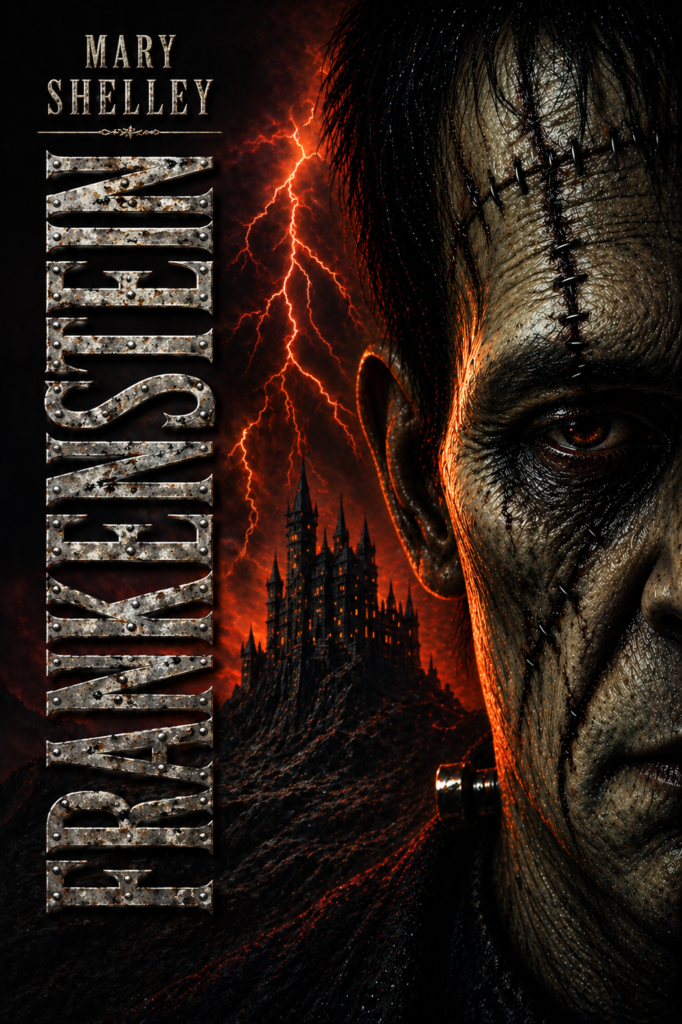
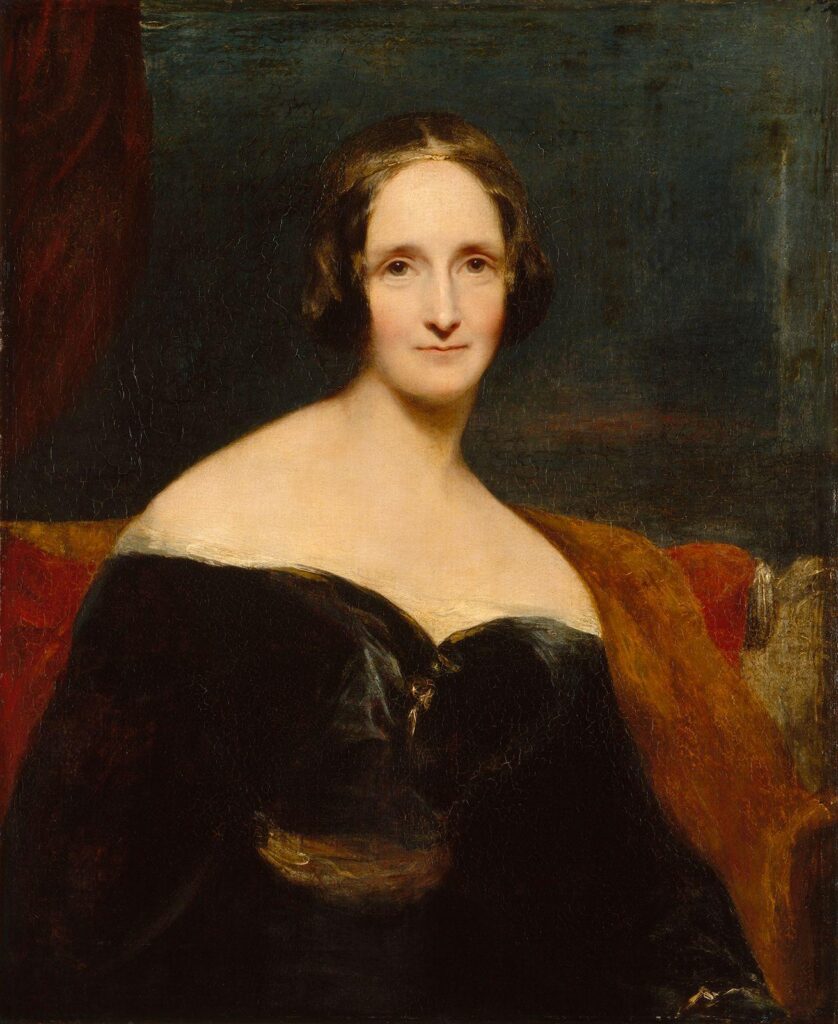
One of the earliest and most influential examples was Frankenstein by Mary Shelley. Published in 1818, the novel introduced readers to Victor Frankenstein, a brilliant scientist whose desire to conquer death leads him to create life itself.
The true horror of Frankenstein is not the creature.
It is Victor’s decision.
Shelley understood that the most frightening possibilities often emerge not from supernatural forces but from human ambition. Her novel raised questions about scientific responsibility, morality, and the consequences of playing God—questions that remain remarkably relevant in an age of artificial intelligence, genetic engineering, and advanced biotechnology.
Few horror novels have had a greater influence on the genre.
Yet Frankenstein was only the beginning.
Gothic Atmosphere and the Power of Setting
One of the reasons classic horror remains so appealing is its mastery of atmosphere.
Modern horror often relies on shock, graphic violence, or sudden surprises. Classic horror typically takes a different approach.
It builds dread.
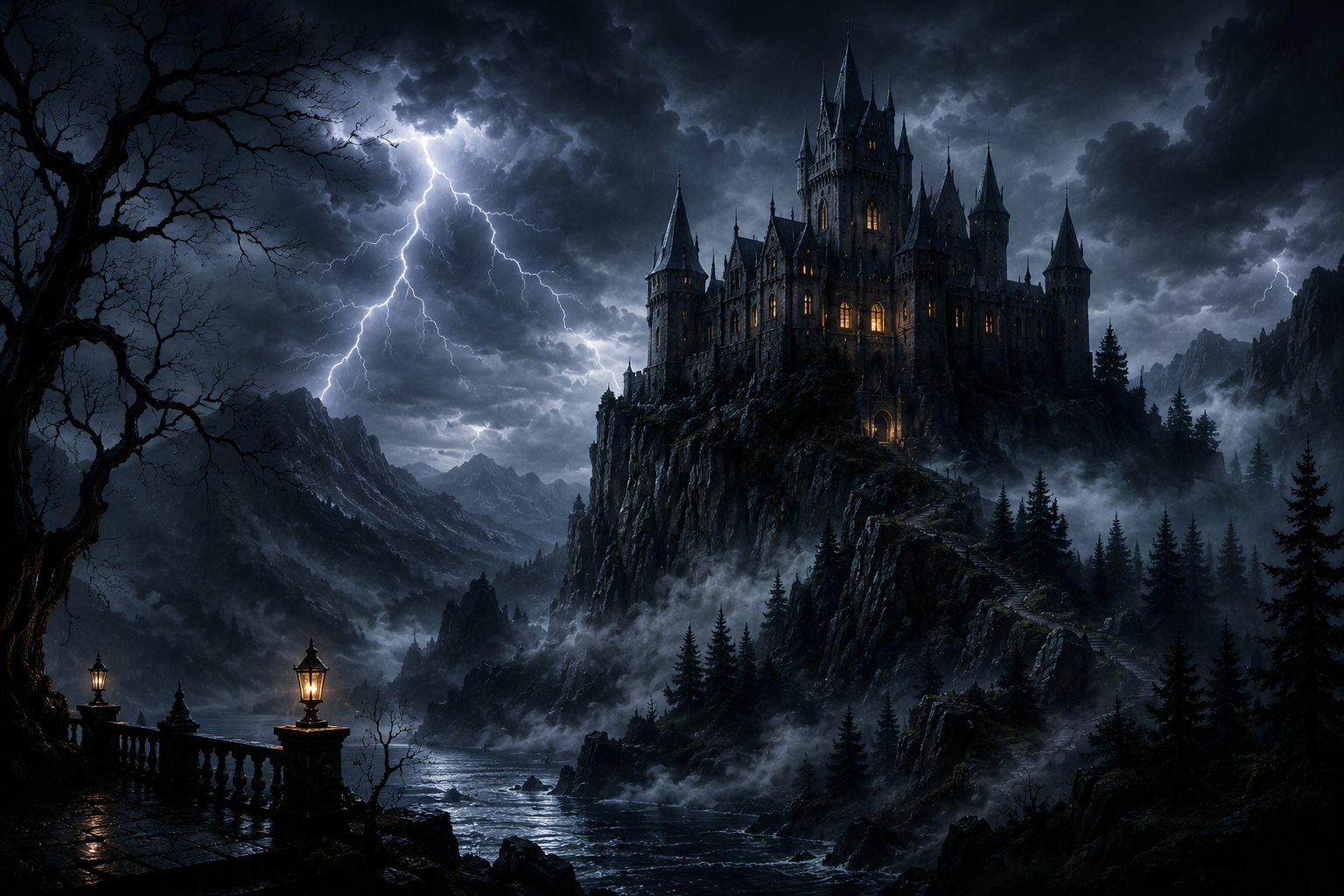
Readers are invited into isolated castles, crumbling mansions, fog-covered streets, abandoned laboratories, and remote landscapes where something feels subtly wrong long before the true danger reveals itself.
This emphasis on atmosphere is one of the defining characteristics of Gothic horror.
The setting itself becomes a character.
A storm gathering over a mountain-top castle.
A lonely road disappearing into the mist.
A vast manor house filled with secrets.
These places create tension before any monster appears.
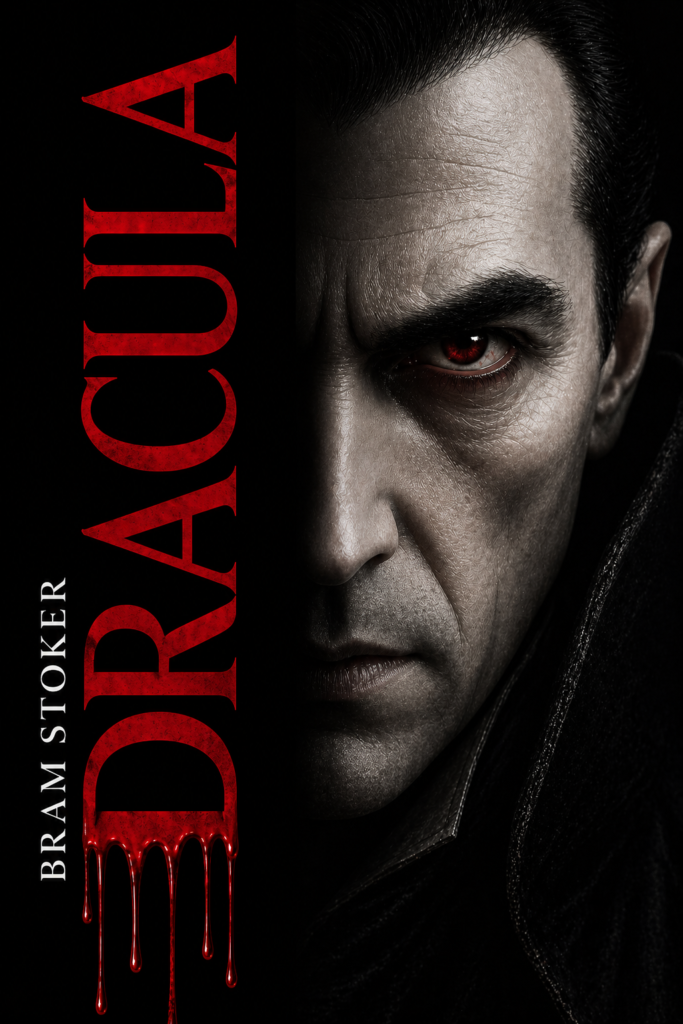
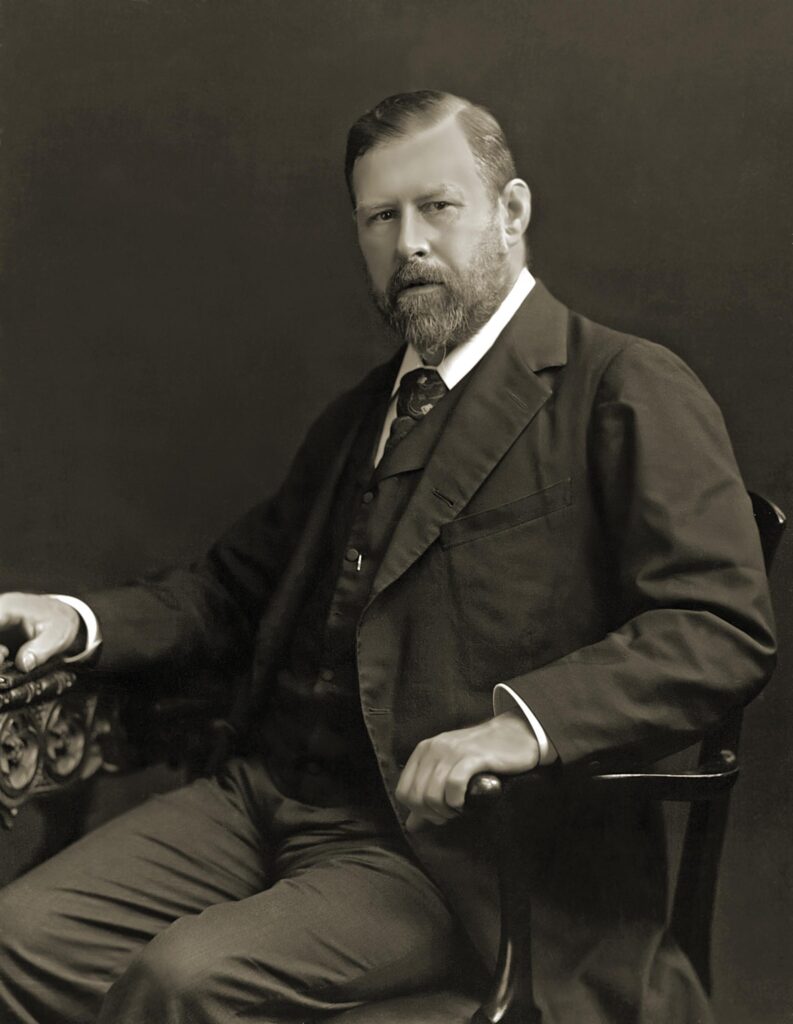
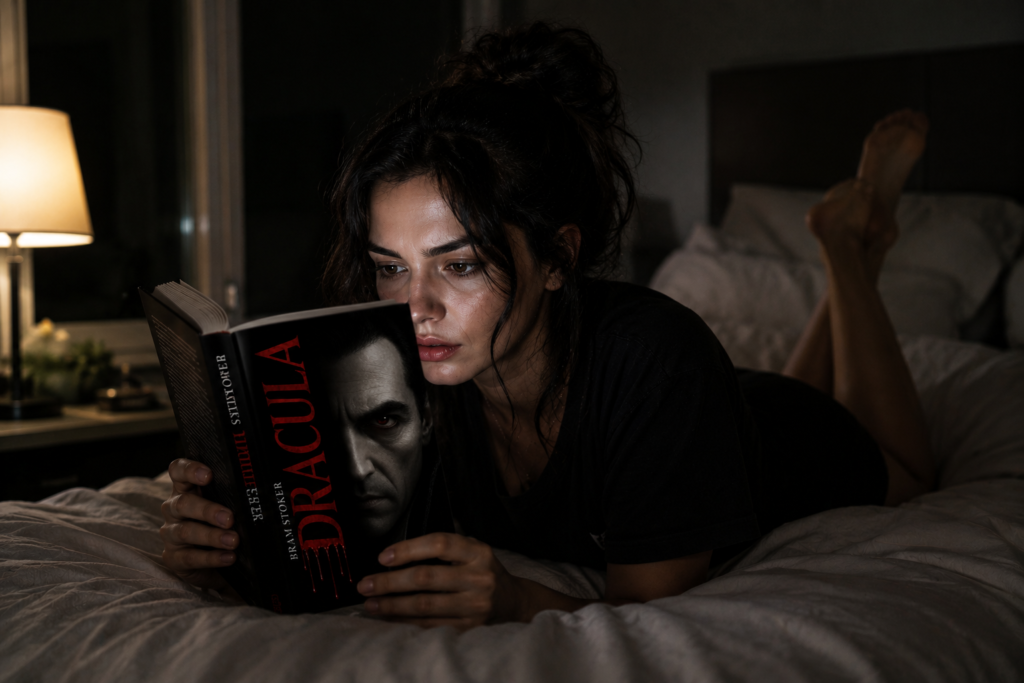
Perhaps no novel demonstrates this better than Dracula by Bram Stoker.
Readers remember Dracula himself, but they also remember the journey into Transylvania, the ancient castle perched among the mountains, the wolves howling in the darkness, and the growing realization that Jonathan Harker is trapped.
The atmosphere is as important as the vampire.
Even readers who know every major plot twist continue to return because Stoker’s world remains so immersive and compelling.
This ability to create mood and tension explains why many classic horror novels remain effective long after their secrets are known.
The Fear of the Unknown
One of the most powerful forces in horror is uncertainty.
People are often more frightened by what they do not understand than by what they can see clearly.
Classic horror repeatedly exploits this universal human tendency.
Dracula arrives as a mysterious foreign nobleman whose true nature is initially hidden.
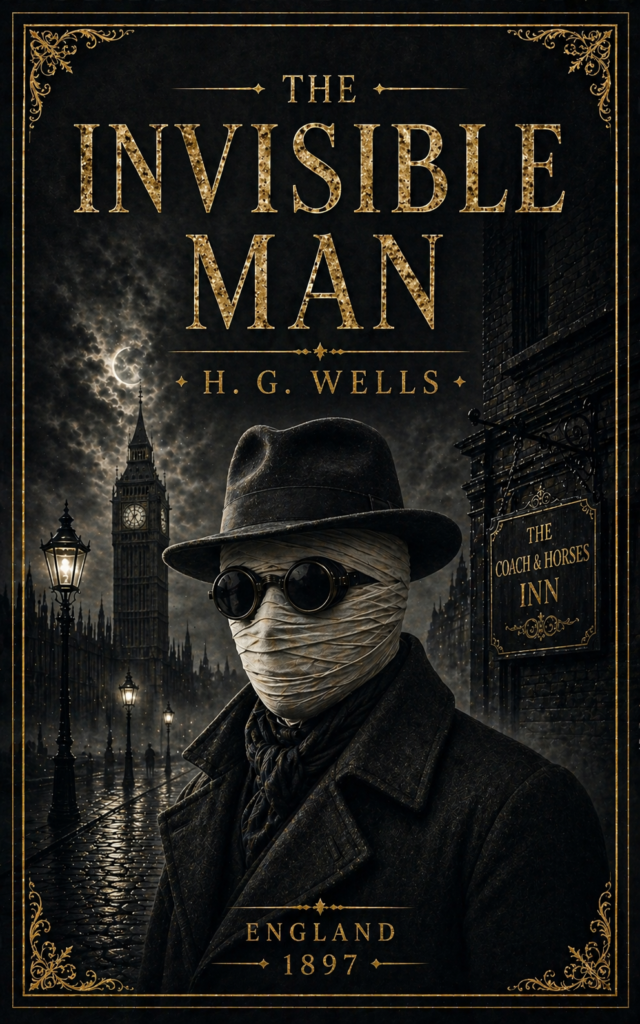
The Invisible Man cannot be seen at all.
The Martians in The War of the Worlds represent an intelligence far beyond humanity’s understanding.
The unknown creates anxiety because it prevents people from predicting what will happen next.
Readers continue turning pages because they need answers.
What is Dracula?
What has happened to Griffin?
How can humanity survive the Martian invasion?
The greatest horror writers understood that mystery often creates more tension than revelation.
Even today, many of the most successful horror stories rely on the same principle.
The fear of the unknown remains one of humanity’s most powerful emotions.
When Science Becomes Terrifying
Many of the most enduring horror novels explore fears surrounding science and progress.
This theme appears repeatedly throughout classic horror literature.
Frankenstein creates life.
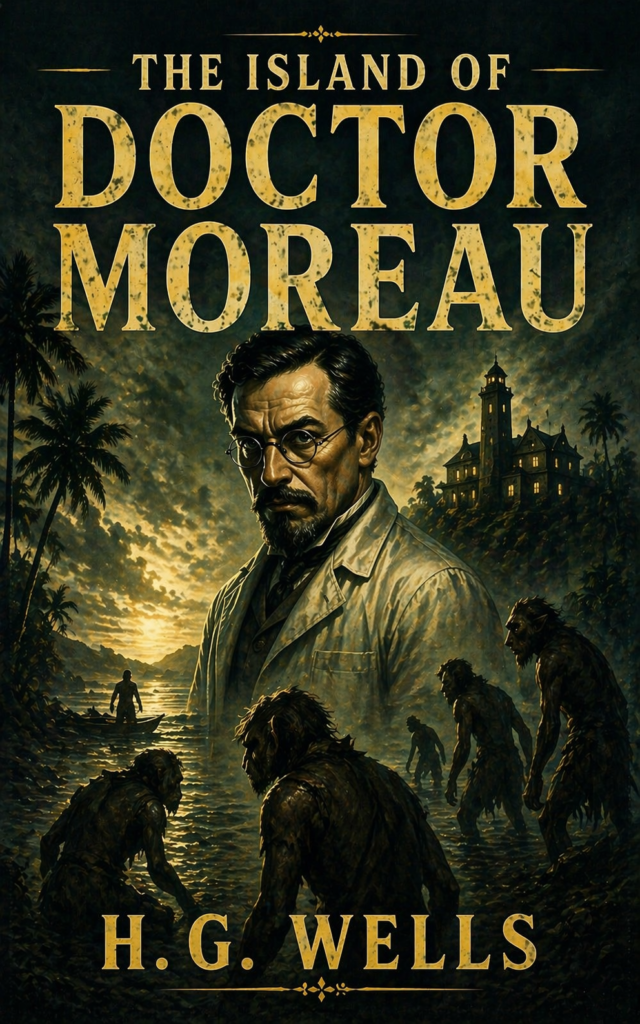
Dr. Moreau attempts to reshape nature itself.
The Invisible Man discovers a scientific process that grants extraordinary power.
The War of the Worlds imagines technology so advanced that humanity becomes helpless before it.
These stories emerged during a period of rapid scientific change, but their concerns remain surprisingly modern.
The authors were not opposed to science.
Rather, they questioned what might happen when knowledge advances faster than wisdom.
They asked whether every discovery should be pursued simply because it is possible.
These questions continue to resonate in the twenty-first century.
As a result, novels such as Frankenstein, The Island of Doctor Moreau, The Invisible Man, and The War of the Worlds often feel remarkably contemporary despite their age.
Their warnings remain relevant because human curiosity—and human ambition—have not changed.
Featured Authors
Articles
Why Jane Austen Remains So Popular

Why I Hate Shakespeare
100 Editions, Countless Discoveries
Whodunit Better
Jane Austen vs the Brontë Sisters
Have the Jane Austen Movies Replaced the Books?
Why did Mark Twain not like James Fenimore Cooper?
When Novels Were Released Like a TV Series
What Classic Horror Was Really Trying to Tell Us