
Why I Hate Shakespeare
And I’m Not the Only One
If you had asked me what I thought of Shakespeare as a teenager, my answer would not have been particularly flattering.
I hated Shakespeare.
Not a mild dislike.
Not a polite literary disagreement.
A genuine, heartfelt hatred.
And judging by conversations I’ve had over the years, I wasn’t alone.
Mention Shakespeare to a room full of adults and you’ll often see one of two reactions. Some people light up and start discussing their favourite plays. The rest immediately begin sharing stories about miserable English classes, confusing language, and endless essays about symbolism.
I belonged firmly in the second group.
For me, Shakespeare meant one thing:
School.
More specifically, it meant Friday afternoon English classes.
The weekend was almost here.
My concentration was hanging by a thread.
Friends were already making plans.
And there I was, being asked to read Romeo and Juliet.
A student would read a few lines.
Then another student.
Then another.
Someone would inevitably stumble over a word.
The teacher would correct the pronunciation.
We would continue.
Page after page.
Scene after scene.
The bell never seemed to arrive.
At the time, I couldn’t understand why anyone considered this enjoyable.
Why was this supposedly the greatest writer in the English language?
Why were we spending so much time studying him?
And why did everybody seem determined to pretend this was fun?
Looking back, I think I finally understand what the problem was.
The surprising part is that I no longer think Shakespeare was the problem.
Nobody Talks Like That
Let’s begin with the obvious complaint.
Nobody talks like Shakespeare.
Nobody.
Not your friends.
Not your parents.
Not your teachers.
Not even English teachers.
Yet every Shakespeare play begins by asking readers to enter a world where people communicate in ways that feel completely unnatural to modern ears.
The vocabulary is unfamiliar.
The sentence structures are strange.
The expressions often require interpretation before they make sense.
As a teenager, this was exhausting.
Reading Shakespeare often felt like translating a foreign language while simultaneously trying to follow a story.
Imagine sitting down to watch a movie and having to pause every few minutes to look up what the characters were saying.
That is how Shakespeare felt to many students.
By the time you decipher one line, the conversation has already moved on.
And when you’re constantly trying to decode the language, it’s difficult to become invested in the story.
It’s a Play, Not a Novel
This is something I never appreciated in school.
Modern readers are trained to read novels.
We expect descriptions.
Narration.
Explanations.
Access to a character’s thoughts.
Shakespeare offers none of that.
Why?
Because Shakespeare wasn’t writing novels.
He was writing scripts.
His works were never intended to be read silently at a desk.
They were written to be performed.
The words were meant to be spoken.
The emotions were meant to be acted.
The jokes were meant to be heard.
The sword fights were meant to be seen.
Reading Shakespeare on the page is a little like reading a movie script instead of watching the film.
You can still appreciate it.
But something important is missing.
As a teenager, I didn’t understand this distinction.
Nobody explained it.
I simply assumed Shakespeare was difficult because Shakespeare was supposed to be difficult.
Years later, after seeing performances of some of the plays, I realised how much of the experience had been lost.
Suddenly scenes that felt confusing on the page became clear.
Jokes landed.
Characters became recognisable.
Conversations felt natural.
The plays came alive.
It was a completely different experience.
Nobody Ever Explained What Was Going On
This was my biggest problem.
Not the language.
Not the poetry.
Not even the fact that Shakespeare lived four hundred years ago.
My biggest problem was that nobody ever stopped to explain what was happening.
We would begin reading a scene.
Students would take turns reading aloud.
The class would move steadily forward.
And somehow we were expected to understand everything.
Who are these people?
Why are they angry?
Why are they fighting?
Why does any of this matter?
Often those questions remained unanswered.
The assumption seemed to be that understanding would eventually arrive if we simply pushed through enough pages.
For many students, it never did.
I spent large portions of Shakespeare lessons feeling lost.
Not bored.
Lost.
Those are not the same thing.
Boredom comes from understanding something and finding it uninteresting.
Being lost comes from not understanding what’s happening in the first place.
Looking back, I think this is where many students turn against Shakespeare.
Not because they hate the stories.
Not because they hate literature.
But because nobody likes feeling confused.
Nobody enjoys feeling as though everyone else understands something they don’t.
And nobody enjoys being expected to appreciate a story before they have been given a reason to care about it.
Eventually I realised something important.
The problem wasn’t Shakespeare.
The problem was being dropped into Shakespeare without a map.
We Were Asked To Analyse Before We Were Allowed To Enjoy
This may be Shakespeare’s greatest educational tragedy.
Before we understood the story, we were asked to analyse it.
Before we cared about the characters, we were asked to discuss themes.
Before we understood the conflict, we were asked to identify symbolism.
Before we enjoyed the play, we were asked to write essays about it.
As students, we spent enormous amounts of time discussing literary techniques.
Metaphors.
Imagery.
Foreshadowing.
Symbolism.
Themes.
Motifs.
Important concepts, certainly.
But they often arrived before the foundation had been built.
Imagine asking someone to critique a football team’s strategy before they’ve learned the rules of the game.
Imagine asking someone to analyse a painting before they’ve been allowed to step back and actually look at it.
That’s often how Shakespeare felt.
The analysis arrived first.
The enjoyment was expected to follow.
For many students, it never did.
The Real Villain Was School Shakespeare
This is the point where some readers may disagree with me.
After all, Shakespeare has survived for more than four hundred years.
Surely that doesn’t happen by accident.
Exactly.
The older I get, the harder it becomes to believe that generations of readers, audiences, actors, and theatre-goers have all been pretending to enjoy Shakespeare.
Something else must be happening.
And I think I’ve finally figured out what it is.
Most people don’t hate Shakespeare.
They hate school Shakespeare.
They hate being confused.
They hate feeling lost.
They hate being forced to analyse before they understand.
They hate being tested on symbolism before they know what’s happening.
Those are very different things.
The more distance I gained from the classroom, the more I realised that Shakespeare himself might not have been the problem after all.
The problem was how Shakespeare was introduced.
Shakespeare Wasn’t Writing For English Teachers
This may be the most surprising realisation I had after leaving school.
Shakespeare wasn’t writing for English teachers.
I know that sounds obvious, but it took me years to fully appreciate what that means.
When most people encounter Shakespeare, they encounter him through education.
Assignments.
Essays.
Exams.
Annotations.
Analysis.
Everything about the experience encourages us to view Shakespeare as something academic.
Something serious.
Something important.
Something that must be studied.
But Shakespeare himself wasn’t sitting in a candlelit room wondering how many literary essays his plays might inspire four centuries later.
He was trying to entertain people.
His audience wasn’t made up of students.
It was made up of ordinary people looking for a good afternoon’s entertainment.
Some were wealthy.
Many were not.
Some were educated.
Many were not.
They came for excitement.
They came for drama.
They came for comedy.
They came for romance.
They came for revenge.
They came for ghosts, witches, sword fights, betrayals, mistaken identities, and shocking twists.
In other words, they came for exactly the same reasons people watch movies today.
That perspective changes everything.
Because once you stop thinking of Shakespeare as a literary monument and start thinking of him as an entertainer, the plays begin to look very different.
Romeo and Juliet becomes less of a classroom text and more of a tragic story about two teenagers caught in a family war.
Macbeth becomes less of a study in symbolism and more of a gripping tale about ambition and guilt.
Hamlet becomes less of an academic puzzle and more of a story about grief, revenge, and indecision.
Suddenly the plays feel human.
And human stories are far easier to connect with than literary masterpieces.
Why The Stories Survived
This raises an interesting question.
Why are we still talking about Shakespeare more than four hundred years later?
The answer is not because his plays are difficult.
Plenty of difficult books have disappeared.
The answer is not because schools teach them.
Schools teach countless works that fade from public memory.
The answer is that the stories work.
They worked for Shakespeare’s original audiences.
They worked for generations of actors.
They worked for readers.
They worked for filmmakers.
And they continue to work today.
The themes remain recognisable.
Love.
Ambition.
Jealousy.
Power.
Greed.
Revenge.
Family conflict.
Political rivalry.
These things haven’t changed very much.
The world around them has changed.
Human nature hasn’t.
That is why audiences continue to find something familiar inside stories written centuries ago.
The Difference Between Understanding And Appreciation
This is another lesson I wish someone had explained when I was fifteen.
Understanding comes before appreciation.
Not the other way around.
Nobody expects a reader to admire a story they don’t understand.
Nobody expects a moviegoer to appreciate a film they can’t follow.
Yet students are often expected to appreciate Shakespeare before they understand Shakespeare.
That is backwards.
The first job of any reader is understanding.
Who are the characters?
What do they want?
What obstacles stand in their way?
Why should I care?
Only after those questions are answered can genuine appreciation begin.
Once readers understand the story, they can start noticing the language.
The themes.
The symbolism.
The craftsmanship.
The beauty.
But none of that matters if the reader is still struggling to work out what is happening.
That’s why context matters so much.
Context builds understanding.
And understanding makes appreciation possible.
A Better Way To Approach Shakespeare
If I could go back and give my teenage self one piece of advice, it would be this:
Don’t start with the analysis.
Start with the story.
Learn who the characters are.
Understand the conflict.
Discover what the characters want.
Treat the play as a story first and a literary masterpiece second.
Once the story makes sense, everything else becomes easier.
The language becomes less intimidating.
The characters become more relatable.
The themes become more obvious.
The experience becomes more enjoyable.
Most importantly, Shakespeare stops feeling like homework.
He starts feeling like a storyteller.
And I suspect that is exactly how he would have wanted to be remembered.
Famous British Authors
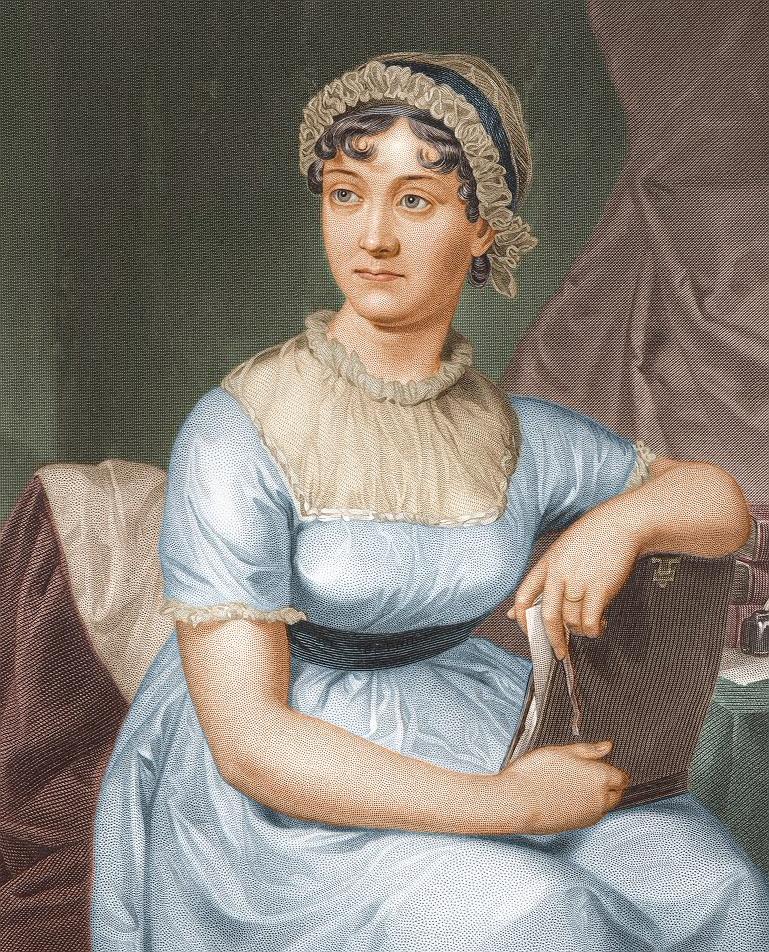
Jane Austen

Agatha Christie
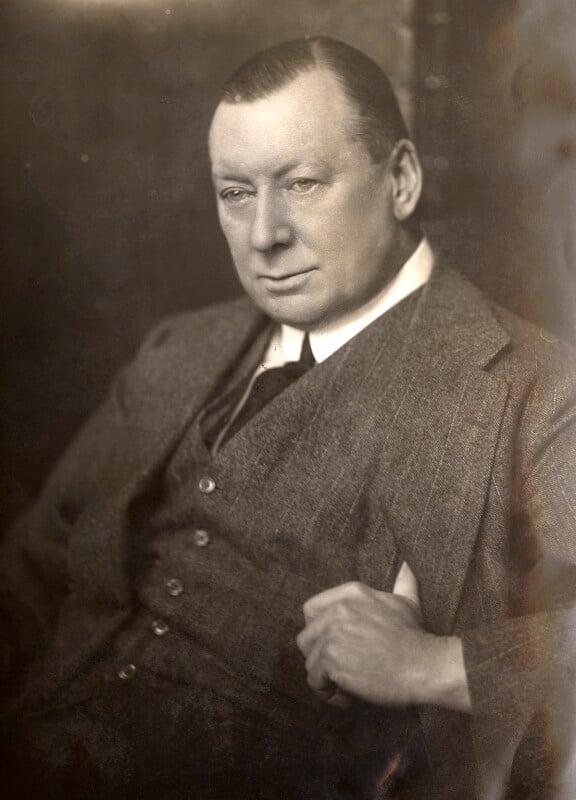
Edward Verrall Lucas
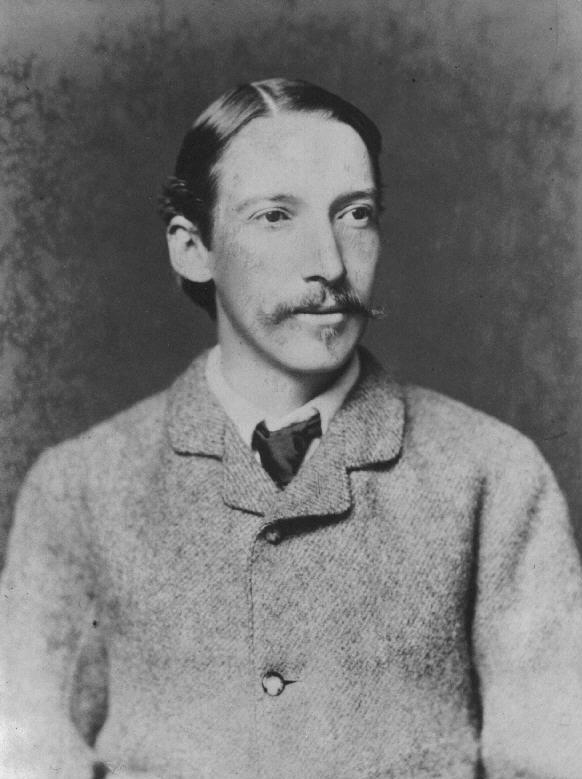
Robert Louis Stevenson
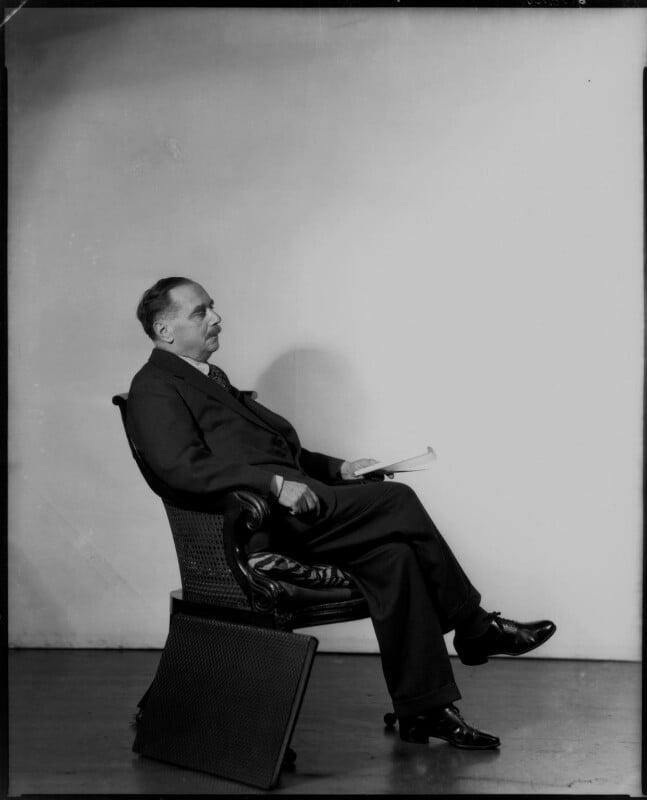
H. G. Wells
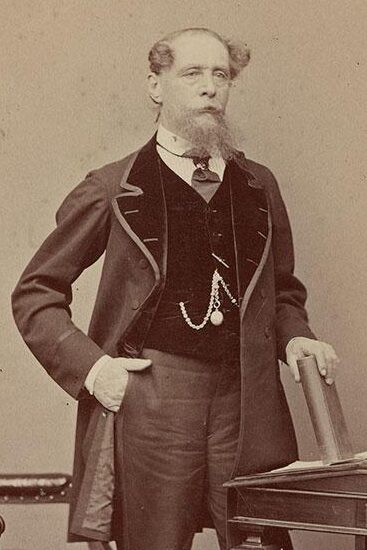
Charles Dickens
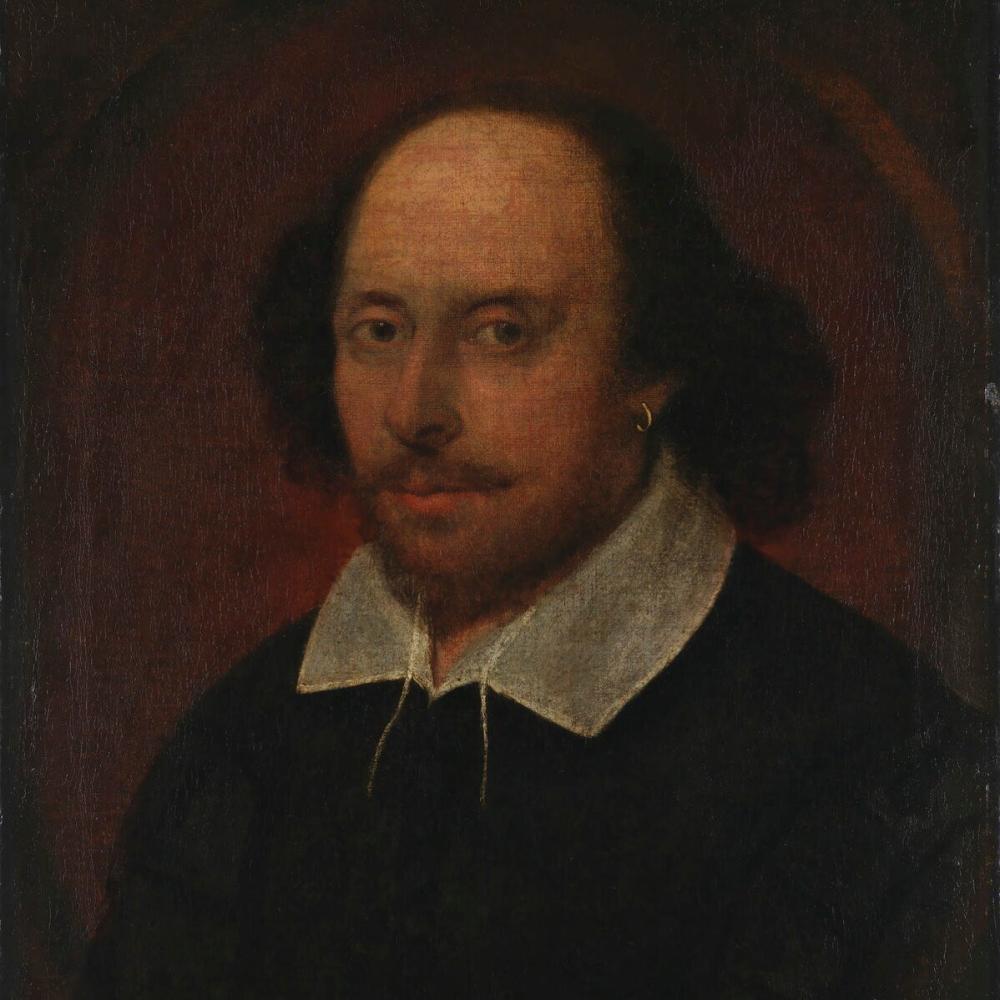
William Shakespeare
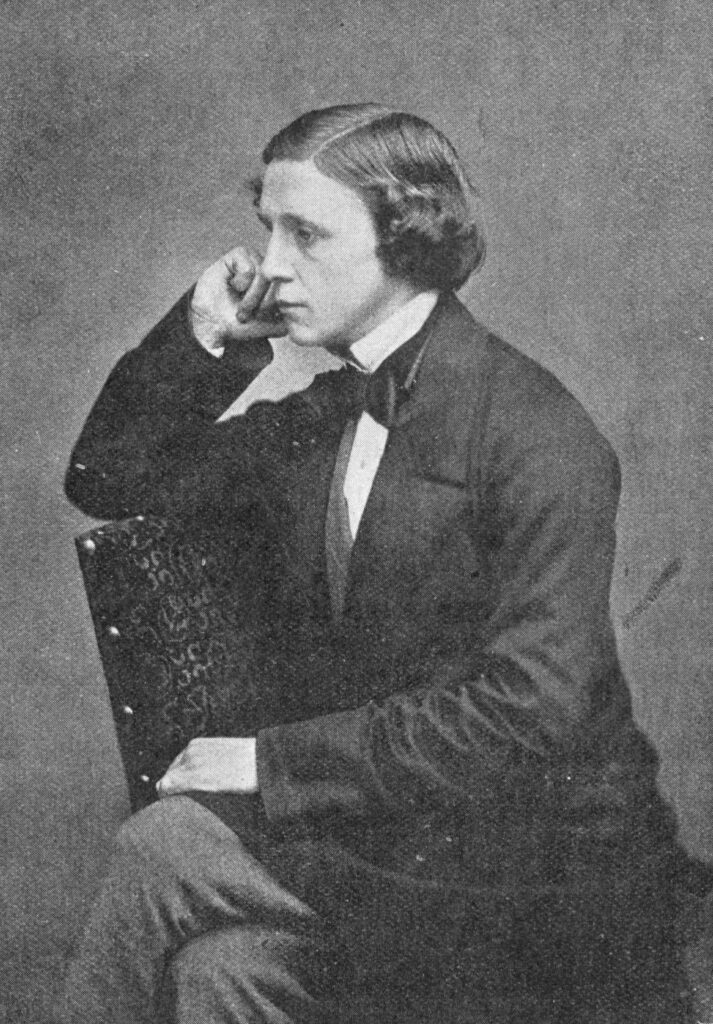
Lewis Carroll
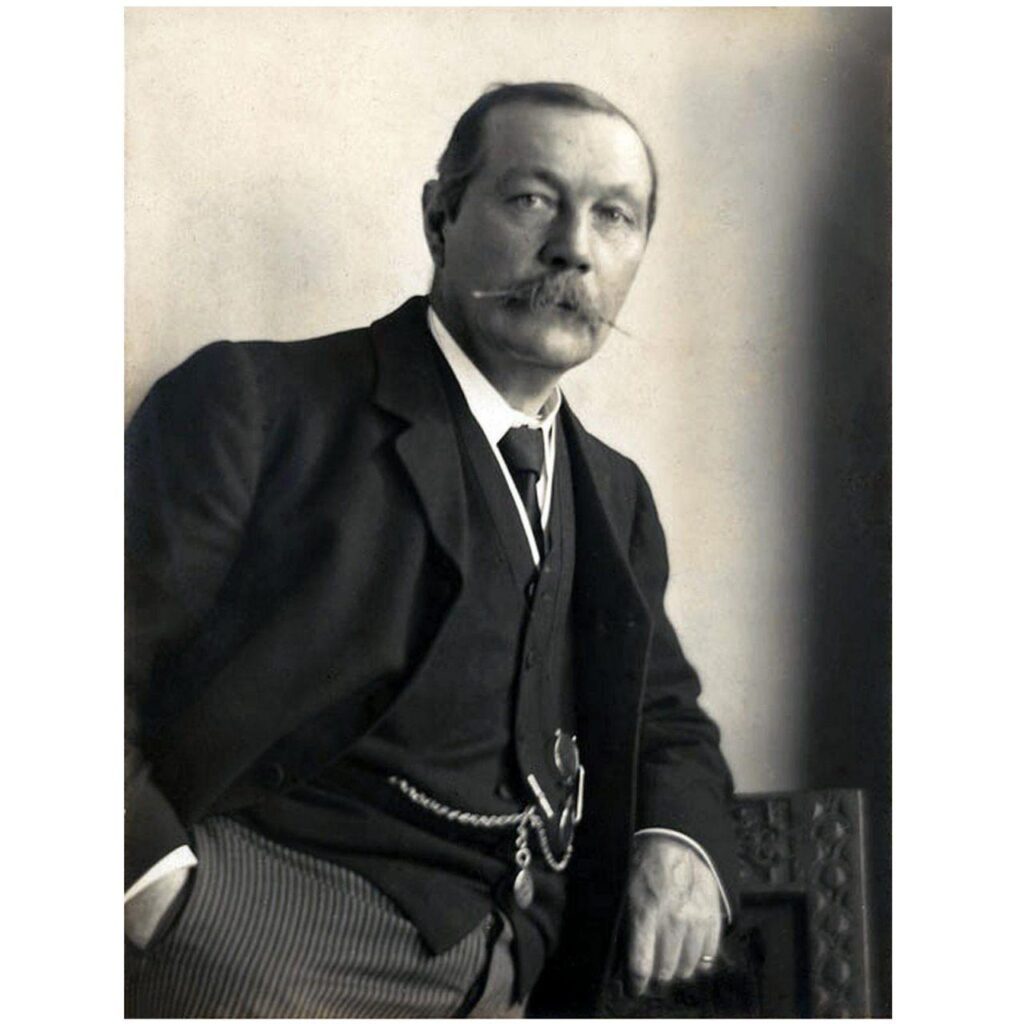
Arthur Conan Doyle
Bram Stoker
Articles
Why did Mark Twain not like James Fenimore Cooper?
Classic Literature Quiz (Part 1): How Well Do You Know the Classics?

What Classic Horror Was Really Trying to Tell Us

Jane Austen vs the Brontë Sisters
Have the Jane Austen Movies Replaced the Books?
When Novels Were Released Like a TV Series
Whodunit Better