








Jane Austen and Her Novels:
Why They Continue to Captivate Readers
More than two centuries after her death, Jane Austen remains one of the most widely read, discussed, and beloved authors in the English language. Her novels have sold millions of copies, inspired countless film and television adaptations, and continue to attract new generations of readers around the world. Few writers have achieved such enduring popularity, and even fewer have done so while writing stories rooted in the social customs of a specific place and time.
What makes Austen remarkable is her ability to transform the everyday concerns of ordinary people into compelling and timeless literature. Her novels are filled with conversations, family dynamics, misunderstandings, personal growth, and romantic relationships, yet beneath these familiar elements lies a keen understanding of human nature. Readers continue to recognize themselves in her characters, their hopes, their mistakes, and their search for happiness. It is this combination of wit, insight, and emotional truth that has secured Jane Austen’s place among the greatest novelists in literary history.
Jane Austen’s Early Life and Literary Career
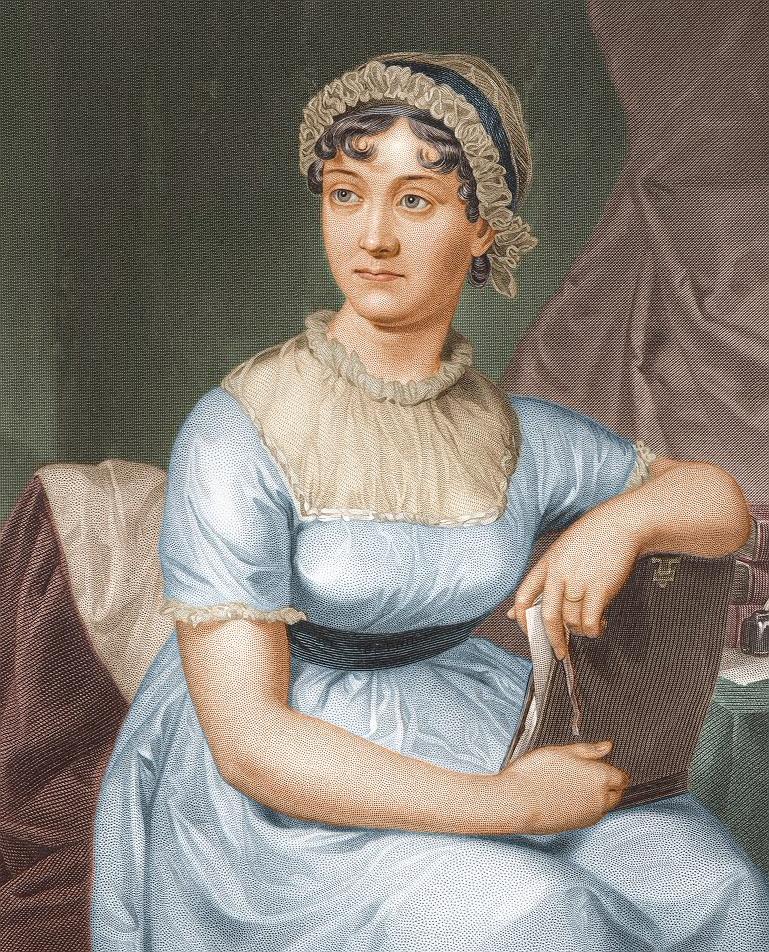
Jane Austen was born on December 16, 1775, in the village of Steventon, Hampshire, England. The daughter of a clergyman, she grew up in a close-knit family that encouraged reading, learning, and creative expression. From an early age, Austen showed a talent for writing, composing stories, poems, and satirical pieces for the amusement of family and friends.
Although opportunities for women were limited during her lifetime, Austen pursued her craft with determination. She spent years revising and refining her manuscripts, developing the distinctive style that would later make her famous. Her first published novel, Sense and Sensibility, appeared in 1811 and was followed by Pride and Prejudice, Mansfield Park, and Emma. While her books achieved success during her lifetime, Austen never enjoyed the level of fame that would come after her death in 1817.
Today, she is recognized not only as a master storyteller but also as one of the most influential voices in English literature.
The Regency World That Shaped Her Fiction
Jane Austen wrote during the Regency era, a period marked by strict social expectations, complex rules of etiquette, and limited opportunities for women. Marriage often carried significant financial and social consequences, making it one of the most important decisions a woman could make.
Rather than focusing on dramatic historical events, Austen turned her attention to the world she knew best: families, friendships, courtship, and social relationships. Her novels explore how personal character influences the choices people make and the consequences that follow. Through sharp observation and subtle humor, she examined the values and assumptions of her society while remaining deeply sympathetic to her characters.
The settings of Austen’s novels—country estates, village communities, and social gatherings—may seem distant from modern life, yet the emotions and challenges faced by her characters remain surprisingly familiar. Questions of love, ambition, pride, self-knowledge, and personal integrity continue to resonate with readers today.
The Novels That Made Jane Austen Famous
Although Jane Austen wrote only six completed novels, each has earned a lasting place in literary history.
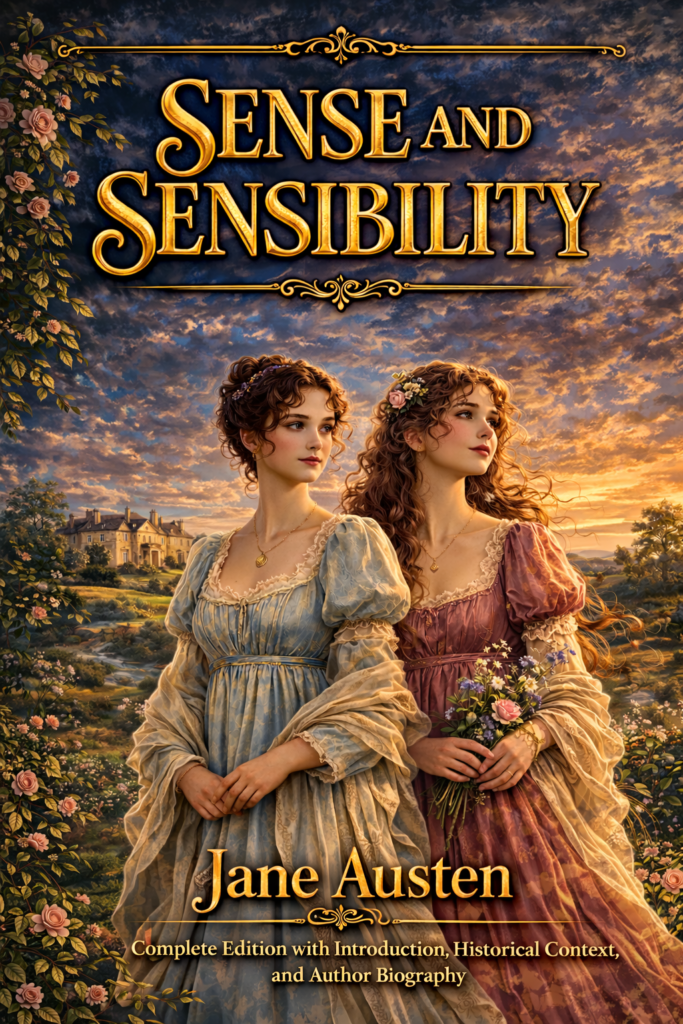
Sense and Sensibility explores the contrasting personalities of sisters Elinor and Marianne Dashwood as they navigate love, disappointment, and financial uncertainty.
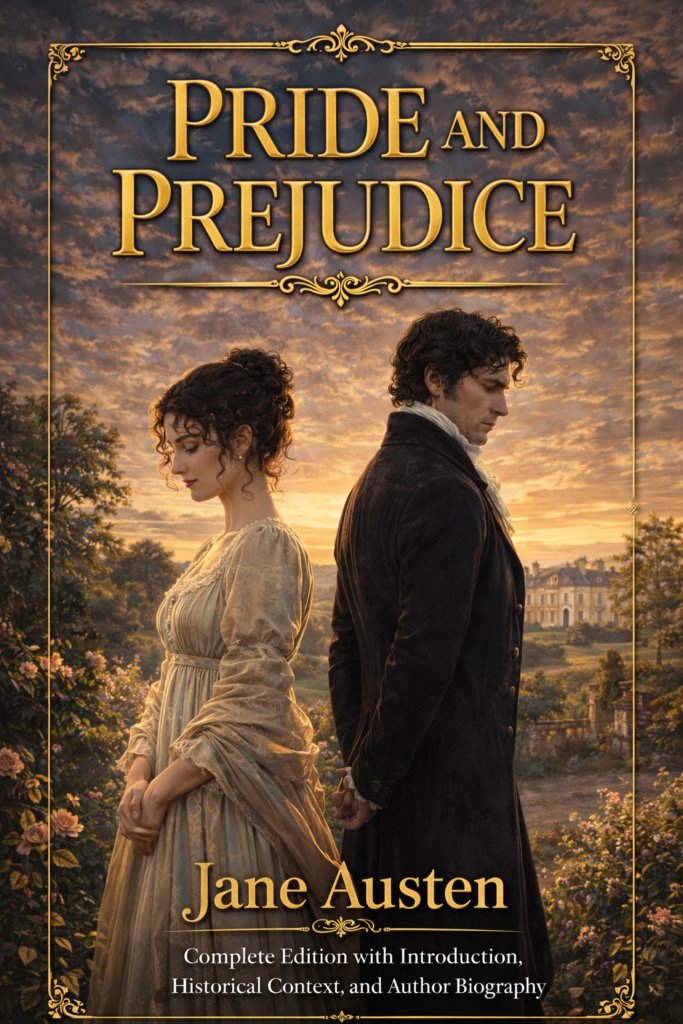
Pride and Prejudice, perhaps Austen’s most famous work, follows Elizabeth Bennet and Mr. Darcy through a story of misunderstanding, personal growth, and ultimately enduring love.
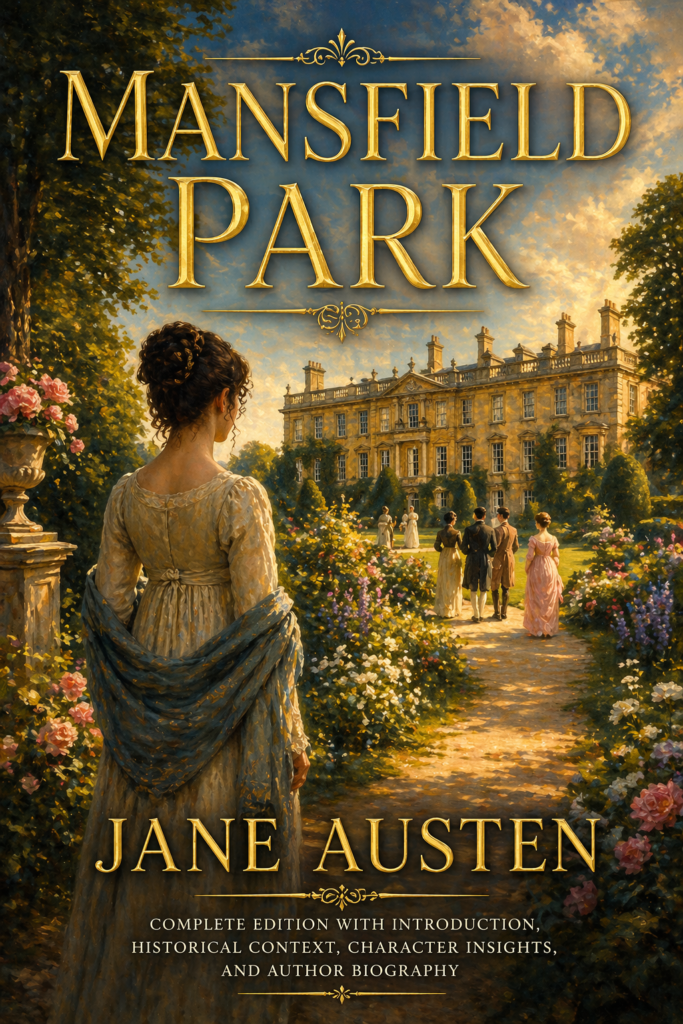
Mansfield Park examines morality, social status, and personal responsibility through the experiences of Fanny Price.
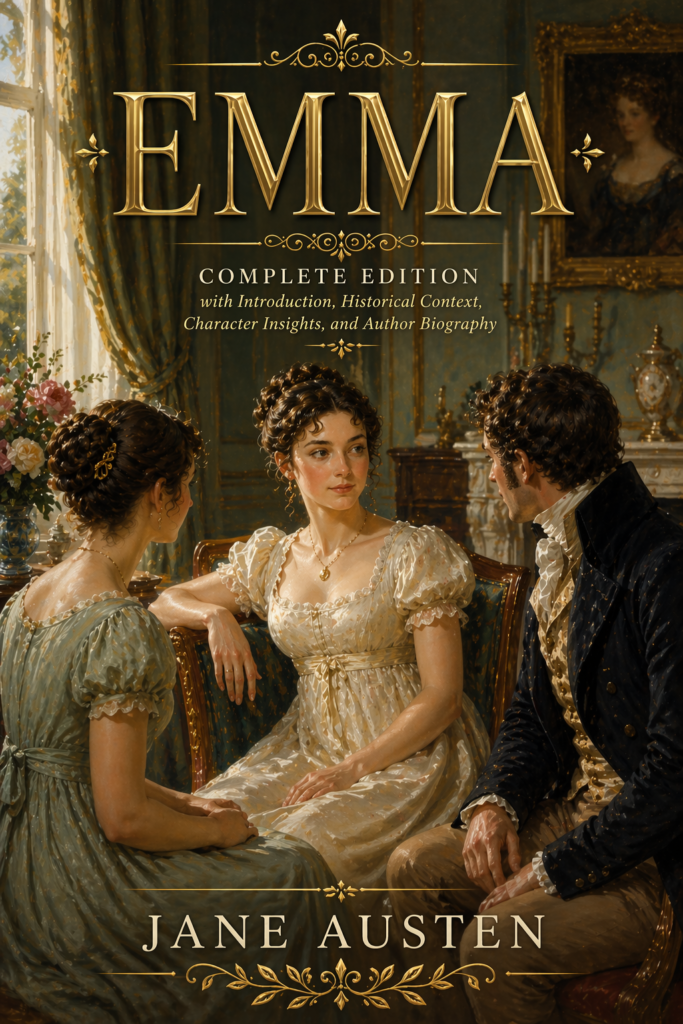
Emma presents one of literature’s most memorable heroines, a young woman whose confidence in her matchmaking abilities leads to unexpected complications.
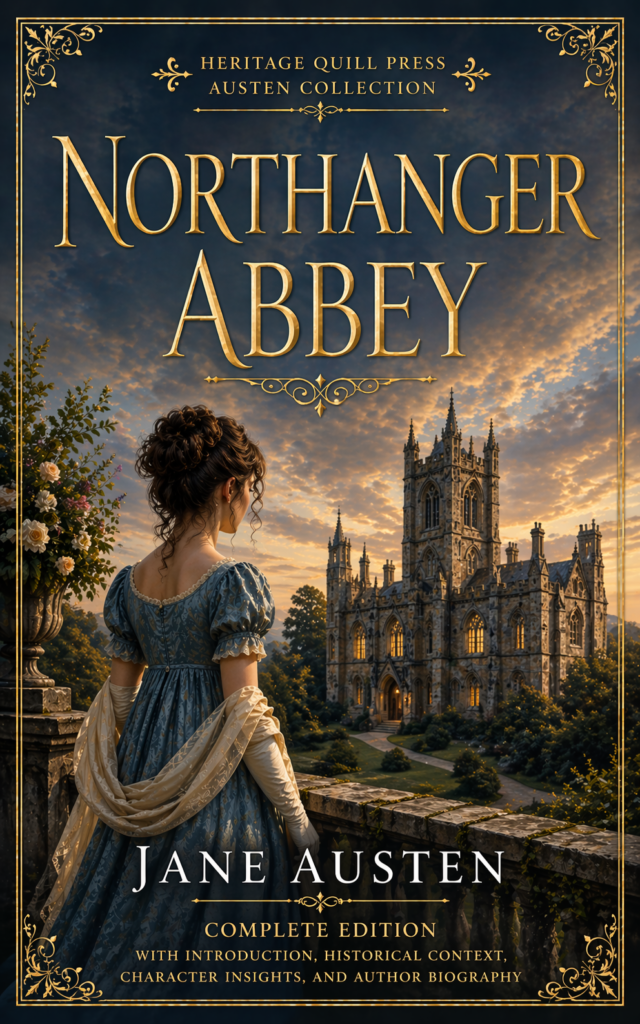
Northanger Abbey gently satirizes the popular Gothic novels of Austen’s day while telling a charming coming-of-age story.
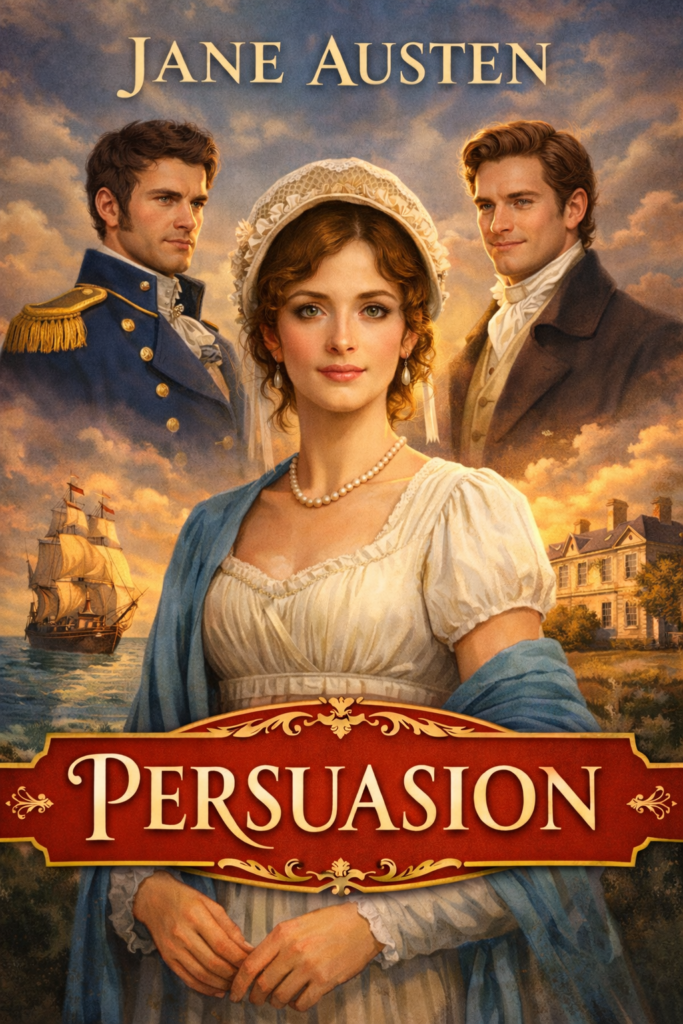
Persuasion, Austen’s final completed novel, offers a mature and deeply moving exploration of second chances, regret, and enduring affection.
Together, these works showcase Austen’s remarkable ability to create memorable characters, engaging plots, and timeless observations about human behavior.
Pride and Prejudice and the Rise of Elizabeth Bennet
No discussion of Jane Austen would be complete without Pride and Prejudice. First published in 1813, the novel has become one of the most celebrated works of English literature and remains a favorite among readers worldwide.
At the heart of the story is Elizabeth Bennet, a heroine whose intelligence, independence, and wit have made her one of literature’s most admired characters. Her evolving relationship with the proud but honorable Mr. Darcy has captivated readers for generations, providing one of the most enduring romances ever written.
Yet the novel’s appeal extends far beyond its love story. Austen combines humor, social commentary, family drama, and psychological insight to create a work that feels as relevant today as it did more than two hundred years ago.
Sense and Sensibility, Emma, and Other Austen Classics
While Pride and Prejudice often receives the greatest attention, Austen’s other novels continue to attract devoted readers.
Many admire Sense and Sensibility for its exploration of emotional restraint and personal resilience. Others consider Emma Austen’s greatest artistic achievement, praising its sophisticated narrative structure and unforgettable heroine. Persuasion is frequently celebrated for its emotional depth and mature perspective on love and regret.
Each novel offers a unique reading experience while sharing the qualities that define Austen’s work: vivid characters, intelligent humor, insightful social observation, and enduring emotional truth.
Related Authors
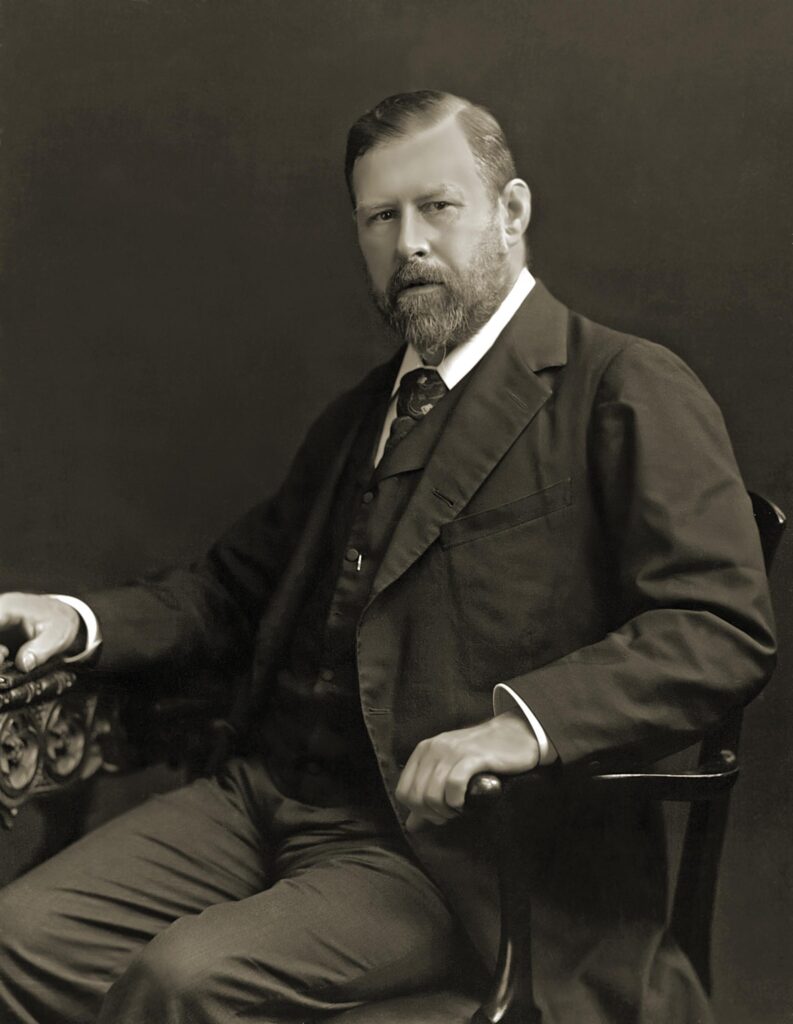
Bram Stoker
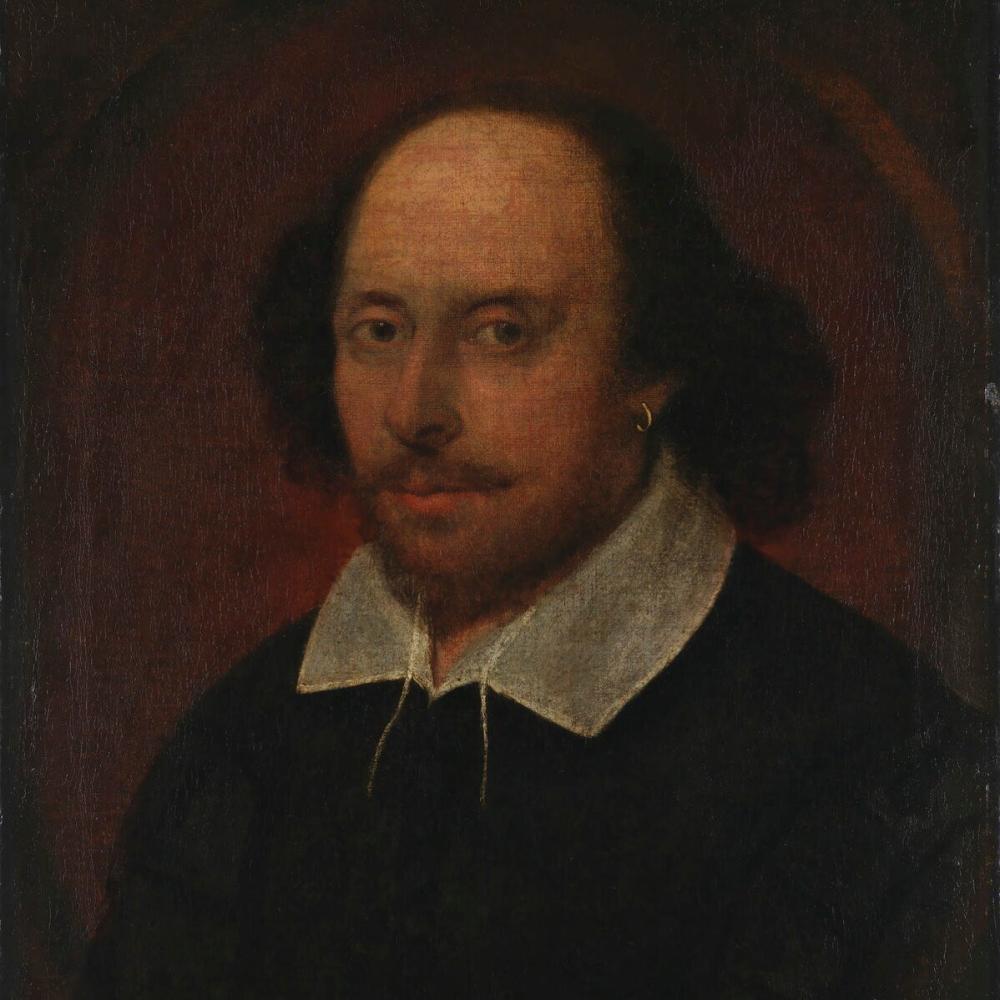
William Shakespeare
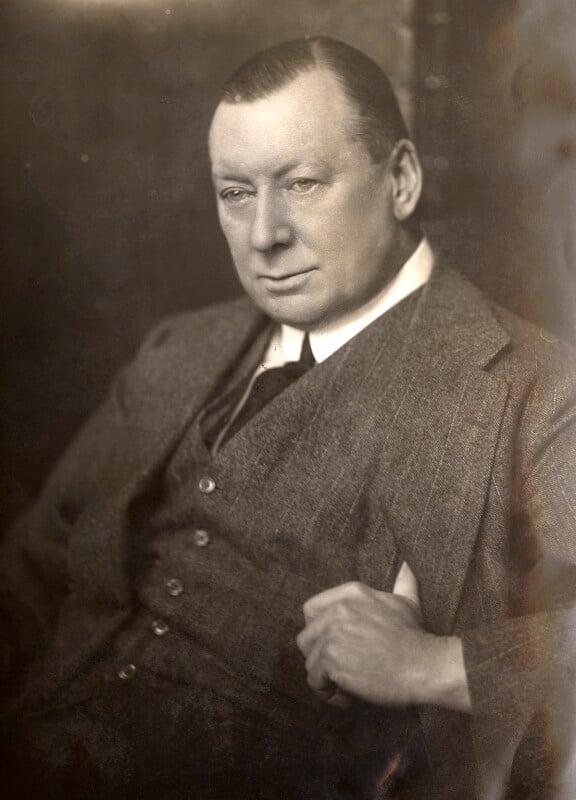
Edward Verrall Lucas
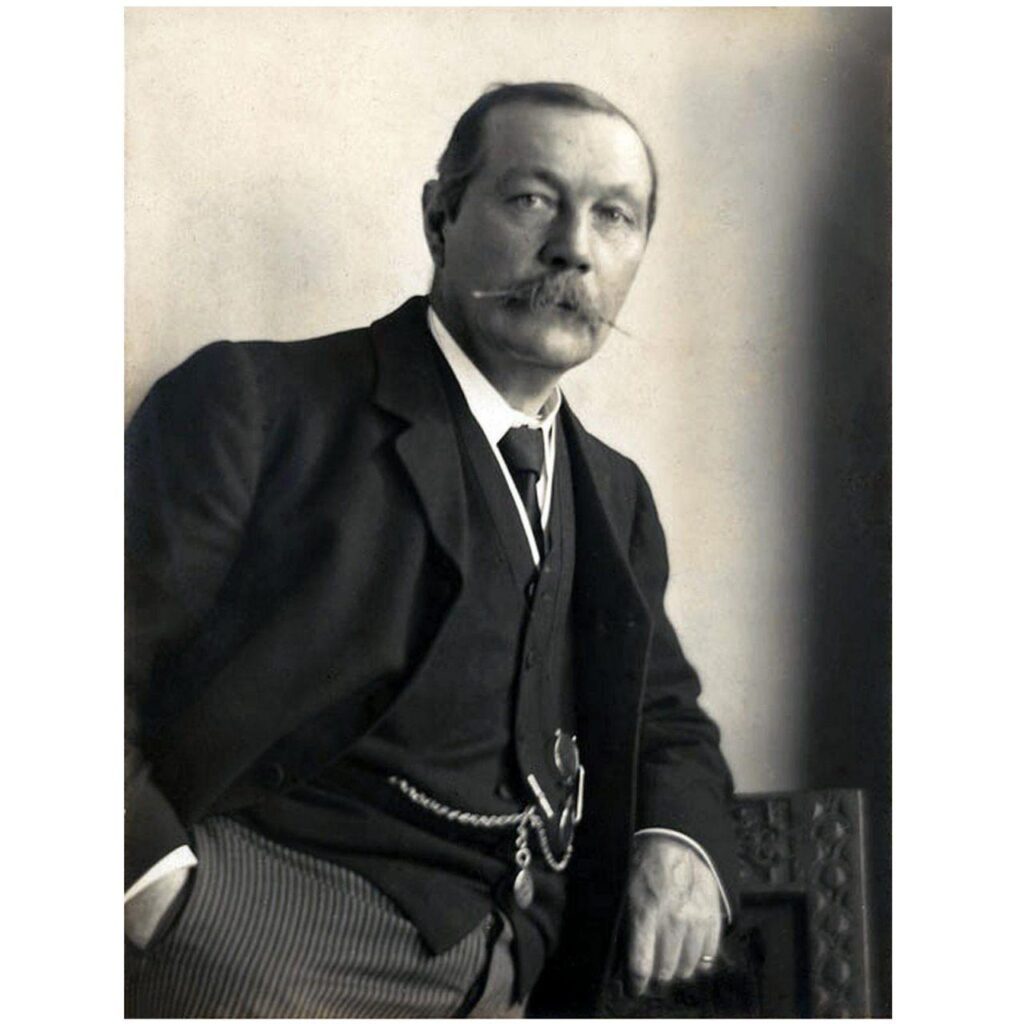
Arthur Conan Doyle
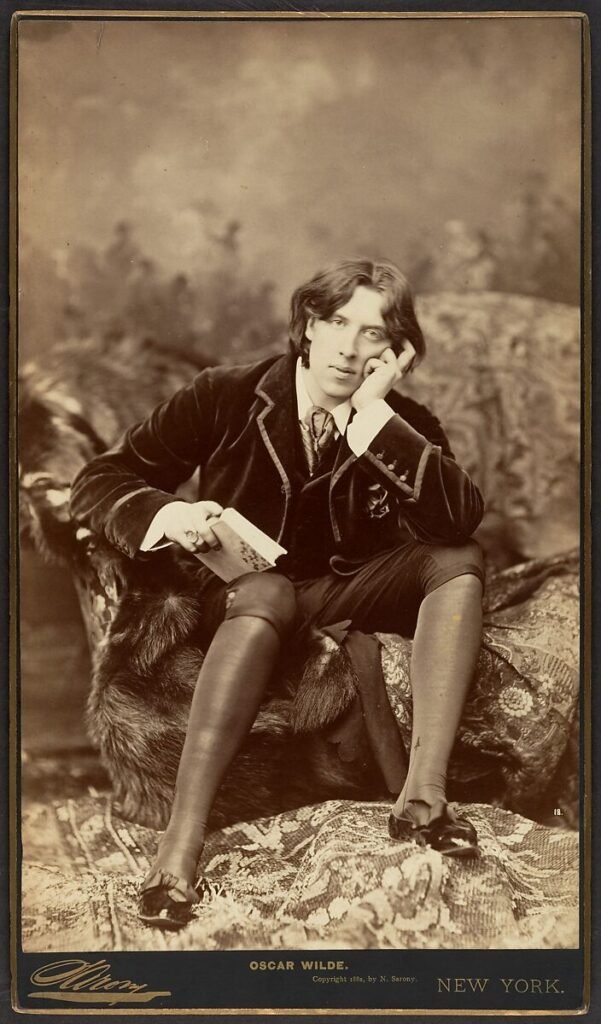
Oscar Wilde
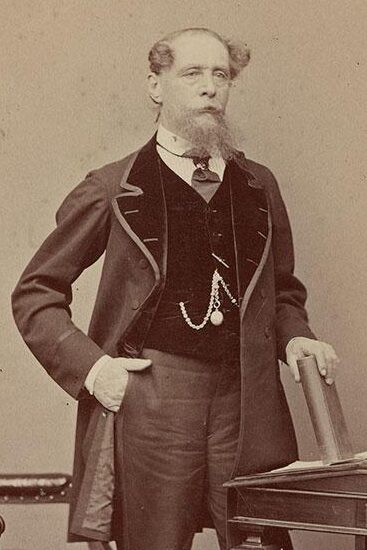
Charles Dickens
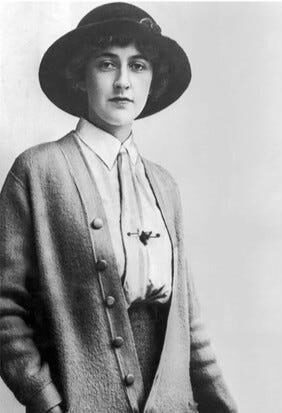
Agatha Christie
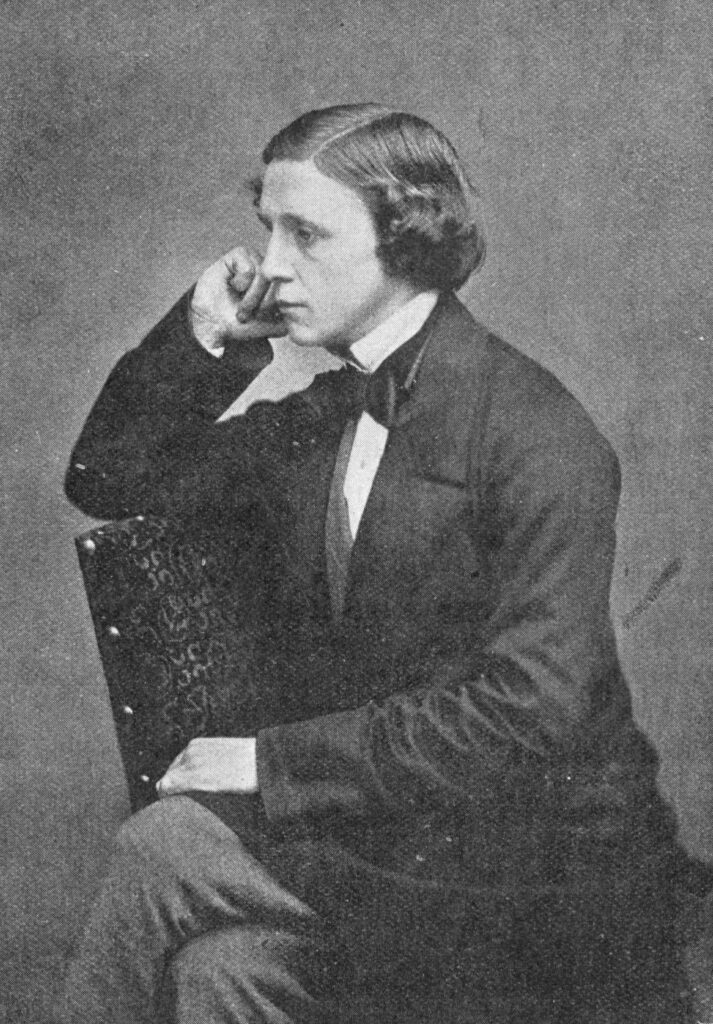
Lewis Carroll

E M Forster
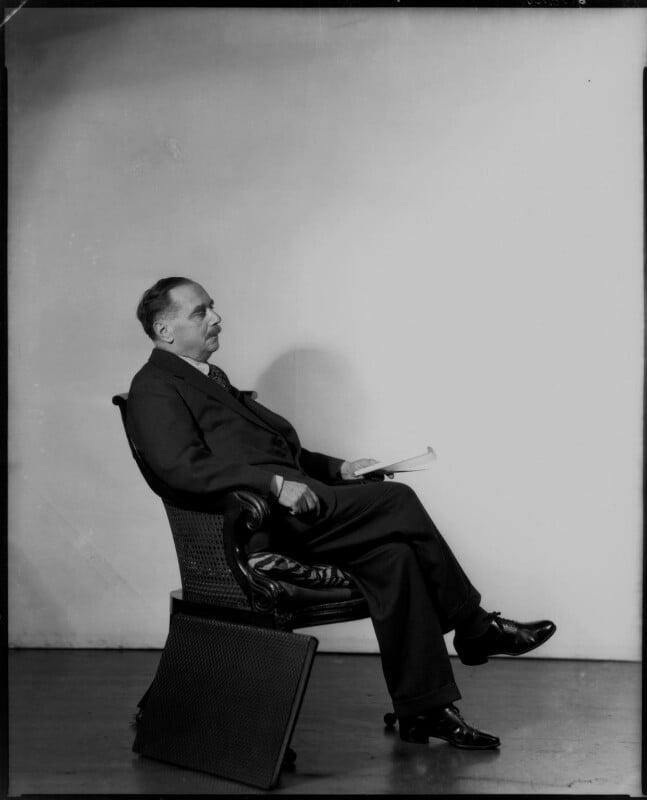
H. G. Wells
Why Readers Still Love Jane Austen Today
The continued popularity of Jane Austen’s novels can be traced to their remarkable balance of entertainment and insight. Her books are engaging stories filled with memorable characters and satisfying romances, but they also encourage readers to reflect on human nature and personal growth.
Austen understood that happiness depends not only on finding love but also on developing self-awareness, humility, and good judgment. Her characters often achieve fulfillment only after confronting their own weaknesses and misconceptions. This emphasis on personal growth gives her novels a depth that extends beyond romance alone.
Readers also appreciate Austen’s wit. Her sharp observations and subtle humor remain as enjoyable today as they were in the nineteenth century. Even modern audiences can recognize the social pretensions, misunderstandings, and family dynamics that she portrays so skillfully.
Jane Austen’s Lasting Influence on Literature
Jane Austen’s influence extends far beyond her own novels. Countless writers have drawn inspiration from her work, and her stories have been adapted into films, television series, stage productions, and modern retellings.
Her approach to character development, dialogue, and social observation helped shape the development of the modern novel. More importantly, she demonstrated that stories centered on ordinary lives and personal relationships could achieve extraordinary literary significance.
Today, Jane Austen remains one of the most important and widely read authors in the world. Her novels continue to entertain, inspire, and move readers because they capture something fundamental about human experience. While fashions, customs, and societies change, the search for love, happiness, understanding, and personal growth remains timeless—and few writers have explored those themes more brilliantly than Jane Austen.
Related Articles

Jane Austen vs the Brontë Sisters

Have the Jane Austen Movies Replaced the Books?

Why Jane Austen Remains So Popular