










Why Jane Austen Remains So Popular
More than two hundred years after her death, Jane Austen remains one of the most widely read, discussed, adapted, and beloved authors in the world. Her novels continue to sell millions of copies, inspire countless film and television adaptations, attract devoted readers of all ages, and occupy a central place in both popular culture and literary study. Few writers have maintained such enduring popularity across generations, cultures, and changing social landscapes.
The remarkable aspect of Austen’s success is that she achieved it without writing grand historical epics, sweeping adventures, or dramatic tales of war and conquest. Her novels focus on the lives of ordinary people navigating family relationships, social expectations, personal growth, and the search for happiness. Yet within these seemingly modest subjects, Austen discovered universal truths about human nature that continue to resonate with readers today.
The question is not simply why Austen was popular in her own time. Rather, it is why readers in the twenty-first century continue to find her novels engaging, emotionally satisfying, and surprisingly relevant. The answer lies in a combination of factors: her understanding of human behavior, her unforgettable characters, her wit and humor, her compelling romances, her psychological insight, and the countless adaptations that have introduced her stories to new audiences.
Austen Understood Human Nature
One of the primary reasons Jane Austen remains popular is that she possessed an extraordinary understanding of human nature.
Although the world around her has changed dramatically since the Regency era, people themselves have changed far less. Pride, insecurity, ambition, jealousy, attraction, self-deception, kindness, and vanity remain as familiar today as they were two hundred years ago. Austen recognized these qualities in the people around her and captured them with remarkable accuracy.
Readers continue to recognize themselves and those they know within Austen’s characters. Most people have encountered someone like the pompous Mr. Collins, the charming but unreliable George Wickham, the vain Sir Walter Elliot, or the meddlesome Emma Woodhouse. Likewise, many readers identify with the intelligence of Elizabeth Bennet, the sensitivity of Marianne Dashwood, the resilience of Jane Eyre’s literary cousins, or the quiet strength of Anne Elliot.
What makes Austen’s characters so enduring is that they rarely fit into simple categories of hero and villain. Her characters possess virtues and flaws in realistic proportions. Elizabeth Bennet is intelligent and witty, but she is also capable of prejudice and poor judgment. Mr. Darcy is honorable and loyal, yet initially appears arrogant and aloof. Emma is kind-hearted but frequently mistaken. These imperfections make the characters feel authentic and human.
Because Austen understood people so well, her novels continue to feel relevant despite their historical settings. Readers may not attend Regency balls or worry about entailments, but they still navigate misunderstandings, relationships, family expectations, and questions of personal growth. Austen’s insight into human behavior allows modern readers to connect with her work on a deeply personal level.
The Enduring Appeal of Austen’s Humor
Many people who have never read Jane Austen assume that her novels are serious, formal, and perhaps even difficult. Those who actually read her work often discover something surprising: Austen was extraordinarily funny.
Her novels are filled with wit, irony, satire, and sharp observations about human behavior. She had an exceptional ability to expose vanity, pretension, and foolishness while remaining entertaining and engaging.
Characters such as Mr. Collins in Pride and Prejudice, Mrs. Bennet, Lady Catherine de Bourgh, and Miss Bates in Emma continue to amuse readers because they embody recognizable human tendencies exaggerated just enough to become humorous. Austen understood that people often reveal their flaws through their own words and actions, and she used dialogue masterfully to create both comedy and character development.
Her humor also contributes significantly to the accessibility of her novels. Readers who might otherwise be intimidated by classic literature often discover that Austen’s work is surprisingly enjoyable. The wit keeps the stories lively, while the humor makes the characters memorable.
Unlike many forms of comedy that depend heavily on specific historical references, Austen’s humor remains effective because it is rooted in universal human behavior. Vanity, awkwardness, social climbing, self-importance, and romantic misunderstandings continue to provide fertile ground for comedy today.
Her Characters Feel Like Real People
Another reason for Austen’s lasting popularity is her remarkable gift for character creation.
Many authors create memorable plots. Austen created memorable people.
Readers frequently speak about Austen’s characters as though they were real individuals rather than fictional creations. Elizabeth Bennet, Mr. Darcy, Emma Woodhouse, Anne Elliot, Elinor Dashwood, Marianne Dashwood, and many others have become cultural icons.
This enduring appeal stems from Austen’s ability to create characters with distinct personalities, motivations, strengths, and weaknesses. They do not merely serve the plot. Instead, the plot emerges naturally from their decisions, desires, and interactions.
Readers often return to Austen’s novels because spending time with these characters feels rewarding. Like revisiting old friends, rereading Austen offers the opportunity to encounter familiar personalities while discovering new insights with each reading.
Her characters also grow and change throughout the stories. They learn from mistakes, confront weaknesses, and develop greater self-awareness. This emphasis on personal growth gives the novels emotional depth and makes their resolutions feel genuinely earned.
The Timeless Appeal of Austen’s Romances
While Jane Austen’s novels contain much more than romance, her love stories undoubtedly contribute to her enduring popularity.
The romances in Austen’s novels differ from many modern love stories because they are built upon character development rather than immediate attraction. Relationships evolve gradually through conversation, observation, misunderstanding, self-discovery, and personal growth.
The relationship between Elizabeth Bennet and Mr. Darcy remains one of the most beloved romances in literary history because both characters must change before they can truly appreciate one another. Their journey involves pride, prejudice, self-reflection, and mutual respect. Readers witness not only the development of affection but also the growth of two individuals becoming better versions of themselves.
Similarly, Anne Elliot and Captain Wentworth in Persuasion offer a moving story of lost love and second chances. Emma Woodhouse’s journey toward understanding her own heart provides another variation on the romantic theme. Across Austen’s novels, love is rarely simple, but it is often transformative.
These romances continue to resonate because they emphasize qualities that remain meaningful today: respect, understanding, compatibility, personal growth, and emotional maturity. Austen understood that lasting relationships depend upon more than attraction alone.
Austen’s Heroines Continue to Inspire Readers
Austen’s heroines remain among the most admired female characters in literature.
Although they were created in a society with limited opportunities for women, Austen’s protagonists possess intelligence, independence, and strong moral character. They think for themselves, question social expectations, and refuse to compromise their values simply to secure social approval.
Elizabeth Bennet’s wit and confidence continue to inspire readers. Anne Elliot’s quiet resilience resonates deeply with many people. Elinor Dashwood’s emotional strength, Emma Woodhouse’s growth in self-awareness, and Catherine Morland’s journey toward maturity all contribute to Austen’s lasting appeal.
Modern readers often find these characters surprisingly contemporary in their concerns and aspirations. While their circumstances differ from those of today’s readers, their struggles with identity, relationships, family expectations, and personal fulfillment remain highly relatable.
Their enduring popularity demonstrates Austen’s ability to create protagonists who transcend their historical context and speak to universal human experiences.
Film and Television Adaptations Have Introduced Austen to New Generations
One of the most important reasons Jane Austen remains so popular is that her stories have never been confined to the page.
For more than a century, filmmakers, television producers, playwrights, and screenwriters have returned to Austen’s novels again and again. Each generation discovers her stories through new adaptations, often leading viewers back to the original books.
Perhaps no adaptation has had a greater impact than the 1995 BBC production of Pride and Prejudice, starring Jennifer Ehle and Colin Firth. Widely regarded as one of the finest literary adaptations ever produced, the series introduced millions of viewers to Elizabeth Bennet and Mr. Darcy. For many readers, it remains the definitive version of Austen’s most famous novel.
A decade later, the 2005 film adaptation of Pride and Prejudice, starring Keira Knightley and Matthew Macfadyen, brought Austen to a new audience. Its sweeping cinematography, memorable performances, and emotional storytelling renewed interest in the novel worldwide.
Other works have enjoyed similar success. Sense and Sensibility, Emma, and Persuasion have all received multiple adaptations, each introducing new readers to Austen’s characters and themes.
Unlike many classic authors whose works remain primarily academic, Austen continues to occupy a visible place in popular culture. New adaptations ensure that her stories remain relevant and accessible to modern audiences.
Importantly, these adaptations succeed because the source material remains so strong. The films may introduce viewers to Austen, but it is the novels themselves that continue to earn devoted readers.
Austen’s Influence on Modern Romance Fiction
It is difficult to overstate Jane Austen’s influence on modern romance.
Many of the most popular romantic tropes in contemporary fiction can be traced directly to her work.
The relationship between Elizabeth Bennet and Mr. Darcy helped establish what modern readers recognize as the enemies-to-lovers storyline. Two intelligent individuals misunderstand one another, clash repeatedly, and gradually discover deeper feelings through personal growth and increased understanding.
Countless modern novels continue to follow this formula.
Austen also demonstrated that romance could be driven by character rather than plot alone. Her stories emphasize conversation, compatibility, emotional maturity, and mutual respect. The attraction between her characters develops through interaction and understanding rather than dramatic coincidence.
Modern romance writers continue to draw upon these principles.
Readers who enjoy contemporary romantic comedies, slow-burn romances, and character-driven love stories are often surprised to discover how much of the genre’s foundation was established by Austen more than two hundred years ago.
Even authors writing vastly different stories frequently acknowledge her influence. The reason is simple: Austen understood relationships. She understood how people misjudge one another, how attraction develops, and how personal growth can transform both individuals and relationships.
These insights remain as valuable to writers today as they were in Austen’s lifetime.
Why Readers Return to Austen Again and Again
Many novels are enjoyed once.
Austen’s novels are often enjoyed repeatedly.
One of the most remarkable aspects of her popularity is the number of readers who revisit her books throughout their lives.
Part of this appeal lies in her layered storytelling. Readers often discover new insights during subsequent readings. A character who once seemed foolish may appear more sympathetic. A scene that initially seemed humorous may reveal deeper emotional significance. Austen’s observations about human nature often become more meaningful with age and experience.
Her novels also provide a unique combination of comfort and intellectual engagement.
Readers know they will encounter memorable characters, satisfying narratives, and earned conclusions. Yet they also know the books will challenge them to think about relationships, judgment, personal growth, and human behavior.
In an increasingly fast-paced world, many readers find something reassuring in Austen’s work. Her novels encourage patience, reflection, and careful observation. They remind readers that meaningful relationships develop over time and that character matters more than appearance, wealth, or social status.
These themes remain deeply appealing in every generation.
Austen’s Place in Modern Culture
Few authors have achieved the cultural status enjoyed by Jane Austen.
Her characters, stories, and even individual lines of dialogue have become part of the broader cultural conversation. References to Mr. Darcy, Elizabeth Bennet, and Austen’s famous romances appear regularly in literature, television, film, and popular media.
Book clubs continue to discuss her novels. Universities continue to teach them. New readers continue to discover them every year.
Entire communities have formed around Austen’s work. Literary festivals, adaptation fandoms, historical reenactments, discussion groups, and online communities all demonstrate the continuing enthusiasm inspired by her writing.
This enduring presence reflects something more than nostalgia.
Readers do not continue celebrating Austen merely because she is historically important. They continue celebrating her because her novels remain enjoyable, insightful, and emotionally rewarding.
The best classics survive because they continue speaking to readers long after their original context has faded.
Jane Austen remains one of the clearest examples of this principle.
Conclusion: Why Jane Austen Still Matters
More than two centuries after her novels first appeared, Jane Austen remains one of the most beloved authors in the world.
Her popularity cannot be explained by any single factor. It is the result of her extraordinary understanding of human nature, her unforgettable characters, her wit and humor, her compelling romances, and her remarkable ability to portray universal human experiences.
Readers continue to recognize themselves in her characters. They continue to laugh at her observations, admire her heroines, and become invested in her love stories.
Film and television adaptations have introduced her work to new audiences, while modern romance writers continue to build upon foundations she helped establish. Yet the ultimate reason for her success remains the quality of the novels themselves.
Austen understood people.
She understood pride and prejudice, sense and sensibility, persuasion and self-deception, love and disappointment, growth and forgiveness.
Because these experiences remain fundamental to human life, her novels continue to feel relevant, meaningful, and deeply enjoyable.
That is why Jane Austen remains so popular—and why readers are likely to continue discovering and loving her work for generations to come.
Related Novels
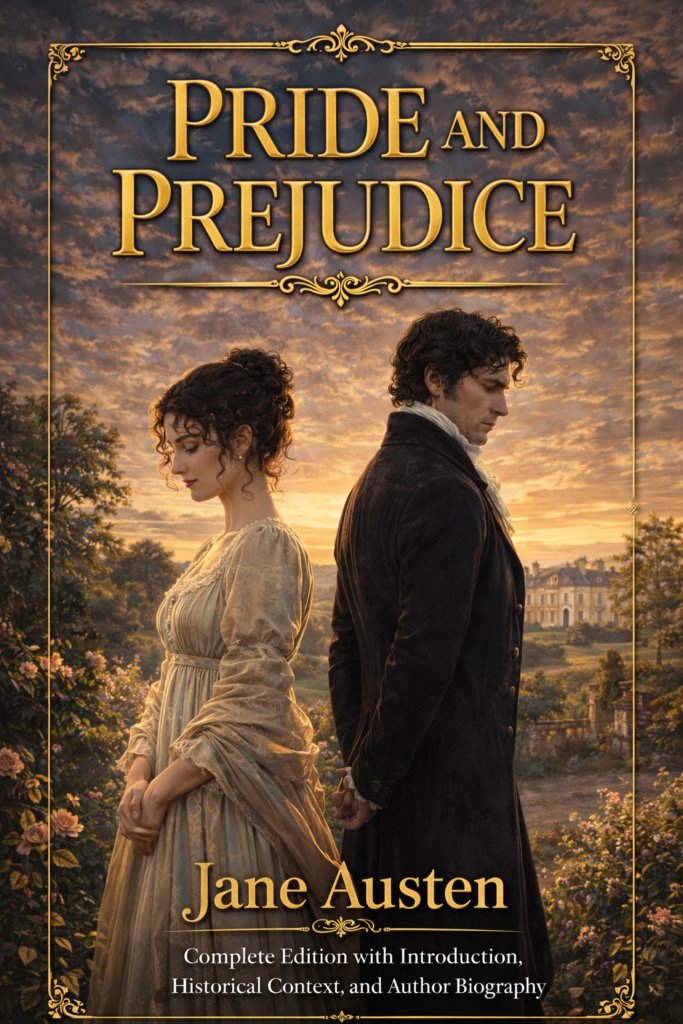
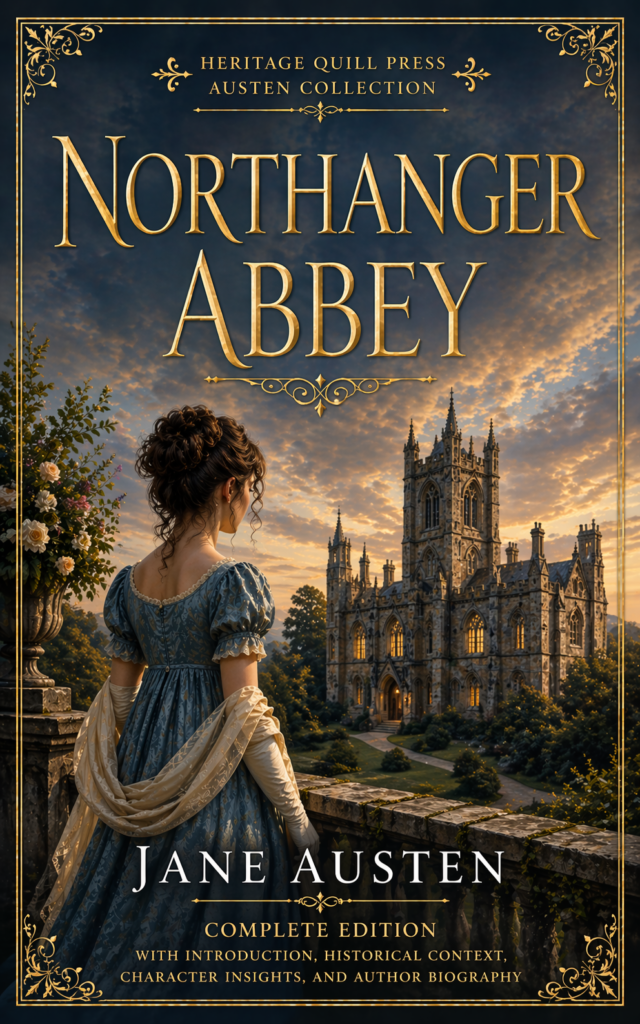
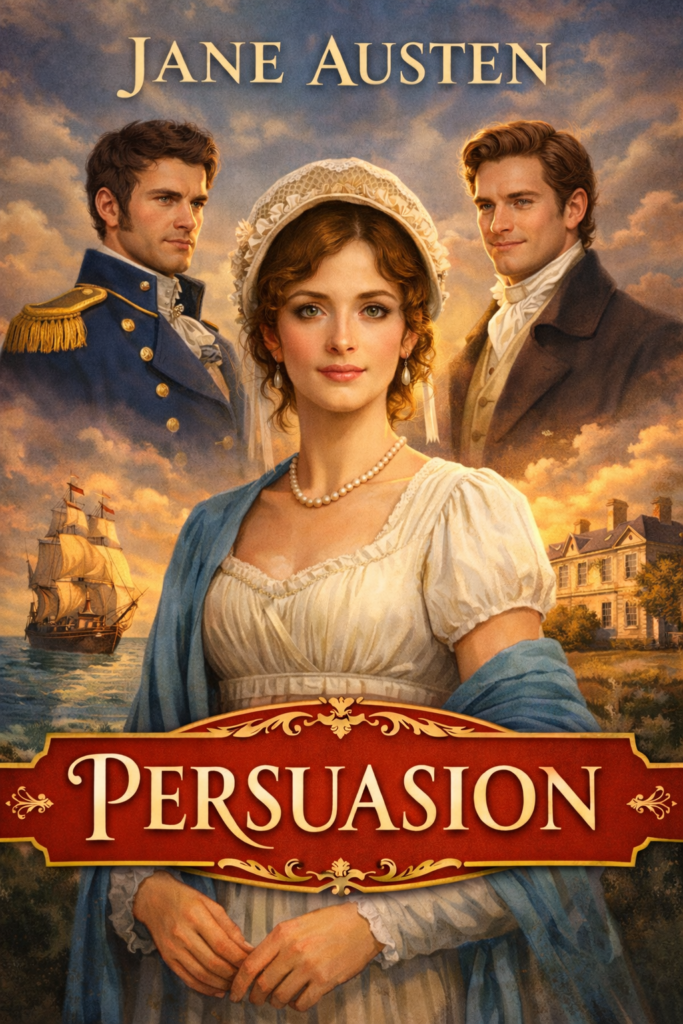

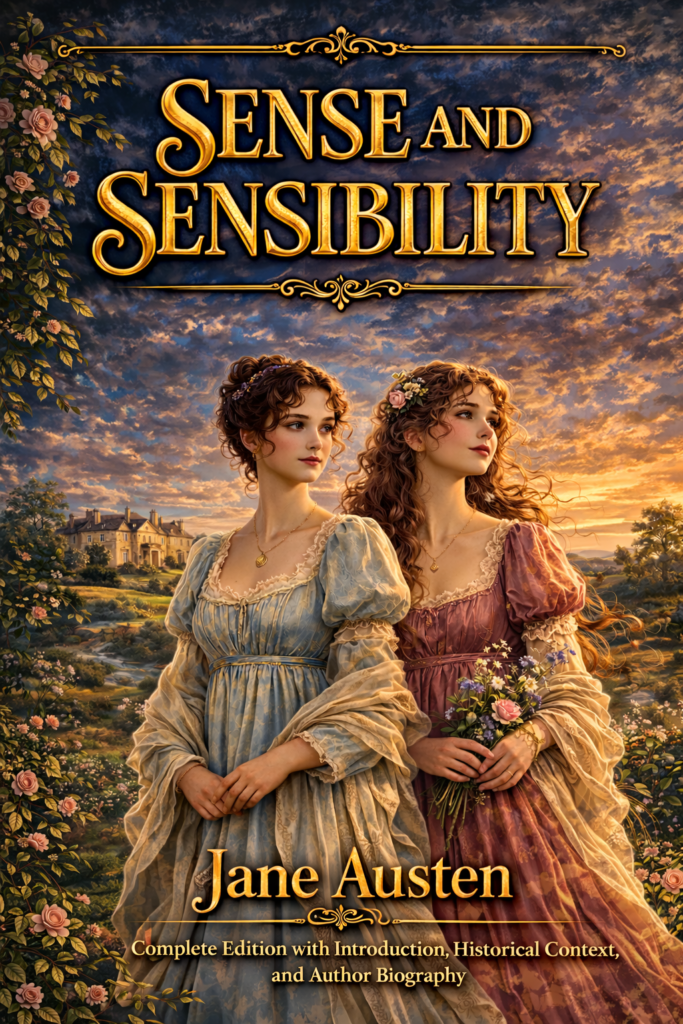
Other Articles

Why I Hate Shakespeare
When Novels Were Released Like a TV Series

Whodunit Better

Classic Literature Quiz (Part 1): How Well Do You Know the Classics?

Jane Austen vs the Brontë Sisters

What Classic Horror Was Really Trying to Tell Us

100 Editions, Countless Discoveries

Why did Mark Twain not like James Fenimore Cooper?

Have the Jane Austen Movies Replaced the Books?