








Before Streaming:
When Novels Were Released Like a TV Series
How Charles Dickens, Arthur Conan Doyle, and Alexandre Dumas Turned Serial Publication into One of the Most Successful Storytelling Models in History
Imagine finishing the latest episode of your favorite television series and discovering that the next installment will not arrive for another month.
There is no streaming service to satisfy your curiosity. No season finale waiting in your watchlist. No online spoilers revealing what happens next.
All you can do is wait.
For modern audiences accustomed to instant access, the idea sounds almost unbearable. Yet for millions of readers during the nineteenth century, it was simply the way stories were experienced.
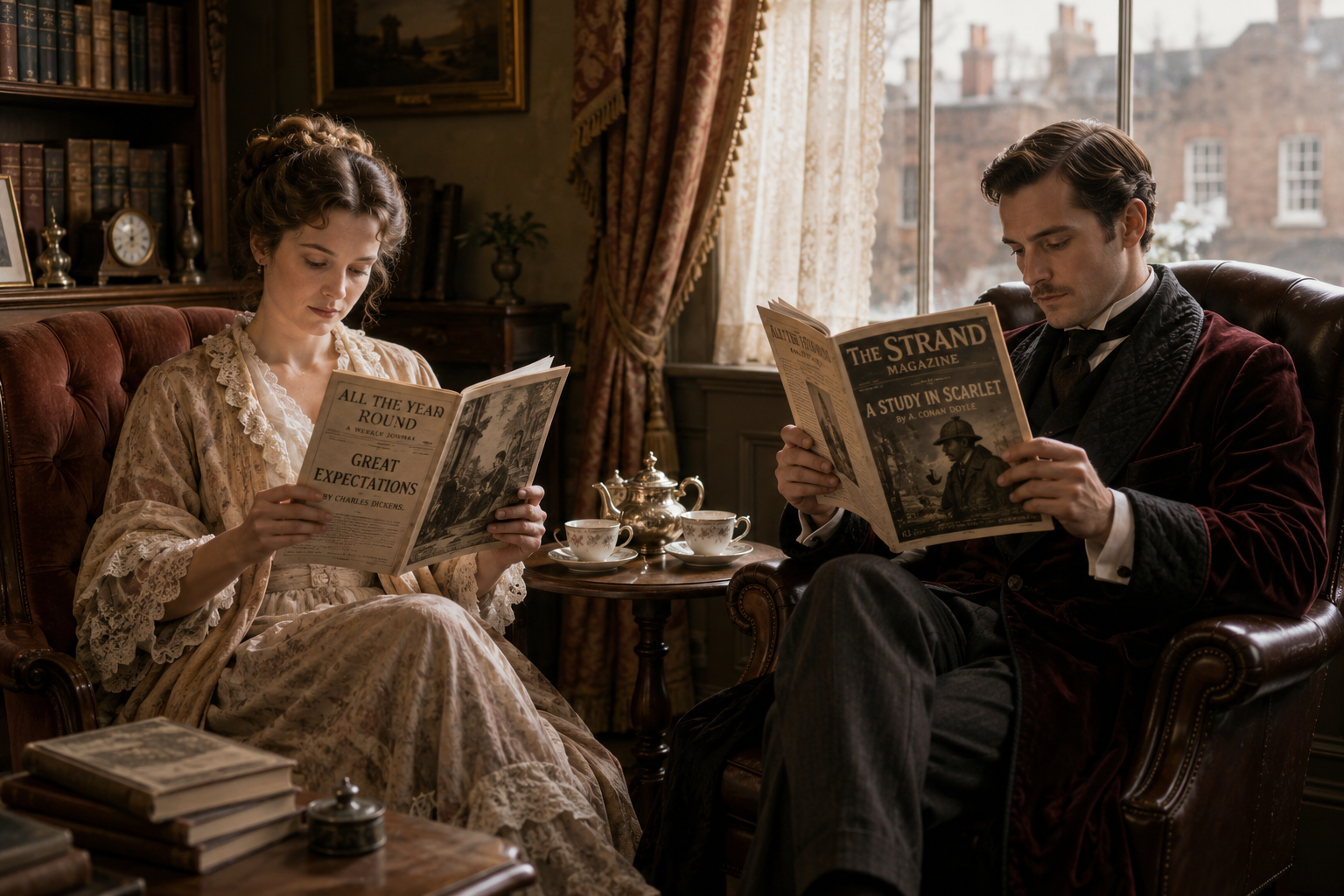
Long before streaming platforms, television, radio dramas, or even motion pictures, some of the most beloved novels in literary history were released one installment at a time through newspapers and magazines. Readers eagerly awaited each new chapter, discussed theories with friends, debated the fate of favorite characters, and counted the days until the next issue appeared.
Today we associate episodic storytelling with television. Yet many of the techniques that keep modern audiences clicking “Next Episode” were perfected by Victorian authors more than a century before television existed.
The cliffhanger.
The shocking reveal.
The season-ending twist.
The beloved recurring character.
The carefully constructed suspense designed to keep audiences returning for more.
Writers such as Charles Dickens, Arthur Conan Doyle, and Alexandre Dumas understood these principles long before Hollywood or Netflix. Their stories captivated millions, transformed publishing into a booming entertainment industry, and helped create many of the storytelling techniques that still dominate popular culture today.
In many ways, Victorian readers were participating in the nineteenth-century equivalent of streaming television.
The World Before Streaming
To understand the appeal of serial fiction, it helps to imagine a world without modern entertainment.
There was no television.
No cinema.
No radio.
No internet.
Books, newspapers, magazines, theaters, and public lectures provided much of the entertainment available to ordinary people.
Reading was not simply an educational activity. It was one of the primary forms of entertainment.
A popular novel could become a national event.
People discussed books the way modern audiences discuss hit television shows, blockbuster films, and viral online content.
The appetite for stories was enormous.
Publishers quickly realized that satisfying that appetite could be highly profitable.
Stories Arrived One Episode at a Time
Today readers purchase a complete novel and can immediately discover how the story ends.
Nineteenth-century readers often had a very different experience.
Many novels first appeared in serialized form. Rather than receiving an entire book, readers received a portion of the story in each issue of a newspaper or magazine.
Sometimes a single installment might contain only a chapter or two.
Sometimes it might contain several chapters.
Either way, readers were left waiting for the next release.
This transformed reading from a private activity into an ongoing cultural experience.
A story could unfold over months or even years.
Characters became familiar companions.
Mysteries lingered.
Questions accumulated.
Speculation flourished.
Readers became emotionally invested not merely in the destination but in the journey itself.
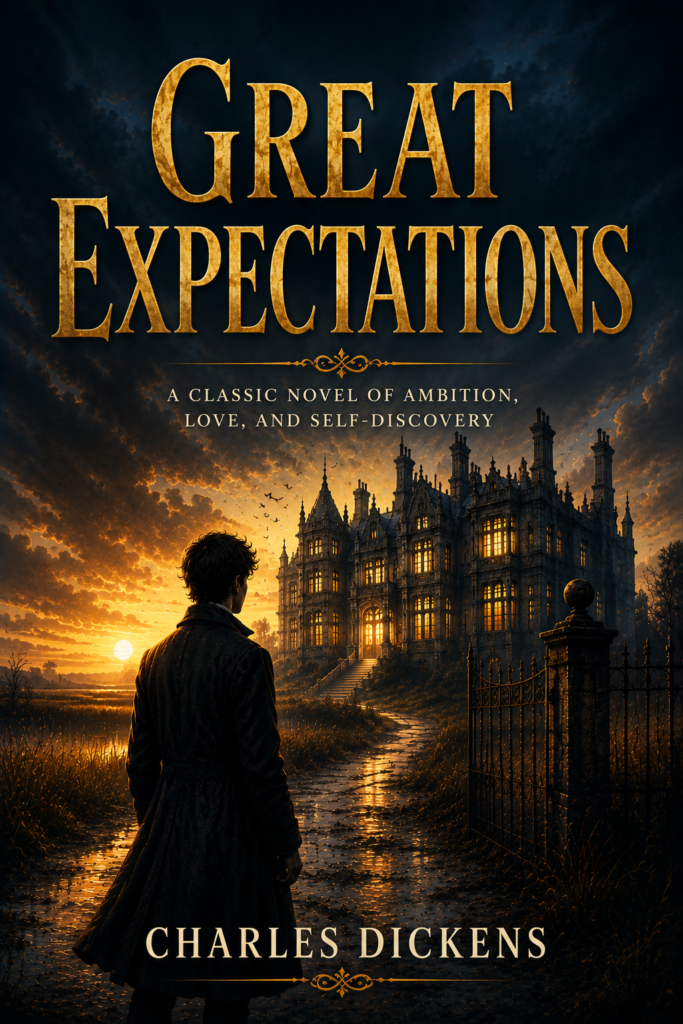
Imagine if every chapter of Great Expectations, The Count of Monte Cristo, or a Sherlock Holmes adventure arrived separately over the course of a year. Every revelation would become an event. Every cliffhanger would spark discussion.
That was exactly the experience Victorian readers enjoyed.
Why Publish Stories This Way?
At first glance, serialization appears inconvenient.
Why not simply wait until a novel was finished and publish the entire work?
The answer was surprisingly practical.
Books were expensive.
A newly published novel represented a significant purchase for many readers. While wealthier households could afford private libraries, ordinary readers often had to be far more selective.
Magazines and newspapers were considerably cheaper.
By publishing novels in installments, publishers dramatically expanded their potential audience.
Readers who could never justify purchasing a large hardcover novel could still afford a weekly or monthly magazine.
Serialization made literature accessible to a much larger segment of society.
It was not merely a publishing format.
It was a democratization of reading.
The Original Subscription Economy
Modern streaming companies spend billions of dollars attempting to solve one problem:
How do we keep subscribers coming back?
The answer usually involves compelling original content.
Successful shows encourage viewers to remain engaged.
They return for the next episode.
The next season.
The next spin-off.
Victorian publishers were solving precisely the same problem.
A compelling serialized story encouraged readers to purchase the next issue.
And the issue after that.
And the one after that.
Publishers quickly discovered that anticipation could be one of their most valuable assets.
A reader emotionally invested in a story became a loyal customer.
The economics were remarkably similar to modern subscription businesses.
Keep people interested.
Keep them returning.
Keep them talking.
The technology has changed.
Human nature has not.
Why Serialization Was Often More Profitable
One of the most surprising aspects of nineteenth-century publishing is that serialization could be more profitable than book publication.
Modern readers often assume authors earned their living primarily through book sales.
In reality, many successful writers earned substantial income from magazine and newspaper publication.
Serialization offered several advantages.
First, authors could begin receiving payment while the work was still being written.
Instead of spending years completing a manuscript before earning a single penny, writers could generate income throughout the creative process.
Second, publishers reduced their financial risk.
A serialized story that attracted readers demonstrated market demand before expensive book editions were produced.
Third, successful works often generated revenue twice.
Readers purchased the serialized installments.
Later, many of those same readers purchased the collected book edition.
The same story could effectively be sold multiple times.
This model benefited authors, publishers, and magazines simultaneously.
Little wonder it became so popular.
Charles Dickens and the Art of the Cliffhanger
No writer is more closely associated with serialization than Charles Dickens.
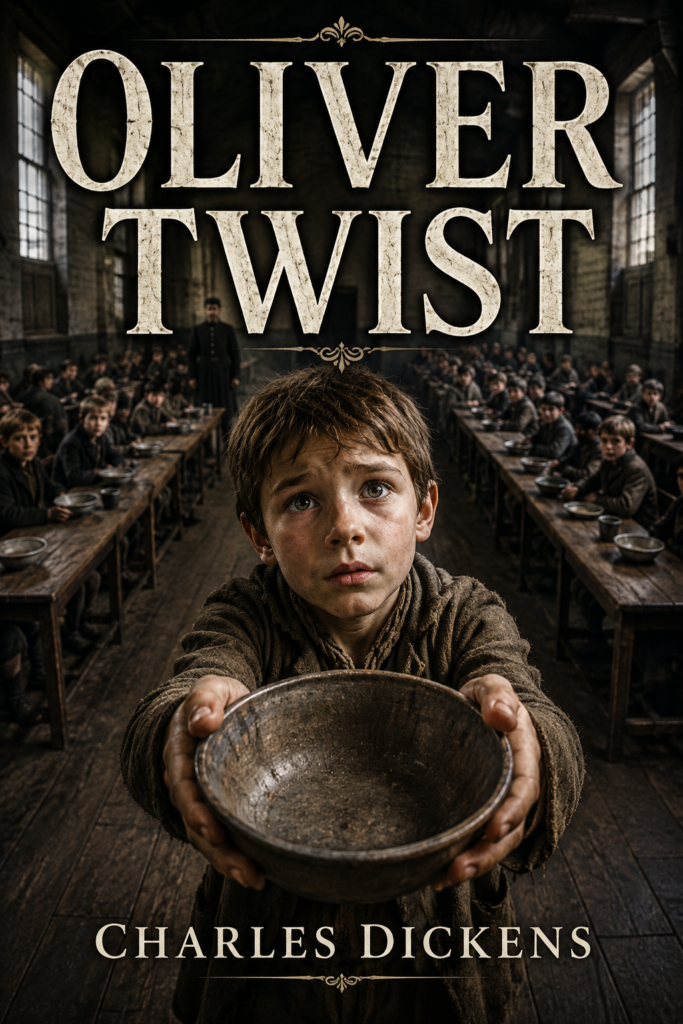
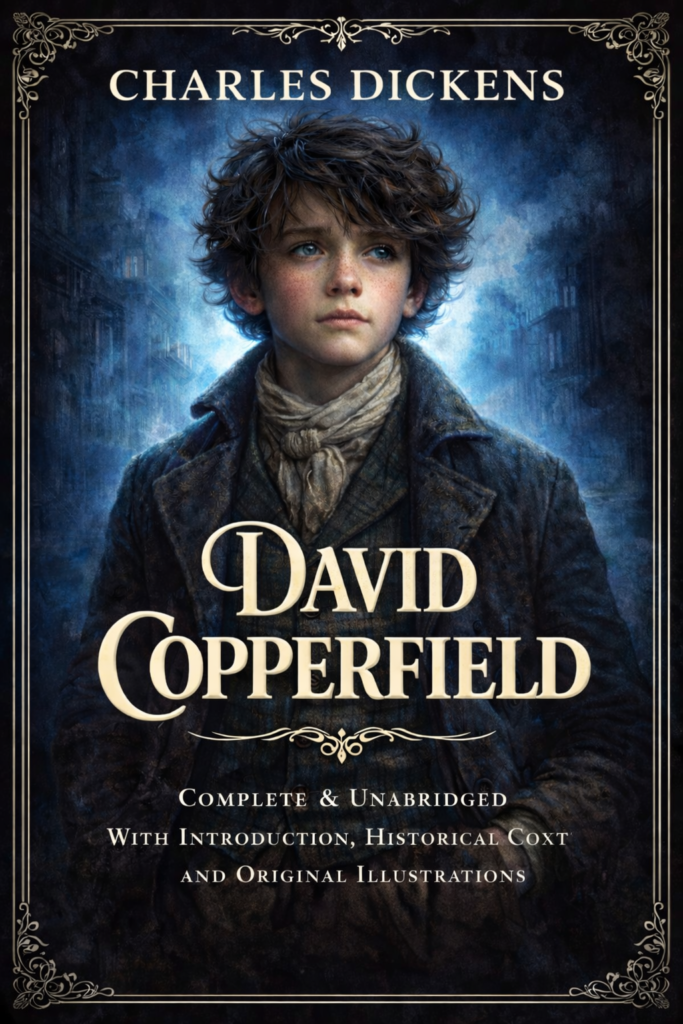
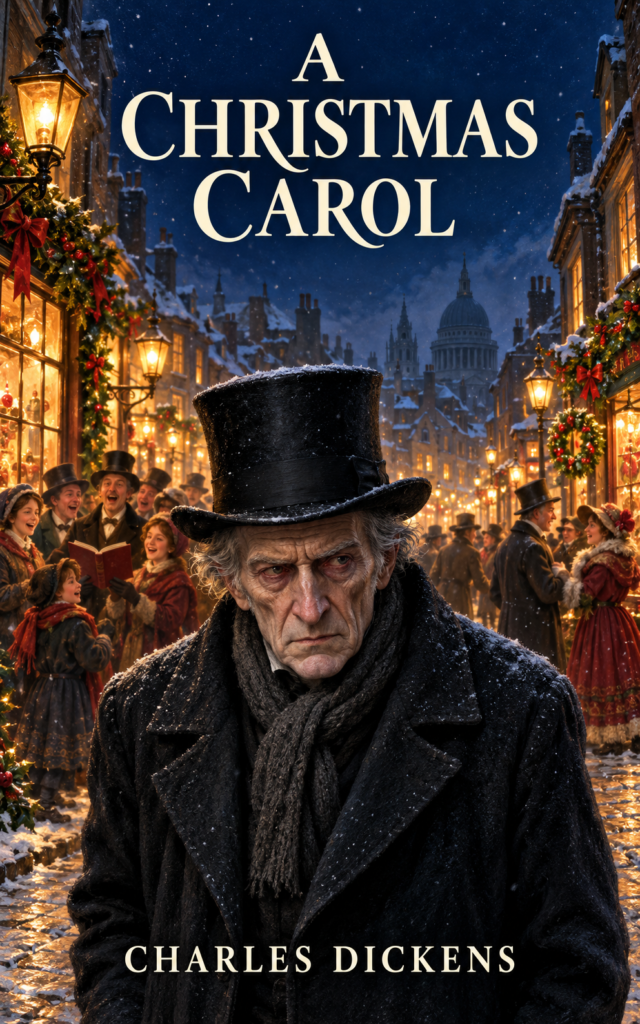
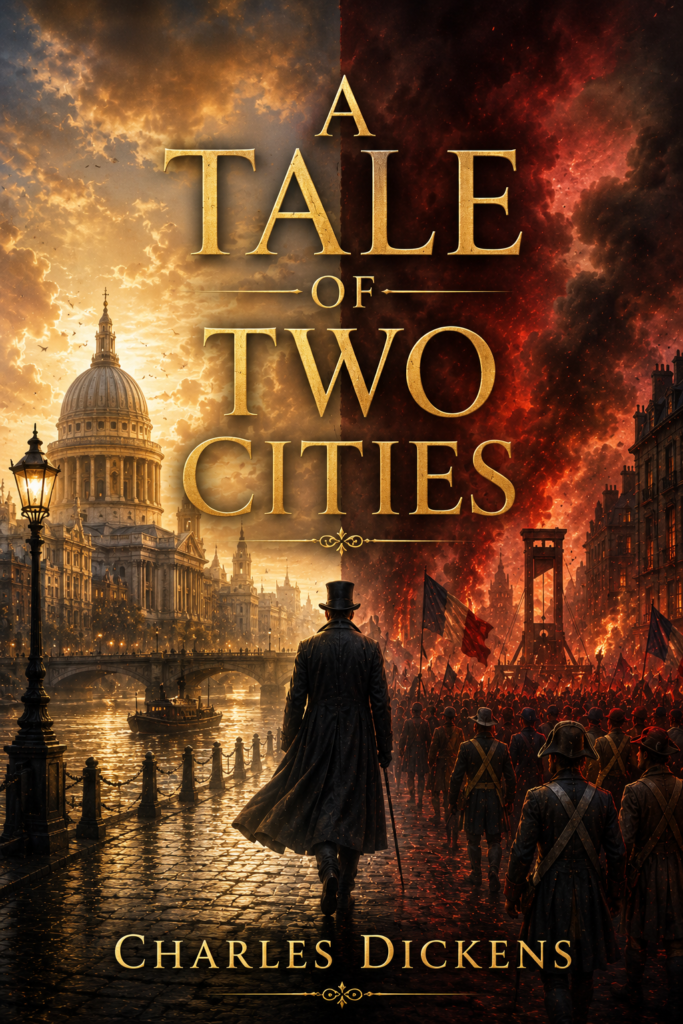
Many of his greatest novels—including Oliver Twist, David Copperfield, Bleak House, A Tale of Two Cities, and Great Expectations—first reached readers through serialized publication.
Dickens quickly recognized that serialization changed the way stories should be written.
A novelist publishing an entire book at once could focus primarily on the overall structure of the narrative.
A serialized novelist faced a different challenge.
Each installment had to satisfy readers while simultaneously convincing them to return for the next one.
This encouraged a style of storytelling built around suspense.
Important revelations were delayed.
Questions remained unanswered.
Character relationships evolved gradually.
Mysteries deepened.
Readers reached the end of an installment desperate to know what happened next.
Today we call this technique a cliffhanger.
Television writers rely upon it constantly.
Streaming dramas use it to encourage audiences to continue watching.
Dickens was using the same strategy more than 150 years earlier.
The medium was different.
The psychology was identical.
Sherlock Holmes and the Magazine Readers Could Not Abandon
If Charles Dickens demonstrated the power of suspense, Arthur Conan Doyle demonstrated the power of recurring characters.
When readers encountered Sherlock Holmes for the first time, they discovered something different from the traditional novel.
They were not simply following a story.
They were following a person.
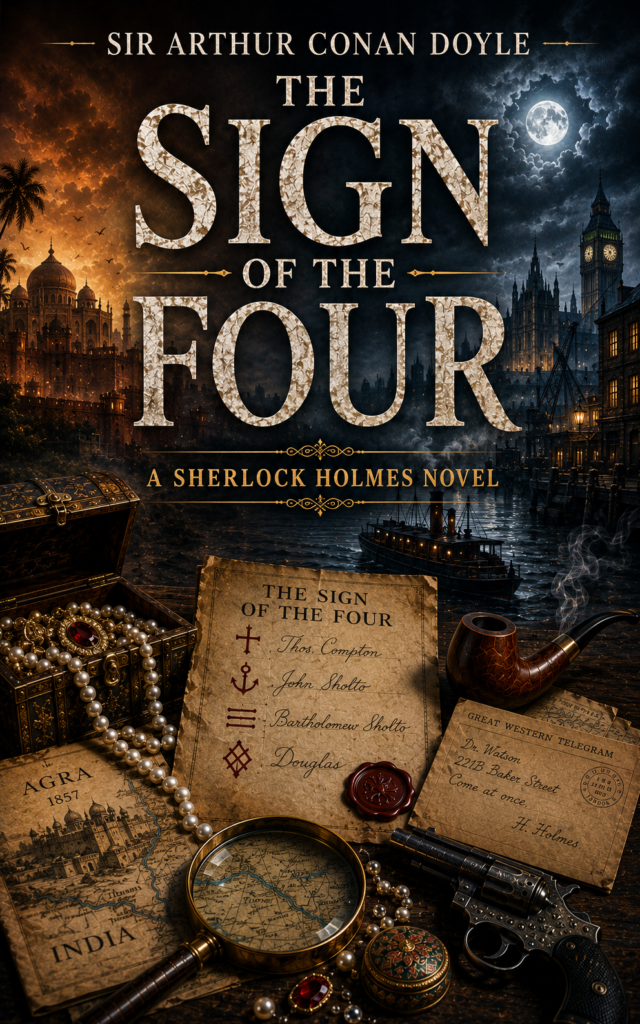
A brilliant, eccentric detective lived at 221B Baker Street. Alongside him was the loyal Dr. Watson, who chronicled the detective’s astonishing investigations. Every new adventure offered another opportunity to spend time with familiar characters.
Modern audiences understand this instinctively.
Many viewers continue watching a television series long after the original premise has lost some of its novelty. They return because they enjoy spending time with the characters.
The same thing happened with Sherlock Holmes.
Readers wanted the next mystery.
The next deduction.
The next disguise.
The next impossible puzzle that only Holmes could solve.
This seemingly simple idea transformed publishing.
The detective became more than the star of a story.
He became a reason to purchase the next magazine.
The Strand Magazine’s Greatest Asset
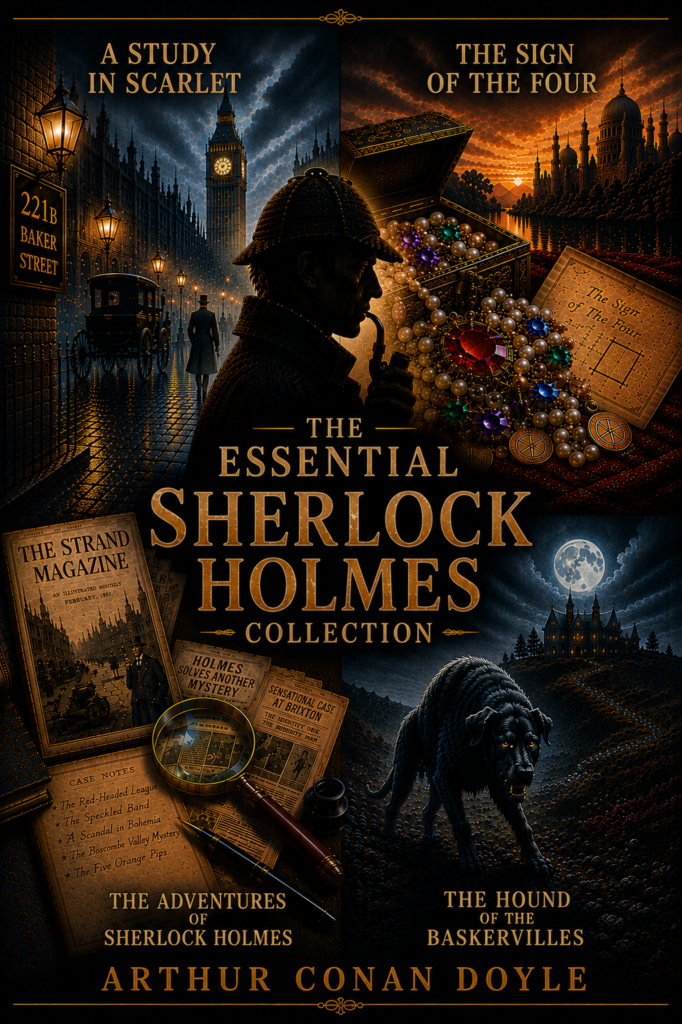
When The Strand Magazine launched in 1891, it was already proving successful. It offered a mix of fiction, articles, illustrations, and entertainment aimed at a growing middle-class audience.
Then Sherlock Holmes arrived.
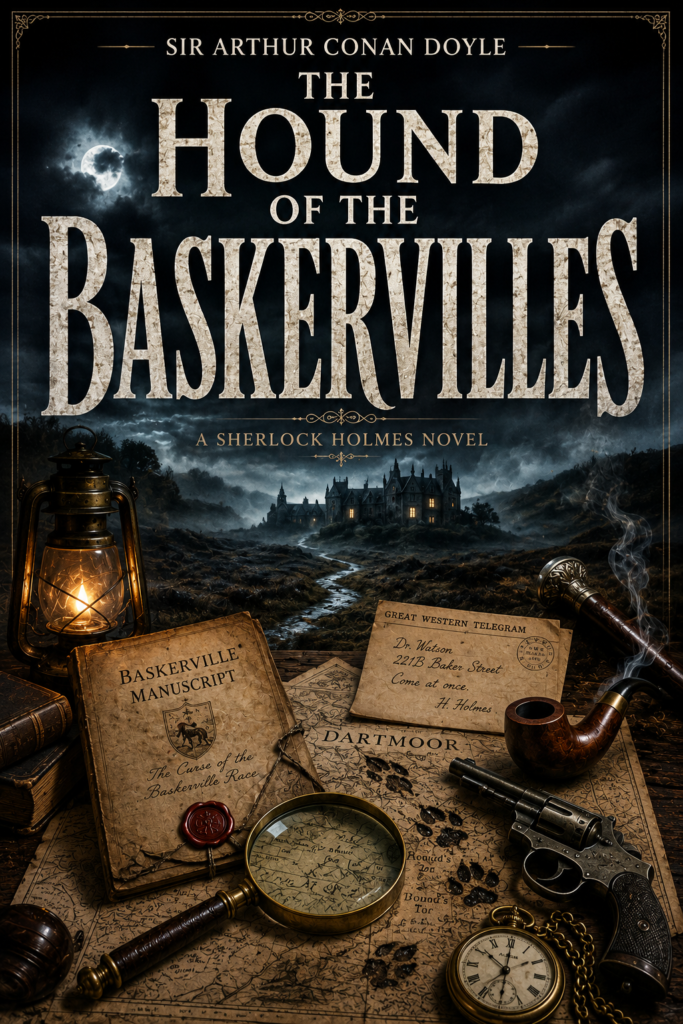
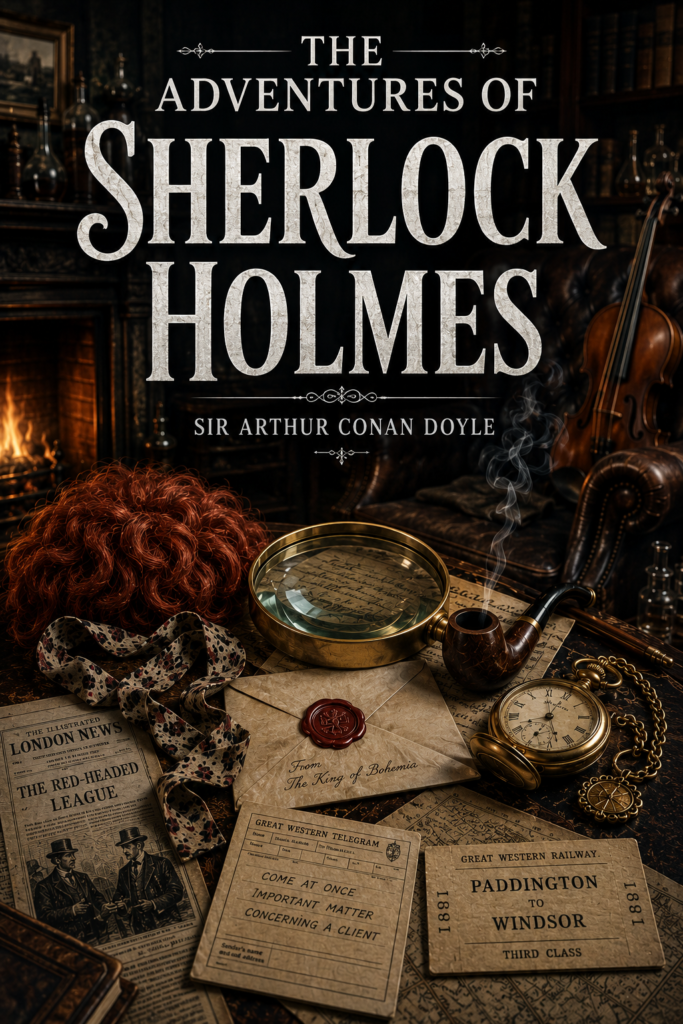
The short stories that later became The Adventures of Sherlock Holmes quickly became one of the magazine’s defining attractions.
Readers eagerly awaited each new case.
The relationship between Holmes and The Strand became mutually beneficial.
The magazine gave Holmes an enormous audience.
Holmes gave readers a reason to keep buying the magazine.
In modern business language, he increased retention.
Publishers in the nineteenth century may not have used terms such as “customer engagement” or “subscriber loyalty,” but they understood the principle perfectly.
A reader invested in Sherlock Holmes was likely to purchase the next issue.
And the one after that.
And the one after that.
The detective did not merely entertain readers.
He created habits.
This is one reason recurring characters became so valuable to publishers. A compelling one-off story might sell a single issue. A beloved recurring character could sell dozens.
Long before cinematic universes and franchise entertainment, publishers had discovered the power of giving audiences characters they never wanted to leave behind.
The Original Fan Communities
One of the biggest misconceptions about modern culture is the belief that fandom began with the internet.
In reality, passionate fan communities existed long before social media, forums, or online discussion groups.
Victorian readers were enthusiastic, opinionated, and deeply invested in the stories they loved.
They discussed novels with friends and family.
They debated theories.
They speculated about future developments.
They argued about characters.
They wrote letters to editors and publishers.
Many readers followed particular authors with the same enthusiasm modern audiences reserve for favorite directors, actors, or television creators.
Serialization amplified this behavior.
A complete novel can be discussed only after it is finished.
A serialized story creates months or years of conversation.
Questions remain unanswered.
Mysteries remain unresolved.
Readers have time to develop theories.
Every new installment provides fresh material for debate.
In many ways, Victorian readers enjoyed something modern binge-watchers often lose.
Time.
Time to think.
Time to speculate.
Time to anticipate.
Time to become emotionally invested.
The waiting was not a flaw in the experience.
It was part of the experience.
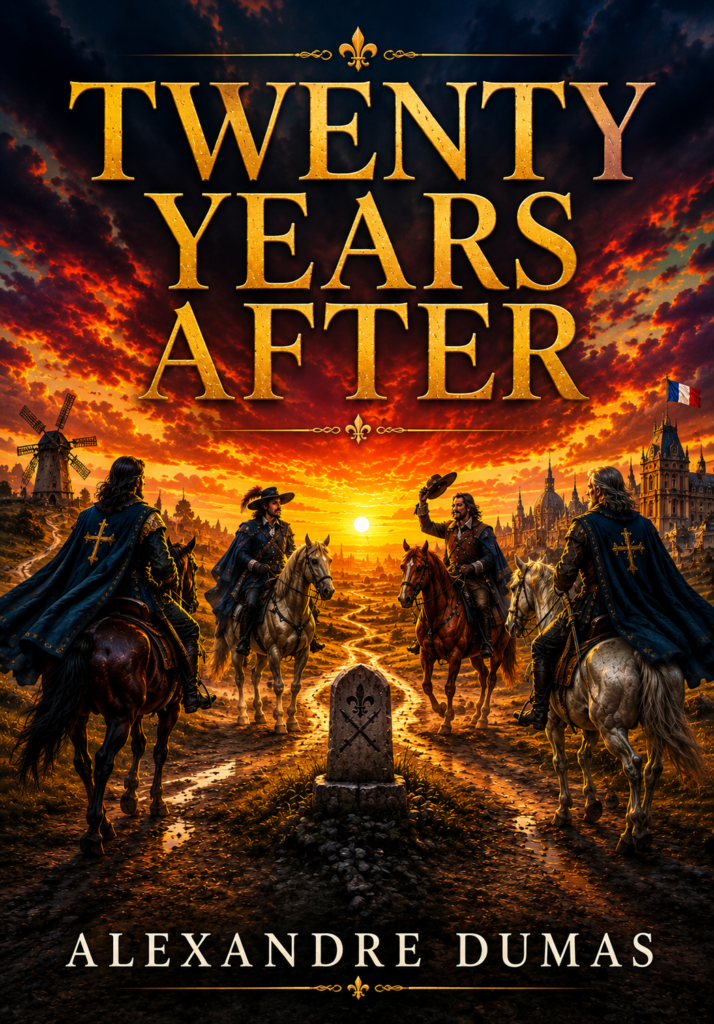
Alexandre Dumas and the Art of Momentum
If Dickens mastered suspense and Doyle mastered recurring characters, Alexandre Dumas mastered momentum.
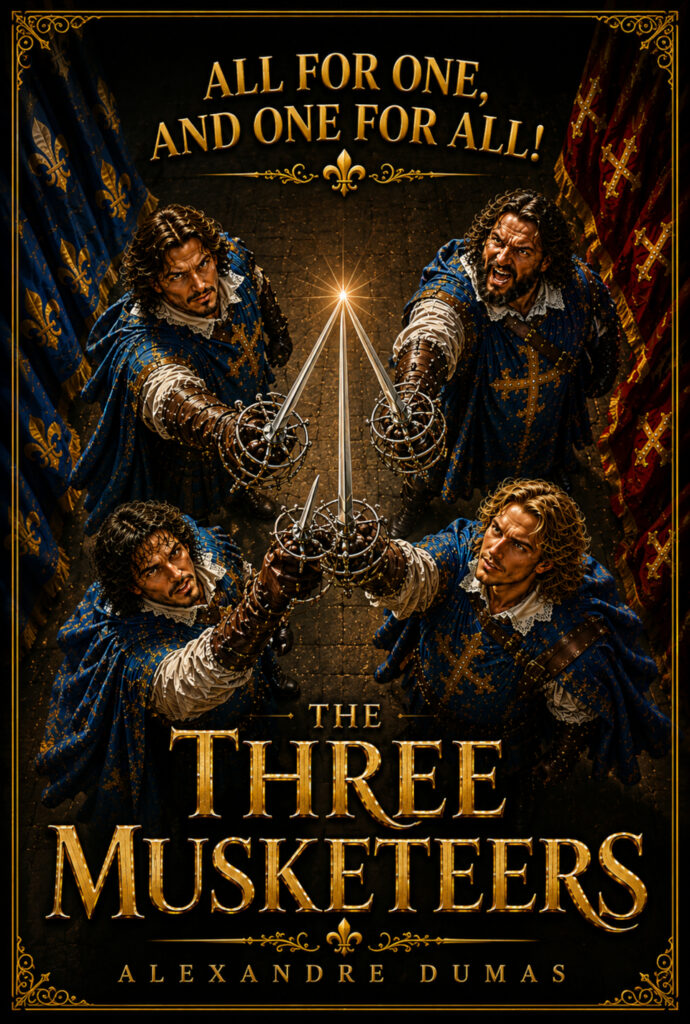
The Three Musketeers and The Count of Monte Cristo remain among the most compulsively readable novels ever written.
Even modern readers frequently comment on how contemporary they feel.
Part of the reason lies in their origins.
These stories were written for serialization.
Dumas understood that every installment needed to persuade readers to return.
A revelation might appear at the perfect moment.
A betrayal might transform the story’s direction.
A duel might begin.
A secret might be uncovered.
A hero might escape danger only to face an even greater threat.
The narrative rarely remains still for long.
Something is always happening.
The result is storytelling with remarkable energy and forward momentum.
Readers constantly feel as though another surprise waits just around the corner.
Modern thriller writers continue to use many of the same techniques.
The principles remain effective because they appeal to something fundamental in human psychology.
Curiosity.
Anticipation.
The desire to know what happens next.
Victorian Analytics Before Analytics Existed
Today publishers have access to extraordinary amounts of information.
They can track sales.
Monitor website traffic.
Analyze conversion rates.
Measure reader engagement.
Observe purchasing patterns.
Victorian publishers lacked all of these tools.
Yet they still needed to answer the same question:
What do readers want?
The answers arrived through different channels.
Magazine circulation increased or declined.
Subscriptions were renewed or cancelled.
Readers sent letters.
Public discussions revealed audience enthusiasm.
Publishers paid close attention.
A story generating excitement was easy to recognize.
A story failing to connect with readers was equally obvious.
In some ways, serialization provided more immediate feedback than traditional book publishing.
Publishers did not need to wait until a novel was complete.
They could observe audience reaction throughout the publication process.
The methods were simpler.
The objective was identical.
Understand the audience.
Give them more of what they love.
What We Lost When Serialization Disappeared
Modern readers enjoy undeniable advantages.
We can purchase complete novels instantly.
We can finish an entire series in a matter of days.
We can move from beginning to end without interruption.
Yet something valuable disappeared alongside serialization.
Shared anticipation.
Victorian readers experienced stories together.
Everyone waited for the next installment.
Everyone speculated about the same mysteries.
Everyone discussed the same characters.
Everyone wondered what would happen next.
Today stories often arrive all at once.
We consume them rapidly and move on.
Victorian readers lived with stories for months or even years.
Characters became familiar companions.
Narratives became part of everyday life.
The anticipation itself generated excitement.
The wait gave stories room to breathe.
It allowed imagination and conversation to flourish.
Perhaps that is why so many serialized classics continue to feel surprisingly alive.
They were not designed to be consumed in a single sitting.
They were designed to become part of their readers’ lives.
Why These Stories Still Feel Modern
More than a century has passed since Dickens, Doyle, and Dumas captivated readers through serialized publication.
The world has changed dramatically.
The technology is almost unrecognizable.
Yet the fundamental appeal of their stories remains intact.
Readers still love suspense.
They still become attached to memorable characters.
They still enjoy solving mysteries.
They still crave emotional payoffs.
They still want reasons to keep turning pages.
The tools of entertainment evolve.
Human psychology evolves much more slowly.
The same storytelling principles that encouraged Victorian readers to buy the next magazine issue now encourage modern audiences to watch the next episode, start the next season, or read one more chapter before bed.
In that sense, the distance between nineteenth-century serial fiction and twenty-first-century streaming entertainment is not nearly as great as it appears.
The platforms are different.
The business models have changed.
The technology is new.
But the secret remains exactly the same.
Leave the audience wanting more.
Charles Dickens understood it.
Alexandre Dumas understood it.
Arthur Conan Doyle understood it.
Long before streaming services existed, these writers had already discovered one of the most powerful truths in entertainment.
A great story does not merely satisfy curiosity.
It creates it.
And that is why readers were willing to wait weeks—or even months—for the next installment.
They simply could not bear not knowing what happened next.
Related Authors
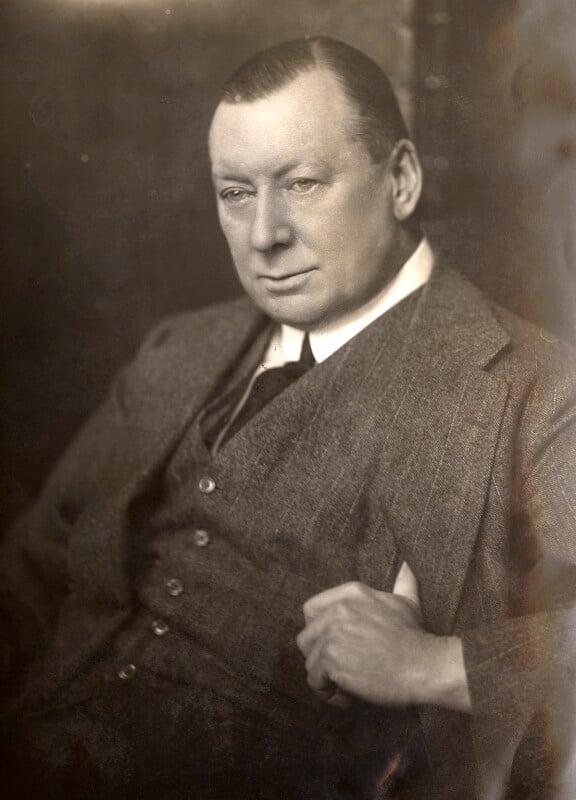
Edward Verrall Lucas
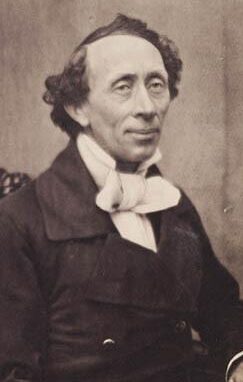
Hans Christian Andersen
Fyodor Dostoevsky

Homer
George Eliot
Brothers Grimm
Mark Twain
William Faulkner
Mary Shelley
H. G. Wells
Articles

What Classic Horror Was Really Trying to Tell Us

Jane Austen vs the Brontë Sisters
100 Editions, Countless Discoveries
Whodunit Better

Classic Literature Quiz (Part 1): How Well Do You Know the Classics?
Why did Mark Twain not like James Fenimore Cooper?
Have the Jane Austen Movies Replaced the Books?

Why I Hate Shakespeare
Why Jane Austen Remains So Popular