
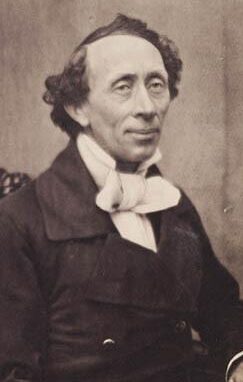
Hans Christian Andersen
The Storyteller Who Taught Generations to Dream
Few authors have captured the imagination of readers quite like Hans Christian Andersen. Nearly two centuries after his stories first appeared in print, children still discover The Little Mermaid, The Ugly Duckling, The Snow Queen, and The Emperor’s New Clothes, while adults continue to find new meaning in the tales they first encountered years earlier.
Today, Andersen is remembered as one of the world’s greatest storytellers. Yet his journey to literary immortality began not in a royal palace or wealthy household, but in poverty. Like many of the heroes and dreamers who would later populate his stories, Andersen began life with little more than imagination, determination, and an extraordinary belief that something greater was possible.
A Boy With Big Dreams
Hans Christian Andersen was born in 1805 in the Danish city of Odense. His father was a shoemaker, and his family lived in modest circumstances. Although money was scarce, Andersen’s childhood was rich in stories, books, theatre, and imagination.
From an early age, he dreamed of a life beyond the narrow opportunities available to him. He loved storytelling, reciting plays, and imagining distant worlds. While other children played games, Andersen often found himself lost in books or creating stories of his own.
His dreams were ambitious, perhaps even unrealistic. Yet they would shape the course of his entire life.
At the age of fourteen, Andersen left his hometown and travelled to Copenhagen, the capital of Denmark, hoping to build a career in the arts. The decision required remarkable courage. He possessed little money, few connections, and no guarantee of success.
For several years he struggled. He pursued opportunities in theatre and music, experienced repeated disappointments, and often lived with uncertainty about his future. Yet he continued to believe that he was destined to achieve something meaningful.
That determination would eventually change not only his life, but the world of literature itself.
Andersen’s Own Ugly Duckling Story
Of all Andersen’s fairy tales, none feels more closely connected to his own life than The Ugly Duckling.
The story follows a young bird who feels out of place wherever he goes. Mocked, rejected, and misunderstood, he struggles to find acceptance until he finally discovers that he was never an ugly duckling at all, but a beautiful swan.
Many readers see this story as a reflection of Andersen’s own experiences.
As a young man, Andersen often felt like an outsider. He came from a humble background and lacked the social advantages enjoyed by many of his contemporaries. His unusual appearance, sensitive personality, and ambitious dreams frequently made him feel different from those around him.
Yet he persisted.
Over time, the awkward young dreamer from Odense transformed into one of the most celebrated writers of his age. The parallels between Andersen and his famous duckling are difficult to ignore.
Like the character he created, Andersen eventually found his place in the world.
Related Novels
Treasure Island
The Adventures of Tom Sawyer
Hans Christian Andersen’s Fairy Tales
The Essential Oz Collection
Alice in Wonderland
Grimms Fairy Tales

Journey to the Center of the Earth
Nancy Drew: The Original 1930 Mysteries
Around the World in Eighty Days
The Man Who Reinvented the Fairy Tale
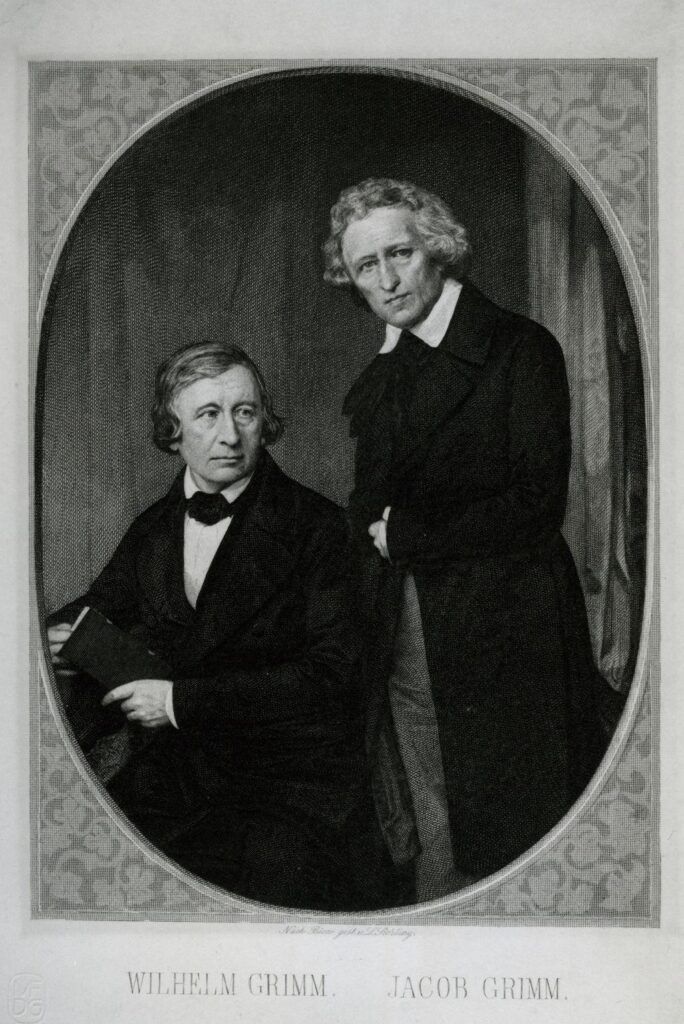
When people hear the phrase “fairy tale,” they often think of ancient folk stories passed down through generations. Many famous collections, such as those gathered by the Grimm brothers, were based on stories that already existed in oral tradition.
Andersen took a different approach.
Rather than simply collecting old tales, he created many of his most famous stories himself.
The Little Mermaid, The Snow Queen, The Ugly Duckling, Thumbelina, The Nightingale, and The Steadfast Tin Soldier were not ancient folk tales handed down through centuries. They were original literary creations shaped by Andersen’s imagination, experiences, and observations of human nature.
This was revolutionary.
Andersen helped transform the fairy tale from a form of folklore into a respected literary genre. His stories retained the wonder and enchantment of traditional fairy tales while introducing greater emotional depth, psychological insight, and literary sophistication.
In doing so, he became one of the pioneers of the literary fairy tale.
Why Andersen’s Stories Feel Different
Readers often notice that Andersen’s fairy tales feel different from many modern adaptations.
His stories are not simply cheerful adventures with guaranteed happy endings. They frequently explore loneliness, sacrifice, longing, courage, disappointment, and hope. Joy and sorrow often exist side by side.
The Little Mermaid, for example, is far more complex than many modern retellings. It is a story about love, sacrifice, identity, and the desire to become something greater than oneself.
The Snow Queen explores friendship, loyalty, and perseverance in the face of seemingly impossible obstacles.
Even The Emperor’s New Clothes, often remembered as a humorous story, carries a timeless lesson about honesty, pride, and the courage to speak the truth.
This emotional richness is one reason Andersen’s stories continue to resonate with readers of all ages.
Children enjoy the adventure and imagination. Adults appreciate the deeper themes hidden beneath the surface.
Five Fairy Tales That Changed the World
Many authors write successful books. Few create stories that become part of global culture.
Andersen achieved exactly that.
The Little Mermaid
One of the most famous fairy tales ever written, inspiring countless adaptations and introducing generations of readers to a story of love, sacrifice, and transformation.
The Ugly Duckling
A timeless tale of self-discovery and belonging that continues to encourage readers who feel different or misunderstood.
The Emperor’s New Clothes
A story whose title has become part of everyday language, reminding us of the dangers of pride and conformity.
Thumbelina
A charming adventure that celebrates courage, kindness, and resilience in the face of overwhelming odds.
The Snow Queen
An epic fairy tale of friendship and determination that remains one of Andersen’s greatest literary achievements.
These stories have crossed borders, languages, and generations. They are read in classrooms, shared at bedtime, adapted for stage and screen, and passed from one family to the next.
Few writers have left such a lasting legacy.
Related Authors
The Legacy of a Dreamer
Hans Christian Andersen died in 1875, but his stories continue to live on.
Nearly two hundred years after they were first written, readers around the world still discover his work for the first time. Parents share his stories with children. Grandparents pass them on to new generations. Teachers introduce them in classrooms. Readers return to them throughout their lives.
What makes Andersen’s achievement so remarkable is that it began with a boy who dared to dream beyond the circumstances into which he was born.
The child who grew up in poverty became one of the most widely read authors in history.
The young dreamer who longed for a larger world created stories that would travel far beyond anything he could have imagined.
And the storyteller who once sat in a small Danish town continues to inspire wonder, imagination, and hope in readers around the globe.
That is why Hans Christian Andersen remains more than a famous author.
He remains the storyteller who taught generations to dream.
Related Authors
Articles

Why Jane Austen Remains So Popular

Classic Literature Quiz (Part 1): How Well Do You Know the Classics?
When Novels Were Released Like a TV Series

Jane Austen vs the Brontë Sisters
Why did Mark Twain not like James Fenimore Cooper?

Have the Jane Austen Movies Replaced the Books?

Why I Hate Shakespeare
Whodunit Better