Crime & Mystery:
Following the Clues
Every mystery begins with a question.
A missing inheritance. A locked room. A suspicious stranger. A secret hidden for years. A crime that appears impossible to solve.
Before there are clues, suspects, detectives, or dramatic revelations, there is simply uncertainty. Something does not make sense. Something is missing. Something is waiting to be discovered.
Perhaps that is why mystery fiction remains one of the most enduring and beloved genres in literature.
Long after fashions change and literary trends come and go, readers continue to return to crime and mystery stories for the same reason they always have: the irresistible desire to know the truth.
The Pleasure of Solving the Puzzle
Unlike many genres, mystery fiction invites readers to participate.
Adventure stories ask us to follow a hero on a journey.
Romance novels ask us to invest in relationships.
Historical fiction transports us to another time and place.
Mystery fiction asks something different.
It asks us to pay attention.
Every conversation might contain a clue. Every detail might matter. Every character might be hiding something important.
Readers become investigators, weighing evidence, questioning motives, and forming theories long before the detective reaches a conclusion.
There is a unique satisfaction in following the clues and attempting to solve the puzzle for yourself. Sometimes we succeed. More often, the author stays one step ahead. Yet even when we guess incorrectly, the journey remains enormously rewarding.
The best mysteries challenge us to think more carefully, observe more closely, and question our assumptions.
Why We Love Secrets
At the heart of every mystery lies a secret.
Someone knows more than they are willing to reveal.
Someone is hiding the truth.
Someone has a reason to keep others from discovering what really happened.
Secrets create tension because they transform ordinary situations into something far more intriguing.
A quiet village becomes a place of hidden rivalries.
A family gathering becomes a web of concealed motives.
A chance encounter becomes the beginning of a larger mystery.
Readers instinctively understand that beneath the surface of everyday life lies another story waiting to be uncovered.
Mystery fiction gives us the opportunity to discover that hidden story.
The Many Faces of Mystery Fiction
One reason the genre has endured for so long is its remarkable variety.
Not all mysteries are alike. Different authors approach crime and investigation in very different ways, allowing readers to discover the style that appeals most to them.
The Great Detective
Some mysteries focus on brilliant detectives whose powers of observation reveal what others overlook.
These stories reward logic, deduction, and careful attention to detail. Readers are challenged to follow the detective’s reasoning and see whether they can reach the solution first.
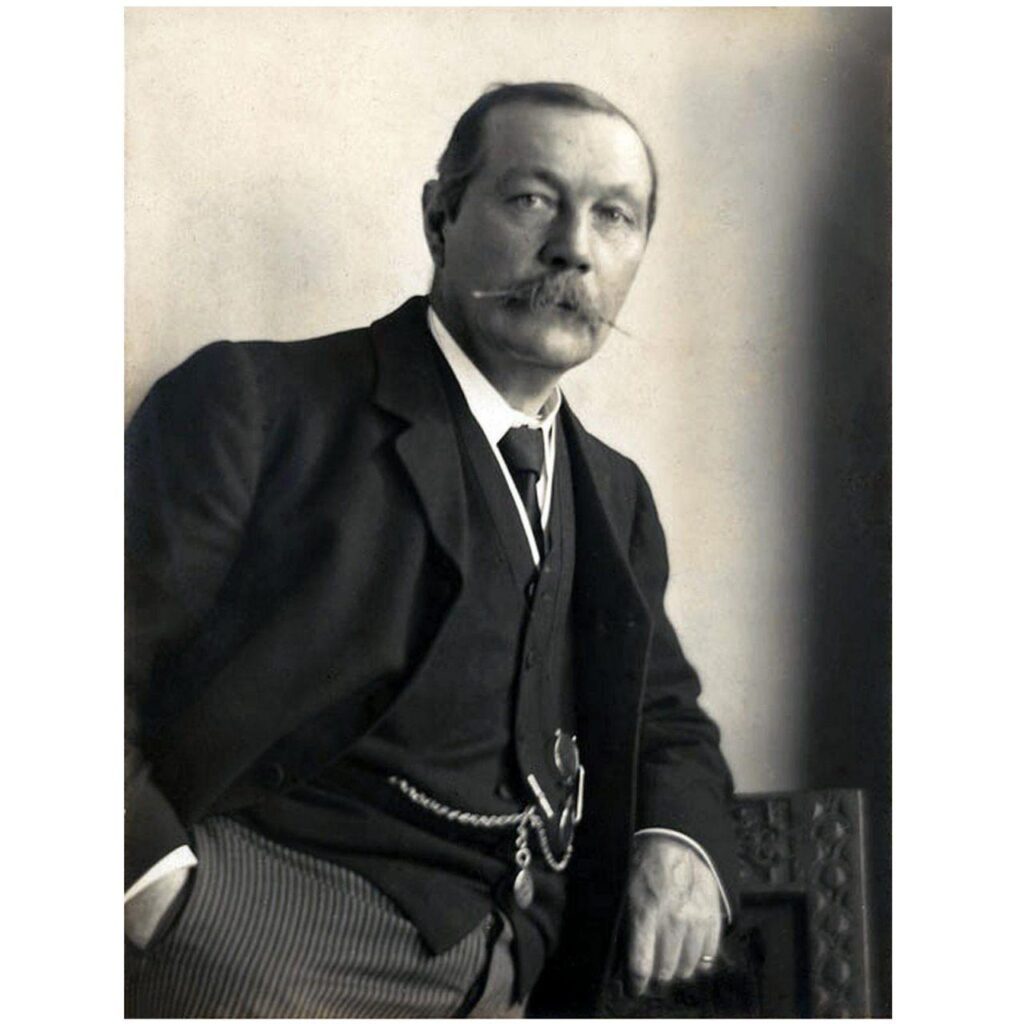
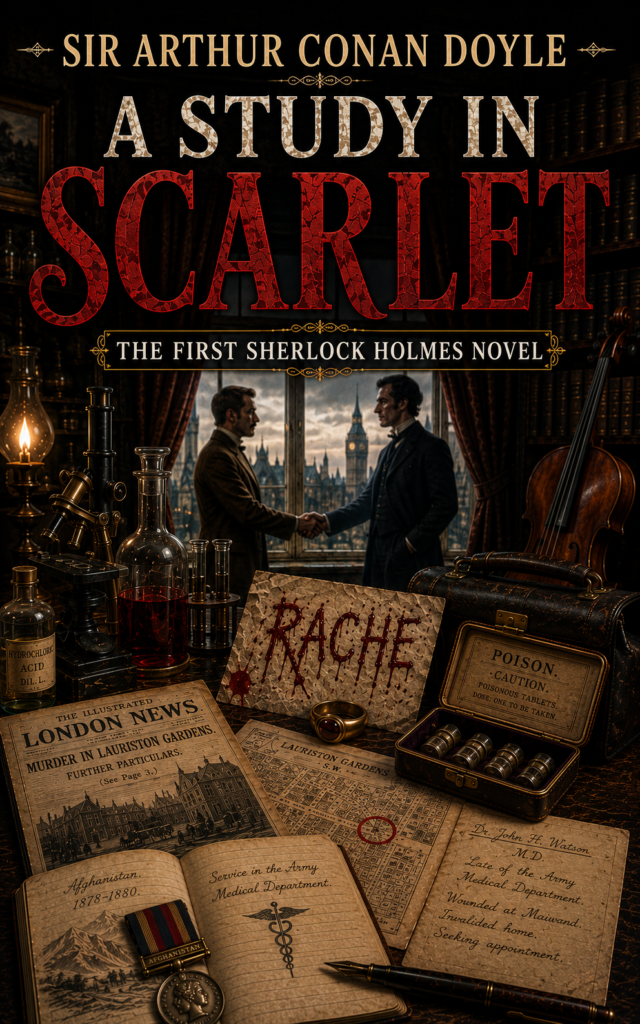
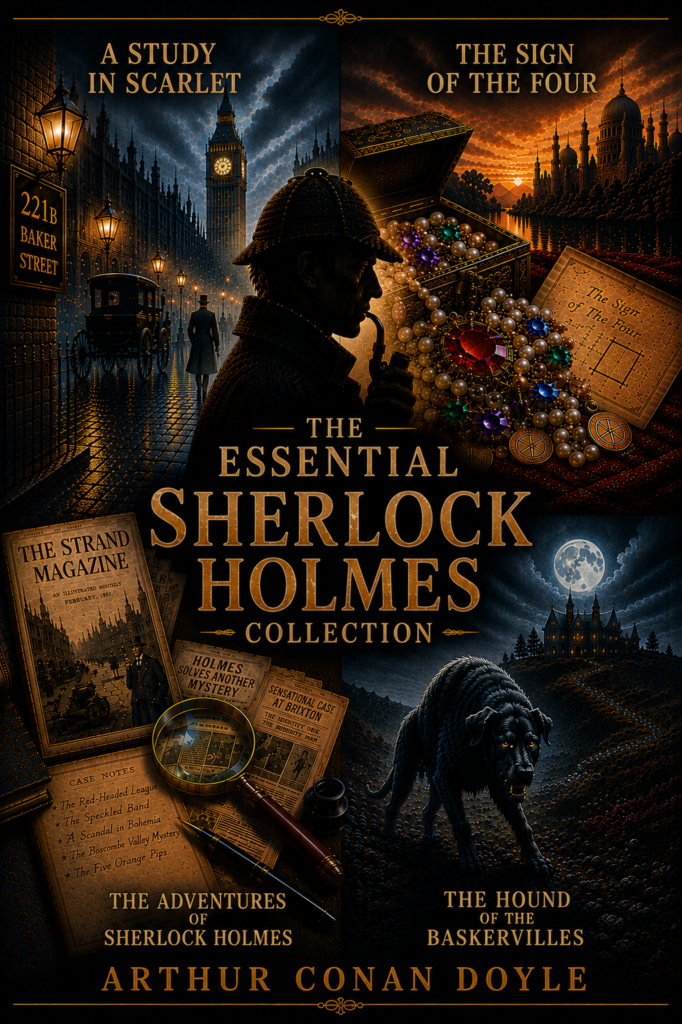
No fictional detective has influenced the genre more than Sherlock Holmes. His investigations established many of the traditions that continue to shape detective fiction today, from careful observation to the importance of seemingly insignificant clues.
The Perfect Puzzle
Other mysteries are constructed as elaborate intellectual challenges.
A crime occurs.
A group of suspects emerges.
Clues are scattered throughout the story.
The reader is invited to solve the puzzle before the final revelation.
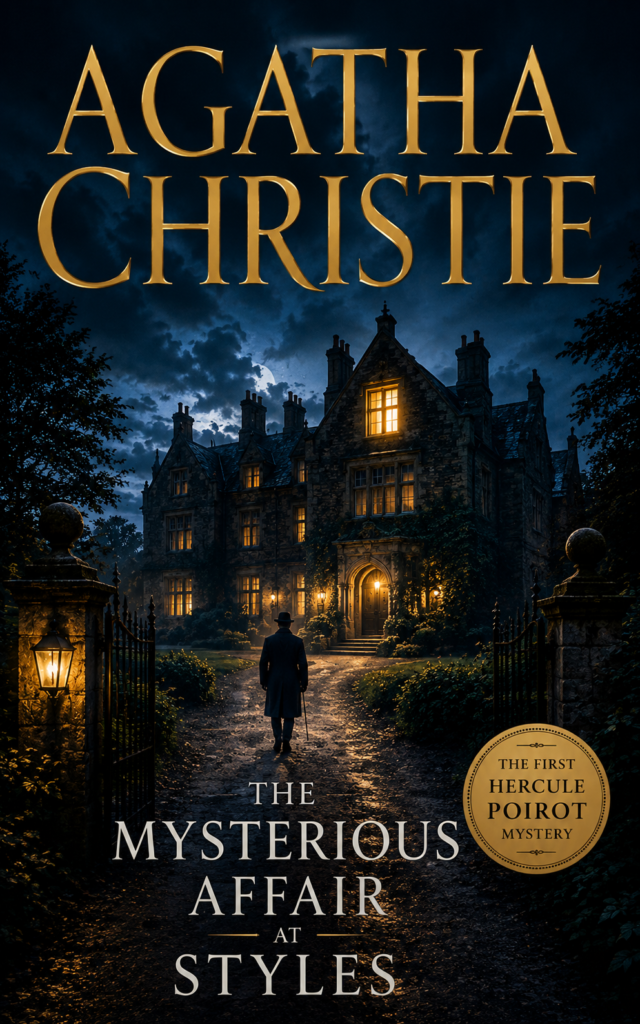
No author mastered this approach more completely than Agatha Christie. Through unforgettable characters such as Hercule Poirot and Miss Marple, Christie transformed mystery fiction into a game between author and reader, one that continues to captivate audiences around the world.
The Fearless Investigator
Not every mystery requires a professional detective.
Some of the most enjoyable investigations are carried out by determined individuals who refuse to accept easy answers.
Curiosity, courage, and persistence become as important as formal training.
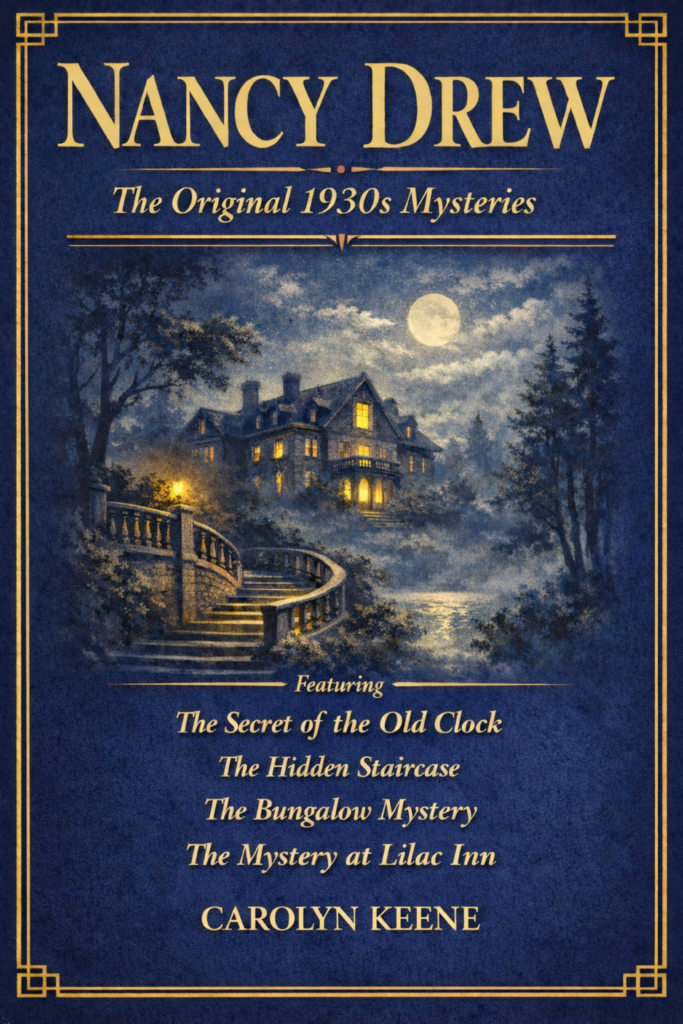
Nancy Drew introduced generations of readers to this type of mystery. Her adventures demonstrate that determination and intelligence can uncover secrets just as effectively as experience and expertise.
The Hard-Boiled Detective
Some mysteries leave behind country houses and village gossip in favour of dangerous streets, corruption, and moral ambiguity.
These stories are often darker, grittier, and more realistic.
The detective is not simply solving a puzzle but navigating a world where deception, greed, and violence are everyday realities.
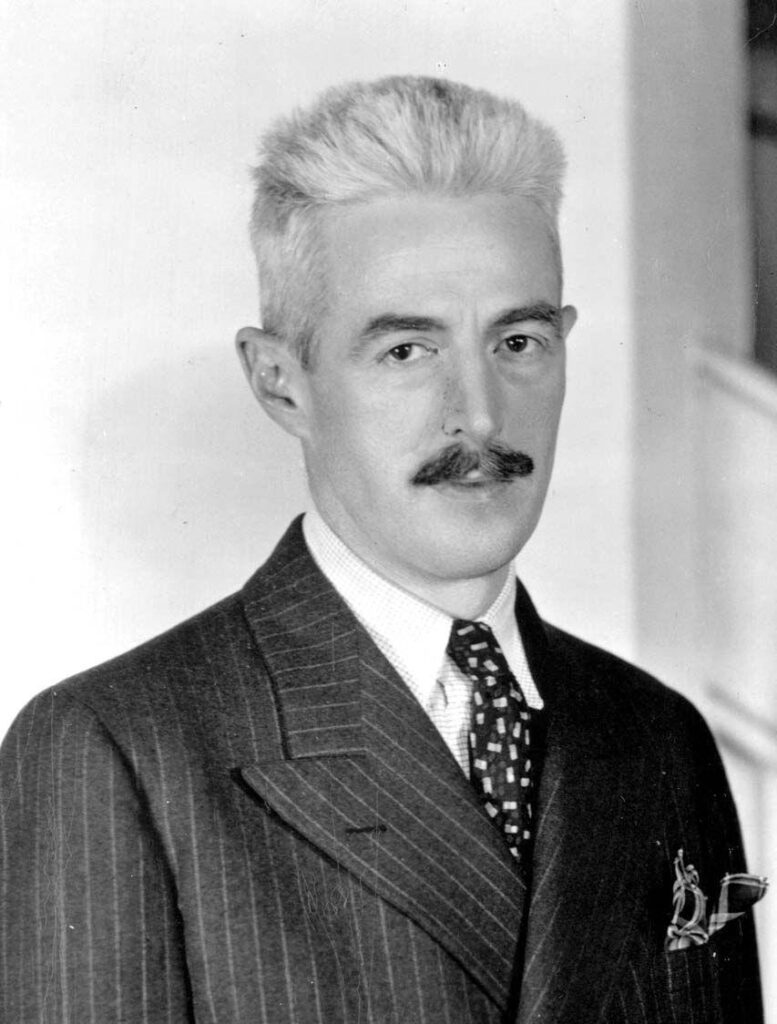
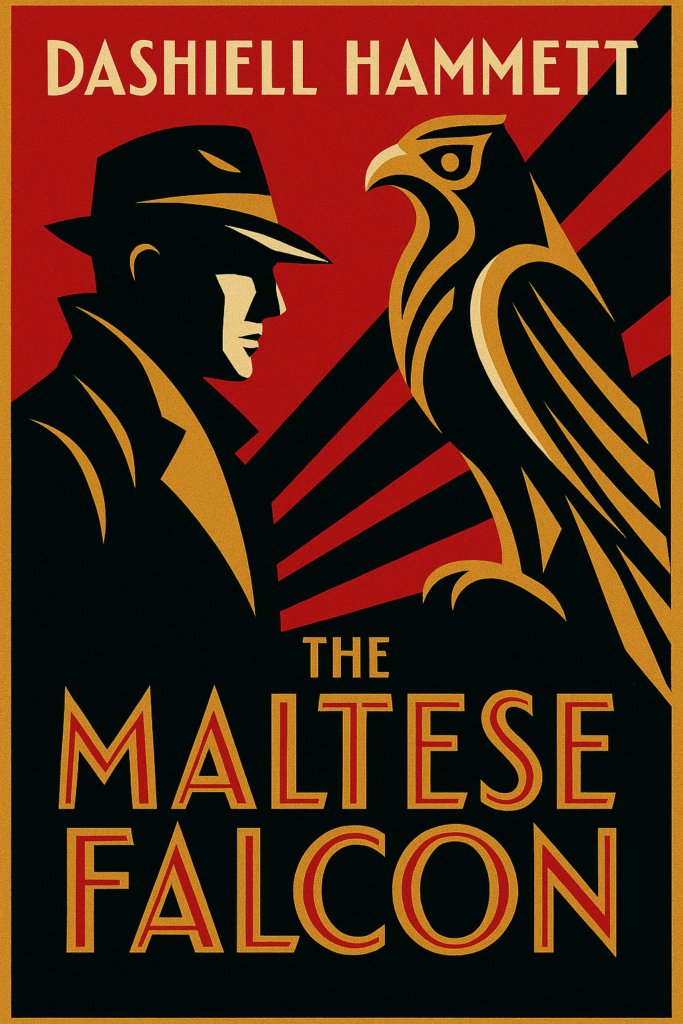
Dashiell Hammett helped define this style of crime fiction, creating stories that continue to influence detective novels, films, and television series today.
More Than Crime
Despite the genre’s name, the best mysteries are rarely about crime alone.
They are about people.
The crime may begin the story, but the investigation reveals something deeper.
Ambition.
Jealousy.
Love.
Fear.
Greed.
Loyalty.
Regret.
The detective’s search for answers becomes a search for understanding. As clues accumulate and secrets emerge, readers gain insight into the motivations that drive ordinary people to make extraordinary choices.
This focus on human nature is one reason classic mysteries remain relevant long after their original publication.
Technology changes.
Society changes.
Human behaviour changes far less.
The emotions that drive mystery fiction remain just as powerful today as they were a century ago.
Why Readers Keep Coming Back
A great mystery offers something rare.
It combines intellectual satisfaction with emotional engagement.
Readers care about the outcome not only because they want to solve the puzzle but because they become invested in the characters and the world they inhabit.
Even after reaching the final page, many readers return to their favourite mysteries again and again.
Knowing the solution does not diminish the experience.
Instead, it reveals the craftsmanship hidden beneath the surface.
The clues that once seemed insignificant become obvious.
The misdirection becomes easier to appreciate.
The author’s skill becomes even more impressive.
This ability to reward repeated reading helps explain why classic mystery novels continue to attract new generations of readers.
Following the Clues
Whether the mystery unfolds in a foggy London street, a quiet English village, a dangerous city alley, or a seemingly ordinary small town, every great crime story begins in the same way.
Something is wrong.
A question demands an answer.
The clues are scattered.
The truth is hidden.
And somewhere among the suspects, secrets, and unanswered questions lies the solution.
For readers willing to look closely, follow the evidence, and question what seems obvious, few genres offer greater rewards than crime and mystery fiction.
The clues are waiting.
The only question is whether you can solve the mystery before the final page.
Featured Authors


Related Novels

Articles

Classic Literature Quiz (Part 1): How Well Do You Know the Classics?

Jane Austen vs the Brontë Sisters

Have the Jane Austen Movies Replaced the Books?
Whodunit Better

What Classic Horror Was Really Trying to Tell Us

Why did Mark Twain not like James Fenimore Cooper?

Why Jane Austen Remains So Popular

Why I Hate Shakespeare