
Aliens, Incredible Machines, and Monsters:
But Classic Science Fiction Was Always About Us
Mention the phrase science fiction, and many readers immediately picture alien worlds, advanced technology, impossible machines, and visions of the distant future. Modern science fiction is often associated with starships crossing galaxies, artificial intelligences surpassing human understanding, and technologies capable of reshaping entire civilizations. It is therefore easy to assume that the defining characteristic of science fiction has always been its fascination with scientific progress and technological innovation.
Yet the great pioneers of classic science fiction were often interested in something far more enduring than the inventions that appeared within their stories.
Related Novels
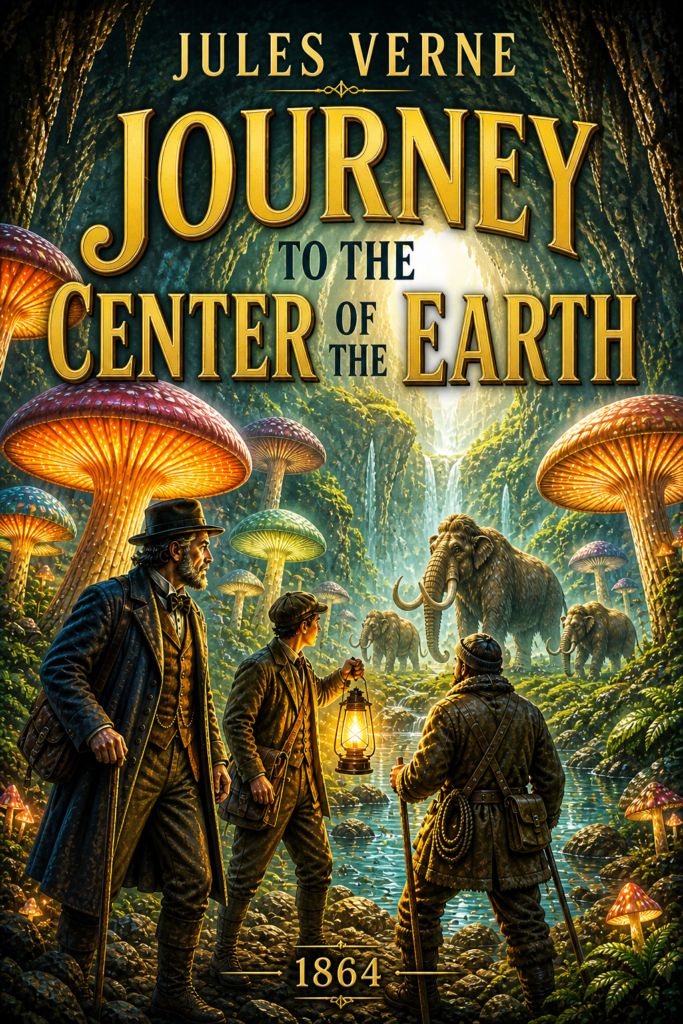
Journey to the Center of the Earth
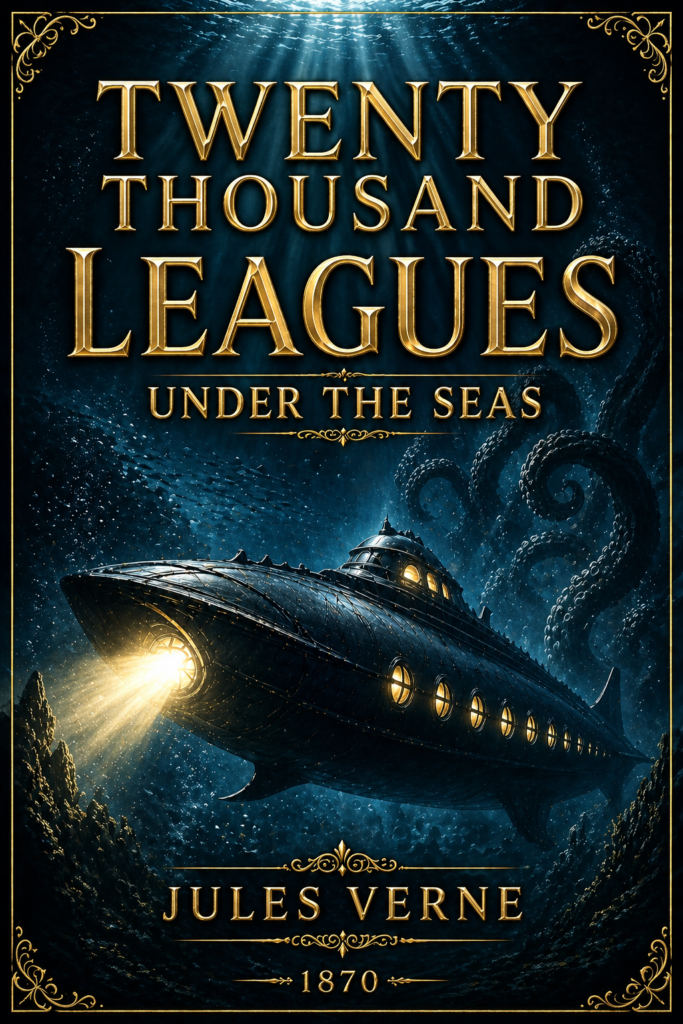
Twenty Thousand Leagues Under the Seas
Frankenstein
H. G. Wells: Science Fiction Classics
The War of the Worlds
The Time Machine

The Invisible Man
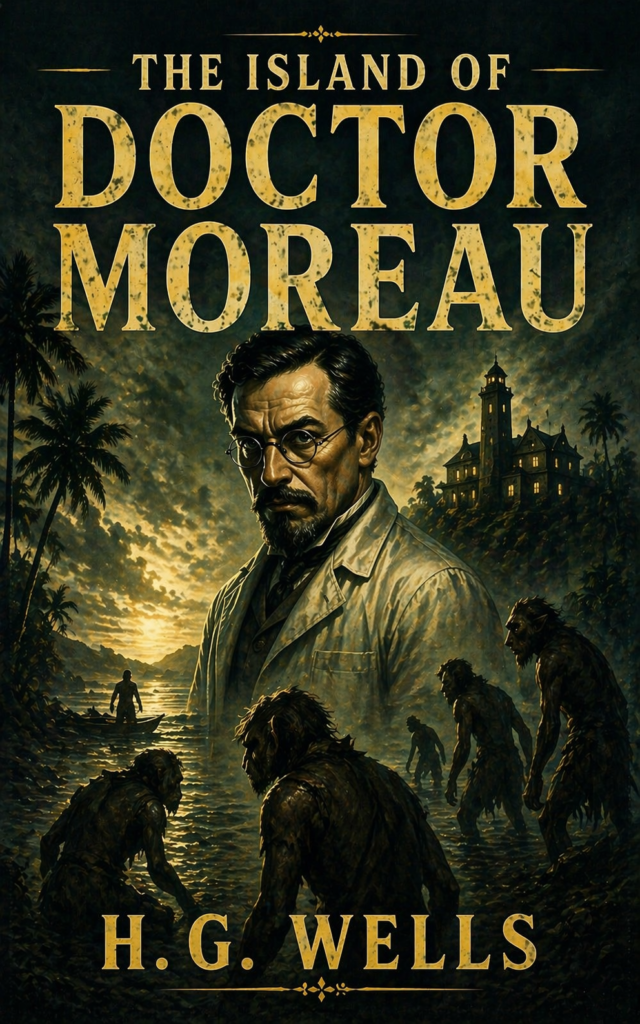
The Island of Doctor Moreau
Readers frequently remember the Martians of The War of the Worlds, the extraordinary machine at the centre of The Time Machine, the strange experiments of The Island of Doctor Moreau, or the remarkable submarine of Twenty Thousand Leagues Under the Seas. These imaginative concepts undoubtedly helped establish science fiction as one of literature’s most distinctive genres. However, to focus exclusively on these inventions and discoveries is to overlook the questions that truly concerned their authors.
The most influential works of classic science fiction rarely ask, What will humanity invent next? Instead, they ask, What kind of people will we become when confronted with new possibilities?
This distinction is subtle but important.
The extraordinary technologies and scientific breakthroughs found within classic science fiction are seldom presented as ends in themselves. Rather, they function as thought experiments that allow authors to examine questions that have occupied philosophers, theologians, and writers for centuries. Questions concerning responsibility, power, ambition, morality, justice, progress, and the nature of humanity itself.
In many respects, the science is merely the mechanism that allows the deeper discussion to occur.
A machine that can travel through time becomes a means of exploring the consequences of social inequality. An invisible man becomes an opportunity to examine the relationship between power and accountability. A brilliant scientist who creates life becomes a vehicle for investigating responsibility and moral obligation. Even an alien invasion can become a study of human vulnerability, fear, and the assumptions civilizations make about their own superiority.
This is one of the reasons why so many classic science fiction novels continue to feel remarkably relevant despite their age.
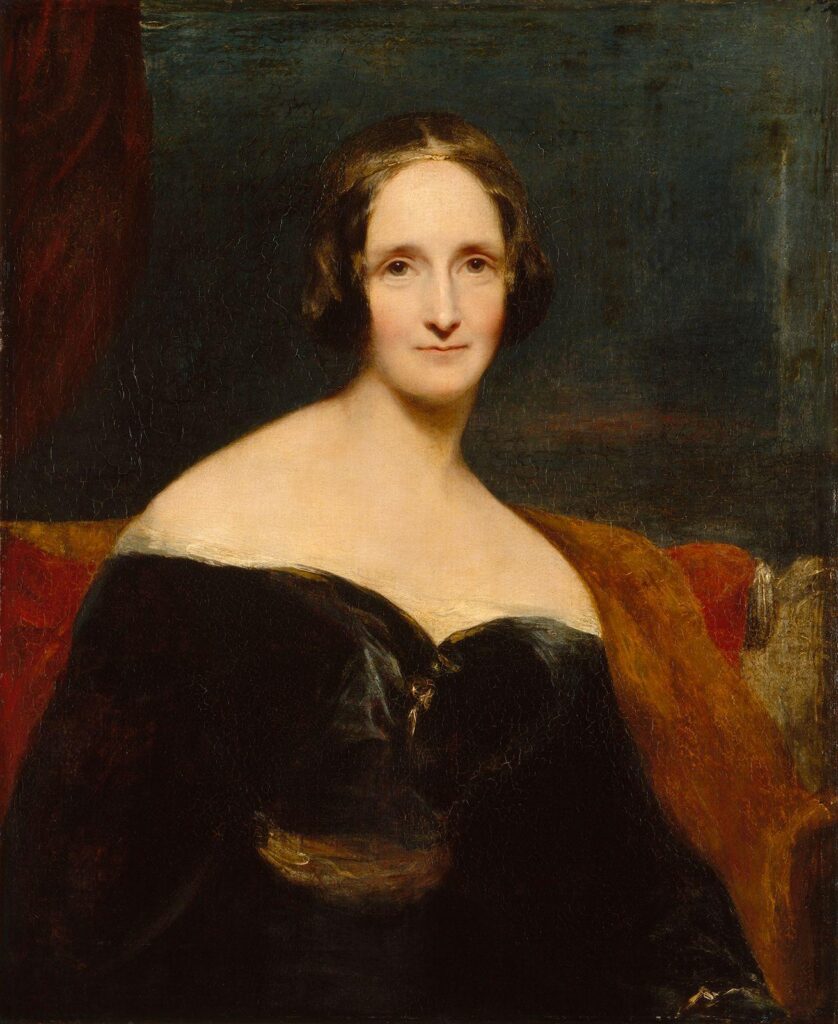
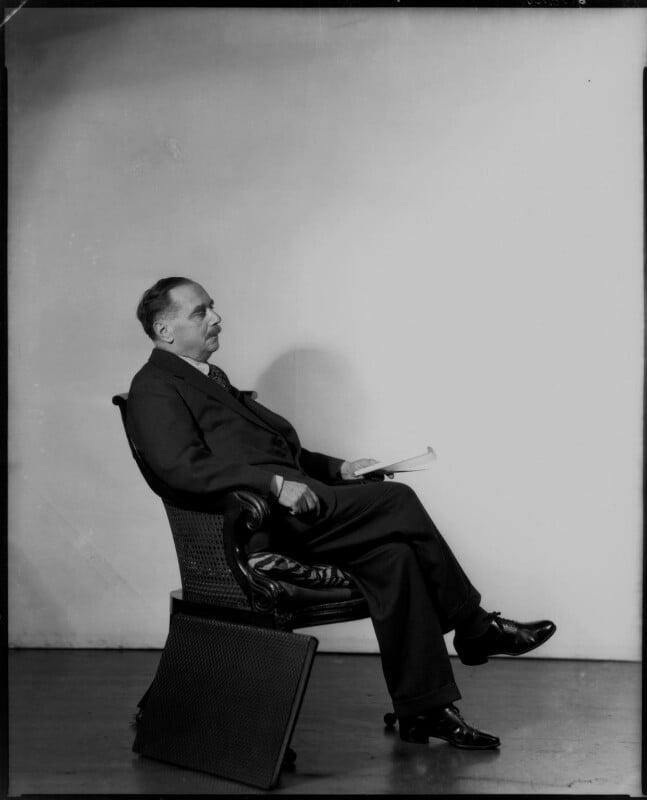
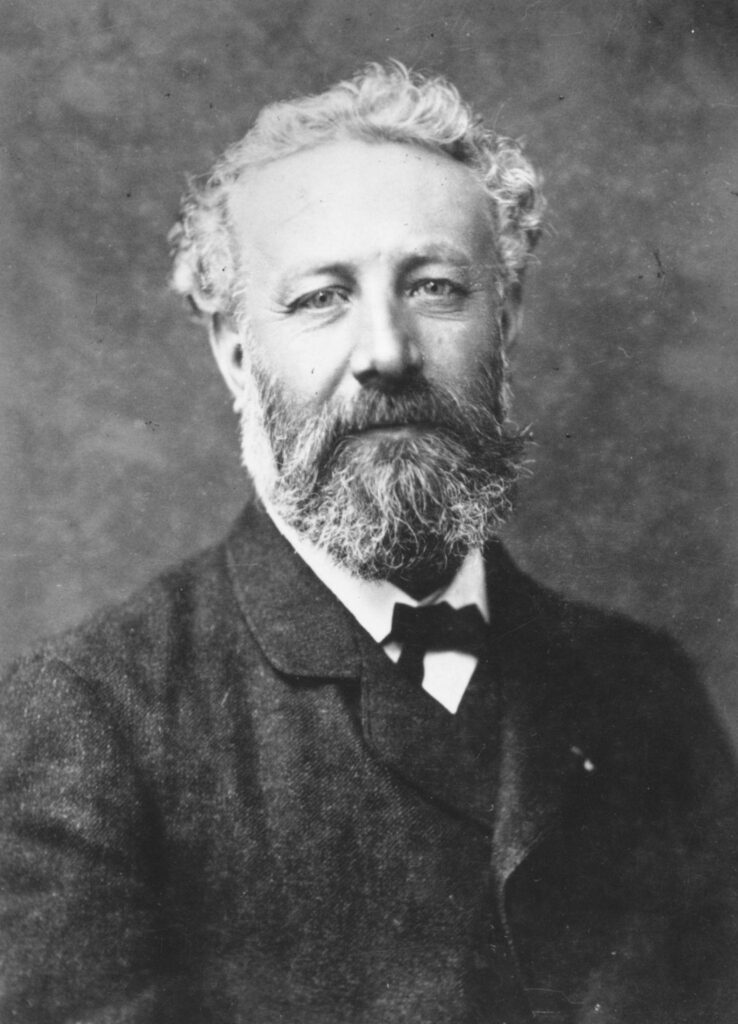
The scientific details may become outdated. Predictions may prove inaccurate. Technologies once imagined as revolutionary may eventually appear quaint. Yet the moral and ethical questions at the heart of these stories remain surprisingly modern. The debates surrounding artificial intelligence, genetic engineering, surveillance technologies, automation, and scientific experimentation often echo concerns that writers such as Mary Shelley, Jules Verne, and H. G. Wells were already exploring more than a century ago.
The enduring power of classic science fiction therefore lies not in its ability to predict the future, but in its ability to illuminate human nature.
Beneath the aliens, incredible machines, and monsters lies something far more familiar: ourselves.
What Responsibilities Come With Knowledge?
Few questions appear more frequently throughout classic science fiction than the relationship between knowledge and responsibility.
Throughout history, scientific discovery has transformed human civilization. Advances in medicine, engineering, transportation, and communication have improved countless lives. Yet scientific progress has also introduced difficult moral questions. Should every discovery be pursued simply because it is possible? Does the acquisition of knowledge automatically justify its use? Are there limits that should constrain scientific ambition?
These questions lie at the heart of many of the genre’s earliest and most influential works.
One of the recurring themes within classic science fiction is the tension between capability and wisdom. The stories often present individuals who possess extraordinary intelligence, remarkable determination, or access to unprecedented discoveries. Yet possessing knowledge is rarely portrayed as the same thing as possessing wisdom. In fact, many classic science fiction authors appear deeply interested in exploring what happens when the pursuit of knowledge becomes detached from ethical responsibility.
This concern remains remarkably relevant today. Modern debates surrounding artificial intelligence, genetic engineering, biotechnology, and automation frequently involve the same fundamental question: if humanity gains the ability to do something extraordinary, what obligations accompany that power?
Classic science fiction rarely provides simple answers. Instead, it invites readers to consider the consequences of scientific achievement in the absence of moral restraint.
Scientific discovery itself is seldom presented as inherently dangerous. Curiosity, innovation, and exploration are often portrayed as admirable qualities. The problem arises when ambition begins to eclipse responsibility.
Knowledge expands human capability. Wisdom determines how that capability is used.
This distinction appears repeatedly throughout the genre and forms one of the central moral foundations upon which classic science fiction was built.
What Happens When Power Escapes Accountability?
Another ethical question that appears repeatedly throughout classic science fiction concerns the relationship between power and accountability.
Civilized societies depend upon rules, laws, social expectations, and institutions that limit individual power. These structures do not merely prevent wrongdoing; they help ensure that power remains connected to responsibility. Throughout history, philosophers and political thinkers have recognized that power without oversight often becomes dangerous, regardless of the intentions of the individual who possesses it.
Classic science fiction frequently removes those constraints and asks a simple but profound question:
What happens when someone gains power without meaningful accountability?
This question appears in many forms throughout the genre. Sometimes the power is technological. Sometimes it is scientific. Sometimes it stems from knowledge unavailable to others. Whatever form it takes, the underlying concern remains remarkably consistent.
Science fiction allows authors to create circumstances in which ordinary limitations disappear. Individuals gain abilities beyond those of their fellow human beings. They become capable of acting without detection, influencing events without interference, or placing themselves beyond the reach of conventional authority.
The genre then observes what follows.
One of the reasons these stories remain compelling is that they rarely present power as a simple good or evil. Instead, they explore how power reveals character. It exposes motives, amplifies desires, and tests ethical principles. Individuals who appear reasonable under ordinary circumstances may behave very differently when no longer subject to ordinary constraints.
This theme remains particularly relevant in the modern world. Advances in surveillance technology, artificial intelligence, social media, and data collection have created new forms of influence and power that previous generations could scarcely imagine. Questions concerning who should possess such power and how it should be regulated continue to shape contemporary debates.
Classic science fiction anticipated these concerns long before the technologies themselves existed.
The stories remind readers that technological change does not eliminate ethical responsibility. If anything, it makes that responsibility more important.
The challenge is not merely determining what humanity can do. The challenge is ensuring that power remains connected to wisdom, restraint, and accountability.
How Do Today’s Choices Shape Tomorrow?
Science fiction is often described as literature of the future.
In reality, classic science fiction is frequently literature of the present disguised as literature of the future.
One of the genre’s most effective techniques involves projecting contemporary concerns forward in time. Rather than attempting to predict the future with scientific precision, authors imagine how current trends, social structures, and human behaviours might develop if left unchecked.
The result is not prediction in the strict sense.
It is reflection.
The future becomes a mirror through which readers can examine the present.
This approach allows science fiction to address difficult social questions indirectly. Instead of arguing about contemporary politics, economics, or social structures, authors can imagine worlds shaped by the long-term consequences of those forces. Readers are then invited to consider whether such outcomes are desirable, inevitable, or avoidable.
This technique remains one of the genre’s greatest strengths.
By distancing readers from their own time and place, science fiction often makes familiar assumptions appear strange. Ideas that might otherwise be accepted without question become visible and open to examination.
The future therefore serves an important ethical purpose.
It encourages long-term thinking.
Many human decisions are made with immediate concerns in mind. Individuals, organizations, and governments often focus on short-term outcomes while neglecting distant consequences. Science fiction challenges this tendency by asking readers to imagine what today’s choices may mean decades, centuries, or even millennia into the future.
The resulting questions are not technological.
They are moral.
What kind of society are we building?
What values are we passing on?
What assumptions are we embedding into our institutions?
What future are our present choices creating?
These questions remain as relevant today as they were when the earliest science fiction authors first began exploring them.
How Do We Behave When We Are No Longer the Powerful Ones?
Human beings have a remarkable tendency to view themselves as the centre of events.
Nations often assume their institutions are permanent. Civilizations frequently believe their dominance is secure. Individuals naturally view the world from their own perspective and may struggle to imagine how events appear to others.
Classic science fiction often challenges these assumptions by placing humanity in unfamiliar positions.
One of the genre’s most powerful techniques involves reversing established power relationships.
Instead of humanity being the explorer, humanity becomes the discovered.
Instead of humanity being the conqueror, humanity becomes the conquered.
Instead of humanity exercising control, humanity experiences helplessness.
These reversals force readers to confront questions that might otherwise remain invisible.
How do people behave when they lose their sense of superiority?
How do societies respond when their assumptions about power collapse?
What happens when human beings are forced to experience vulnerability rather than dominance?
These questions have appeared throughout literature for centuries, but science fiction possesses unique tools for exploring them. By introducing alien civilizations, advanced technologies, or unfamiliar environments, authors can create situations that expose the fragility of human confidence.
Such stories often reveal that many assumptions about civilization, progress, and superiority depend heavily upon circumstance.
The perspective shift created by science fiction encourages empathy.
Readers are invited to imagine experiences radically different from their own. They are asked to consider what it might feel like to become the outsider, the powerless observer, or the vulnerable victim of forces beyond their control.
In doing so, science fiction expands moral imagination.
It encourages readers to see themselves and their societies from new perspectives.
That achievement may ultimately be more valuable than any technological prediction.
Featured Authors
Is Progress Alone Enough?
Among the pioneers of science fiction, few writers celebrated discovery and exploration more enthusiastically than Jules Verne.
Yet even Verne’s most optimistic adventures contain important ethical questions.
The nineteenth century witnessed extraordinary technological change. Railways transformed transportation. Telegraphs revolutionized communication. Industrialization reshaped economies and societies. Scientific knowledge expanded at an unprecedented pace.
For many observers, progress appeared unstoppable.
The natural assumption was that technological advancement would inevitably lead to a better future.
Classic science fiction often challenges this belief.
Progress can expand human capability.
It does not automatically expand human wisdom.
This distinction remains central to many of the genre’s most enduring works.
Exploration, invention, and discovery are frequently portrayed as noble pursuits. Curiosity is celebrated. Scientific inquiry is respected. Human ingenuity is admired.
Yet these achievements alone do not resolve deeper moral questions.
Why are discoveries being pursued?
Who benefits from technological progress?
What responsibilities accompany new capabilities?
Can advancement become an end in itself?
These concerns remain relevant today.
Modern societies continue to celebrate innovation. New technologies emerge with astonishing speed. Scientific breakthroughs promise solutions to longstanding problems.
Yet each advance introduces new ethical considerations.
The question is not whether progress is valuable.
It clearly is.
The question is whether progress alone is sufficient.
Classic science fiction repeatedly suggests that it is not.
Human flourishing requires more than technological achievement. It requires wisdom, judgment, restraint, compassion, and a willingness to consider the broader consequences of human actions.
Technology may expand possibilities.
Character determines how those possibilities are used.
Why These Questions Matter More Than Ever
Readers sometimes assume that classic science fiction belongs to the past.
The technologies described may seem outdated. Scientific theories may have been superseded. Predictions may have failed to materialize.
Yet the central questions explored by these works have arguably become more relevant with each passing decade.
Artificial intelligence raises questions about responsibility and control.
Genetic engineering prompts debates concerning the limits of scientific intervention.
Automation challenges assumptions about work, society, and human value.
Surveillance technologies force societies to reconsider the balance between security and privacy.
Biotechnology, machine learning, robotics, and countless other innovations continue to generate ethical dilemmas that previous generations could scarcely imagine.
And yet, beneath the surface, many of these debates are surprisingly familiar.
How should power be used?
What responsibilities accompany knowledge?
Should every technological possibility be pursued?
What obligations do creators have toward the consequences of their creations?
How should societies balance progress with ethical restraint?
These are not new questions.
They are among the oldest questions in science fiction.
The technologies have changed.
The moral dilemmas remain remarkably similar.
This enduring relevance helps explain why classic science fiction continues to attract readers more than a century after many of its most influential works were written.
The stories are not merely historical curiosities.
They remain active participants in conversations that continue today.
The Technology Changed. Humanity Did Not.
Readers remember the aliens.
They remember the incredible machines.
They remember the monsters.
These are the images that endure in popular culture and help define science fiction in the public imagination.
Yet the lasting significance of classic science fiction lies elsewhere.
Beneath the inventions, discoveries, and extraordinary adventures are questions that remain deeply human. Questions about responsibility, power, ambition, accountability, progress, morality, and the consequences of our choices.
The greatest authors of classic science fiction understood that technological change alone does not determine humanity’s future.
Character matters.
Wisdom matters.
Ethics matter.
The machines imagined by Shelley, Verne, and Wells may never exist exactly as they envisioned them. Their scientific predictions may occasionally miss the mark. Their futures may differ from our own.
But the questions they asked remain astonishingly relevant.
That is why these works continue to endure.
Not because they predicted tomorrow.
But because they understood humanity.
The aliens, incredible machines, and monsters were never the true subject of classic science fiction.
They were simply the means by which some of literature’s most imaginative writers explored the oldest mystery of all: ourselves.
Articles
100 Editions, Countless Discoveries
Why did Mark Twain not like James Fenimore Cooper?

Why I Hate Shakespeare

Jane Austen vs the Brontë Sisters

What Classic Horror Was Really Trying to Tell Us

Have the Jane Austen Movies Replaced the Books?

When Novels Were Released Like a TV Series

Why Jane Austen Remains So Popular

Whodunit Better