
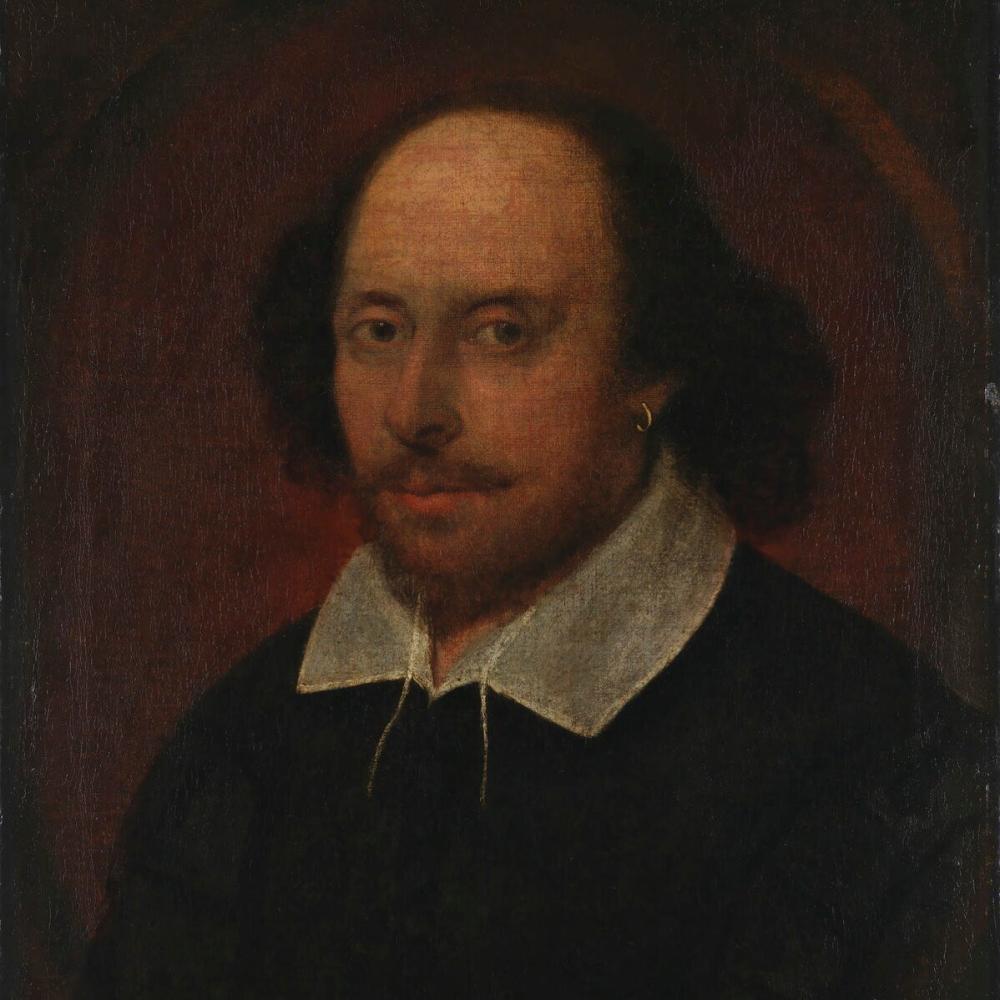
William Shakespeare:
Love, Ambition, Revenge, Tragedy,
and the Enduring Drama of Being Human
More than four centuries after his death, William Shakespeare remains one of the most widely read, performed, quoted, adapted, and discussed writers in history.
His works have been translated into countless languages. His stories have inspired novels, films, television series, operas, and stage productions around the world. His characters have become part of our cultural vocabulary, while many of his phrases continue to be used in everyday conversation.
Yet Shakespeare’s enduring appeal cannot be explained by influence alone.
Many famous writers eventually become historical figures—important, admired, and respected, but increasingly distant from modern readers.
Shakespeare is different.
Readers continue to return to his works because they continue to recognize themselves within them.
The world Shakespeare inhabited was vastly different from our own. He wrote during the reigns of Elizabeth I and James I. He lived in a society without electricity, automobiles, telephones, or modern medicine. The political, social, and religious realities of his era would seem unfamiliar to most modern readers.
And yet his characters still feel remarkably alive.
Their hopes, fears, ambitions, jealousies, loves, regrets, triumphs, and failures remain deeply recognizable.
This ability to capture the complexities of human experience is the foundation of Shakespeare’s enduring greatness.
From Stratford to Literary Immortality
William Shakespeare was born in Stratford-upon-Avon in 1564.
The son of a glover and local businessman, he grew up in a market town far removed from the political and cultural centre of England. Few could have predicted that the boy from Stratford would eventually become the most celebrated writer in the English language.
Although many details of his early life remain uncertain, historians believe he received a strong education through the local grammar school, where he would have studied classical literature, rhetoric, and Latin authors whose influence can be seen throughout his later work.
By the early 1590s, Shakespeare had established himself in London as both an actor and playwright.
The city was experiencing a remarkable flowering of theatrical culture. Public playhouses attracted audiences from every level of society. Merchants, labourers, nobles, scholars, and royalty all attended performances.
Shakespeare quickly distinguished himself from his contemporaries.
His plays offered exciting stories, memorable characters, humour, suspense, romance, political intrigue, and emotional depth. They appealed simultaneously to ordinary theatre-goers and sophisticated audiences.
Over the course of his career, Shakespeare wrote comedies, tragedies, histories, and romances, creating a body of work that would outlive not only his contemporaries but entire generations of readers and audiences.
The Writer Who Understood Human Nature
Many writers excel at describing events.
Others excel at creating memorable plots.
Shakespeare possessed a rarer gift.
He understood people.
This may be the simplest explanation for why his works continue to resonate after more than four hundred years.
His characters are not merely heroes and villains.
They are complex individuals with conflicting desires, competing loyalties, strengths, weaknesses, hopes, fears, and flaws.
Hamlet struggles between action and conscience.
Macbeth is torn between ambition and morality.
Othello’s love becomes poisoned by jealousy and insecurity.
King Lear discovers painful truths about family, pride, and loyalty.
Romeo and Juliet experience the intensity of first love while confronting forces beyond their control.
These characters continue to feel authentic because Shakespeare understood something fundamental about human nature.
People are rarely simple.
We are often divided against ourselves.
We desire contradictory things.
We make mistakes.
We justify our actions.
We hope for happiness.
We fear loss.
We search for meaning.
Shakespeare’s enduring achievement was his ability to transform these universal experiences into unforgettable stories.
Love: The Force That Shapes Lives
Love appears throughout Shakespeare’s work in many forms.
Romantic love.
Familial love.
Friendship.
Devotion.
Obsession.
Sacrifice.
No writer explored the possibilities and complications of love with greater variety.
For many readers, Shakespeare’s name immediately evokes Romeo and Juliet, one of literature’s most famous love stories.
Yet Shakespeare’s understanding of love extended far beyond youthful romance.
His plays explore the joy love can bring, the mistakes it can inspire, the sacrifices it demands, and the ways it shapes the course of human lives.
In comedies such as Twelfth Night and A Midsummer Night’s Dream, love creates confusion, misunderstanding, humour, and ultimately reconciliation.
In tragedies, love often becomes intertwined with jealousy, loss, conflict, and heartbreak.
Shakespeare understood that love is rarely simple.
It can inspire courage and foolishness.
Wisdom and recklessness.
Joy and sorrow.
This complexity helps explain why his portrayals continue to feel so convincing.
The emotions may be expressed through the language of another age, but the experiences remain familiar to modern readers.
Ambition and the Pursuit of Power
If love represents one of the most uplifting forces in Shakespeare’s work, ambition often represents one of the most dangerous.
Nowhere is this more evident than in Macbeth.
At the beginning of the play, Macbeth is a respected soldier and loyal subject.
Yet a combination of ambition, temptation, and self-deception gradually transforms him into a tyrant.
His story remains compelling because Shakespeare understood how easily ambition can become destructive when separated from conscience.
The desire for success is not inherently wrong.
The question is what people are willing to sacrifice in order to achieve it.
This theme appears throughout Shakespeare’s works.
Characters seek power, influence, status, revenge, recognition, and control.
Some achieve their goals.
Others destroy themselves in the process.
In each case, Shakespeare invites readers to consider the consequences of human choices.
The pursuit of power may promise fulfilment.
It often carries unexpected costs.
Revenge, Justice, and the Search for Truth
Among Shakespeare’s many great works, Hamlet remains one of the most fascinating explorations of revenge ever written.
At first glance, the story appears simple. A prince learns that his father has been murdered and seeks vengeance against the man responsible.
Yet Shakespeare transforms this familiar premise into something far more profound.
Before Hamlet can act, he must answer difficult questions.
Can the ghost be trusted?
Is revenge truly justice?
What if he is wrong?
How can anyone know the truth with certainty?
These questions create the central tension of the play.
Unlike many literary heroes, Hamlet does not rush into action. He doubts, questions, reflects, and struggles with the consequences of his choices.
His hesitation has frustrated some readers and fascinated countless others.
It is also what makes him feel remarkably human.
Most people have faced moments when they wished for certainty but found only ambiguity. Most have experienced situations where every choice seemed to carry risks and consequences.
Through Hamlet, Shakespeare explores the difficulty of acting in an uncertain world.
The result is a story that remains just as compelling today as it was four centuries ago.
Tragedy and the Human Experience
Shakespeare’s tragedies endure because they are not simply stories about death.
They are stories about human weakness.
Pride.
Jealousy.
Ambition.
Fear.
Love.
Regret.
The qualities that make us human also have the power to undo us.
In Othello, a noble man allows jealousy to destroy the very thing he values most.
In King Lear, pride blinds a father to the truth about his children until it is almost too late.
In Macbeth, ambition overwhelms conscience.
In Hamlet, doubt and hesitation carry devastating consequences.
What makes these tragedies powerful is not the suffering alone.
It is the recognition that the characters’ flaws are understandable.
Readers may not share their circumstances, but they often recognize the emotions driving their decisions.
The tragedies remind us that wisdom is difficult, mistakes are inevitable, and human beings are rarely as rational as they would like to believe.
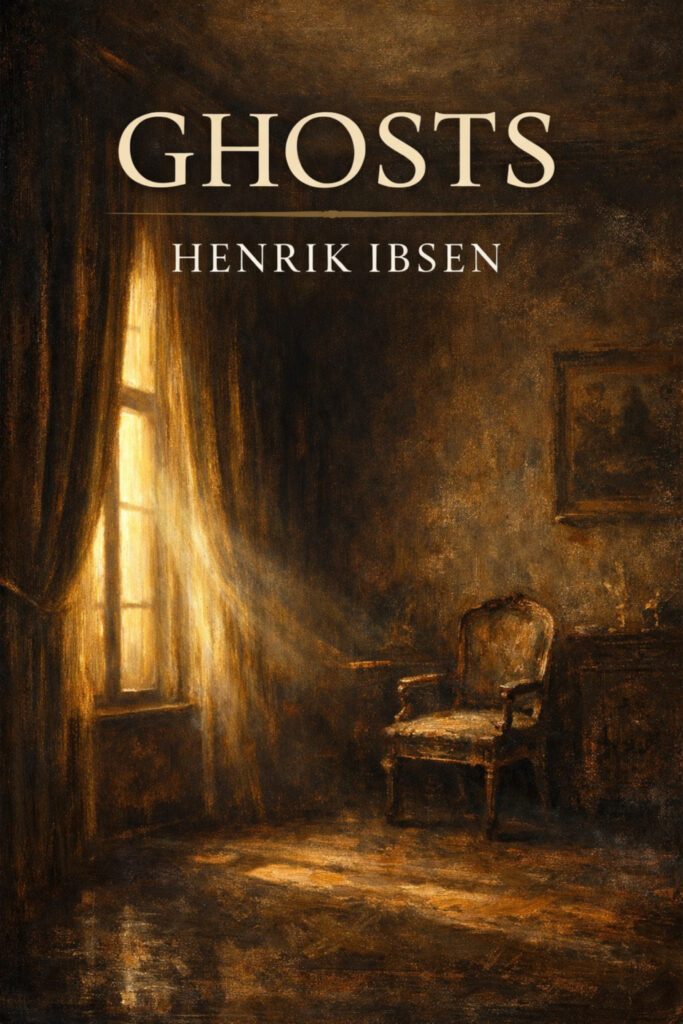
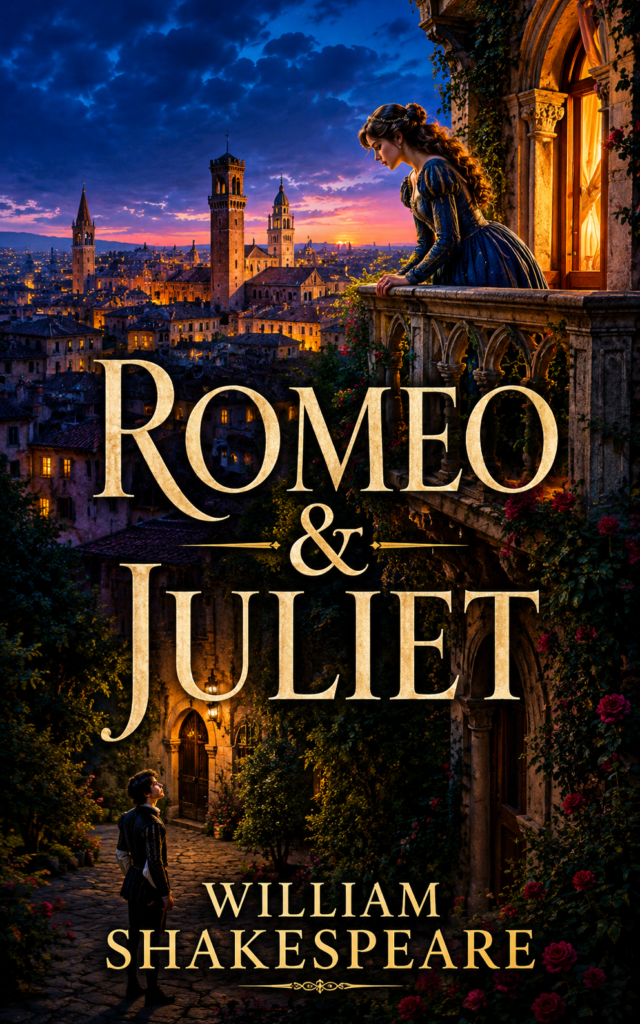
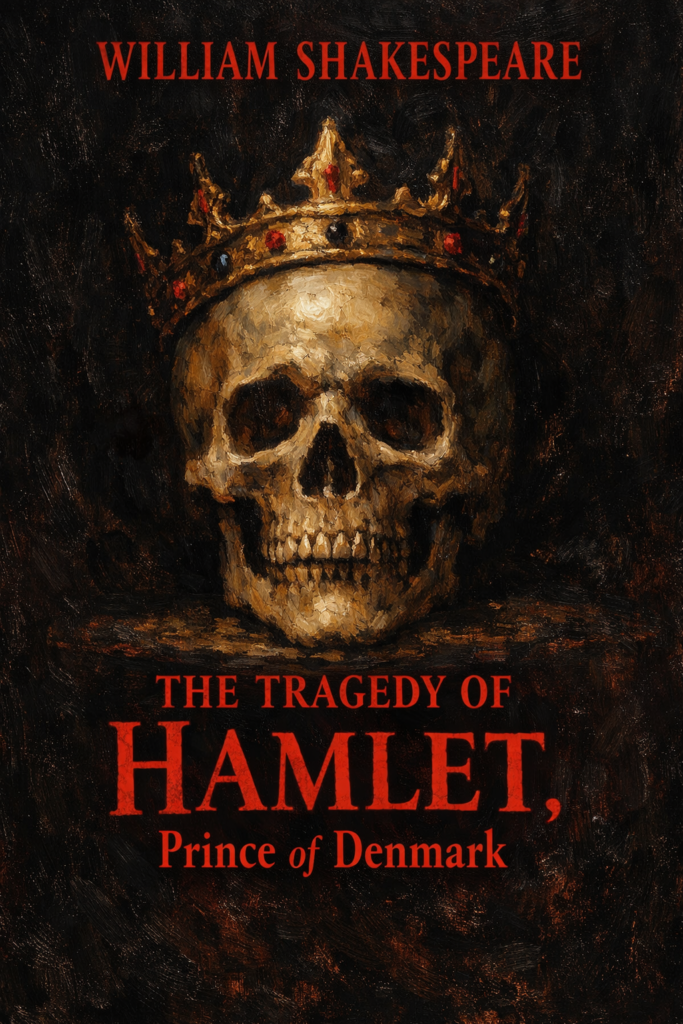
Related Plays

Shakespeare’s Most Unforgettable Characters
Many writers create memorable stories.
Few create characters that remain alive in the imagination for centuries.
Shakespeare’s characters continue to endure because they feel astonishingly real.
Hamlet remains one of literature’s most complex and fascinating figures.
Macbeth embodies the dangers of unchecked ambition.
Juliet captures the intensity of youthful love and determination.
King Lear reveals the painful consequences of pride and misjudgment.
Othello demonstrates how trust can be undermined by insecurity and manipulation.
Even Shakespeare’s comic characters possess remarkable vitality. Figures such as Falstaff remain beloved because of their humour, humanity, and larger-than-life personalities.
These characters continue to inspire readers because they feel like people rather than symbols.
They possess strengths and weaknesses.
They make mistakes.
They grow, struggle, and suffer.
In short, they feel human.
The Language That Changed English
Many readers approach Shakespeare with some apprehension because of his language.
The vocabulary can seem unfamiliar. The sentence structures can feel different from modern English.
Yet Shakespeare’s influence on the language is extraordinary.
Hundreds of words and phrases commonly used today either originated with him or were popularised through his works.
Expressions such as “break the ice,” “wild-goose chase,” “heart of gold,” and “wear my heart upon my sleeve” all trace their roots to Shakespeare.
Even readers who have never opened one of his plays regularly encounter his influence.
More importantly, Shakespeare used language in ways that allowed him to express complex emotions with remarkable precision and beauty.
His words have endured not simply because they are famous, but because they continue to capture experiences that readers recognise and understand.
The Man Who Changed Storytelling
It is difficult to overstate Shakespeare’s influence on literature and storytelling.
His works have inspired countless novels, films, television series, operas, and theatrical productions.
Writers across generations have borrowed his plots, adapted his characters, and explored themes first examined in his plays.
The influence extends far beyond the theatre.
Modern stories about forbidden love often owe a debt to Romeo and Juliet.
Stories of ambition and corruption frequently echo Macbeth.
Narratives centred on revenge continue to draw inspiration from Hamlet.
His understanding of character, conflict, and human motivation helped establish storytelling traditions that continue to shape popular culture today.
Many people who have never consciously read Shakespeare have nevertheless encountered stories influenced by his ideas.
Why Readers Return to Shakespeare
One of the remarkable qualities of Shakespeare’s work is its ability to reward repeated reading.
A teenager may be drawn to the passion of Romeo and Juliet.
A reader later in life may focus on the family relationships in King Lear.
Others may find themselves increasingly interested in the moral questions raised by Hamlet or the psychological complexity of Macbeth.
The plays remain the same.
The reader changes.
As a result, Shakespeare often reveals new insights at different stages of life.
This ability to grow alongside the reader helps explain why his works have remained relevant for generations.
They are not simply stories to be completed and forgotten.
They are works that continue to offer fresh perspectives and deeper understanding.
The Enduring Drama of Being Human
The lasting power of Shakespeare’s work lies not in royal courts, ancient kingdoms, or historical settings.
It lies in people.
His plays explore experiences that remain universal.
Love and heartbreak.
Ambition and disappointment.
Family and loyalty.
Friendship and betrayal.
Hope and despair.
The circumstances may belong to another age, but the emotions remain familiar.
This is why Shakespeare continues to resonate across cultures, languages, and generations.
Readers recognise themselves in his characters.
They see their own hopes, fears, mistakes, and aspirations reflected in stories written more than four hundred years ago.
Shakespeare understood that while societies change, human nature changes far more slowly.
His works endure because they continue to illuminate what it means to be human.
Conclusion
More than four centuries after his death, William Shakespeare remains one of the most influential writers in history.
His works continue to be read, performed, adapted, and discussed because they explore experiences that remain fundamentally human.
Love and loss.
Ambition and regret.
Revenge and forgiveness.
Power and responsibility.
Hope and despair.
These are not merely themes within Shakespeare’s plays. They are realities that continue to shape human lives.
Shakespeare’s greatest achievement was not simply creating memorable stories or unforgettable characters.
It was capturing the complexities of human experience with extraordinary insight and honesty.
As long as people continue to love, dream, struggle, fail, hope, and search for meaning, Shakespeare’s work will continue to matter.
Few writers have understood humanity so deeply.
Fewer still have expressed that understanding so powerfully.
That is why, more than four hundred years later, Shakespeare remains not merely a literary figure, but a companion in humanity’s ongoing conversation about what it means to live, love, and be human.
Other Play Writes
Articles
Why did Mark Twain not like James Fenimore Cooper?

Classic Literature Quiz (Part 1): How Well Do You Know the Classics?
When Novels Were Released Like a TV Series

Why Jane Austen Remains So Popular

Have the Jane Austen Movies Replaced the Books?

Jane Austen vs the Brontë Sisters

Whodunit Better

Why I Hate Shakespeare