Leo Tolstoy:
Love, War, Family,
and the Questions That Define Us
Few writers have explored the human experience as completely as Leo Tolstoy.
More than a century after his death, readers around the world continue to discover his novels, not simply because they are considered literary classics, but because they speak to questions that remain deeply relevant today.
What makes a good life?
What is love?
What do we owe to our families?
How should we respond to suffering?
Can wealth, success, or social status bring happiness?
And how do we find meaning in a world that often seems uncertain and unpredictable?
These are not merely themes within Tolstoy’s work. They were questions that occupied him throughout his life.
Through novels such as War and Peace and Anna Karenina, as well as his later philosophical writings, Tolstoy examined the hopes, fears, contradictions, and aspirations that shape human existence. His characters struggle with love, ambition, family, faith, regret, and personal growth in ways that feel remarkably familiar even today.
The world in which Tolstoy lived has long since disappeared.
The questions he asked have not.
A Count Who Questioned Everything
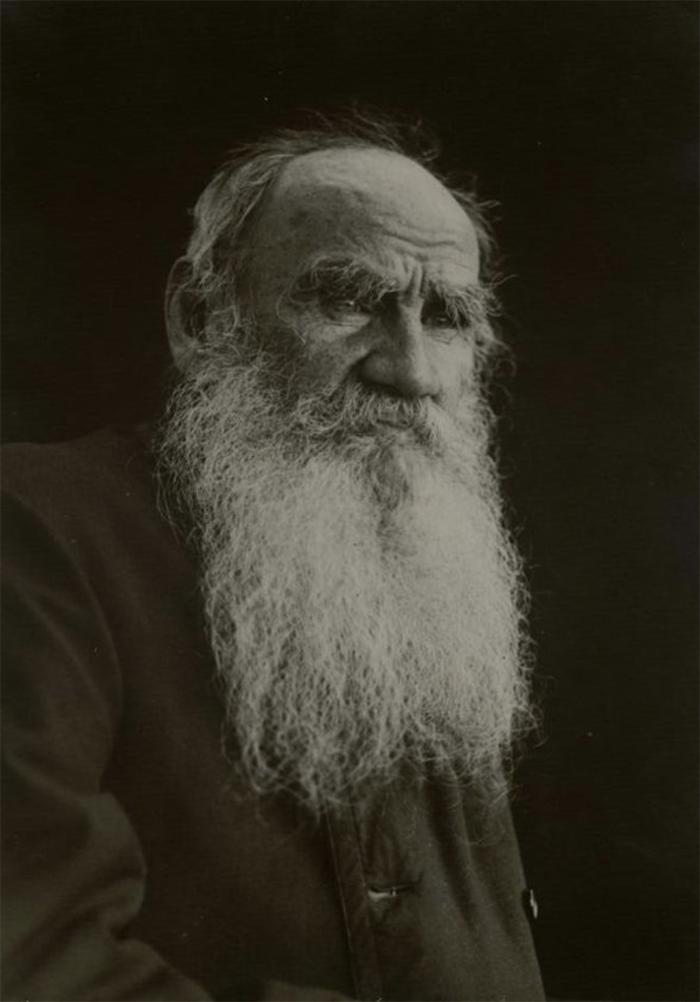
Leo Tolstoy was born in 1828 into one of Russia’s aristocratic families.
As Count Lev Nikolayevich Tolstoy, he inherited wealth, status, land, and privileges that most people could only imagine. From the outside, his future appeared secure.
Yet throughout much of his life, Tolstoy remained deeply dissatisfied with easy answers.
He questioned social conventions.
He questioned wealth.
He questioned authority.
Eventually, he would even question many of the assumptions upon which his own privileged position had been built.
This willingness to challenge accepted ideas became one of the defining characteristics of both the man and his work.
Unlike many writers who observed society from a distance, Tolstoy constantly examined his own beliefs and experiences. He sought not merely to describe life but to understand it.
That search for understanding would shape everything he wrote.
Soldier, Observer, Storyteller
Before becoming one of the world’s most celebrated authors, Tolstoy served in the Russian military.
His experiences during the Crimean War exposed him to the realities of conflict in ways few writers could claim. He witnessed fear, courage, suffering, confusion, heroism, and loss firsthand.
These experiences left a lasting impression.
Many authors wrote about war as a sequence of battles and victories.
Tolstoy became interested in something different.
How did ordinary people experience extraordinary events?
How did war affect families, friendships, hopes, and dreams?
What happened to individuals caught in forces larger than themselves?
These questions would later become central to War and Peace, one of the most ambitious novels ever written.
Rather than focusing solely on generals and political leaders, Tolstoy explored the lives of countless individuals whose personal stories unfolded against the backdrop of history.
The result transformed how many readers thought about both war and human nature.
Why Tolstoy’s Characters Feel So Real
One reason readers continue to connect with Tolstoy is the extraordinary realism of his characters.
They do not feel like symbols.
They do not exist merely to advance a plot.
They feel human.
Tolstoy understood that people are often contradictory.
We can be generous and selfish.
Confident and uncertain.
Wise and foolish.
Loving and deeply flawed.
His characters reflect these contradictions with remarkable honesty.
Pierre Bezukhov seeks purpose while struggling with uncertainty.
Prince Andrei searches for meaning amid disappointment and loss.
Anna Karenina pursues happiness while confronting impossible choices.
Konstantin Levin wrestles with questions about faith, work, family, and the purpose of life.
Because these characters face challenges that remain recognizable today, readers often see parts of themselves within them.
This emotional authenticity helps explain why Tolstoy’s novels continue to resonate across cultures and generations.
Related Novels
Love and the Search for Happiness
Among the many subjects Tolstoy explored, few interested him more than the question of happiness.
People pursue happiness in countless ways.
Through love.
Through success.
Through wealth.
Through achievement.
Through family.
Yet Tolstoy repeatedly asked whether these pursuits truly provide what people seek.
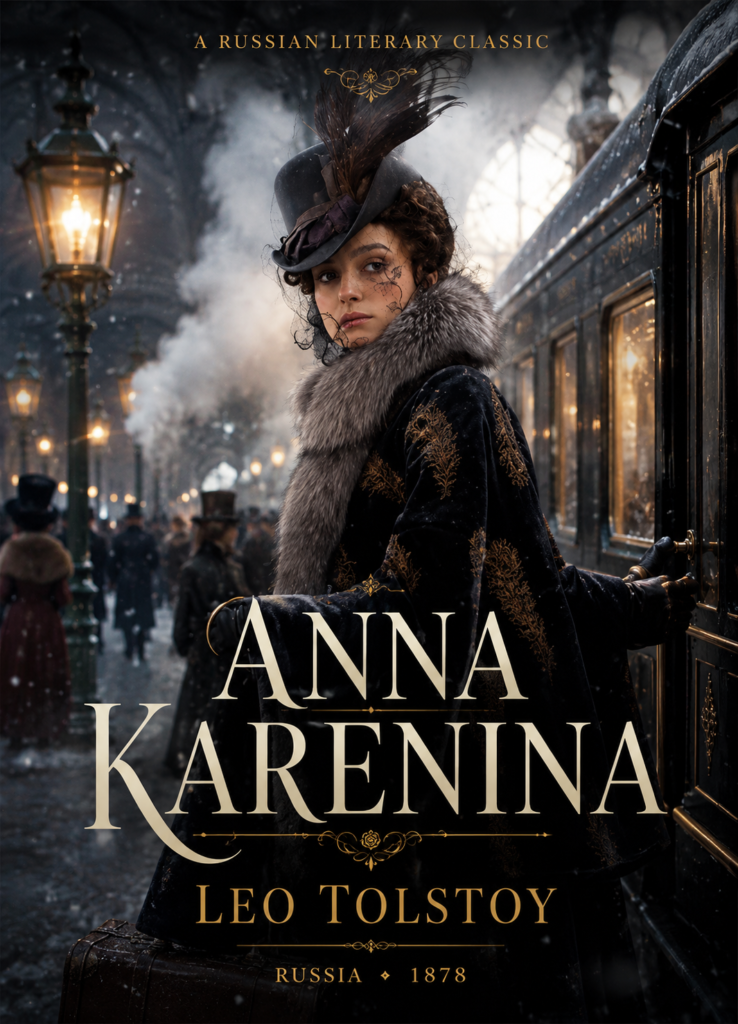
This question lies at the heart of Anna Karenina.
The novel explores relationships, marriage, desire, commitment, and the tension between personal longing and social expectation. It examines the choices people make in search of fulfilment and the consequences that often follow.
What makes the novel enduring is not simply its story but its honesty.
Tolstoy recognized that love can be beautiful, complicated, transformative, and painful.
He understood that happiness rarely arrives in simple or predictable forms.
More than a century later, readers continue to return to Anna Karenina because its questions remain deeply familiar.
How do we build meaningful relationships?
What sacrifices are worth making?
What does genuine happiness actually look like?
Tolstoy never offered easy answers.
Instead, he invited readers to wrestle with the questions alongside his characters.
War, History, and Ordinary Lives
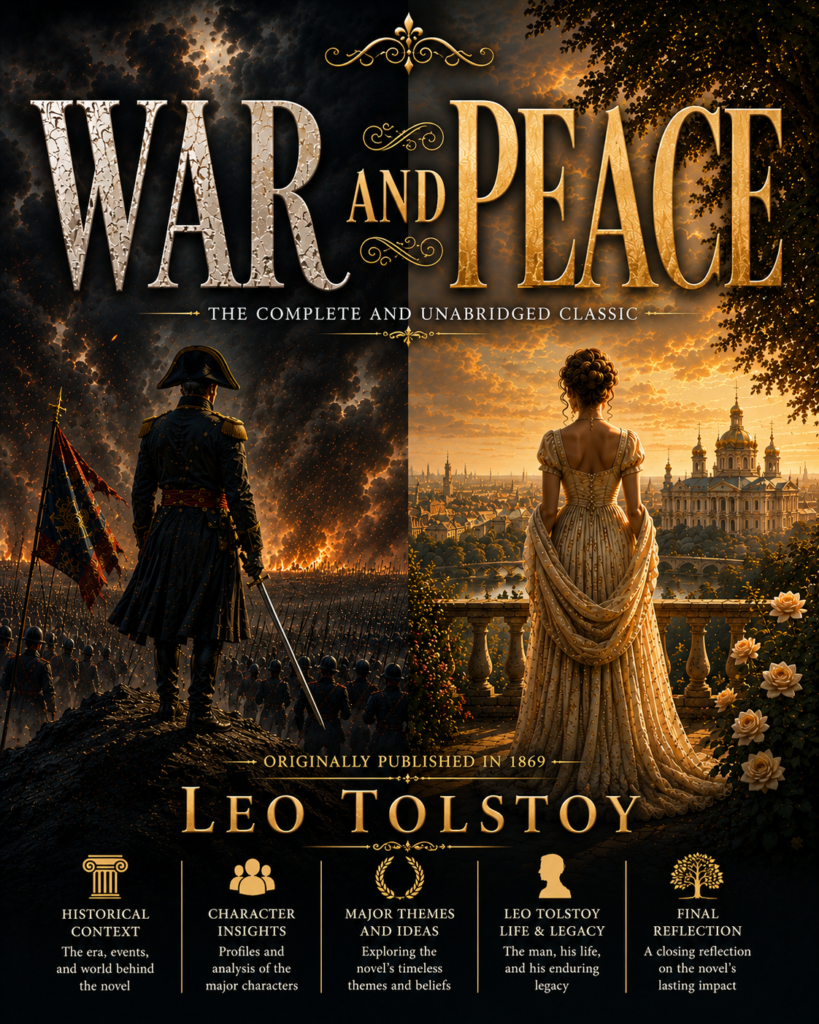
Few novels have explored the relationship between individual lives and historical events as powerfully as War and Peace.
Many writers portray history through the actions of kings, emperors, and generals. Tolstoy took a different approach.
He believed that history is experienced not by great leaders alone, but by ordinary people living through extraordinary times.
While armies march and nations clash, people continue to fall in love, raise families, pursue ambitions, endure hardships, and search for meaning. Their lives may be affected by events beyond their control, yet their personal struggles remain deeply important.
This perspective lies at the heart of War and Peace.
The novel contains battles, political intrigue, and historical figures, but its true focus is always human. Tolstoy invites readers to experience history through the eyes of people whose hopes and fears feel strikingly familiar.
The result is not simply a historical novel.
It is a reminder that every era of history is ultimately made up of individual lives.
This belief helped Tolstoy create one of literature’s most sweeping and deeply human masterpieces.
Childhood, Family, and Human Growth
Throughout his career, Tolstoy returned repeatedly to the subjects of family and personal development.
He understood that our earliest experiences often shape the people we become.
The relationships we form as children influence our values, our ambitions, our fears, and our understanding of the world. Family can provide support, guidance, and love, but it can also create challenges that follow us throughout life.
These themes appear throughout Tolstoy’s work.
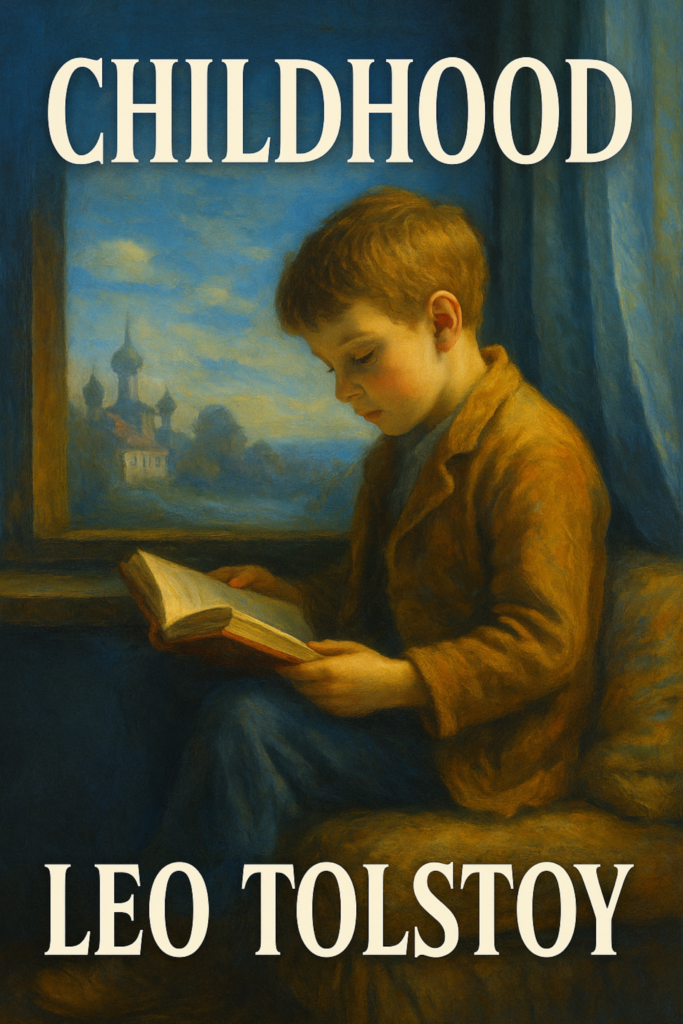
In Childhood, he explored the experiences that shape a young person’s understanding of life. In his larger novels, family relationships frequently serve as the foundation upon which larger dramas unfold.
Parents and children.
Husbands and wives.
Brothers and sisters.
Generations connected by both love and obligation.
Tolstoy recognized that family relationships are among the most important influences in human life. They help define who we are, what we value, and how we relate to others.
This insight remains one of the reasons his stories continue to resonate with readers today.
Related Authors
Tolstoy’s Spiritual Crisis
By most conventional measures, Leo Tolstoy had achieved extraordinary success.
He was wealthy.
Famous.
Respected.
His novels were celebrated around the world.
Yet despite these accomplishments, he became increasingly troubled by questions that success could not answer.
What gives life meaning?
Why do people suffer?
How should we live?
What truly matters?
During middle age, Tolstoy experienced a profound spiritual crisis. He began questioning many of the beliefs and assumptions that had previously guided his life. The search for answers became one of the defining pursuits of his later years.
This journey led him beyond fiction and into philosophy, religion, ethics, and social criticism.
Rather than accepting easy answers, Tolstoy continued asking difficult questions.
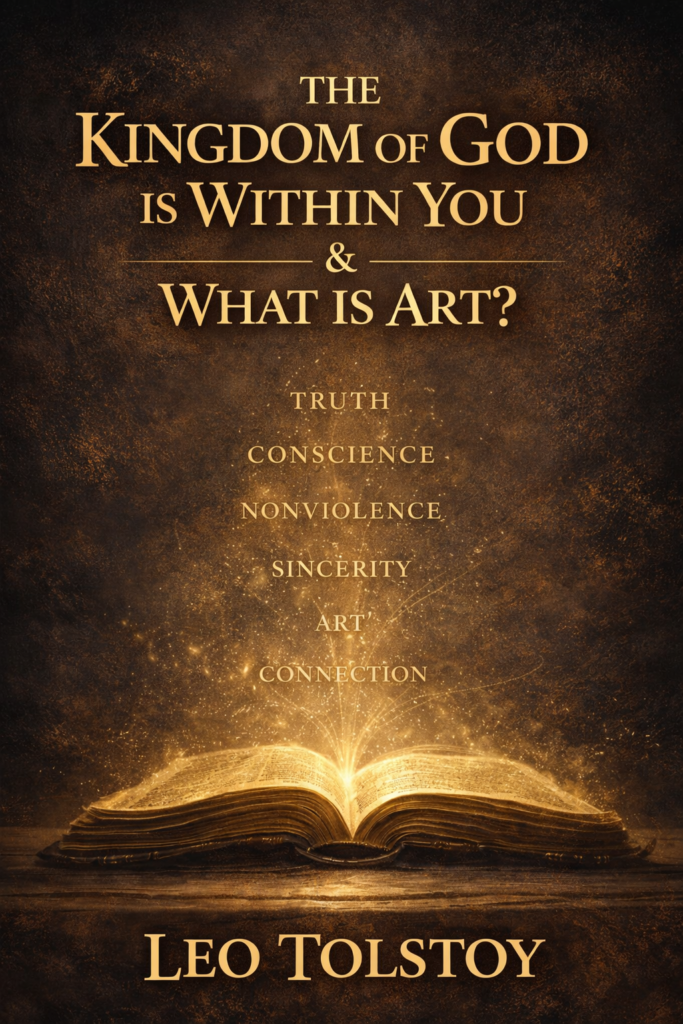
His later works, including The Kingdom of God Is Within You and What Is Art?, reflect this ongoing search for truth and meaning.
What makes this period of his life so fascinating is its honesty.
Tolstoy did not present himself as someone who had solved life’s greatest mysteries.
He presented himself as someone still searching.
That search continues to resonate with readers who face similar questions today.
The Questions That Define Us
More than any specific plot or character, Tolstoy’s enduring legacy rests upon the questions he explored.
Questions about love.
Questions about family.
Questions about responsibility.
Questions about purpose.
Questions about how we should live.
Throughout his work, he repeatedly returned to themes that remain universal.
What makes a good life?
Is happiness found through wealth, achievement, love, faith, service, or something else entirely?
What do we owe to one another?
How should we treat family, friends, strangers, and society as a whole?
How do we find meaning?
What gives purpose to our lives in a world that often seems uncertain?
How should we respond to suffering?
Can hardship teach us something valuable, or is it simply something to be endured?
These questions appear throughout Tolstoy’s novels because they are questions that every generation must confront for itself.
Readers may not always agree with his conclusions.
But they continue to engage with his work because the questions remain relevant.
Why Readers Still Turn to Tolstoy Today
The world has changed dramatically since Tolstoy’s lifetime.
Empires have risen and fallen.
Technology has transformed everyday life.
Societies have evolved in ways he could never have imagined.
Yet readers continue to discover his books.
Why?
Because the emotions and experiences he explored remain fundamentally human.
People still fall in love.
They still struggle with family relationships.
They still search for happiness.
They still wrestle with questions about meaning, purpose, morality, and identity.
Tolstoy’s novels endure because they speak to these experiences with extraordinary honesty.
Readers do not return to Tolstoy merely because he is considered important.
They return because his work continues to illuminate aspects of life that remain deeply familiar.
The settings may belong to another century.
The emotions belong to every century.
Tolstoy’s Lasting Legacy
Few writers have left a larger mark on world literature than Leo Tolstoy.
His influence extends far beyond the novels themselves.
Writers have admired his realism.
Philosophers have engaged with his ideas.
Social reformers have been inspired by his moral convictions.
His later writings influenced thinkers around the world, including Mahatma Gandhi, who found inspiration in Tolstoy’s ideas about nonviolence, morality, and personal responsibility.
Yet perhaps Tolstoy’s greatest legacy is simpler.
He helped readers think more deeply about their own lives.
His stories encourage reflection.
They challenge assumptions.
They invite us to examine our choices, values, and priorities.
More than a century after his death, that achievement remains remarkably powerful.
Conclusion
Leo Tolstoy’s enduring achievement was not simply writing great novels.
It was using stories to explore the questions that every generation must answer for itself.
Through tales of love and loss, war and peace, family and faith, happiness and suffering, he examined the complexities of human life with extraordinary insight and compassion.
His characters continue to feel real because their struggles remain familiar.
His stories continue to matter because the questions they ask are still our questions.
More than a century after his death, readers continue to turn to Tolstoy not because he belonged to the past, but because he helps us better understand the present.
That is the mark of a truly great writer.
And it is why Leo Tolstoy remains one of literature’s most powerful and enduring voices.
Articles

What Classic Horror Was Really Trying to Tell Us
Why did Mark Twain not like James Fenimore Cooper?

Have the Jane Austen Movies Replaced the Books?
When Novels Were Released Like a TV Series
Why Jane Austen Remains So Popular

Why I Hate Shakespeare
Classic Literature Quiz (Part 1): How Well Do You Know the Classics?

Jane Austen vs the Brontë Sisters