
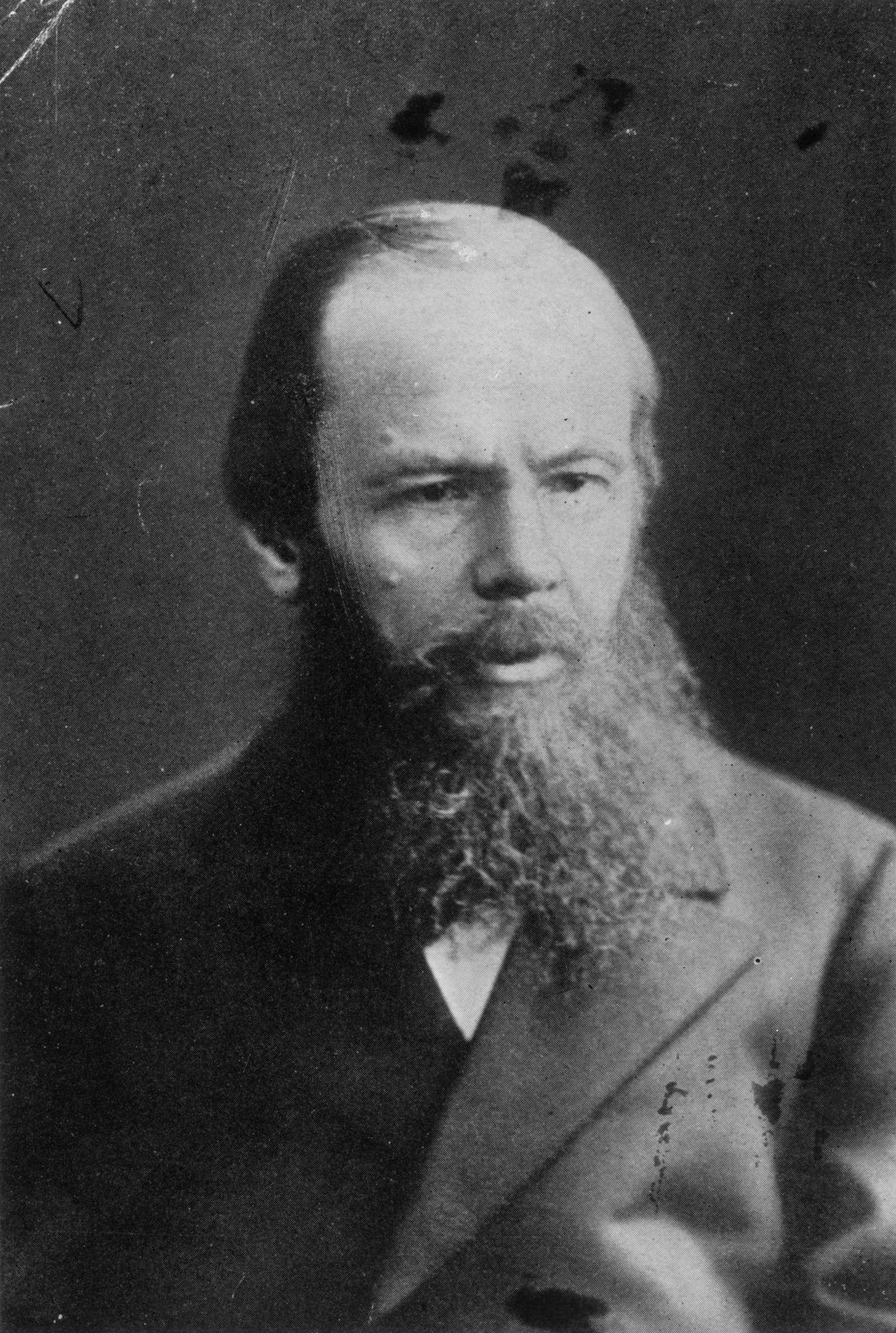
Fyodor Dostoevsky:
Guilt, Faith, Redemption,
and the Search for What It Means to Be Human
Few writers have explored the human soul as fearlessly as Fyodor Dostoevsky.
More than a century after his death, readers continue to turn to his novels not because they are considered classics, but because they ask questions that remain deeply relevant today.
Why do people commit terrible acts?
Can guilt ever be escaped?
What gives life meaning?
Is redemption possible?
How do we live with suffering?
And what does it truly mean to be human?
These questions lie at the heart of Dostoevsky’s greatest works. Through unforgettable stories and deeply complex characters, he explored the struggles, contradictions, hopes, fears, and moral dilemmas that define human existence.
What makes his work remarkable is that these questions were not merely literary interests.
They were personal.
Dostoevsky’s life was filled with hardship, loss, suffering, and extraordinary experiences that transformed the way he viewed humanity.
Perhaps no moment shaped him more than the day he came face to face with death itself.
The Day Dostoevsky Was Sentenced to Die
In 1849, Dostoevsky was arrested for participating in intellectual discussions that the Russian authorities considered politically dangerous.
He was imprisoned alongside several others and eventually sentenced to death.
The punishment was to be carried out by firing squad.
On a cold December morning, Dostoevsky and the other condemned prisoners were taken to a public square.
They were dressed in execution clothing.
Their sentences were read aloud.
The first prisoners were tied to posts.
The firing squad prepared to carry out the order.
Dostoevsky believed he had only moments left to live.
Imagine what that feels like.
Imagine believing with complete certainty that your life will end within minutes.
Every regret.
Every memory.
Every hope.
Every unfinished dream.
Everything reduced to a handful of final moments.
Then, at the very last instant, a messenger arrived.
The execution had been halted.
The death sentence had been commuted by Tsar Nicholas I.
The entire event had been staged as a brutal psychological punishment.
Dostoevsky had experienced his own death—and then been returned to life.
The experience changed him forever.
Years later, the emotional intensity of that moment would echo throughout his novels.
His characters often stand at moral, emotional, or spiritual crossroads. They confront questions of life, death, guilt, suffering, and redemption with an urgency that few authors have ever matched.
Dostoevsky understood what it meant to have everything stripped away and be forced to ask what truly matters.
Siberia and a New Understanding of Humanity
If the mock execution transformed Dostoevsky’s perspective, the years that followed deepened it.
Instead of execution, he was sentenced to years of hard labor in a Siberian prison camp.
The conditions were harsh.
The prisoners included murderers, thieves, violent criminals, and people society considered beyond redemption.
For many writers, such an experience might have produced bitterness.
For Dostoevsky, it produced understanding.
He observed people at their lowest points.
He witnessed cruelty, suffering, kindness, hope, despair, faith, and resilience.
Most importantly, he came to believe that no human being could be reduced to a single act or a single label.
Even those who had committed terrible crimes remained human.
This conviction would later become one of the defining themes of his fiction.
His novels rarely ask whether someone is good or evil.
Instead, they ask something far more interesting.
Why do people make the choices they do?
And can they change?
Why Dostoevsky’s Characters Feel So Real
One reason readers continue to connect with Dostoevsky is that his characters feel astonishingly human.
They are not heroes.
They are not villains.
They are people.
Contradictory.
Conflicted.
Capable of great kindness and great selfishness.
Often uncertain about what they believe or how they should live.
Dostoevsky understood that human beings rarely fit into simple categories.
We justify our mistakes.
We struggle with temptation.
We wrestle with doubt.
We seek meaning even when we are uncertain where to find it.
His characters reflect these realities with remarkable honesty.
Readers recognize themselves in them.
That recognition creates a powerful emotional connection that has endured for generations.
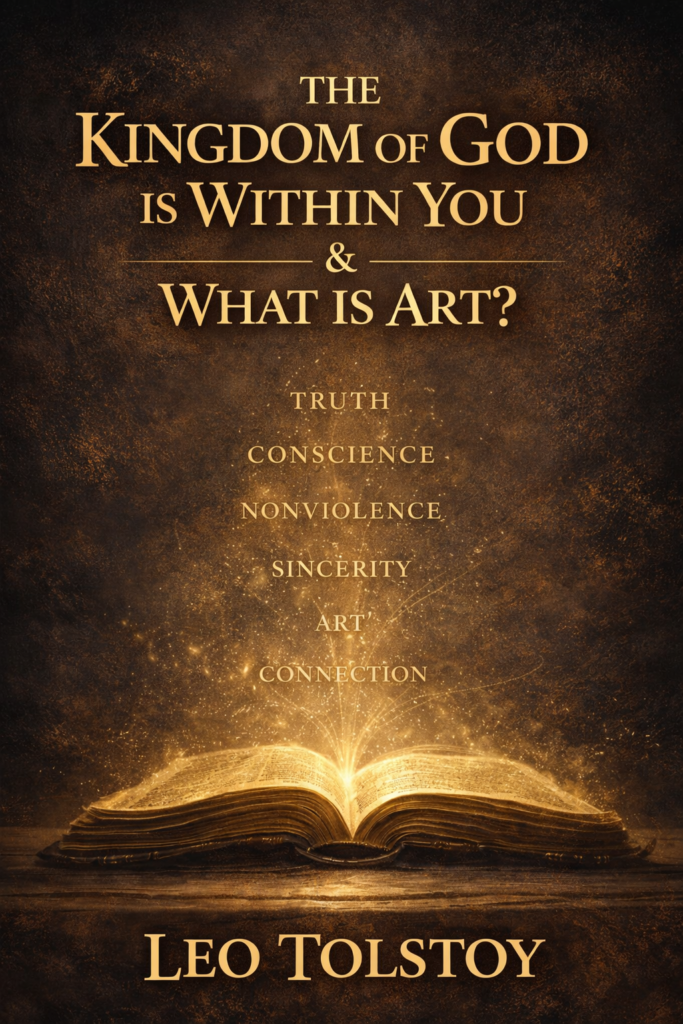
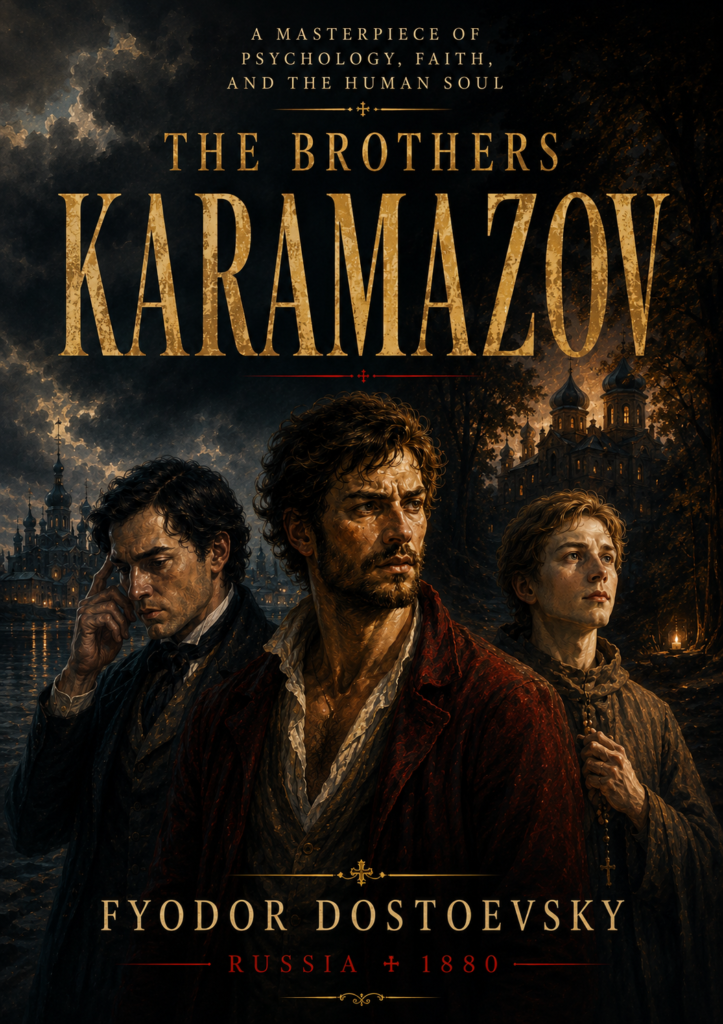
Related Novels


Guilt and the Human Conscience
Perhaps no theme appears more frequently in Dostoevsky’s work than guilt.
Many crime stories ask:
Who committed the crime?
Dostoevsky asked a different question.
What happens afterward?
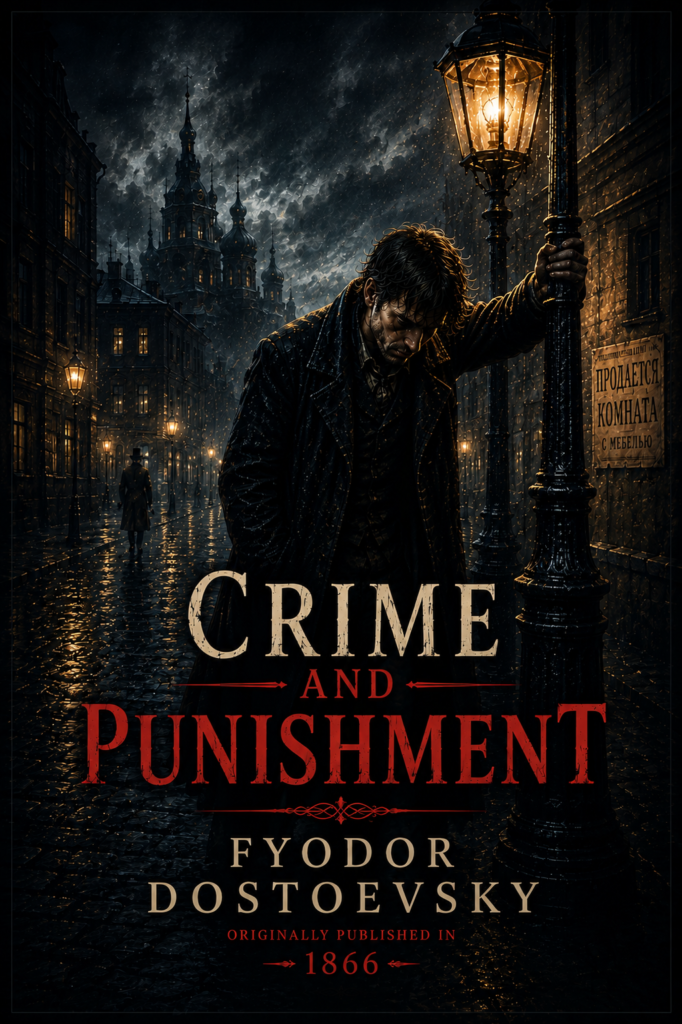
This question lies at the heart of Crime and Punishment.
The novel follows Rodion Raskolnikov, a young man who convinces himself that he can justify a terrible act through reason and intellect.
What follows is not merely a criminal investigation.
It is a psychological investigation.
As guilt begins to consume him, readers witness the consequences of actions that cannot simply be explained away.
Dostoevsky understood something profound.
The greatest punishment often comes not from courts or prisons, but from the conscience itself.
This insight continues to resonate because it speaks to a universal human experience.
Most people know what it feels like to wrestle with regret.
To carry a burden.
To wish they had acted differently.
Dostoevsky transformed these experiences into unforgettable fiction.
Faith, Doubt, and the Search for Meaning
While guilt occupies one part of Dostoevsky’s work, questions of faith and meaning occupy another.
He was fascinated by belief.
Not simple belief.
Struggling belief.
Questioning belief.
Belief tested by suffering and uncertainty.
These themes reach their fullest expression in The Brothers Karamazov.
The novel explores some of the most profound questions human beings can ask.
Why does suffering exist?
Can morality survive without faith?
What do we owe to one another?
How should we live?
Through the lives of the Karamazov family, Dostoevsky examines these questions with extraordinary depth and emotional power.
What makes the novel so enduring is that it refuses easy answers.
Instead, it invites readers into the conversation.
Redemption and the Possibility of Change
Despite the darkness that often appears in his novels, Dostoevsky was not primarily interested in despair.
He was interested in redemption.
Again and again, his stories ask whether people can change.
Can someone recover from terrible mistakes?
Can suffering lead to growth?
Can forgiveness transform a life?
These questions remain central because they touch something deeply human.
Most people want to believe that change is possible.
That failure is not final.
That mistakes need not define a person forever.
Dostoevsky understood this hope and explored it with extraordinary compassion.
Why Readers Still Turn to Dostoevsky Today
The world has changed dramatically since Dostoevsky’s lifetime.
Technology has transformed society.
Cultures have evolved.
Entire political systems have risen and fallen.
Yet readers continue to discover his novels.
Why?
Because human nature has not changed nearly as much as the world around us.
People still struggle with guilt.
They still experience doubt.
They still search for meaning.
They still hope for redemption.
They still wrestle with questions about morality, responsibility, and purpose.
Dostoevsky’s novels remain relevant because they speak directly to these experiences.
The settings belong to nineteenth-century Russia.
The emotions belong to every generation.
Related Authors
A Legacy That Continues to Challenge and Inspire
Few writers have left a deeper mark on literature, philosophy, psychology, and religious thought than Fyodor Dostoevsky.
His influence extends far beyond his novels.
Thinkers, scholars, writers, and readers continue to engage with the questions he explored.
Yet his greatest achievement may be simpler.
He understood that the most important struggles often take place within the human heart.
Through stories of guilt, faith, suffering, redemption, hope, and moral conflict, he created works that continue to challenge and inspire readers around the world.
More than a century after his death, his novels remain alive because the questions they ask are still our questions.
And perhaps that is why readers continue returning to Dostoevsky.
Not because he offered easy answers.
But because he helped us better understand what it means to be human.
Before Psychology Had a Name
One of the most remarkable aspects of Dostoevsky’s work is how modern it feels.
Long before psychology became an established field of study, he was exploring many of the same questions that psychologists would later examine in detail.
Why do people act against their own interests?
Why do intelligent people make foolish decisions?
Why do individuals justify actions they know are wrong?
Why do human beings often seem divided against themselves?
Dostoevsky understood that people are rarely guided by logic alone.
We tell ourselves stories.
We rationalize our choices.
We defend our mistakes.
We convince ourselves that our actions make sense, even when part of us knows otherwise.
His novels are filled with characters who struggle with these contradictions.
They argue with themselves.
They wrestle with competing desires.
They attempt to justify decisions that trouble their consciences.
They seek certainty while being haunted by doubt.
What makes these characters feel so realistic is that Dostoevsky understood something fundamental about human nature.
People are complicated.
We are capable of believing two contradictory things at the same time.
We can desire freedom while fearing its consequences.
We can seek happiness while sabotaging our own chances of finding it.
We can recognize the right path and still choose another.
Readers continue to connect with Dostoevsky because he understood these contradictions so well.
His characters do not feel like products of the nineteenth century.
They feel like people we know.
Sometimes they feel like ourselves.
In this sense, Dostoevsky was not merely a novelist.
He was one of the earliest and most insightful explorers of the human mind.
The Questions That Still Challenge Us
The greatest reason Dostoevsky’s work continues to matter is that the questions he explored remain unresolved.
Every generation encounters them.
Every generation struggles to answer them.
Why do good people suffer?
Few questions appear more frequently in Dostoevsky’s work.
His novels acknowledge suffering honestly and refuse to dismiss it with simple explanations. Instead, they challenge readers to consider how people respond to hardship and what meaning, if any, can emerge from it.
Can people truly change?
Dostoevsky believed that individuals should never be defined entirely by their worst moments.
Again and again, his stories ask whether redemption is possible and whether human beings can grow beyond their failures.
What does freedom really mean?
Many people assume freedom means doing whatever they want.
Dostoevsky explored a more difficult possibility.
What if freedom also brings responsibility?
What if true freedom requires moral choices rather than the absence of limits?
What do we owe to one another?
His novels repeatedly examine relationships between individuals, families, communities, and society.
How should we treat others?
What responsibilities accompany love, friendship, and family?
Can we ignore the suffering of those around us?
What gives life meaning?
Perhaps this is the question that lies beneath all the others.
Whether through faith, relationships, service, personal growth, or moral responsibility, Dostoevsky’s characters are constantly searching for purpose.
The remarkable thing is that these questions remain just as relevant today as they were when he first wrote about them.
Technology has changed.
Societies have changed.
The human search for meaning has not.
This is why readers continue to return to Dostoevsky.
Not because he solved these questions.
But because he explored them with extraordinary honesty, compassion, and insight.
His novels remind us that some of life’s most important questions are not meant to be answered once and for all.
They are meant to be wrestled with throughout a lifetime.
Articles

Have the Jane Austen Movies Replaced the Books?
Why did Mark Twain not like James Fenimore Cooper?

Why Jane Austen Remains So Popular

Whodunit Better
When Novels Were Released Like a TV Series

Jane Austen vs the Brontë Sisters

Why I Hate Shakespeare

What Classic Horror Was Really Trying to Tell Us