

More Than Words:
Why Translating Classic Literature Is So Difficult
A sentence can be correct in every word and wrong in every important way.
That is the central difficulty of translating classic literature. A mechanical translation may transfer the dictionary meaning of each sentence, yet leave behind the rhythm, wit, atmosphere and personality that made the book worth reading. The plot survives, but the experience does not.
This becomes especially clear when English classics are carried into languages as different as Spanish and Mandarin Chinese. The translator is not merely replacing one set of words with another. Every paragraph demands a chain of judgements: what the author means, what the reader is expected to infer, how the sentence moves, who is speaking, how formal the voice should sound, and what emotional effect the passage is meant to create.
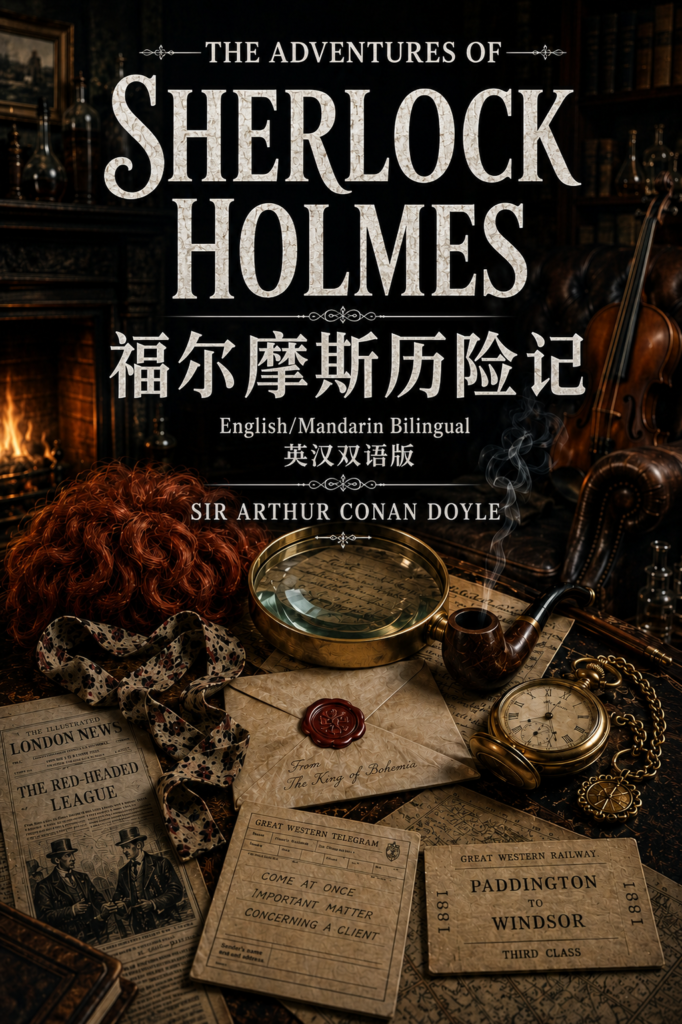
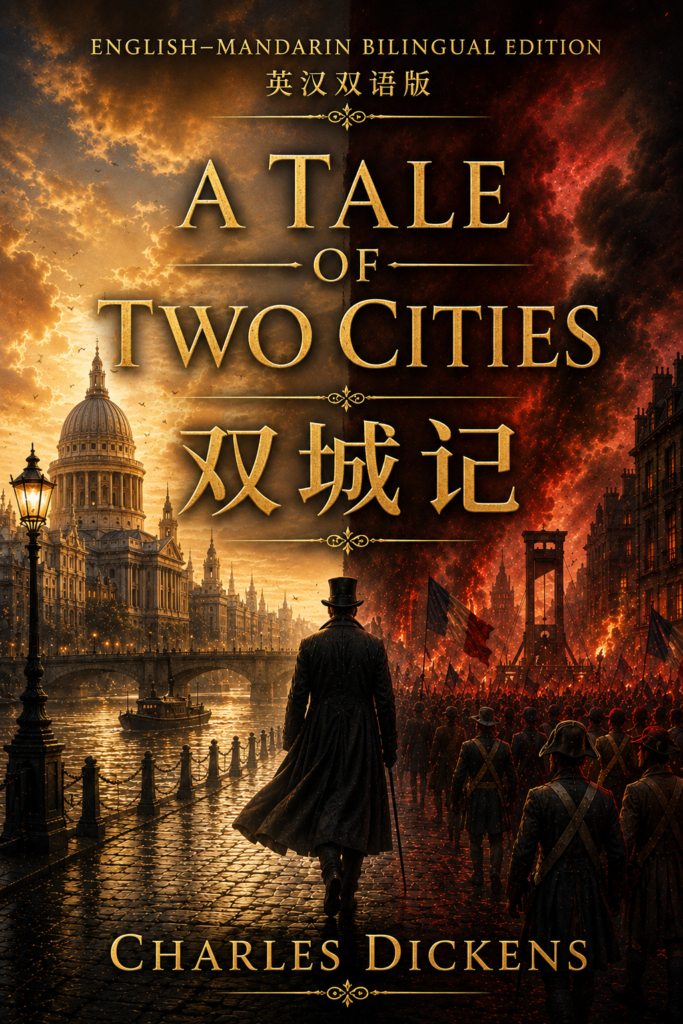
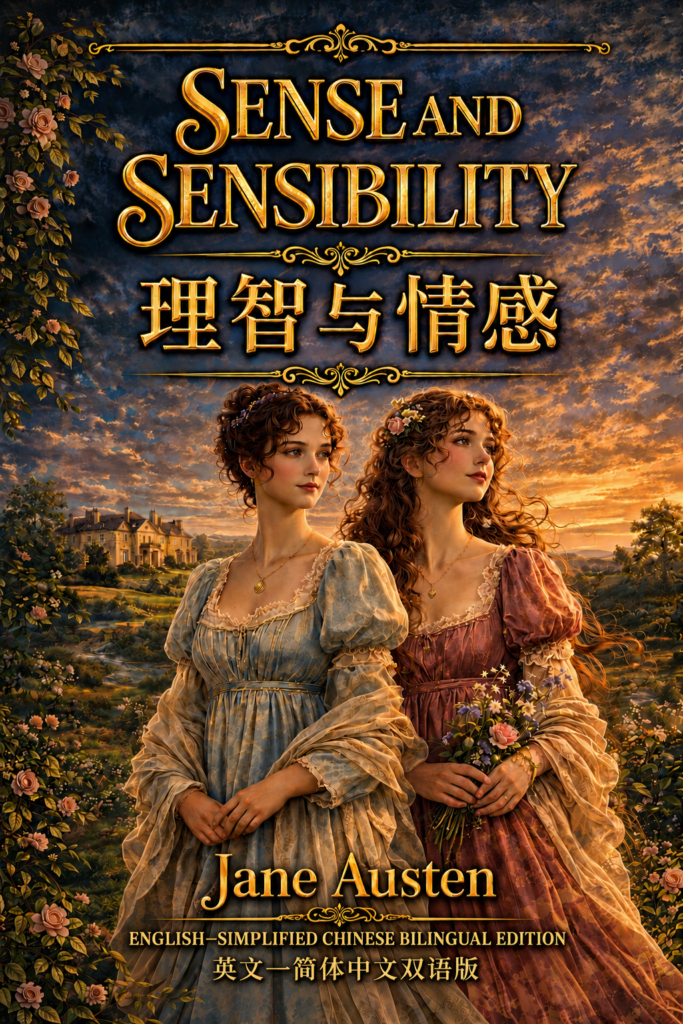
Recent work with Jane Austen, Arthur Conan Doyle and Charles Dickens brings these problems into sharp focus. Their styles are very different, but all three demonstrate the same truth: faithful literary translation is less about copying the shape of the original than preserving its life.
The architecture of a long sentence
Nineteenth-century English prose is full of sentences that seem to contain rooms, corridors and staircases. A main thought may be delayed by several clauses; an observation may turn into a qualification, then an aside, before finally arriving at its point. The structure is not accidental. It can imitate a character’s hesitation, build comic tension, pile pressure onto an argument or sweep the reader forward in a burst of emotion.
Spanish can often sustain long, elegantly linked sentences, but the English word order cannot simply be carried across. Clauses may need to be rearranged, pronouns clarified and connections made more natural. Preserve every grammatical turn too literally and the result can sound heavy or foreign. Break the sentence too aggressively and the author loses rhythm. Austen’s controlled irony becomes blunt. Dickens’s accumulating energy turns into a row of flat statements.
Mandarin presents a different problem. A long English sentence may depend on layers of subordination that do not sit naturally in the same order in Chinese. The relationships between ideas may need to be rebuilt through shorter units, clearer transitions or carefully repeated subjects. Yet splitting is not automatically an improvement. If every complex sentence becomes several short ones, the translation may be easy to decode but no longer sound like Austen or Dickens.
The paragraph matters too. A long paragraph is often a complete movement of thought. Dividing it for convenience can change pacing and emphasis; preserving it blindly can exhaust the target-language reader. The task is to understand the architecture first, then rebuild it with different materials without changing the shape of the experience.







When one word carries a whole world
Classic literature contains ordinary-looking words that once carried precise social and emotional meanings. In Austen, terms connected with sense, sensibility, accomplishment, propriety and fortune are never merely decorative. They belong to a society in which marriage, money, reputation and family position determine a woman’s choices. A modern equivalent may be technically close while quietly removing half the implication.
Doyle’s vocabulary creates a different world: consulting detectives, hansom cabs, lodgings, police inspectors, private gentlemen, colonial references and the professional language of medicine and law. Dickens moves between legal phrasing, political rhetoric, street speech, comic exaggeration and almost biblical repetition. The same English word can carry a different force depending on the speaker, the decade and the social setting.
A good translation therefore begins with interpretation. Before choosing a Spanish or Chinese word, the translator must ask what the English word is doing in that particular scene. Is it conveying information? Marking class? Hiding an insult beneath politeness? Repeating a motif? Making the reader uneasy? The best equivalent is the one that performs the same job, not necessarily the one that looks most similar in a dictionary.
Slang, dialect and the sound of social class
Slang is difficult because it belongs to a particular place and moment. Replace Victorian English slang with modern regional Spanish and a London character may suddenly sound as if he comes from contemporary Madrid, Mexico City or Buenos Aires. Use current Chinese internet slang and the story becomes dated in an entirely new way. Avoid slang altogether and a lively street voice becomes colourless.
Dialect is even more delicate. Non-standard spelling and grammar may tell the original reader where a character comes from, how others judge them and where they stand in the social order. There is rarely an equivalent Spanish or Chinese dialect with the same associations. Substituting one local dialect for another can create a false geography or turn a serious character into a caricature.
The safer aim is usually to preserve the degree and purpose of difference. A character can sound less educated, more local, more formal, more pompous or more direct without being transplanted into a different culture. The translator looks for changes in register, vocabulary and rhythm that reproduce the social contrast while leaving the story in its original world.
For Spanish, this also argues for a broadly neutral, international style. Neutral does not mean bland. The dialogue must still possess energy and personality, but it should avoid unnecessary regionalisms that exclude readers or move the story somewhere it does not belong. In Mandarin, the corresponding challenge is to keep the prose fluent in Simplified Chinese without replacing Victorian relationships with modern Chinese speech habits.
Culture without a lecture
Classic novels assume that their first readers understand the world around the characters. Austen does not pause to explain every rule of inheritance, every consequence of a compromised reputation or the precise meaning of an income stated in pounds per year. Doyle expects familiarity with Victorian London, social titles, domestic servants and police ranks. Dickens can move between English courts and revolutionary France without stopping the narrative for a history lesson.
A reader in another language – or a modern English reader – may not share that background. The translator must decide what can remain implicit, what needs gentle clarification in the wording, and what belongs outside the story. Explain too much inside the prose and the narrator becomes intrusive. Explain too little and a character’s fear, opportunity or disgrace may seem irrational.
This is where well-designed supporting material earns its place. A concise introduction to Regency society, Victorian London or the French Revolution can prepare the reader without crowding the novel. Character insights and historical notes can reveal why a decision matters while allowing the story itself to continue at full speed. The goal is not to simplify the classic, but to remove barriers that its original audience never faced.



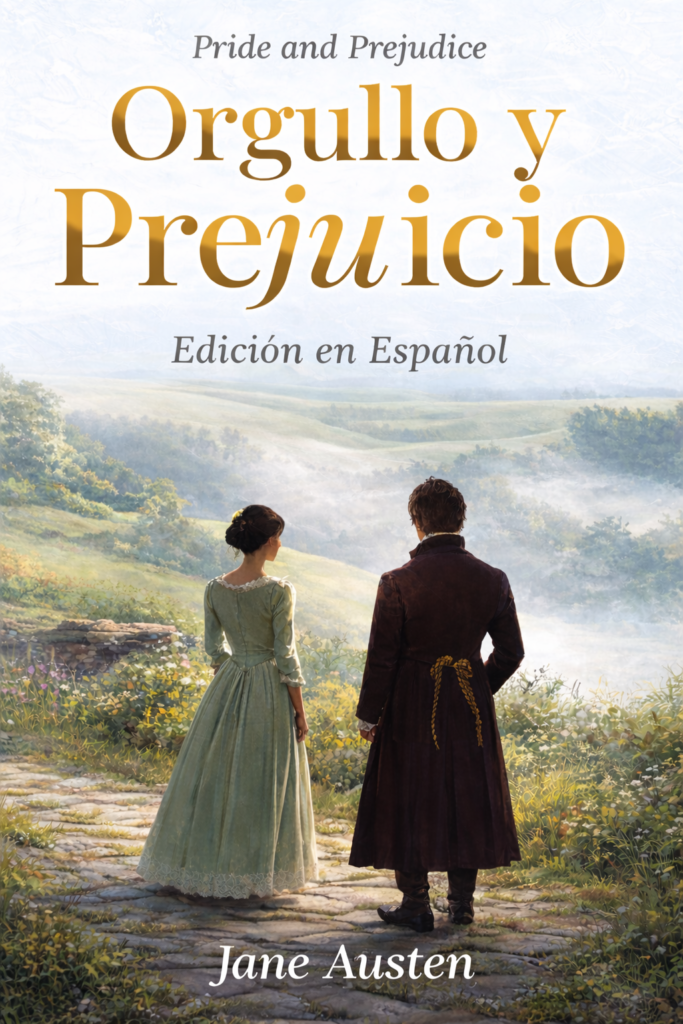


Preserving tone and humour
Humour is rarely contained in a single word. It may depend on timing, social embarrassment, a double meaning or the distance between what a character says and what the reader understands. A translation can explain the literal meaning perfectly and still lose the joke.
Austen is the clearest warning. Her irony often wears impeccable manners. A sentence may appear to praise a character while quietly exposing vanity, foolishness or self-deception. If the Spanish or Chinese version strengthens the criticism, the subtle smile becomes a lecture. If it follows the polite surface too closely, the irony disappears. The translation must allow two meanings to remain alive at once.
Dickens poses almost the opposite danger. His prose can be theatrical, excessive, sentimental and fiercely satirical – sometimes within the same page. Tidying the repetition or restraining the exaggeration may produce smoother prose, but it also makes Dickens less Dickensian. His energy depends on the very features a cautious translator may be tempted to remove.
Doyle’s humour often emerges through contrast. Watson’s warmth and admiration meet Holmes’s abrupt certainty; a client’s dramatic confusion meets the detective’s precise attention. The language need not sound like a joke. The humour survives when the relationship between the voices survives.
Letting every character keep a voice
Characters do not merely say different things. They say them differently. Elinor Dashwood’s restraint should not sound like Marianne’s emotional openness. Holmes’s clipped deductions should not sound like Watson’s humane storytelling. Sydney Carton’s weary intelligence should not be confused with Stryver’s loud confidence. When all dialogue is translated into the same polished register, the novel loses one of its principal methods of characterisation.
Maintaining voice requires consistency across hundreds of pages. Vocabulary, sentence length, forms of address, directness and emotional temperature all contribute to a character’s verbal fingerprint. A choice that works in isolation may create a problem later if a recurring phrase, title or relationship is translated differently from chapter to chapter.
This is one reason literary translation demands repeated review. A first pass may establish meaning; later passes test tone, continuity and personality. The question is no longer simply, ‘Is this sentence accurate?’ It becomes, ‘Would this person really say it this way, and does the reader feel what the original reader was meant to feel?’
Classic should not mean stiff
Another temptation is to make every translated classic sound grandly old-fashioned. Because the English text is two centuries old, the Spanish or Chinese version is pushed into the most formal language available. The result may look literary while becoming far less readable than the original was to its first audience.
A classic should retain the dignity and atmosphere of its period, but it should not sound as though every character is delivering a ceremonial speech. Drawing-room conversation needs movement. An argument needs heat. A chase needs speed. A joke needs timing. A reader should be able to forget the act of translation and enter the scene.
Natural language is not the same as modernising everything. Contemporary slang, casual shortcuts and fashionable expressions can break the historical spell just as quickly as artificial archaism can smother it. The target is a clear, elegant middle register: readable now, appropriate to the setting, and flexible enough to accommodate each author’s distinctive style.
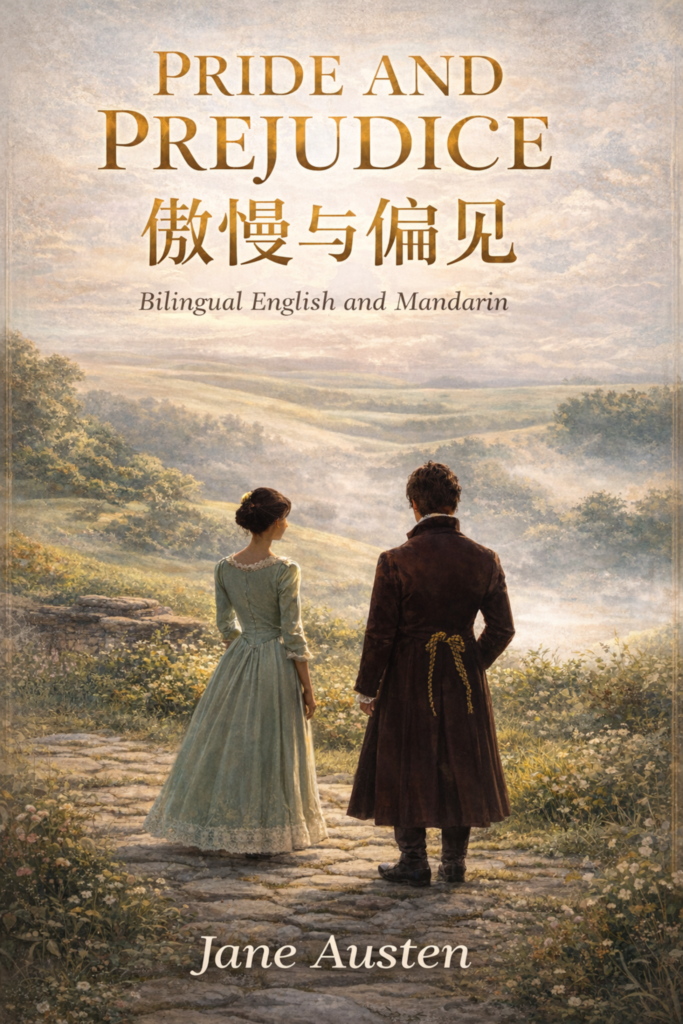
The special challenge of a bilingual edition
A bilingual edition raises the standard again because the original and translation remain visibly beside one another. Readers can compare not only meaning but length, emphasis, paragraph structure and tone. Awkward choices cannot hide. At the same time, the text must be divided into blocks that are comfortable to compare without cutting an idea, speech or letter at the wrong point.
Very large blocks make language comparison tiring. Very small blocks interrupt the story and turn literature into an exercise sheet. Long paragraphs may need careful internal division, but the translation must still correspond clearly to the English passage. Letters, speeches and rapid dialogue bring their own problems. Alignment is therefore not merely a formatting task; it depends on understanding where a complete unit of meaning actually ends.
When it works, the bilingual format offers something valuable to several kinds of reader at once. A learner can use the original for support, a bilingual reader can appreciate the translator’s decisions, and someone returning to a first language can enjoy the story without losing contact with the English text. The format makes translation visible while allowing the novel to remain central.
Translation is revision, not conversion
The hardest errors in literary translation are not always obvious mistranslations. They are small losses repeated across a book: one character becoming slightly too formal, one joke becoming too explicit, one recurring image changing its wording, one long sentence losing its momentum. Any single example may appear harmless. Together they can change the personality of the novel.
Quality therefore comes from revisiting the work at several levels. Does each sentence make sense? Does the paragraph move naturally? Are names, titles and recurring terms consistent? Does a tense scene still feel tense? Is the humour still discoverable? Does the language sound written in Spanish or Chinese, rather than English wearing foreign vocabulary? And, finally, does the book remain recognisably the work of Austen, Doyle or Dickens?
There is no perfect answer to every problem. A pun may demand a new image. A long sentence may need one carefully placed break. A cultural assumption may need a light touch of clarification. Literary faithfulness is not obedience to the surface of the text; it is disciplined judgement about what must survive when form and meaning can no longer travel together unchanged.
Letting the original author speak again
The best translation does not make the reader admire the translator on every page. It lets Austen smile, Holmes deduce and Dickens thunder in another language. The words are different, but the intelligence, emotion and personality behind them remain.
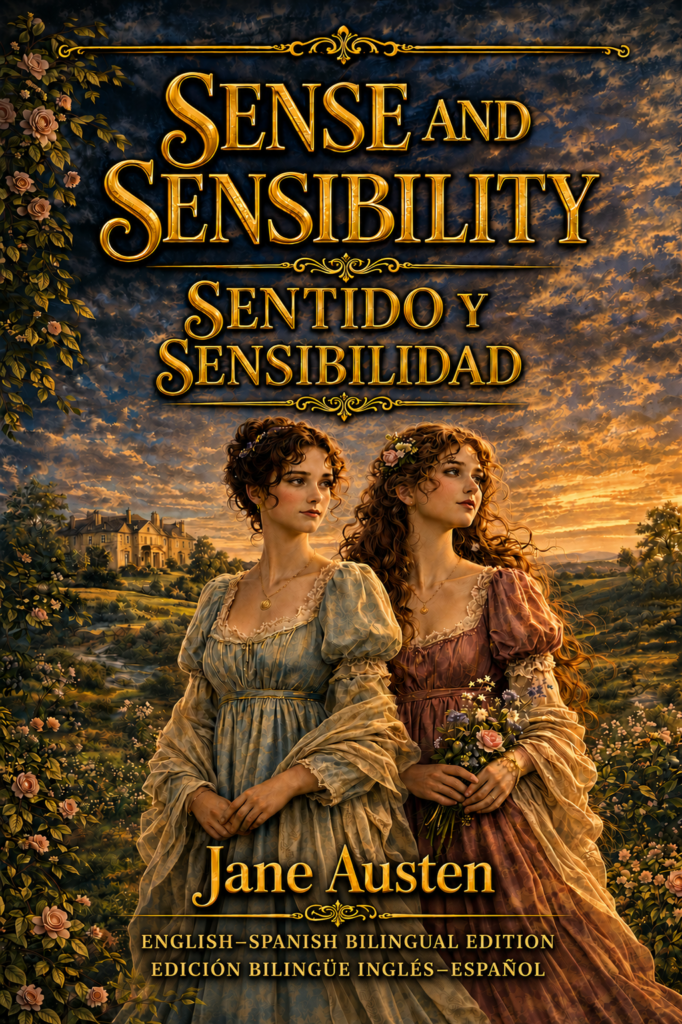
That is the principle behind the translated and bilingual editions prepared by Heritage Quill Press and Classic Translations. Complete, unabridged texts are presented in translations shaped for readability rather than reduced to mechanical word-for-word substitution. Supporting sections provide historical and character context where it genuinely improves the reading experience, leaving the story free to do what it has always done.
A classic crosses a language border successfully only when it arrives as more than a sequence of correct sentences. It must arrive with its voice, its humour, its world and its humanity intact.

Whodunit Better
When Novels Were Released Like a TV Series

What Classic Horror Was Really Trying to Tell Us

Jane Austen vs the Brontë Sisters

Why did Mark Twain not like James Fenimore Cooper?

Classic Literature Quiz (Part 1): How Well Do You Know the Classics?

Have the Jane Austen Movies Replaced the Books?

Why I Hate Shakespeare

Why Jane Austen Remains So Popular