The Real Monster Is Human: What Classic Horror Was Really Trying to Tell Us
When most readers think of horror, they think of monsters.
They imagine vampires emerging from the darkness, strange creatures stitched together in laboratories, invisible men stalking unsuspecting victims, or twisted beings lurking on remote islands.
The assumption seems obvious.
The monster is the source of fear.
The monster is the villain.
The monster is what the story is about.
Yet many of the greatest works of classic horror are doing something far more interesting.
Look closely at the novels that helped define the genre and a surprising pattern begins to emerge.
Again and again, the creature is not the true monster.
The real monster is often human.
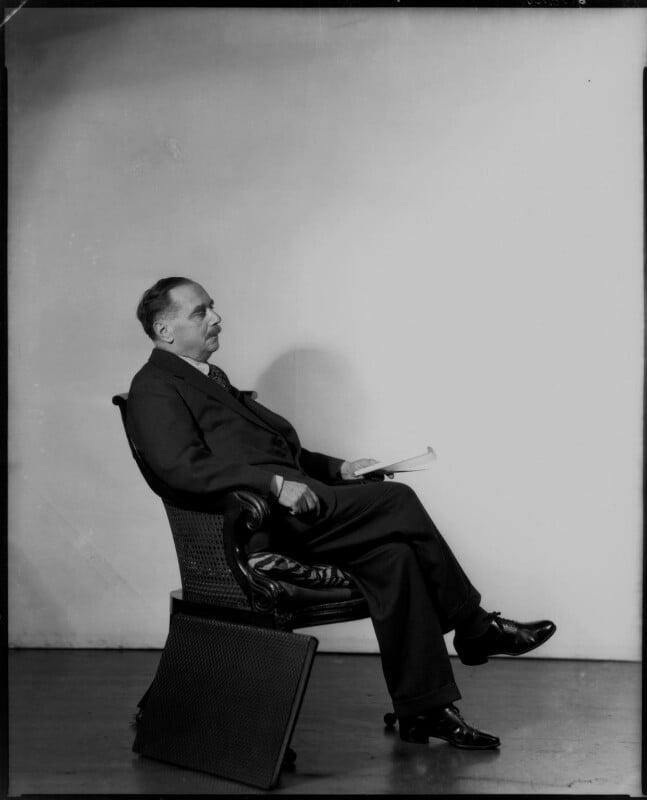
Mary Shelley, Robert Louis Stevenson, H. G. Wells, and Bram Stoker were not simply writing stories designed to frighten readers. They were using horror as a way to explore ambition, temptation, cruelty, power, responsibility, morality, and the darker possibilities hidden within human nature.
Their monsters were never just monsters.
They were mirrors.
That is one reason these books continue to resonate more than a century after they were written. The settings may belong to the Gothic past, but the questions they ask remain deeply relevant.
What happens when ambition overwhelms responsibility?
What happens when power is freed from consequences?
What happens when curiosity ignores morality?
What happens when temptation wins?
The answers continue to haunt readers because they are ultimately questions about ourselves.
Frankenstein: The Creature Is Not the Monster
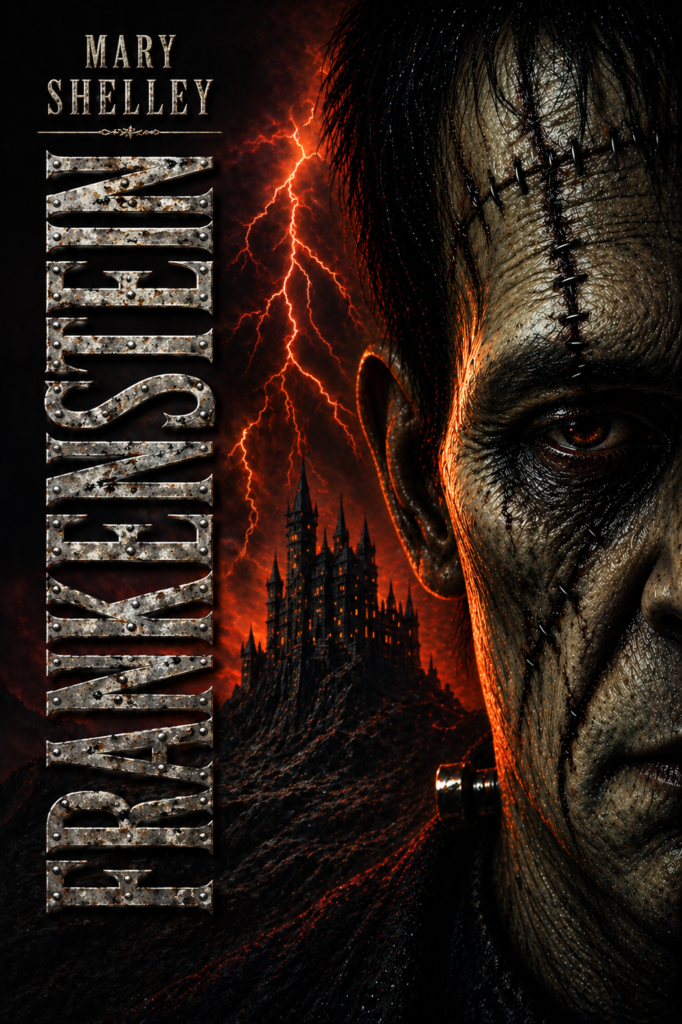
Few novels challenge our assumptions about monsters more effectively than Mary Shelley’s Frankenstein.
Popular culture has transformed the Creature into an icon of horror. Generations of films, illustrations, and adaptations have encouraged audiences to see him as the novel’s villain.
The book itself tells a more complicated story.
When the Creature first enters the world, he possesses none of the qualities we normally associate with a monster.
He is curious.
He is intelligent.
He is capable of kindness.
He is fascinated by beauty.
Most importantly, he longs for connection.
He observes human beings from a distance and admires them. He learns language. He educates himself. He dreams of friendship and acceptance.
Yet everywhere he turns, he is rejected.
Strangers flee from him.
Villagers attack him.
People judge him solely by his appearance.
Most devastating of all, Victor Frankenstein abandons him almost immediately.
This is the crucial moment in the novel.
Victor succeeds in creating life, but he fails in the responsibilities that accompany creation.
He refuses to guide the being he has brought into existence. He refuses to care for him. He refuses even to acknowledge him.
The Creature’s descent into violence emerges from this rejection.
None of this excuses the terrible acts he later commits.
Yet Shelley repeatedly asks readers to consider a difficult question.
Who bears greater responsibility for the tragedy?
The lonely being desperately searching for companionship?
Or the creator who abandoned his responsibilities the moment they became inconvenient?
This question transforms the novel.
The Creature may look like a monster.
Victor behaves like one.
His pride, irresponsibility, and inability to accept the consequences of his actions drive the story toward catastrophe.
The true horror of Frankenstein is not the creation of life.
It is the failure to take responsibility for it.
Dr Jekyll and Mr Hyde: The Monster Was There All Along
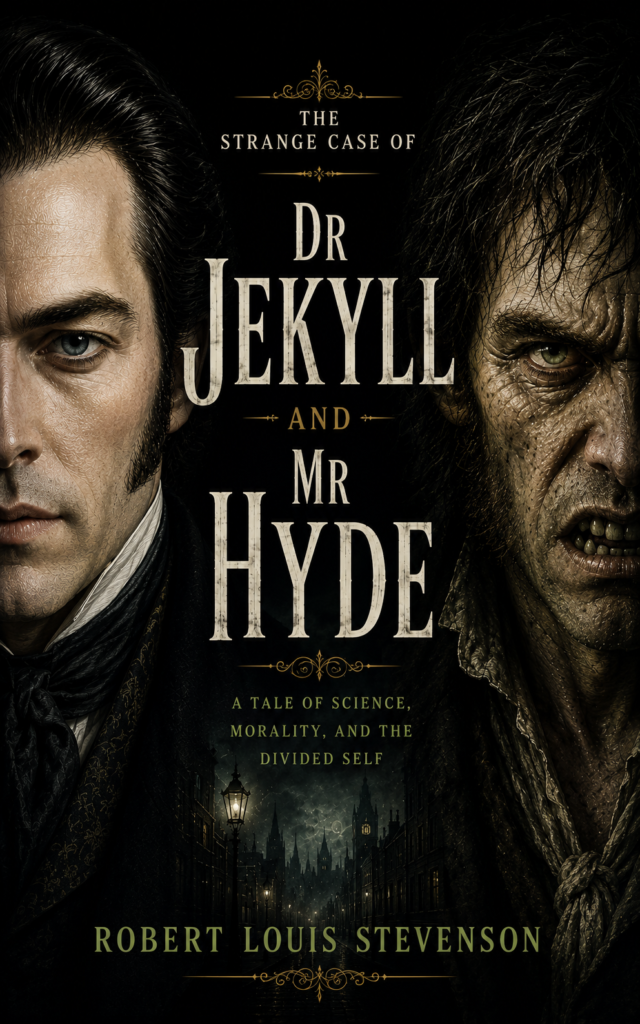
If Frankenstein blurs the distinction between man and monster, Robert Louis Stevenson’s The Strange Case of Dr Jekyll and Mr Hyde removes it entirely.
There is no external creature.
There is no supernatural beast.
There is only a man.
At first, Edward Hyde appears to be a separate figure—a sinister and disturbing presence moving through the streets of London.
The novel’s great revelation changes everything.
Hyde is Jekyll.
The monster and the gentleman are the same person.
This remains one of the most powerful ideas in all of horror literature.
Stevenson understood that the most frightening possibility was not that evil might come from somewhere else.
It was that evil might already exist within ordinary people.
Jekyll is not possessed.
He is not cursed.
He is not controlled by an outside force.
Instead, he deliberately chooses to separate himself from the moral restraints that normally govern his behavior.
Hyde represents desires, impulses, and temptations that Jekyll already possesses.
The experiment does not create the darkness.
It reveals it.
This is why the novel remains so unsettling.
Readers recognize that the struggle between Jekyll and Hyde is not unique to one character.
It is a metaphor for a conflict that exists within every human being.
The battle between conscience and temptation.
The battle between responsibility and desire.
The battle between the person we are and the person we might become.
The monster is not hiding in the shadows.
The monster is already inside the house.
Related Novels
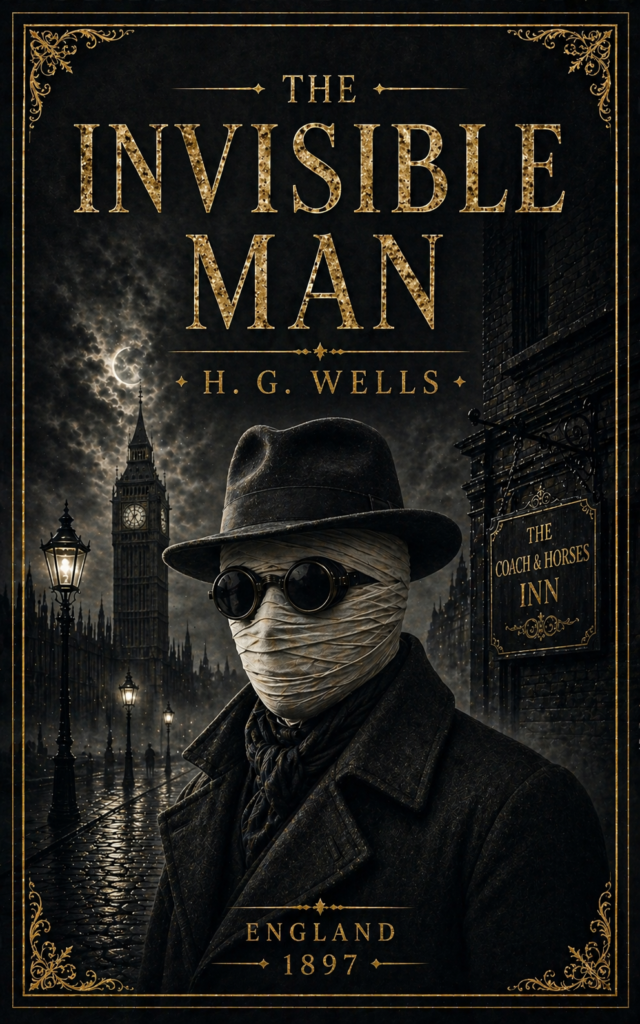
The Invisible Man: Power Does Not Corrupt—It Reveals
H. G. Wells approached the same question from a different angle.
Rather than asking what happens when temptation is unleashed, he asked what happens when consequences disappear.
Griffin’s discovery of invisibility is often remembered as a scientific marvel.
Yet Wells quickly shifts the reader’s attention away from the invention itself.
The real story concerns what Griffin chooses to do with his newfound power.
This distinction matters.
Many readers assume that invisibility somehow transforms Griffin into a villain.
The novel suggests something different.
Invisibility reveals who Griffin already is.
Freed from social constraints and protected from many of the consequences of his actions, he becomes increasingly selfish, manipulative, and cruel.
He sees other people as obstacles.
He views power as entitlement.
He believes his intelligence places him above ordinary moral obligations.
The horror of the novel does not come from invisibility.
It comes from character.
After all, invisibility itself is morally neutral.
Given to another individual, it might have produced a very different story.
The danger lies not in the scientific discovery but in the person who possesses it.
Wells understood a truth that remains relevant today.
Power often reveals rather than creates.
When people believe they can act without consequences, their true priorities become visible.
The invisible man is frightening because he demonstrates what happens when intelligence exists without empathy and power exists without accountability.
The Island of Doctor Moreau: The Beasts Are Not the Horror
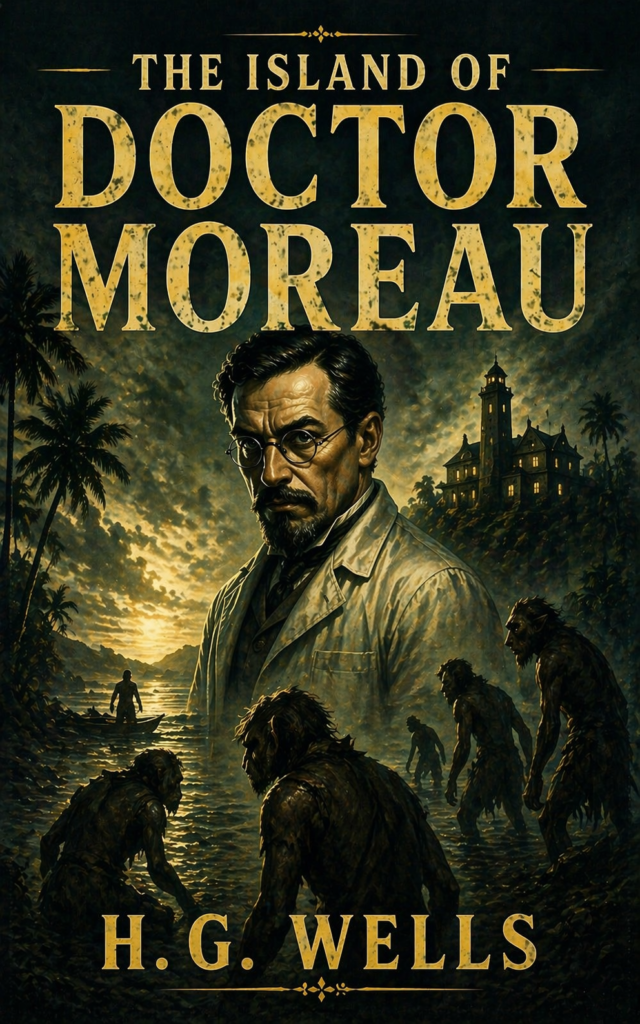
If The Invisible Man explores the dangers of power, The Island of Doctor Moreau explores the dangers of knowledge without morality.
At first glance, the novel appears to present obvious monsters.
The Beast Folk are strange, unsettling, and difficult to categorize. Their appearance immediately triggers fear and suspicion.
Readers naturally assume they represent the novel’s primary horror.
Then Wells slowly reverses that assumption.
As the story unfolds, sympathy increasingly shifts toward the creatures.
The Beast Folk did not choose their condition.
They did not ask to become experimental subjects.
They are victims.
Doctor Moreau is something far more disturbing.
Unlike his creations, Moreau understands exactly what he is doing.
He knowingly inflicts suffering in pursuit of scientific goals.
He dismisses compassion as weakness.
He treats living beings as tools.
Pain becomes irrelevant if it advances his research.
The more readers learn about Moreau, the more unsettling he becomes.
His monstrosity is not physical.
It is moral.
This is why the novel remains so powerful.
The Beast Folk may look frightening.
Moreau behaves frighteningly.
Wells forces readers to confront an uncomfortable possibility.
The greatest threat is not the creature altered by science.
It is the scientist who believes ethics can be ignored.
Dracula: The Exception That Proves the Rule
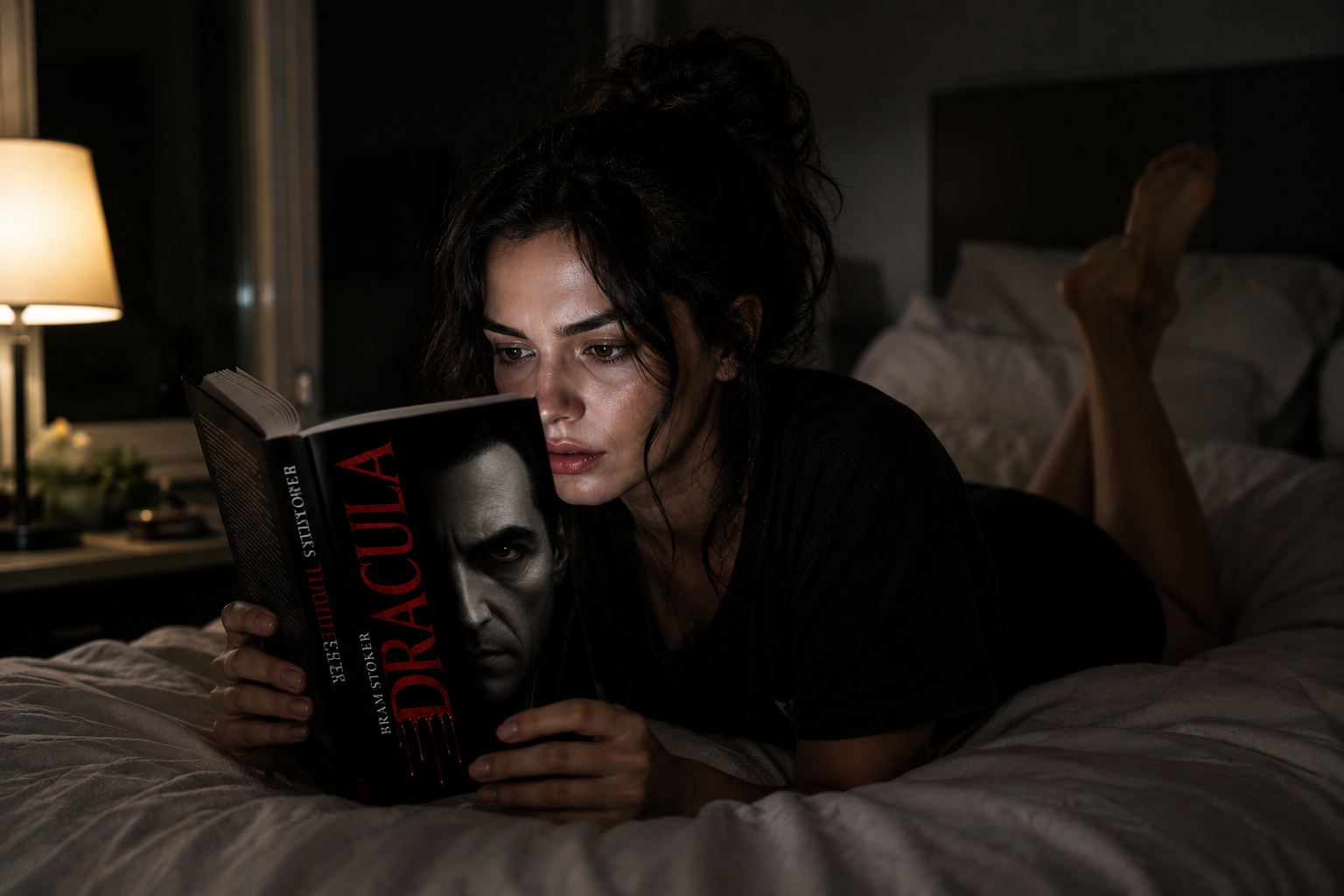
Then there is Dracula.
After examining Frankenstein, Jekyll, Griffin, and Moreau, a pattern clearly emerges.
Again and again, the true monster turns out to be human.
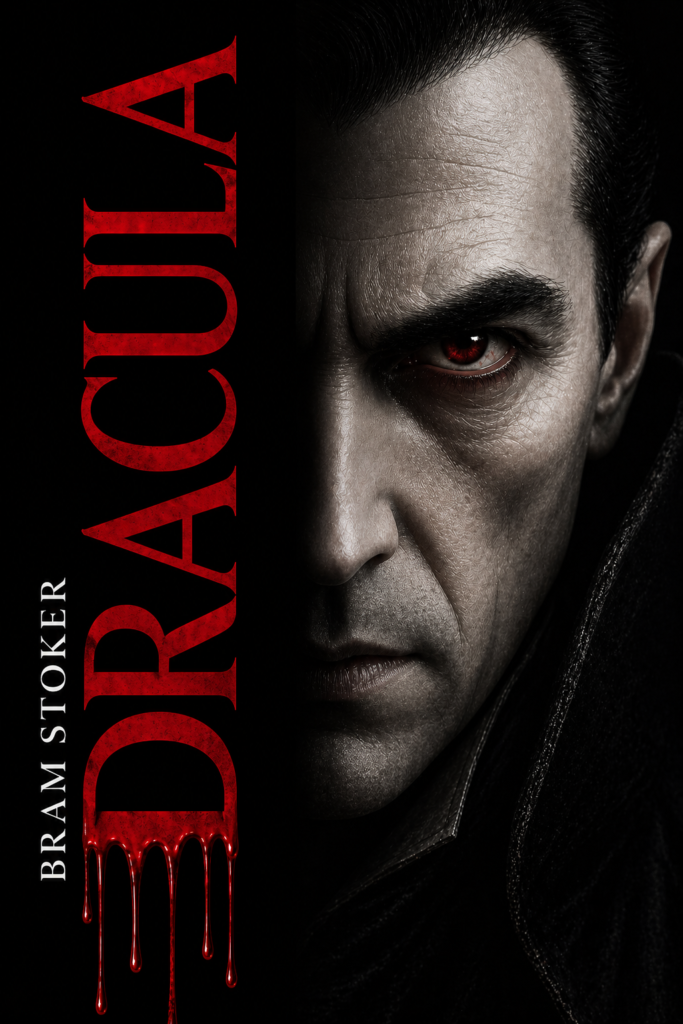
Then Bram Stoker gives us Count Dracula.
Unlike the other figures discussed in this article, Dracula genuinely is a monster.
He is not misunderstood.
He is not a victim.
He is not sympathetic.
He is not the product of poor choices or moral weakness.
He is a predator.
A vampire.
A force of corruption and destruction.
In many ways, Dracula represents the traditional monster readers expect from horror fiction.
Yet even here, something interesting happens.
The novel’s emotional center is not Dracula.
It is the people who oppose him.
Jonathan Harker.
Mina Harker.
Van Helsing.
Arthur Holmwood.
Dr. Seward.
Quincey Morris.
These characters give the story its emotional power.
Readers remember Dracula.
But they care about the people fighting him.
The novel ultimately becomes a celebration of courage, loyalty, sacrifice, friendship, and perseverance.
Even when classic horror presents a genuine monster, it remains deeply interested in humanity.
Dracula is the exception that proves the rule.
What These Authors Were Really Writing About
One reason classic horror continues to endure is that these novels are rarely about the things they appear to be about.
Mary Shelley was not primarily writing about a creature assembled from corpses.
She was writing about responsibility.
Stevenson was not primarily writing about a transformation serum.
He was writing about temptation.
Wells was not primarily writing about invisibility.
He was writing about power.
Wells was not primarily writing about animal-human hybrids.
He was writing about ethics.
Stoker was not primarily writing about vampires.
He was writing about courage.
The monsters attract our attention.
The ideas keep us reading.
That combination helps explain why these books have survived while countless others have faded into obscurity.
Their authors understood that horror becomes most effective when it is connected to something profoundly human.
Related Authors
Why Classic Horror Still Matters
The scientific details may belong to another era.
The Gothic settings may feel distant.
The language may reflect a different century.
Yet the fears at the heart of these novels remain surprisingly modern.
Ambition still exists.
Temptation still exists.
Power still exists.
Unethical science still exists.
Courage remains necessary.
The questions these books ask have not disappeared.
They have simply taken new forms.
That is why readers continue to discover and rediscover these stories.
The monsters may be fictional.
The human problems are not.
The Monster in the Mirror
The enduring power of classic horror lies in its refusal to keep evil at a safe distance.
A vampire can be hunted.
A creature can be feared.
A strange experiment can be condemned.
Those threats remain external.
They remain separate from us.
The greatest horror writers understood something far more unsettling.
The most frightening monster is often not the one lurking in the darkness.
It is the one capable of being created by ambition, temptation, pride, cruelty, or power.
Again and again, classic horror directs our attention away from the creature and toward the human being standing beside it.
Victor Frankenstein.
Dr. Jekyll.
Griffin.
Doctor Moreau.
Their stories endure because they force readers to confront difficult truths about human nature.
Only Dracula stands apart as a genuinely monstrous figure.
Yet even there, the novel ultimately celebrates the courage and humanity of those who oppose him.
Perhaps that is the real lesson of classic horror.
The creature may haunt our dreams.
But the human heart remains the true subject of the story.
And that is far more frightening than anything waiting in the shadows.