









Herman Melville:
Where Adventure Meets Philosophy
Most adventure novels ask a simple question:
What happens next?
Will the treasure be found?
Will the heroes survive?
Will the journey succeed?
Herman Melville was interested in different questions.
Why do people pursue things that may ultimately destroy them?
How should we respond to a world we cannot fully understand?
What gives life meaning?
What happens when ambition becomes obsession?
More than a century after his death, Melville remains one of literature’s most fascinating figures because he used adventure not merely to entertain readers, but to explore some of humanity’s deepest questions. His stories contain ships, oceans, distant lands, danger, and excitement. Yet beneath these adventures lies something far more enduring.
Philosophy.
This is particularly true of his masterpiece, Moby-Dick. Although the novel is often remembered as a story about a whale hunt, the whale itself is not the reason readers continue to discuss the book more than 170 years after its publication.
The whale was never really the point.
Melville was interested in something much larger.
He was interested in humanity itself.
Related Novels






The Sailor Who Became a Writer
Unlike many authors who wrote about distant adventures from the comfort of their desks, Melville experienced life at sea firsthand.
Born in New York City in 1819, he went to sea as a young man and spent years sailing aboard merchant and whaling vessels. These experiences exposed him to unfamiliar cultures, dangerous conditions, and the immense power of the natural world. They also provided the material that would shape much of his literary career.
The ocean became central to his writing.
Yet Melville was never simply documenting life at sea.
Many sailors have crossed oceans.
Many authors have written about voyages.
What made Melville unique was his ability to transform those experiences into explorations of larger ideas.
For him, a voyage was never merely a voyage.
It was an opportunity to examine human nature.
A storm was not merely bad weather.
It became a reminder of humanity’s limitations.
A whale was not merely an animal.
It became a symbol capable of carrying countless interpretations.
Melville’s experiences gave his stories authenticity, but it was his willingness to ask difficult questions that elevated them beyond adventure fiction.
Adventure as a Vehicle for Ideas
Many readers encounter Melville expecting action and excitement.
They find those things.
What often surprises them is the depth of thought beneath the surface.
Adventure was never Melville’s destination.
It was his vehicle.
He understood that extraordinary circumstances reveal important truths about people. Remove individuals from their familiar surroundings, place them in difficult situations, and their deepest qualities begin to emerge.
This principle lies at the heart of much of Melville’s work.
Ships become floating societies.
Voyages become moral tests.
Danger becomes a means of exposing character.
The excitement of the adventure draws readers into the story, but once there, Melville invites them to consider questions that extend far beyond the plot itself.
This combination of action and reflection is one reason his work remains distinctive.
Many adventure stories entertain.
Melville’s adventures challenge readers to think.
The Sea Was Never the Real Subject
At first glance, Melville appears obsessed with the ocean.
His stories are filled with ships, sailors, storms, and voyages. The sea dominates his most famous works and provides the setting for many of his greatest scenes.
Yet the ocean itself is rarely the true subject.
Instead, it functions as something larger.
The sea represents uncertainty.
Mystery.
The unknown.
Humanity has always been drawn toward things it cannot fully understand. Vast oceans, distant horizons, and unexplored frontiers inspire both fascination and fear because they remind us of how little we truly know.
Melville understood this instinct.
His oceans are rarely just bodies of water.
They become reflections of life’s deepest uncertainties.
The sea can be beautiful.
It can be terrifying.
It can provide opportunity or destruction.
It can reveal truths or conceal them.
In this way, the ocean becomes a perfect setting for philosophical exploration.
The deeper his characters venture into the sea, the deeper readers are invited to venture into questions about existence, purpose, and human nature.
Melville and the Human Condition
Many great adventure writers transport readers to exciting places.
Melville transported readers into difficult questions.
This may be the most important distinction between Herman Melville and many of his literary contemporaries.
Readers often remember the ships, storms, and distant oceans that fill his novels. Yet these elements serve a larger purpose. They create situations in which fundamental aspects of human nature are revealed.
Melville was fascinated by the forces that drive people.
Why do some individuals remain hopeful while others surrender to despair?
Why do some pursue wisdom while others pursue power?
Why do people become consumed by ambitions that may ultimately destroy them?
These questions appear repeatedly throughout his work.
In many respects, Melville functioned less like a traditional adventure novelist and more like a philosopher working through fiction. Rather than presenting abstract arguments, he created characters and situations that allowed readers to confront difficult ideas for themselves.
His novels rarely provide simple answers.
Instead, they invite reflection.
This willingness to embrace complexity helps explain why his work continues to reward multiple readings. Readers often discover different meanings at different stages of life because the questions Melville explored are not easily resolved.
The human condition itself rarely offers simple conclusions.
Melville understood this.
And rather than avoiding uncertainty, he embraced it.
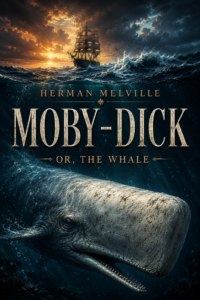
Captain Ahab and the Nature of Obsession
Few characters in literature are more memorable than Captain Ahab.
His pursuit of the white whale has become one of the most recognizable stories ever written.
Yet readers do not remember Ahab simply because he hunts a whale.
They remember him because they recognize something of themselves within him.
Obsession is a universal human experience.
Most people will never captain a whaling ship.
Few will ever encounter a whale.
Yet nearly everyone understands what it means to become consumed by a goal, a grievance, an ambition, or a desire.
Ahab transforms this familiar experience into something monumental.
The whale becomes the focus of his entire existence.
Everything else is secondary.
Reason.
Safety.
Relationships.
Even survival.
As readers watch his pursuit intensify, they are confronted with uncomfortable questions.
How far should someone go in pursuit of a goal?
When does determination become obsession?
What happens when a person’s identity becomes inseparable from a single objective?
These questions remain relevant because they are not really about whaling.
They are about being human.
Ishmael and the Search for Understanding
If Ahab represents certainty, Ishmael represents curiosity.
This contrast is one of the most important aspects of Moby-Dick.
Ahab believes he understands the whale.
He has assigned it meaning.
He has transformed it into an enemy.
He seeks answers.
Ishmael approaches the world differently.
He observes.
Questions.
Reflects.
Learns.
Where Ahab seeks certainty, Ishmael seeks understanding.
This distinction helps explain why the novel remains so rich and open to interpretation.
Readers are invited to choose their own perspective.
Do they approach life like Ahab, determined to impose meaning upon the world?
Or do they approach it like Ishmael, accepting uncertainty while continuing to search for understanding?
Melville never provides a simple answer.
Instead, he encourages readers to wrestle with the question themselves.
The Writer Who Was Ahead of His Time
One of the most remarkable aspects of Herman Melville’s career is that he did not live to see his greatest work fully appreciated.
Early in his career, Melville enjoyed considerable success. His South Seas adventure novels attracted readers eager for tales of distant lands and exotic experiences. Publishers welcomed his work, and his future appeared promising.
Then his ambitions changed.
Rather than continuing to produce straightforward adventure stories, Melville began writing increasingly complex works that explored deeper philosophical and psychological themes.
The result was Moby-Dick.
Today, the novel is widely considered one of the greatest achievements in American literature.
When it was published, many readers simply did not know what to make of it.
Some expected an adventure story and encountered lengthy reflections on philosophy, religion, and human nature.
Others found its structure unusual and its themes difficult to interpret.
Sales disappointed.
Critical responses were mixed.
As the years passed, Melville’s reputation declined. By the time of his death in 1891, he was largely forgotten by the reading public.
There is something almost tragic about this.
One of America’s greatest authors spent much of his later life believing that his most ambitious work had failed.
Yet history eventually reached a different conclusion.
Twentieth-century readers returned to Moby-Dick and discovered a novel far richer and more ambitious than many nineteenth-century critics had recognized.
What appeared strange became visionary.
What appeared excessive became profound.
What appeared unsuccessful became immortal.
Melville’s story serves as a reminder that literary greatness is not always immediately recognized. Sometimes a writer is speaking to a future audience rather than a contemporary one.
Related Authors

Robert Louis Stevenson

Homer
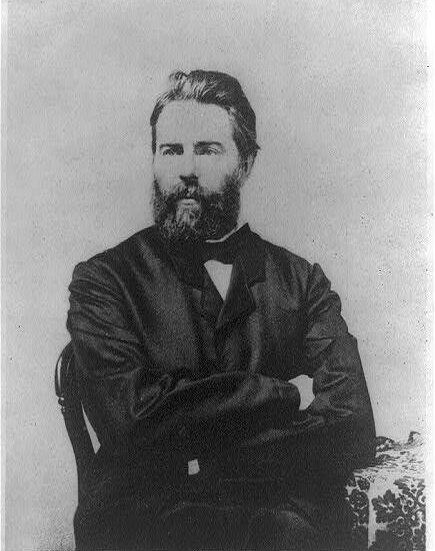
Herman Melville
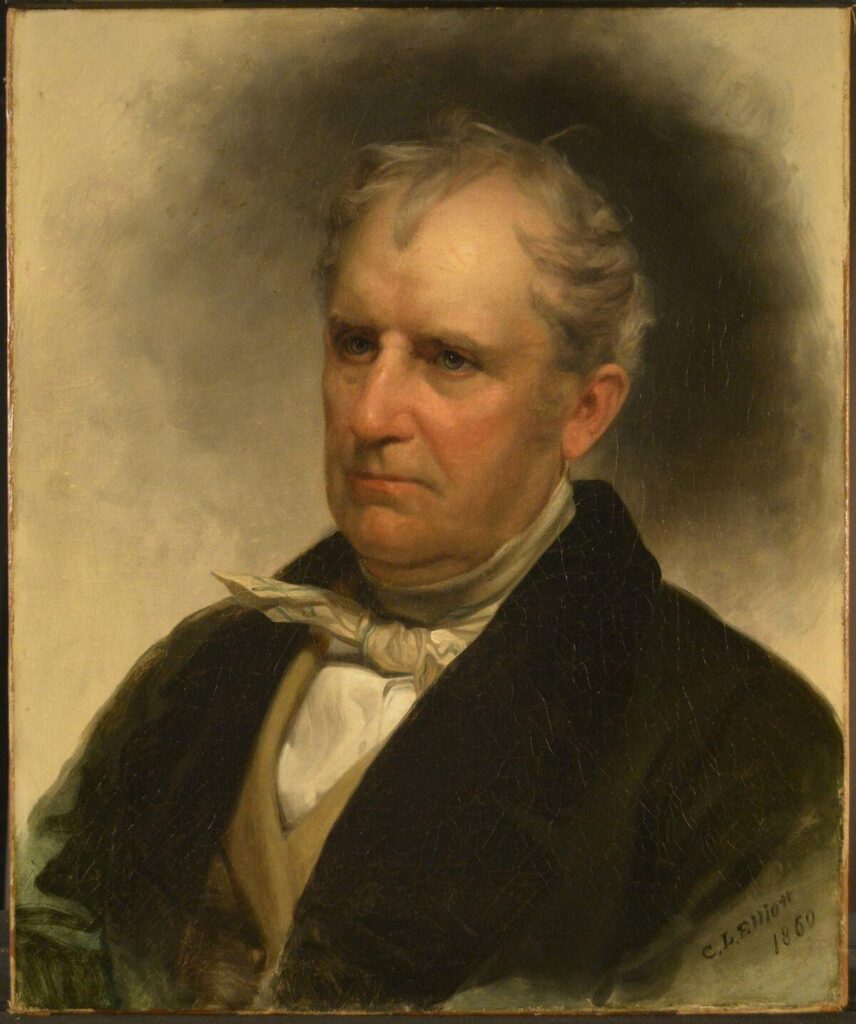
James Fenimore Cooper
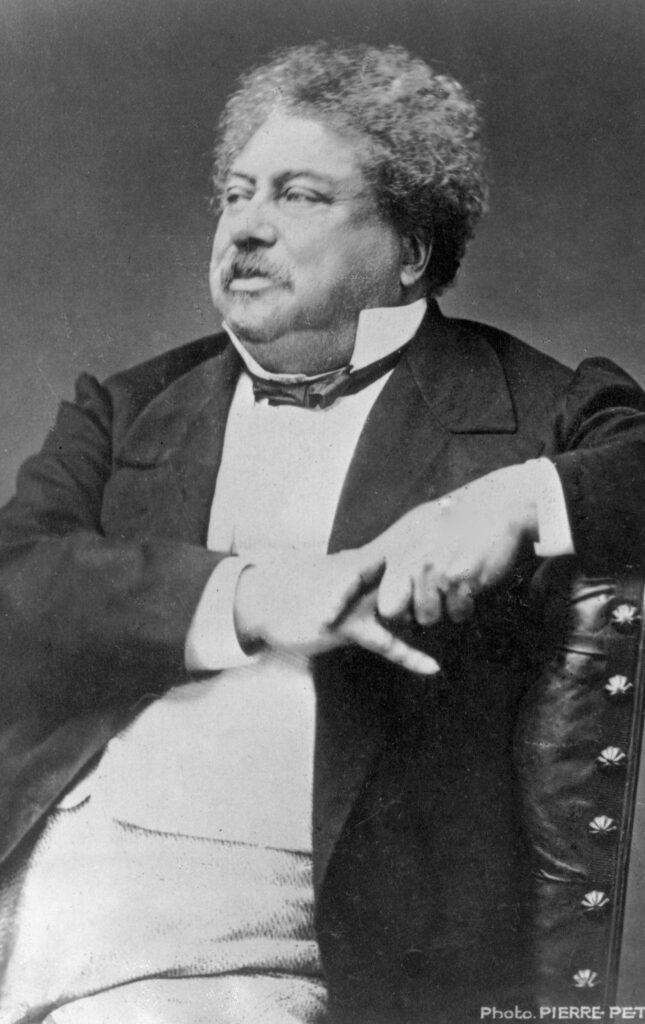
Alexandre Dumas
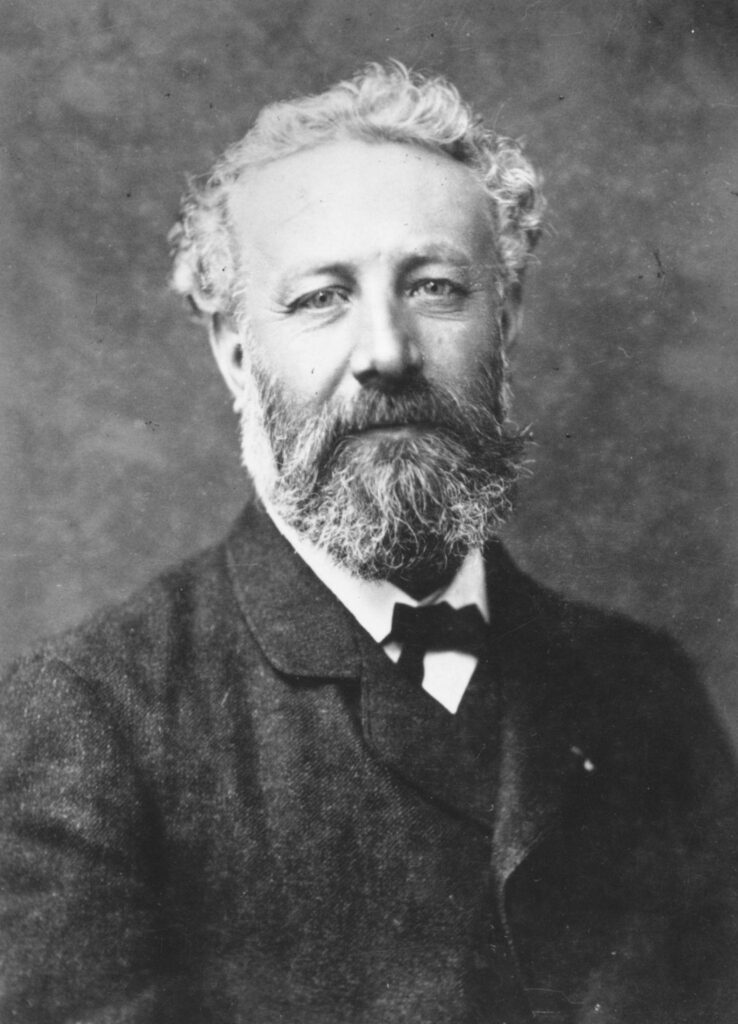
Jules Verne

Charles Dickens
Why Melville Was Different from Other Adventure Writers
Melville is often grouped with other classic adventure authors.
On the surface, this makes sense.
His novels contain voyages, danger, distant locations, and unforgettable characters.
Yet when compared with other great writers of adventure fiction, important differences emerge.
Jules Verne transformed curiosity into adventure.
His stories celebrate discovery, exploration, and possibility.
Robert Louis Stevenson focused on excitement, character, and the thrill of adventure itself.
Alexandre Dumas explored justice, revenge, loyalty, and transformation through fast-moving narratives filled with action and intrigue.
Melville pursued something different.
Again and again, he used adventure to investigate questions about meaning.
His characters are not merely trying to reach a destination.
They are searching for understanding.
His voyages are not simply physical journeys.
They are intellectual and spiritual journeys as well.
This distinction helps explain why some readers find Melville more challenging than other adventure writers.
The excitement is there.
The action is there.
But beneath those elements lies a deeper invitation.
Melville wants readers to think.
He wants them to question assumptions.
He wants them to wrestle with uncertainty.
Adventure provides the setting.
Philosophy provides the purpose.
That combination remains uniquely powerful.
Why Readers Still Need Herman Melville
The modern world offers an abundance of information.
Answers are available almost instantly.
Certainty is often valued more highly than reflection.
In such a world, Herman Melville remains surprisingly relevant.
His novels remind readers that not every important question has a simple answer.
They encourage humility in the face of complexity.
They acknowledge the limits of human knowledge while still affirming the importance of seeking understanding.
Perhaps this is why Moby-Dick continues to attract new generations of readers.
The novel does not tell readers what to think.
It invites them to think.
It does not simplify human experience.
It explores it.
It does not pretend that life’s deepest mysteries can be neatly resolved.
It recognizes that some questions may remain unanswered.
Modern readers continue to wrestle with purpose, ambition, obsession, identity, and meaning.
So did Melville.
The language may have changed.
The circumstances may have changed.
But the underlying questions remain remarkably familiar.
That is why his work endures.
Not because of the whale.
Not because of the ships.
Not even because of the ocean.
His work endures because he understood something timeless about humanity.
Where Adventure Meets Philosophy
Many writers have taken readers on unforgettable journeys.
Jules Verne invited readers to explore the unknown world.
Alexandre Dumas explored justice, revenge, and transformation.
Robert Louis Stevenson celebrated adventure itself.
Herman Melville did something rarer.
He used adventure to explore the deepest questions of human existence.
Adventure brought readers aboard his ships.
Philosophy kept them there.
The storms, voyages, and distant horizons continue to capture the imagination, but they are not the ultimate reason Melville endures.
Readers return because they recognize themselves within his stories.
They see their ambitions.
Their doubts.
Their obsessions.
Their search for meaning.
More than a century after his death, Herman Melville remains one of literature’s most enduring voices because he understood something timeless:
The greatest mysteries are not always found in distant oceans or uncharted waters.
Sometimes they are found within ourselves.
Articles

Why I Hate Shakespeare

When Novels Were Released Like a TV Series

Jane Austen vs the Brontë Sisters

Why Jane Austen Remains So Popular

What Classic Horror Was Really Trying to Tell Us

Have the Jane Austen Movies Replaced the Books?