










Jane Austen vs the Brontë Sisters:
Two Very Different Visions of Love and Romance
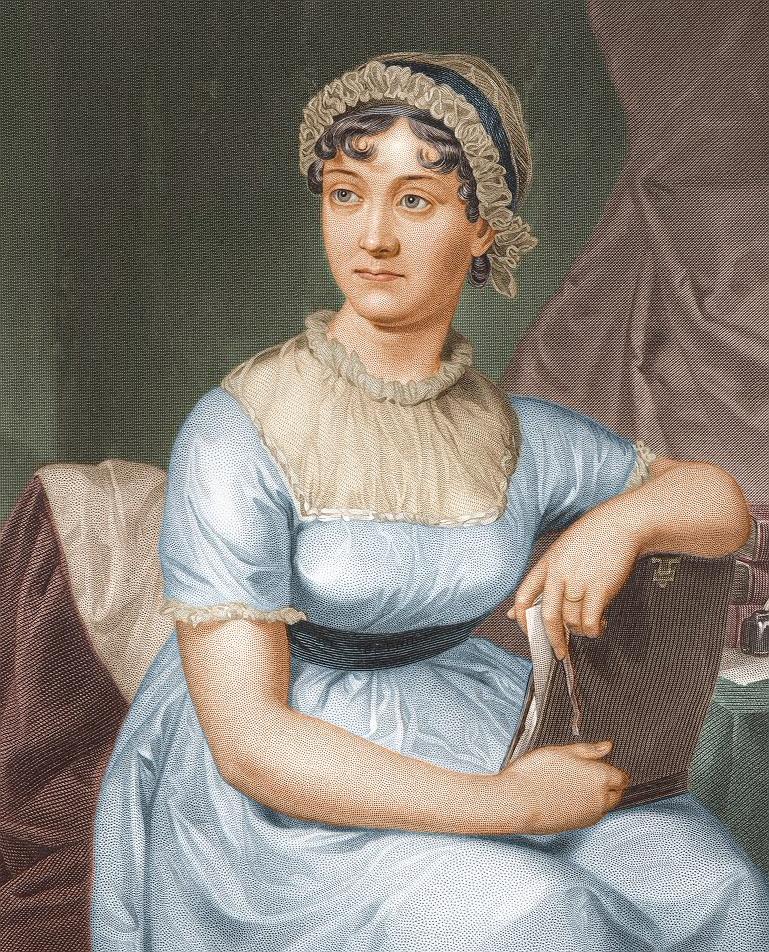
Few names in English literature are more closely associated with classic romance than Jane Austen and the Brontë sisters. More than two centuries after Austen first published her novels and over 175 years after Charlotte, Emily, and Anne Brontë transformed Victorian literature, readers continue to discover their works and fall in love with their unforgettable characters, emotional depth, and enduring stories.
At first glance, these authors appear to have much in common. Both Austen and the Brontës wrote about love, relationships, family, personal growth, and the challenges faced by women in nineteenth-century Britain. Their novels remain among the most widely read works in English literature, inspiring countless adaptations for film, television, and stage. New generations of readers continue to embrace Elizabeth Bennet, Mr. Darcy, Jane Eyre, Mr. Rochester, Anne Elliot, Catherine Earnshaw, and many others as though they were real people rather than fictional creations.
Yet despite these similarities, Jane Austen and the Brontë sisters offered readers two very different visions of love and romance.
Austen’s novels are often characterized by wit, social observation, humor, and carefully constructed relationships that develop through conversation, understanding, and personal growth. The Brontës, by contrast, frequently explored passion, longing, emotional intensity, isolation, and the darker complexities of the human heart. Austen tends to make readers smile; the Brontës often leave readers emotionally shaken.
Neither approach is superior. Indeed, one of the reasons both continue to attract devoted audiences is that they satisfy different emotional needs. When readers seek warmth, wit, and social comedy, they often turn to Austen. When they seek passion, emotional intensity, and psychological depth, they frequently find themselves drawn to the Brontës.
Understanding these differences helps explain why both literary traditions remain so popular and why readers often find room in their hearts for both.
The World of Jane Austen: Wit, Society, and the Search for Understanding
Jane Austen’s novels are set within a relatively small social world. Her characters attend balls, visit friends, exchange letters, discuss marriages, and navigate the expectations of family and society. On the surface, the stakes can appear modest compared with the dramatic events found in many other nineteenth-century novels.
Yet Austen understood that human happiness is often shaped by seemingly ordinary decisions.
The question of whom to marry, how to judge character, whether to follow one’s heart or social expectations, and how to balance personal happiness with family obligations are issues that remain deeply relevant today. Austen recognized that the most important battles are often fought not on battlefields but within the human mind.
Her genius lies in her ability to transform everyday social interactions into compelling drama. A conversation at a dinner table, a poorly judged remark, a letter received at the wrong moment, or an embarrassing proposal can alter the course of an entire life.
In novels such as Pride and Prejudice, Sense and Sensibility, Emma, and Persuasion, love rarely arrives instantly. Instead, relationships develop gradually through observation, misunderstanding, self-reflection, and growth. Austen’s characters learn to see both themselves and others more clearly.
Perhaps no example illustrates this better than Elizabeth Bennet and Mr. Darcy. Their relationship is not built upon immediate attraction but upon mutual misunderstanding. Elizabeth initially views Darcy as arrogant and proud, while Darcy dismisses Elizabeth’s social standing. Both must confront their own flaws before they can recognize each other’s true worth.
This emphasis on personal growth is central to Austen’s understanding of romance. Love is not simply an emotional experience. It is also a process of becoming wiser, more self-aware, and more capable of understanding another person.
Austen’s Humor and Understanding of Human Nature
Another reason readers continue to cherish Austen is her remarkable sense of humor.
Many people approach classic literature expecting seriousness and formality. Austen often surprises them with her wit. Her novels are filled with irony, clever dialogue, and sharp observations about human behavior.
Characters such as Mr. Collins, Mrs. Bennet, Lady Catherine de Bourgh, and Miss Bates remain memorable not because they are villains, but because they are recognizably human. Austen understood vanity, insecurity, social ambition, and self-importance better than almost any novelist before or since.
Her humor serves a deeper purpose than simple entertainment. Through comedy, Austen exposes weaknesses in both individuals and society. She encourages readers to laugh at foolishness while simultaneously reflecting on their own assumptions and prejudices.
This combination of humor and insight gives her novels a timeless quality. Although the social customs of Regency England have largely disappeared, human nature remains remarkably familiar.
Readers continue to recognize elements of themselves, their friends, and their families within Austen’s characters.
The World of the Brontë Sisters: Passion, Emotion, and Inner Conflict
While Austen’s novels are rooted in social observation and emotional restraint, the Brontë sisters explored a very different literary landscape.
Their novels are often more intense, more emotional, and more psychologically complex. The Brontës were fascinated by the inner lives of their characters, particularly the ways in which desire, loneliness, ambition, and suffering shape human behavior.
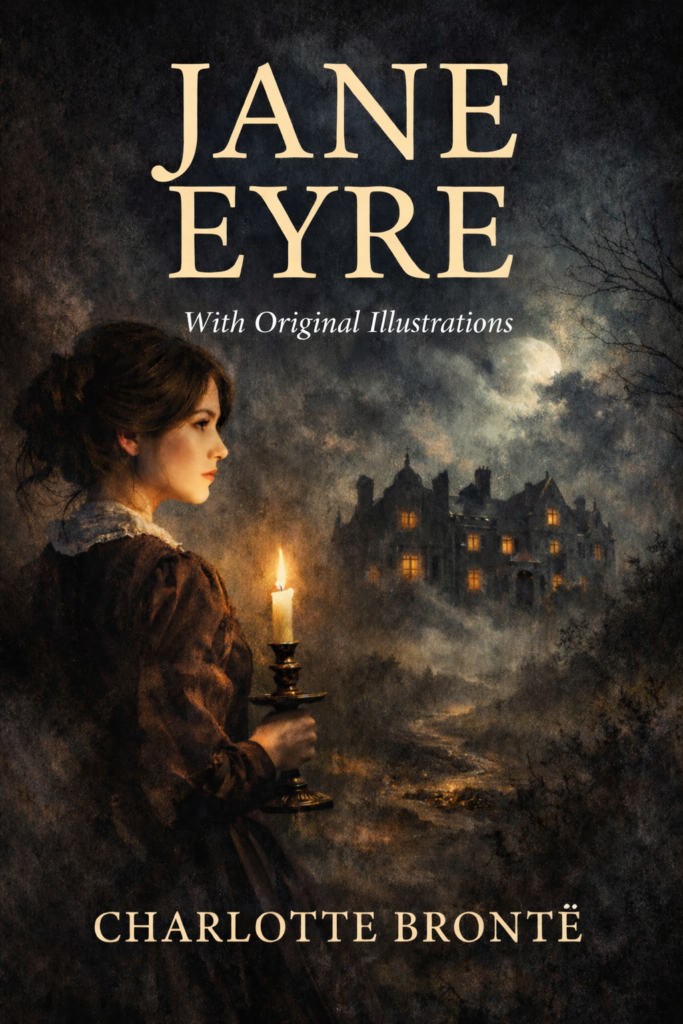
Charlotte Brontë‘s Jane Eyre offers one of literature’s most powerful explorations of identity, independence, and emotional resilience. Emily Brontë’s Wuthering Heights presents a passionate and often unsettling vision of love that borders on obsession. Anne Brontë’s novels examine morality, personal freedom, and the difficult realities faced by women in Victorian society.
Unlike Austen’s carefully balanced social environments, the Brontë world often feels isolated and emotionally charged. Their settings frequently reflect the psychological states of their characters. Storms, moors, dark houses, and remote landscapes become extensions of inner conflict and longing.
The result is a reading experience that feels fundamentally different from Austen’s work.
Where Austen invites readers into drawing rooms and ballrooms, the Brontës invite them into the deepest recesses of the human heart.
Related Novels


Elizabeth Bennet vs Jane Eyre: Two Unforgettable Heroines
The contrast between Jane Austen and the Brontës can perhaps be seen most clearly by comparing two of their most famous heroines: Elizabeth Bennet and Jane Eyre.
Elizabeth Bennet is witty, sociable, and confident. She enjoys conversation, possesses a sharp sense of humor, and challenges social expectations through intelligence and independence. Her greatest journey involves learning to question her assumptions and recognize the limitations of her own judgment.
Jane Eyre, by contrast, is quieter and more introspective. Her struggle is not primarily social but deeply personal. Throughout her life she confronts poverty, loneliness, injustice, and emotional hardship. Her greatest strength lies in her unwavering commitment to self-respect and moral integrity.
Both women are intelligent, independent, and deeply admired by readers. Yet they embody different forms of strength.
Elizabeth thrives through wit and confidence.
Jane survives through resilience and conviction.
The enduring popularity of both characters demonstrates that readers value multiple expressions of female strength and independence.
Mr. Darcy vs Mr. Rochester: Two Very Different Romantic Heroes
Few literary figures have inspired as much admiration as Mr. Darcy and Mr. Rochester.
Yet these two men could hardly be more different.
Darcy is reserved, honorable, and ultimately dependable. His journey centers on humility and self-improvement. He learns to overcome pride and recognize the importance of empathy and understanding.
Rochester is passionate, mysterious, and morally complicated. He possesses charisma and emotional intensity but also carries secrets that threaten his own happiness. His story is one of redemption rather than refinement.
Darcy represents stability, respect, and emotional maturity.
Rochester represents passion, transformation, and emotional complexity.
Readers continue to debate which hero they prefer, and that debate itself reflects the different emotional experiences offered by Austen and the Brontës.
Comedy vs Passion: Two Different Emotional Experiences
Perhaps the most significant difference between Jane Austen and the Brontë sisters lies in the emotional experience they create for readers.
Austen’s novels are often characterized by balance, restraint, and wit. Even when her characters face disappointment, embarrassment, or heartbreak, there is usually an underlying sense of optimism. Her stories suggest that mistakes can be corrected, misunderstandings can be resolved, and personal growth can lead to happiness.
Readers frequently finish an Austen novel feeling satisfied. There is a sense that the world has been set right. Characters have learned important lessons, relationships have developed naturally, and happiness has been earned through growth and self-awareness.
The Brontës offer something different.
Their novels often explore emotional extremes. Love is not simply a source of happiness; it can become a source of obsession, suffering, longing, sacrifice, and transformation. Their characters frequently experience profound loneliness, internal conflict, and difficult moral choices.
Where Austen’s world is illuminated by social interaction and humor, the Brontë world is often shaped by solitude and emotional intensity.
This difference can be seen clearly in the reading experience itself. Austen’s novels often encourage readers to smile at human folly. The Brontës invite readers to feel deeply alongside their characters.
Many readers return to Austen for comfort, warmth, and companionship.
Many readers return to the Brontës for emotional intensity, atmosphere, and psychological depth.
Neither approach is superior. They simply offer different forms of literary satisfaction.
Indeed, this contrast may help explain why readers so often admire both. Austen and the Brontës complement rather than compete with one another. Together, they provide two distinct but equally compelling visions of love and human relationships.
How Film and Television Adaptations Expanded Their Popularity
While the enduring quality of their novels is the primary reason Austen and the Brontës remain popular, film and television adaptations have played an enormous role in introducing their stories to new generations of readers.
Many modern readers encounter these authors through adaptations long before they ever open a book.
Jane Austen has benefited particularly from this phenomenon. The 1995 BBC adaptation of Pride and Prejudice, starring Jennifer Ehle and Colin Firth, introduced millions of viewers to Elizabeth Bennet and Mr. Darcy. For many readers, it remains the definitive screen adaptation of Austen’s most famous novel.
The 2005 film adaptation of Pride and Prejudice, starring Keira Knightley and Matthew Macfadyen, brought Austen to yet another generation. Its sweeping cinematography, memorable performances, and emotional storytelling renewed interest in the novel worldwide.
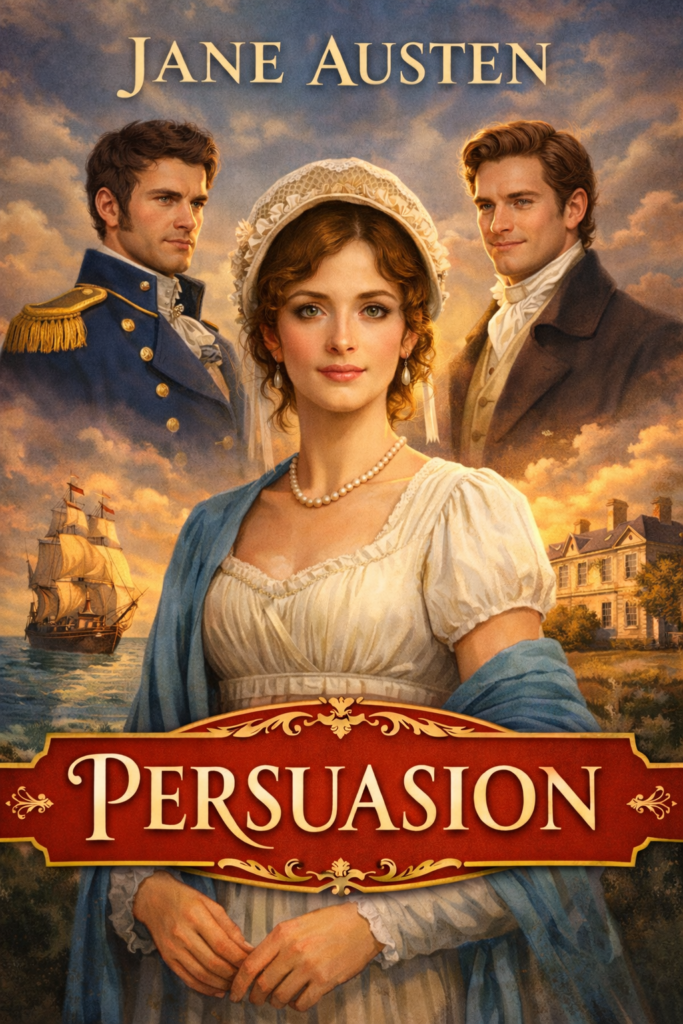
Sense and Sensibility, Emma, and Persuasion have likewise received numerous adaptations across film and television. Each new version introduces Austen’s stories to audiences who may never have considered reading a nineteenth-century novel.
The Brontës have experienced a similar revival through adaptation.
Jane Eyre has inspired countless film, television, and stage productions. Its Gothic atmosphere, emotional intensity, and compelling romance make it particularly well suited to visual storytelling. Every generation seems to discover a new interpretation of Jane and Rochester’s story.
Wuthering Heights has also attracted filmmakers for decades. Its dramatic landscapes, passionate relationships, and haunting themes have made it one of the most frequently adapted novels in English literature.
These adaptations do more than simply preserve interest in classic novels. They create pathways into literature. Viewers who fall in love with a film or television series often seek out the original books, discovering a richer and more nuanced experience.
As a result, Austen and the Brontës have achieved something few authors manage. Their stories remain culturally relevant not only through literature but also through popular media.

Their Influence on Modern Romance Fiction
It is difficult to overstate the influence that Jane Austen and the Brontë sisters have had on modern romance fiction.
Many of the most popular romantic tropes in contemporary novels can be traced directly to their work.
Austen helped popularize stories built around misunderstanding, personal growth, witty dialogue, and gradual emotional development. The now-beloved “enemies-to-lovers” trope owes much to the relationship between Elizabeth Bennet and Mr. Darcy. Modern readers continue to enjoy romances in which characters must overcome misconceptions and learn to appreciate one another’s true qualities.
Austen also demonstrated that romance could be intellectually engaging. Her novels showed that conversation, compatibility, shared values, and personal growth could be just as compelling as dramatic declarations of love.
The Brontës influenced romance in different ways.
Charlotte Brontë’s Rochester helped establish the template for the brooding, mysterious romantic hero that remains enormously popular today. Countless modern protagonists owe something to his complexity, charisma, and emotional depth.
The Gothic romance genre likewise owes a significant debt to Jane Eyre. Themes of hidden secrets, isolated settings, emotional tension, and psychological complexity continue to appear throughout contemporary fiction.
Emily Brontë’s Wuthering Heights demonstrated that love stories could be dark, passionate, and morally complicated. Its influence can still be seen in novels that explore obsession, emotional conflict, and unconventional relationships.
Together, Austen and the Brontës helped shape the modern understanding of romance as both an emotional and psychological journey.
Why Readers Continue to Love Both
One of the most fascinating aspects of literary culture is that readers rarely feel compelled to choose between Austen and the Brontës.
In fact, many devoted Austen readers also adore the Brontës, and many Brontë enthusiasts regularly return to Austen.
This is because the two traditions satisfy different emotional needs.
When readers seek humor, comfort, social observation, and clever dialogue, they often find themselves reaching for Austen. Her novels offer warmth, intelligence, and the reassuring belief that personal growth can lead to happiness.
When readers seek passion, atmosphere, emotional intensity, and psychological complexity, they frequently turn to the Brontës. Their novels explore the deeper and sometimes darker aspects of human experience.
Both perspectives contain important truths.
Life includes moments of laughter and moments of heartbreak.
Relationships require both understanding and passion.
People seek both companionship and emotional connection.
Austen and the Brontës simply emphasize different parts of the same human experience.
This may explain why their novels continue to resonate across centuries. Although their approaches differ dramatically, both speak to fundamental aspects of human nature that remain unchanged.
Conclusion: Two Different Paths to the Human Heart
More than two centuries after Jane Austen first began publishing her novels, and more than 175 years after the Brontë sisters transformed Victorian literature, readers continue to discover their stories and find themselves captivated by their characters, insights, and emotional power.
Austen and the Brontës offered two very different visions of love and romance.
Austen gave readers wit, humor, social observation, and relationships built upon understanding and personal growth.
The Brontës gave readers passion, intensity, psychological depth, and stories that explored the most powerful emotions of the human heart.
Yet despite these differences, both achieved something extraordinary. They created characters who feel real, relationships that remain compelling, and stories that continue to speak to readers across generations.
Whether one prefers the sharp intelligence of Elizabeth Bennet or the quiet resilience of Jane Eyre, the honorable reserve of Mr. Darcy or the passionate complexity of Mr. Rochester, the enduring appeal of these authors ultimately rests on the same foundation: a profound understanding of human nature.
Their novels remind us that while society changes, the search for love, belonging, understanding, and happiness remains timeless.
That is why readers continue to return to Jane Austen and the Brontë sisters—and why their stories are likely to endure for generations yet to come.
More Articles

What Classic Horror Was Really Trying to Tell Us

100 Editions, Countless Discoveries
Why Jane Austen Remains So Popular

Why I Hate Shakespeare
Why did Mark Twain not like James Fenimore Cooper?
Whodunit Better
When Novels Were Released Like a TV Series
Have the Jane Austen Movies Replaced the Books?
Classic Literature Quiz (Part 1): How Well Do You Know the Classics?