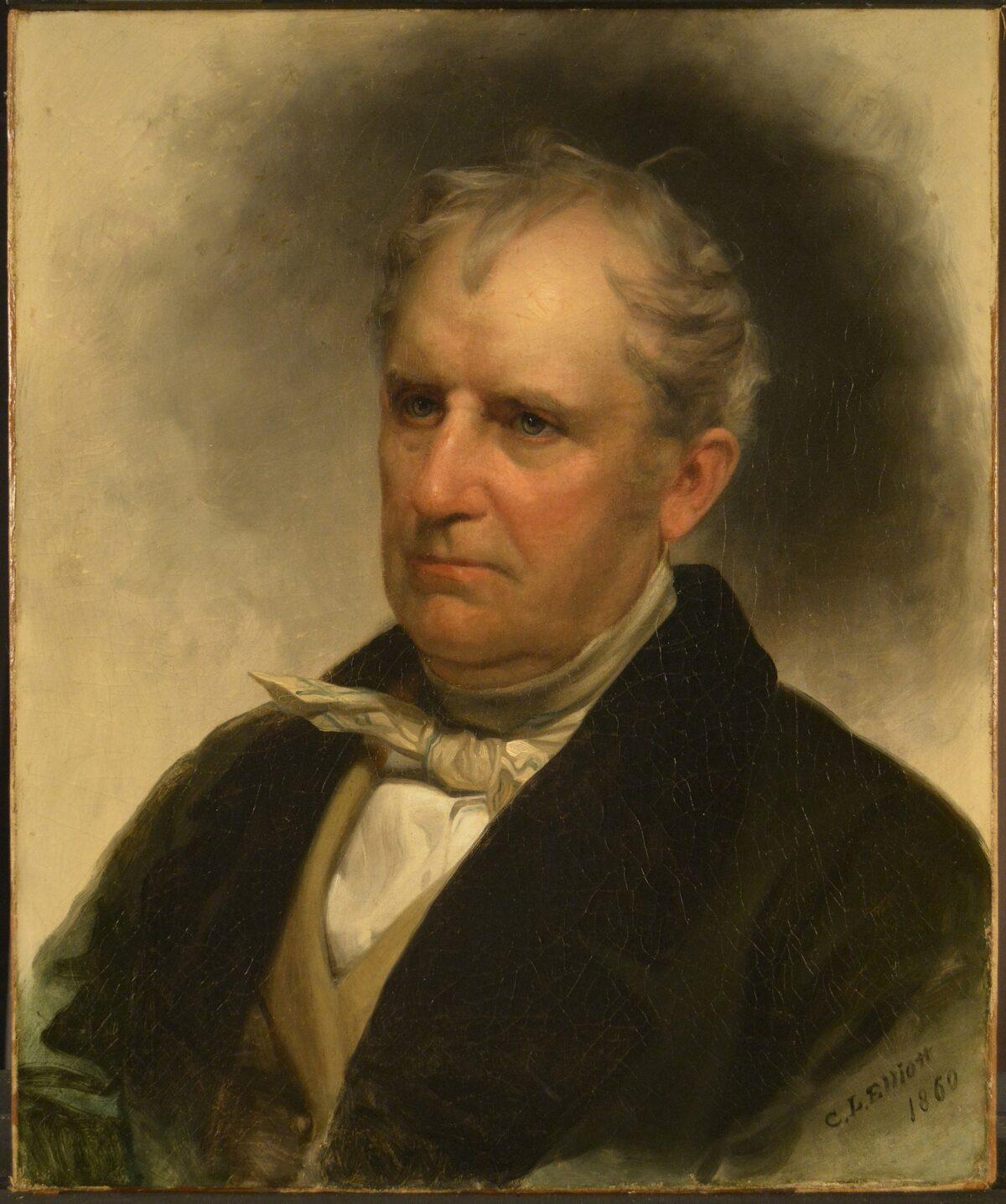
James Fenimore Cooper:
Stories from a Changing Frontier
Few authors are more closely associated with the American frontier than James Fenimore Cooper.
For generations, readers have encountered his novels through dense forests, winding rivers, frontier settlements, dangerous pursuits, and unforgettable wilderness adventures. His stories helped shape the popular image of early America and introduced readers around the world to landscapes and characters unlike anything they had previously encountered in literature.
Yet to view Cooper simply as an adventure writer is to miss what made his work endure.
The frontier was never merely a setting.
The wilderness was never merely scenery.
The adventures were never merely adventures.
Cooper understood something that many modern readers overlook.
The world he was writing about was disappearing.
Forests were becoming settlements.
Frontiers were becoming states.
Old ways of life were giving way to new ones.
The people who lived through these changes were being transformed by them.
Again and again, Cooper returned to this idea.
His greatest stories are not simply tales of wilderness survival or frontier heroism.
They are stories about change.
They are stories about people trying to find their place in a world that is evolving around them.
And that is why his novels continue to resonate nearly two centuries after they were written.
Related Novels


The First Great American Storyteller
James Fenimore Cooper was born in 1789, at a moment when the United States itself was still a young nation.
America was expanding.
Communities were growing.
The frontier was moving westward.
Entire regions that had once been considered wilderness were gradually being settled and transformed.
Cooper witnessed these changes firsthand.
Unlike many European authors who drew upon centuries of established history and tradition, Cooper found himself writing about a nation that was still defining its identity.
America needed its own stories.
Its own heroes.
Its own landscapes.
Its own myths.
Cooper helped provide them.
At a time when much of the literary world looked toward Europe for inspiration, he turned his attention toward the forests, rivers, lakes, and frontier communities of North America.
In doing so, he became one of the first American authors to achieve major international success.
Readers were captivated by the sense that Cooper was describing a world both real and rapidly changing.
His stories offered adventure.
But they also captured a moment in history that would never come again.
The Frontier as a World in Transition
Modern readers often imagine the frontier as a fixed place.
A wilderness untouched by time.
A landscape of hunters, scouts, and isolated settlements.
Cooper understood something different.
The frontier was constantly changing.
The forests that seemed endless would eventually become farms and towns.
The remote settlements would grow into cities.
The people who lived along the frontier were witnessing transformations that would reshape the continent.
This awareness gives Cooper’s work much of its emotional power.
His novels frequently contain a sense of transition.
Characters stand between old worlds and new ones.
They navigate competing values, competing cultures, and competing visions of the future.
The wilderness offers freedom and opportunity.
Civilization offers security and progress.
Neither exists without cost.
This tension runs throughout Cooper’s fiction.
He recognized that every gain often involved a loss.
Every beginning marked an ending.
Every new chapter of history closed another.
The frontier therefore becomes more than a geographical location.
It becomes a symbol of change itself.
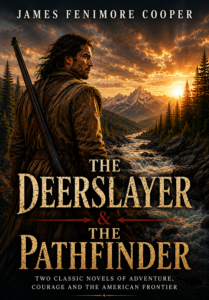
Natty Bumppo: A Man Between Worlds
No character better illustrates Cooper’s understanding of change than Natty Bumppo.
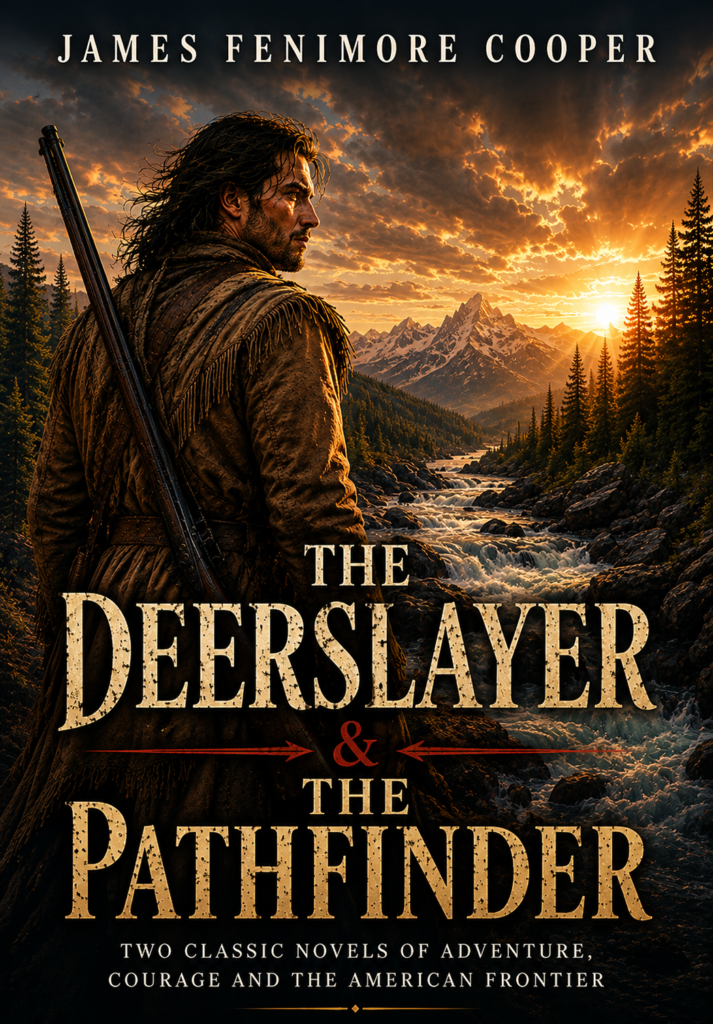
Known by various names throughout the Leatherstocking Tales—including Hawkeye, Pathfinder, Deerslayer, and Leatherstocking—Natty remains one of the most important figures in American literature.
What makes him memorable is not merely his skill as a hunter or scout.
It is his position between worlds.
Natty understands the wilderness.
He respects its rhythms and dangers.
He possesses knowledge that many settlers lack.
At the same time, he is connected to the expanding society that increasingly defines the future.
He belongs completely to neither.
This tension gives the character remarkable depth.
Natty often finds himself observing changes that he cannot stop and struggling to reconcile values that do not easily coexist.
Through him, Cooper explores questions that remain relevant today.
How do people adapt when the world around them changes?
What should be preserved?
What should be embraced?
What happens when progress threatens traditions that once seemed permanent?
Natty does not always have answers.
Yet his struggle makes him one of literature’s earliest and most compelling frontier heroes.
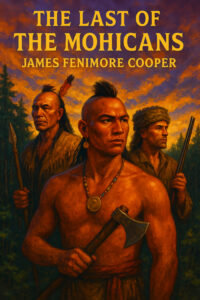
The Last of the Mohicans and the End of an Era
Among Cooper’s many novels, The Last of the Mohicans remains his most enduring achievement.
Its popularity owes much to its memorable characters, dramatic action, and vivid setting.
Yet the novel’s emotional power comes from something deeper.
The answer is hidden in the title itself.
The Last of the Mohicans.
The title points toward disappearance.
Something is ending.
A way of life.
A culture.
An era.
The frontier adventure provides the framework, but beneath the excitement lies a profound awareness of loss.
Readers feel that the world they are witnessing cannot remain unchanged.
The forests, alliances, traditions, and relationships that define the story exist within a historical moment that is already beginning to fade.
This awareness gives the novel a melancholy quality that distinguishes it from many other adventure stories.
The stakes are not merely personal.
They are historical.
The characters are not simply fighting for survival.
They are living through the end of a world.
That combination of adventure and reflection helps explain why the novel continues to attract readers long after the frontier itself disappeared.
Why Cooper Helped Create the American Adventure Novel
Before Cooper, many popular adventure stories looked elsewhere for their inspiration.
Europe provided castles, kings, aristocrats, and centuries of history.
Cooper demonstrated that America possessed its own dramatic landscapes and compelling stories.
The forests could be as fascinating as any castle.
The frontier could be as exciting as any battlefield.
The challenges of survival, exploration, and cultural conflict could produce heroes every bit as memorable as those found in European literature.
His influence can be seen throughout the development of American storytelling.
The rugged individualist.
The wilderness guide.
The frontier hero.
The tension between civilization and freedom.
These themes would reappear repeatedly in American fiction, film, and popular culture.
In many respects, Cooper helped establish the foundations of the American adventure tradition.
Writers who followed him inherited a literary landscape he had helped create.
Related Authors
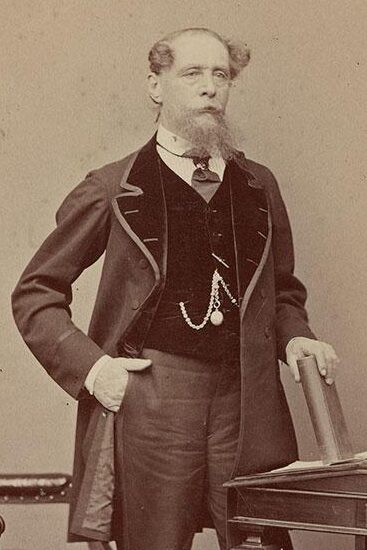
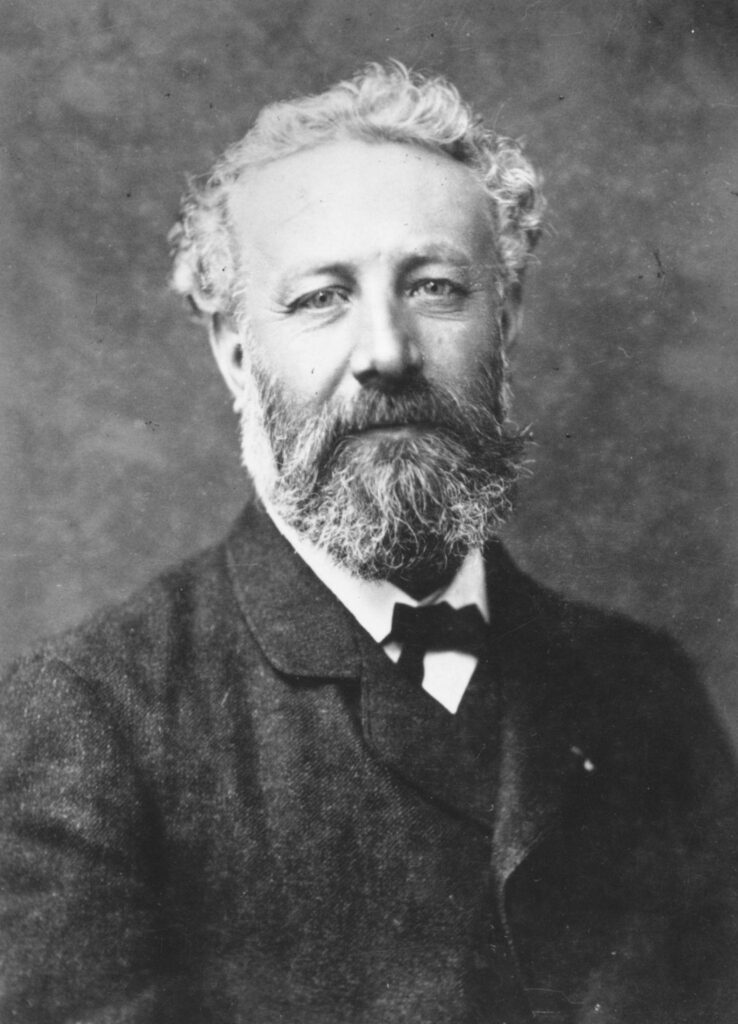
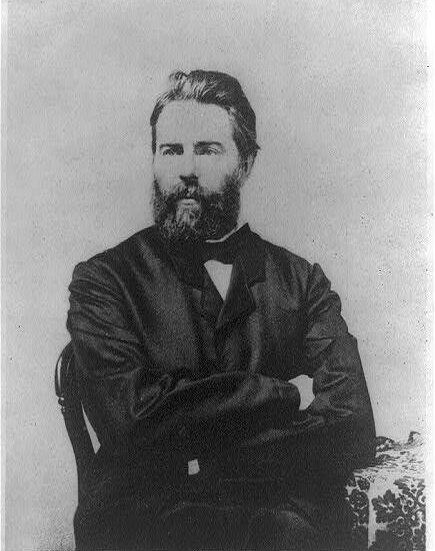
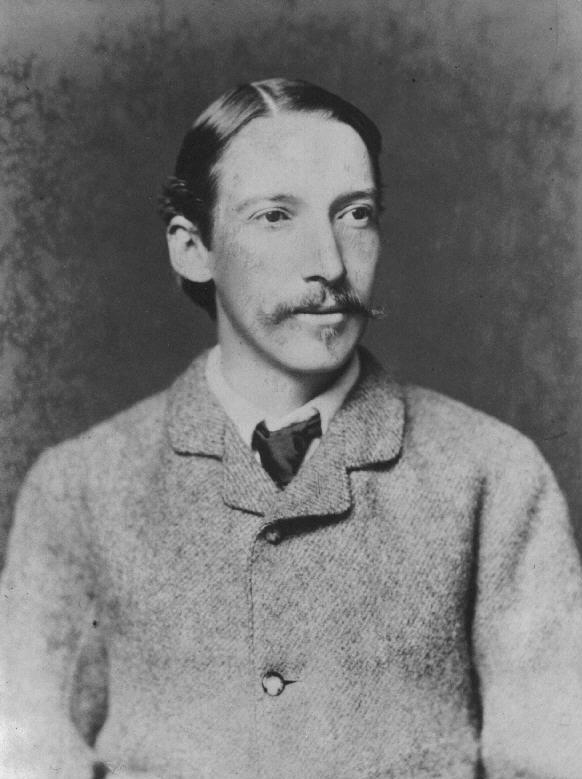

Why Readers Still Care About Change
It would be easy to assume that Cooper’s relevance ended when the frontier disappeared.
Yet readers continue to return to his work.
Why?
The answer lies in the theme that runs through all of his greatest stories.
Change.
Every generation experiences it.
Every generation witnesses familiar institutions evolve, traditions disappear, technologies reshape daily life, and assumptions about the future challenged.
The details may differ from those of Cooper’s era, but the emotional experience remains familiar.
People still struggle to balance progress with preservation.
They still wrestle with questions about identity, belonging, and adaptation.
They still wonder what should be carried forward and what should be left behind.
Cooper’s frontier becomes a powerful metaphor for these universal experiences.
His characters confront changes that feel larger than themselves.
So do we.
That is why the stories remain meaningful.
Not because readers long to live on the frontier.
But because they understand what it feels like to stand between the world that was and the world that is emerging.
Stories from a Changing Frontier
James Fenimore Cooper is often remembered as a writer of wilderness adventures.
He deserves to be remembered for something more.
He captured a world in transition.
His novels preserve a moment when the American frontier was being transformed by forces that would permanently alter the nation.
Yet his stories endure because they speak to experiences that extend far beyond their historical setting.
They explore change.
Adaptation.
Loss.
Growth.
The challenge of finding one’s place in an evolving world.
Adventure provided the excitement.
The frontier provided the setting.
But beneath both lay a deeper truth.
Life is defined by change.
The people who navigate it with courage, integrity, and resilience are the ones who leave the greatest mark.
That is the legacy of James Fenimore Cooper.
And that is why his stories continue to endure.
Because every generation, in its own way, lives on a changing frontier.
Articles

Why I Hate Shakespeare

Why Jane Austen Remains So Popular

Classic Literature Quiz (Part 1): How Well Do You Know the Classics?

When Novels Were Released Like a TV Series

Whodunit Better

What Classic Horror Was Really Trying to Tell Us
Why did Mark Twain not like James Fenimore Cooper?

Jane Austen vs the Brontë Sisters