
Great Plays:
Using Drama to Explore the Human Condition
When many people think of plays, they think of theatres, actors, and performances.
What is often forgotten is that some of the world’s greatest plays are also among its greatest reading experiences.
For centuries, playwrights have used drama to explore love, ambition, jealousy, family, power, truth, freedom, and countless other aspects of the human experience. Through dialogue, conflict, and unforgettable characters, great plays invite readers directly into moments of tension, emotion, and revelation.
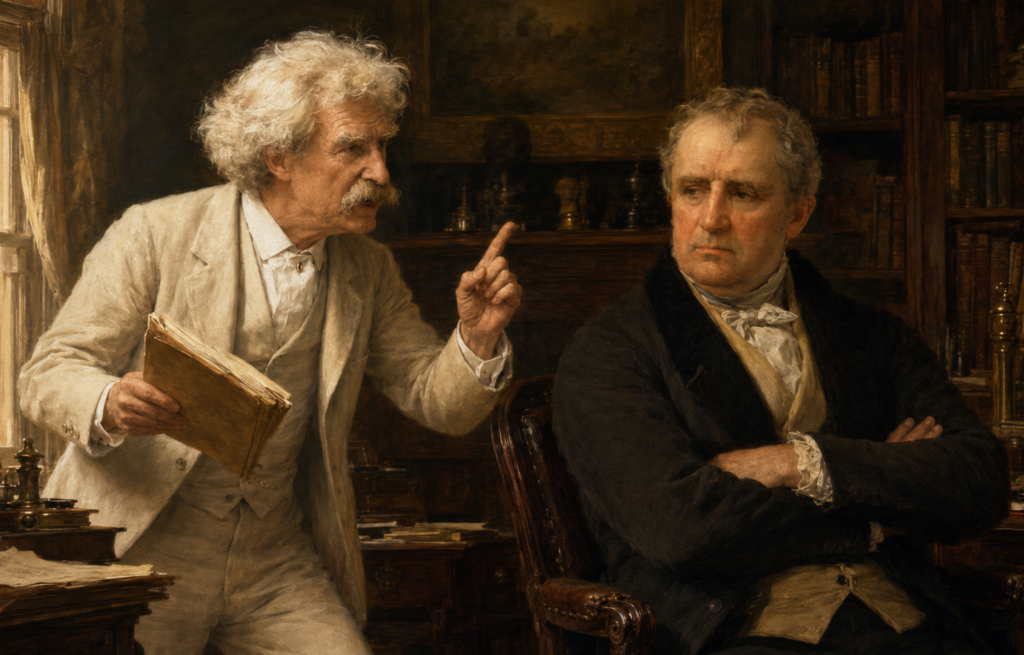
Reading a play is a unique literary experience. Unlike a novel, which often describes events from a distance, a play places readers in the middle of the action. Characters reveal themselves through their words, decisions, and interactions with others. Readers witness arguments, confrontations, confessions, and turning points as they unfold, creating an immediacy that can be both engaging and emotionally powerful.
Drama Places Us at the Heart of the Conflict
One of the reasons great plays remain so compelling is their focus on conflict.
Characters face difficult choices.
Secrets threaten to emerge.
Relationships are tested.
Ambition collides with morality.
Love competes with duty.
Truth challenges carefully maintained appearances.
Rather than simply telling us about these struggles, drama allows us to experience them alongside the characters. The result is storytelling that often feels direct, intense, and remarkably human.
Whether it is Hamlet wrestling with revenge and uncertainty or Henrik Ibsen’s characters confronting uncomfortable truths about themselves and their families, great plays place readers in the middle of moments that reveal the complexities of human nature.
Powerful Stories Told Through Conversation
Many of the most memorable scenes in literature are built around conversation.
A confession.
An argument.
A declaration of love.
A revelation.
A confrontation.
Playwrights understand the power of dialogue better than almost anyone. With few descriptions and limited narration, every line carries weight. Characters reveal their hopes, fears, motivations, and flaws through the things they say—and sometimes through the things they avoid saying.
This gives great plays a unique energy.
Readers are not simply observing events.
They are listening to people whose lives, relationships, and futures may change with every conversation.
Plays



Reading Plays Sparks the Imagination
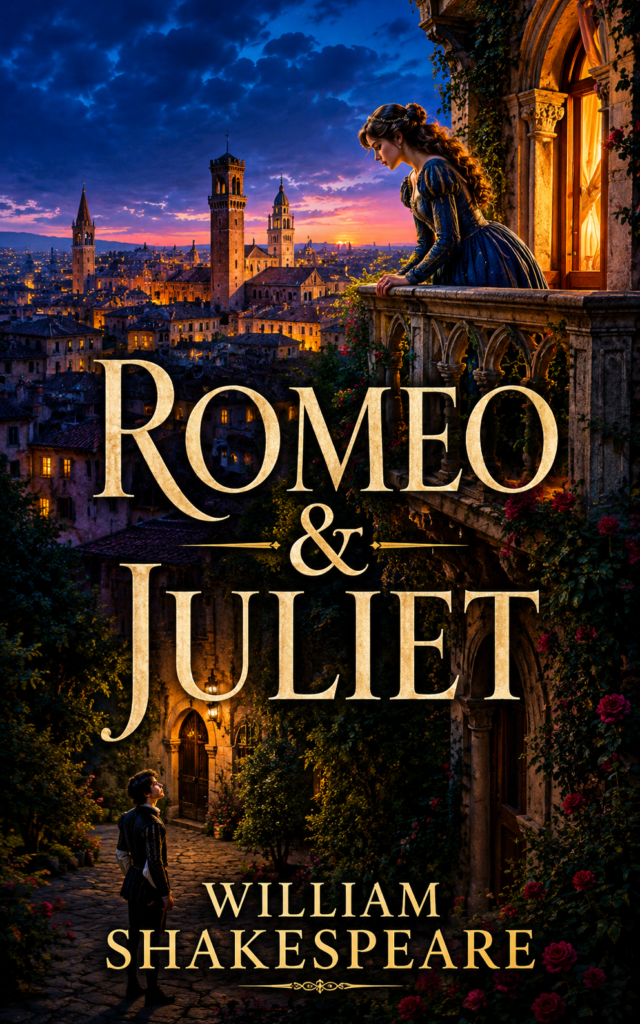
Far from limiting the imagination, plays often encourage it.
A playwright may provide only a brief description of a setting or a simple stage direction. The rest is left to the reader.
Each reader imagines the characters differently.
The settings become their own.
The voices take shape in their imagination.
The result is a highly personal reading experience.
A play provides the framework, but readers actively participate in bringing the story to life.
This creative partnership between writer and reader helps explain why many classic plays continue to resonate long after they were first written.
Few Genres Feel More Immediate
One of the reasons great plays remain so compelling is their immediacy.
Many novels spend considerable time introducing characters, describing settings, and building toward major events. Plays often begin much closer to the heart of the conflict. A secret is about to be revealed. A relationship is under strain. A family faces a difficult decision. A character stands on the verge of a life-changing choice.
Readers are drawn directly into moments that matter.
The result is a form of storytelling that can feel surprisingly intense. Conversations carry enormous weight because they often determine what happens next. Every argument, confession, revelation, and decision has the potential to change the course of the story.
This focus on pivotal moments gives great drama a sense of momentum that has captivated readers for centuries.
Why Reading Plays Can Be Surprisingly Accessible
Many people assume that reading a play will be more difficult than reading a novel.
Often the opposite is true.
Plays typically contain little narration and relatively few descriptions. Rather than spending pages explaining a situation, playwrights allow characters to reveal information through their words and actions.
Readers encounter the story directly.
The format is clear.
The pacing is often fast.
The dialogue keeps the narrative moving forward.
Many classic plays can be read in a single evening, making them an approachable way to experience some of literature’s greatest stories and characters.
Yet despite their brevity, great plays frequently deliver remarkable emotional depth. A play of fewer than one hundred pages can explore love, ambition, betrayal, family conflict, freedom, revenge, or personal sacrifice with extraordinary power.
Many readers are surprised to discover that a single evening spent with a great play can leave an impression that lasts for years.
Play Writes


Great Plays Explore Timeless Human Experiences
The settings of classic plays may belong to another century, but the emotions they explore remain familiar.
People still fall in love.
They still seek power.
They still struggle with family expectations.
They still wrestle with truth, loyalty, freedom, and responsibility.
The greatest playwrights understood these universal experiences and built their stories around them.
William Shakespeare explored love, ambition, jealousy, revenge, and the consequences of human choice. Henrik Ibsen examined family relationships, social expectations, hidden truths, and personal freedom. Though separated by centuries, both writers continue to resonate because they understood the challenges and emotions that shape human lives.
The world changes.
Human nature changes far less.
Why Great Plays Endure
The enduring appeal of great drama lies in its ability to reveal something meaningful about ourselves.
Through conflict, conversation, and character, plays allow readers to examine difficult questions and powerful emotions from new perspectives. They challenge assumptions, encourage reflection, and invite us to consider how we might respond in similar circumstances.
The best plays do more than entertain.
They deepen our understanding of people.
They remind us of our strengths and weaknesses.
They reveal the complexities of relationships and the consequences of our choices.
Most importantly, they continue to feel relevant because they address experiences that remain universal.
That is why readers continue to return to Shakespeare, Ibsen, and other great playwrights generation after generation.
Their stories may have been written long ago, but the people who inhabit them still feel remarkably alive.
And through their struggles, triumphs, mistakes, and discoveries, we often learn something about ourselves.
Articles

Classic Literature Quiz (Part 1): How Well Do You Know the Classics?
When Novels Were Released Like a TV Series

Have the Jane Austen Movies Replaced the Books?

What Classic Horror Was Really Trying to Tell Us

Why I Hate Shakespeare

Jane Austen vs the Brontë Sisters

Whodunit Better

Why Jane Austen Remains So Popular