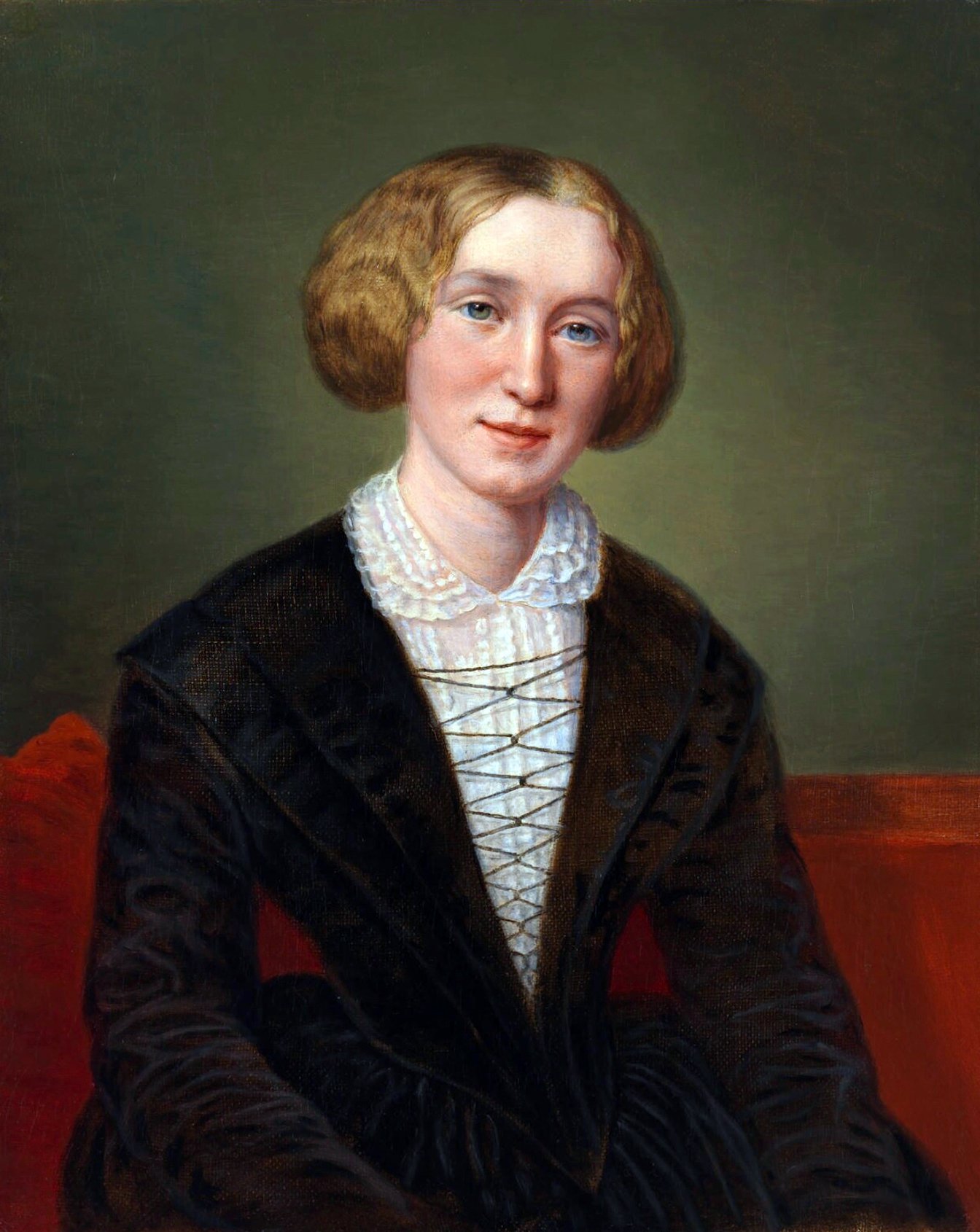









George Eliot
The Woman Behind the Name,
the Mind Behind the Novels
A young woman longs to do something meaningful with her life, only to discover that marriage can narrow her world. A lonely weaver finds an unexpected reason to trust again. A gifted girl struggles to reconcile her desires with her family’s expectations.
These are the kinds of lives that interested George Eliot: people whose private hopes are larger than the opportunities available to them, and whose choices have consequences they cannot fully foresee.
Behind the name was Mary Ann Evans, an English writer whose own life challenged Victorian ideas about religion, relationships, and a woman’s place in society. Her novels invite us to look closely at people we might otherwise misunderstand—and to question how confidently we judge them.
Understanding the woman who wrote them makes that invitation even more compelling.
Who Was George Eliot?
George Eliot was born Mary Anne Evans on 22 November 1819, on the Arbury estate near Nuneaton in Warwickshire. Readers will encounter several versions of her name, including Mary Ann and Marian, reflecting changes she adopted during her lifetime.
Her father, Robert Evans, managed the estate. His work brought him into contact with landowners, farmers, tradespeople, and working families. Mary Anne grew up in a setting where differences in wealth and status were visible, but where everyday life also depended on practical work and obligations between neighbours.
She attended boarding schools in Nuneaton and Coventry, where her abilities and enthusiasm for reading developed. Books offered access to a much wider world than the one immediately around her. George Eliot Fellowship: Childhood
That combination—a close knowledge of provincial life and a restless intellectual curiosity—would become essential to her fiction. Her villages and towns feel inhabited because she understands both their routines and the ambitions that disturb them.
Why Did She Choose a Male Pen Name?
The simplest explanation is that Mary Ann Evans wanted her fiction to be taken seriously. But the story deserves more nuance than the familiar claim that Victorian women could not publish books.
Women were already successful authors. Jane Austen’s novels had appeared earlier in the century, and writers such as Elizabeth Gaskell and the Brontë sisters demonstrated the power and popularity of women’s fiction.
Nevertheless, assumptions about what women could or should write remained influential. Evans wanted freedom from expectations that a woman novelist would produce fashionable romances or sentimental stories.
Her 1856 essay Silly Novels by Lady Novelists shows how strongly she objected to contrived plots, improbable heroines, and writing that confused pretension with insight. Her criticism targeted poor fiction and the habits that sustained it; she wanted literature to engage honestly with experience.
A pseudonym also offered privacy. Her personal life could easily become a distraction from the work itself.
“George” was the first name of her partner, George Henry Lewes. According to the account reproduced by Penguin, she liked “Eliot” for its sound and ease of pronunciation. The name became associated with fiction of extraordinary seriousness and humanity.
Before the Novels: A Life of Ideas
Eliot did not begin her career as a novelist. She first established herself through translation, journalism, and editorial work.
As a young woman, she became increasingly interested in arguments that challenged the religious beliefs of her upbringing. In Coventry, friendships with intellectually adventurous people introduced her to debates about faith, history, and society.
Her English translation of David Friedrich Strauss’s The Life of Jesus appeared in 1846. It was a demanding undertaking, involving a work that questioned traditional readings of the Gospel narratives. She also contributed articles and reviews to the Coventry Herald and Observer.
After moving to London, she worked on the Westminster Review, entering a network of writers and thinkers. She later translated Ludwig Feuerbach’s The Essence of Christianity and completed a translation of Spinoza’s Ethics, which remained unpublished during her lifetime.
These interests help explain the depth of her novels. Questions about belief, responsibility, freedom, and human motives were subjects she had considered closely before she began creating fictional lives.
Her stories give those questions emotional weight. An argument about duty becomes a difficult marriage. A question about trust becomes a betrayal. An idea about compassion becomes the decision to help someone whose actions are hard to forgive.
An Unconventional Partnership
In London, Evans met George Henry Lewes, a writer and critic who became her partner and an important supporter of her work.
Lewes was legally married, although separated from his wife. He and Evans began living openly together in 1854, considering their relationship a committed union despite being unable to marry.
The consequences were painful. Evans faced social exclusion, and her brother Isaac broke off contact with her. Their estrangement lasted for many years.
This experience gives particular resonance to her fiction’s concern with reputation. Her characters live in communities where gossip can harden into accepted truth, and where social approval may depend more on appearances than on kindness.
Yet Eliot rarely presents convention as a simple enemy. Family ties, local loyalties, and inherited beliefs can offer security as well as impose limits. She understands why people cling to them, even when they cause suffering.
That tension makes her work richer than a straightforward story of an independent woman defying society. She explores both the cost of obedience and the cost of breaking away.
Becoming George Eliot the Novelist
Lewes encouraged Evans to try fiction. Her first published fictional stories appeared in Blackwood’s Magazine in 1857 and were collected as Scenes of Clerical Life in 1858.
She was already in her late thirties when this new phase of her career began. Her first full-length novel, Adam Bede, followed in 1859.
Further novels appeared in quick succession: The Mill on the Floss in 1860 and Silas Marner in 1861. Later came Romola, Felix Holt, the Radical, Middlemarch, and Daniel Deronda.
Her beginnings offer an encouraging thought for anyone who imagines that creative achievement must happen early. Eliot brought years of reading, work, thought, and difficult experience to her fiction. Her apprenticeship had been taking place long before readers knew her name.
The Novels: Where Her World Comes Alive
Adam Bede: Love, Responsibility, and Unequal Power
Published in 1859, Adam Bede centres on a rural community whose apparent stability conceals dangerous differences in power.
Adam is a hardworking carpenter. Around him are Hetty Sorrel, whose hopes are drawn towards comfort and admiration; Arthur Donnithorne, a young man of privilege; and Dinah Morris, a Methodist preacher whose compassion gives the novel much of its moral strength.
Eliot examines what happens when desire outruns responsibility, especially when the people involved have unequal freedom to escape the consequences.
The novel also contains a memorable defence of representing ordinary people faithfully in art. Eliot asks readers to recognise the worth of lives that lack glamour.
The Mill on the Floss: The Cost of Belonging
Published in 1860, The Mill on the Floss follows Maggie and Tom Tulliver, siblings whose affection is complicated by profoundly different temperaments.
Maggie is imaginative, intelligent, and emotionally intense. Tom places greater trust in rules, duty, and his own sense of what is right. Their relationship makes the novel especially moving: love does not guarantee understanding.
Maggie wants both the freedom to live fully and the approval of the people she loves. Those wishes become increasingly difficult to reconcile.
The novel draws on aspects of Eliot’s childhood, although it should not be treated as a direct autobiography. Its lasting appeal lies in the painful familiarity of its conflict: how can we remain connected to our family without surrendering ourselves?
Silas Marner: Learning to Trust Again
Published in 1861, Silas Marner is a shorter novel with a strong emotional centre.
After betrayal destroys his place in one community, Silas becomes a solitary weaver in another. Work and accumulated gold gradually replace human companionship. The arrival of a little girl, Eppie, changes the direction of his life.
The story explores the difference between possessing something and caring for someone. It also asks what makes a family: biological connection, social position, or the daily practice of love and responsibility.
For readers new to Eliot, this is an inviting starting point. Its relatively compact story contains many of her central concerns, including isolation, trust, community, and the possibility of renewal.
Middlemarch: Ambition Meets Everyday Life
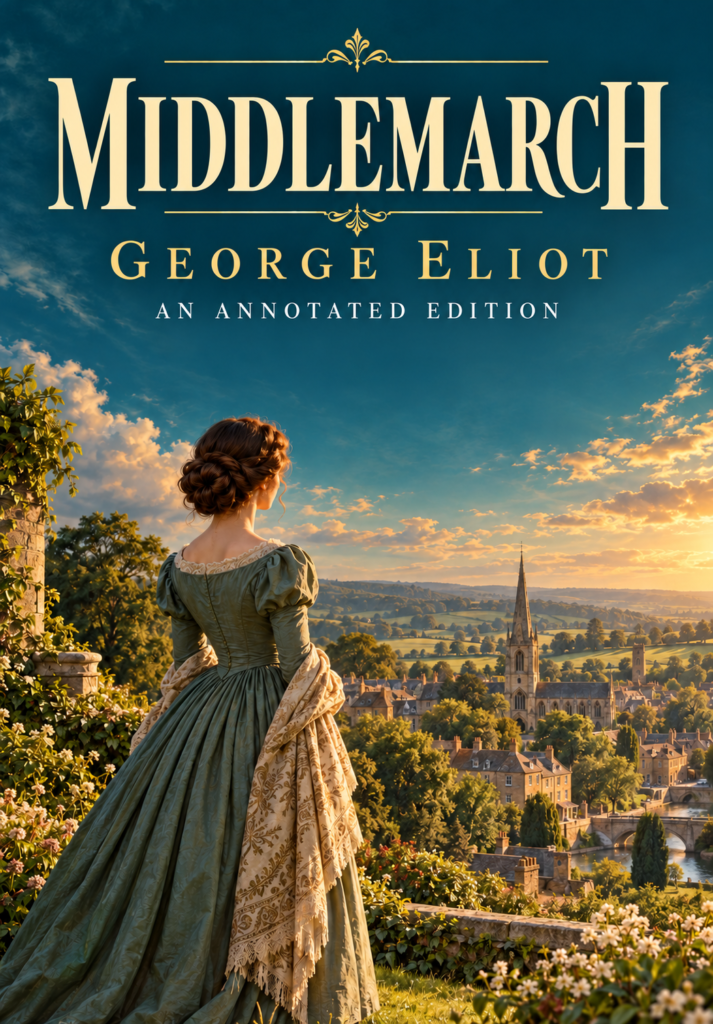
Published in 1871–72, Middlemarch brings together the lives of people in a provincial English town.
Dorothea Brooke wants to devote herself to a worthy purpose. Tertius Lydgate, an ambitious doctor, hopes to improve medical practice. Their aspirations encounter marriage, money, misunderstanding, and the complicated expectations of the people around them.
The novel’s subtitle, A Study of Provincial Life, signals its breadth. Individual stories overlap with questions about politics, inheritance, religion, professional ambition, and social change.
One of its great strengths is the way understanding shifts as we read. A person who initially seems merely irritating may become pitiable; someone admirable may reveal a damaging blindness. Eliot continually asks us to reconsider our first impressions.
It is a substantial read, but the reward is intimacy: the growing sense that we know a whole community, including the private disappointments its members cannot easily explain.
Daniel Deronda: Identity and Responsibility
Eliot’s final novel, published in 1876, connects Daniel Deronda’s search for identity with the story of Gwendolen Harleth, a young woman whose choices expose her to painful moral pressures.
It extends Eliot’s exploration of belonging through its sustained attention to Jewish life, history, and collective identity. Daniel’s questions about who he is become inseparable from questions about whom he owes something to.
Gwendolen’s story, meanwhile, examines the distance between wanting admiration and learning to consider other people.
Together, the two strands make this a thought-provoking choice for readers interested in identity, conscience, and the responsibilities that accompany self-discovery.
Beyond the Best-Known Books
Eliot’s range also includes Romola, set in Renaissance Florence, and Felix Holt, the Radical, which examines political and social tensions in provincial England.
Readers who associate her exclusively with village life may be surprised by The Lifted Veil, a shorter work that explores disturbing powers of perception. Her output also includes poetry, criticism, and other shorter fiction.
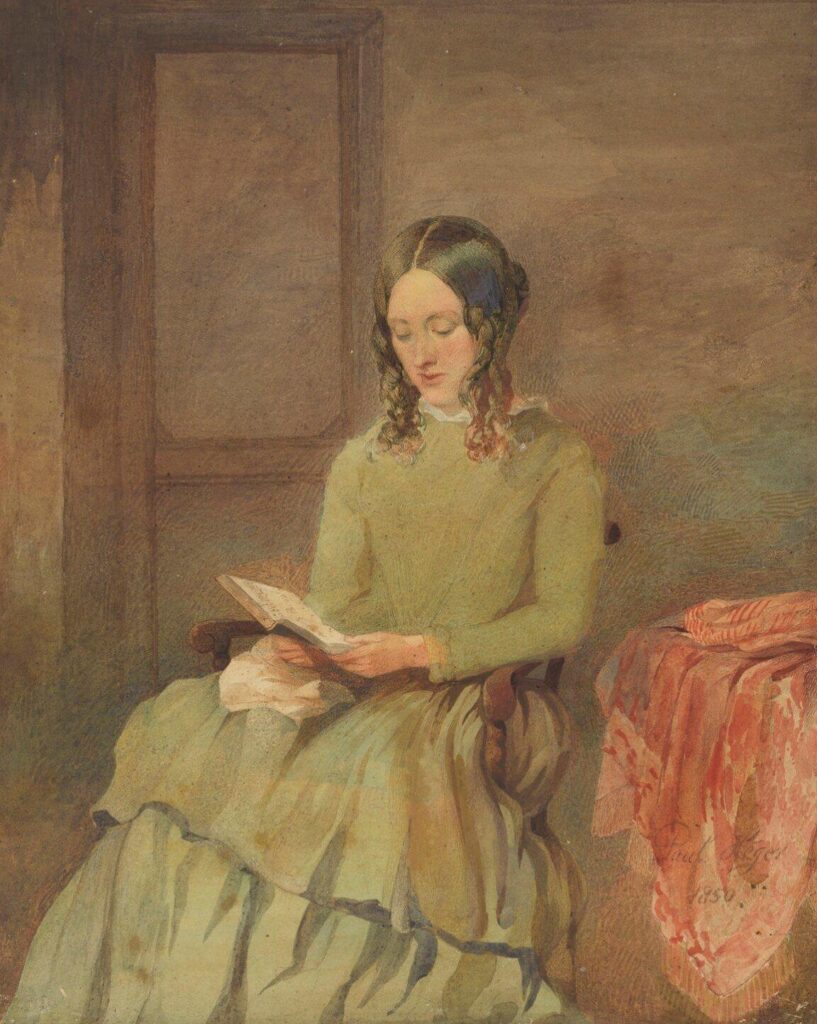
Charlotte Brontë
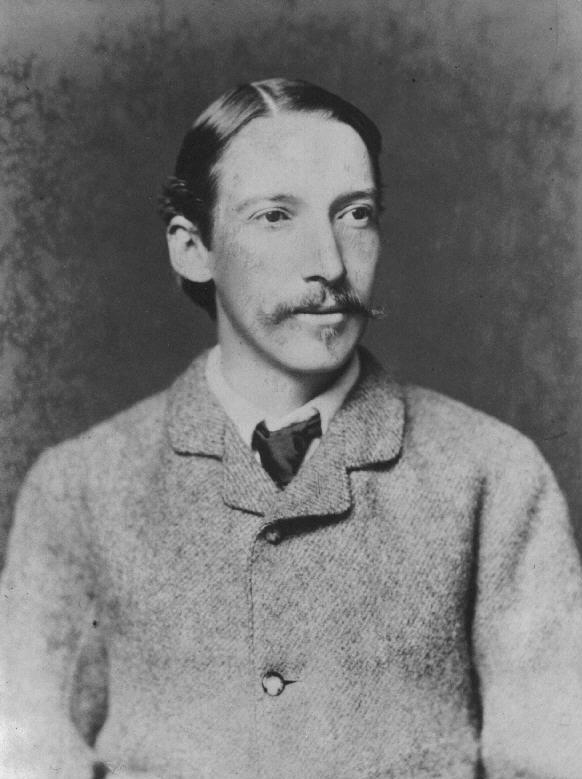
Robert Louis Stevenson
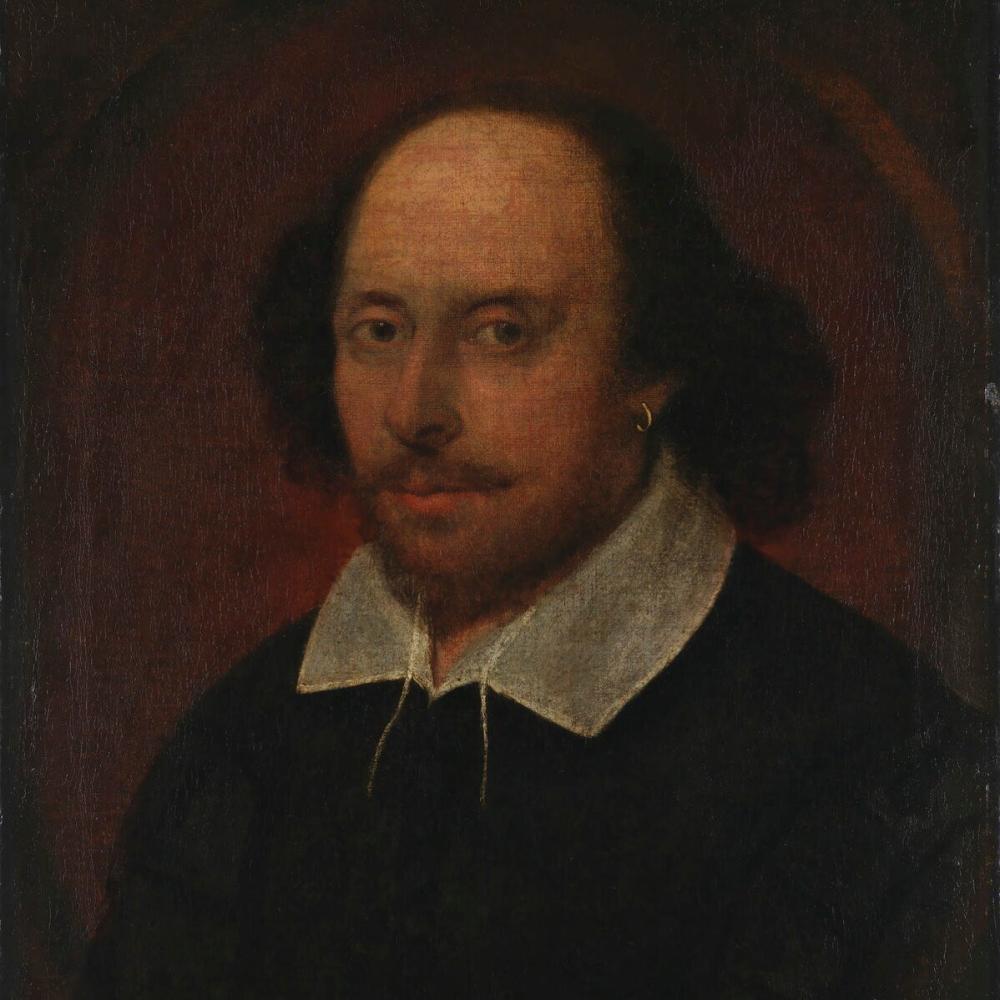
William Shakespeare
G. K. Chesterton
H. G. Wells
Bram Stoker
Charles Dickens

E M Forster
Oscar Wilde
Mary Shelley
What Makes Her Characters So Convincing?
Eliot understands how easily people mistake their own motives.
A character may describe an action as generous when pride is involved. Someone may defend a principle partly because it protects their position. A person who sincerely wants to do good may still fail to notice what another person needs.
Her narrators help us see those contradictions. Their observations can be affectionate, ironic, or sharply critical, sometimes within the same passage.
This gives her characters an unusual depth. They are capable of change, but they cannot simply decide to become different people overnight. Habits, fears, debts, loyalties, and past choices all exert pressure.
Eliot’s fiction is especially perceptive about the stories people tell themselves to make those pressures bearable.
Compassion Without Easy Excuses
A useful way to read Eliot is to distinguish understanding from approval.
She may show us why a person behaves badly without suggesting that the harm disappears. Equally, she may expose a character’s faults while resisting the idea that those faults tell us everything worth knowing about them.
Her treatment of sympathy asks readers to make an effort: to consider experiences beyond their own and recognise how incomplete their knowledge of another person can be.
That effort is part of the pleasure of reading her. We become more attentive as the story develops. The question shifts from “Who is right?” towards “What has each person failed to understand?”
There Is Humour Here, Too
Eliot’s reputation for seriousness can obscure how funny she is.
Her novels contain pompous conversation, stubborn relatives, self-important neighbours, and people whose opinions exceed their knowledge. She notices the small absurdities of social life with precision.
The humour often reveals character. Someone’s insistence on being sensible may expose a refusal to imagine anything unfamiliar. An impressive speech may conceal very little thought.
These moments give her fictional communities texture. People are amusing as well as troubled, and their ordinary chatter matters alongside the larger events.
How to Begin Reading George Eliot
The best starting point depends on what you enjoy.
Choose Silas Marner for a shorter introduction. Its focused story offers a moving way into Eliot’s world.
Choose The Mill on the Floss for family relationships and emotional conflict. Maggie’s struggle is particularly compelling for readers interested in the tension between belonging and independence.
Choose Adam Bede for rural life and moral drama. It combines a closely observed community with a powerful examination of responsibility.
Choose Middlemarch for a broad, immersive novel. Give yourself time to become familiar with its characters rather than trying to rush towards the ending.
Choose Daniel Deronda for questions of identity and conscience. It is a rewarding option for readers who enjoy fiction with substantial intellectual concerns.
With any of these books, allow space for the narrator’s reflections. They are part of the experience: invitations to look again at an action, a relationship, or an assumption you may have accepted too quickly.
Her Final Years
George Henry Lewes died in 1878, a devastating loss for Eliot. In May 1880, she married John Walter Cross, a longtime friend who later published an account of her life drawn from her journals and letters.
She died on 22 December 1880, aged sixty-one, and was buried in Highgate Cemetery beside Lewes. A memorial stone in Westminster Abbey’s Poets’ Corner followed a century later.
Her literary career had transformed the name George Eliot into one that would endure long beyond the social judgements surrounding Mary Ann Evans.
Why George Eliot Still Matters
The circumstances of Eliot’s novels belong to another century, but their emotional pressures remain familiar.
People still choose partners before fully understanding them. They still mistake status for security, struggle with family expectations, and discover that good intentions are insufficient. They still want their lives to matter while wondering what a meaningful life should look like.
Eliot gives those struggles patient attention. She recognises that the most important events in a life may be almost invisible to an outsider: an altered judgement, an act of forgiveness, a responsibility accepted, or a hope quietly abandoned.
Her books make room for lives that history might overlook.
That is a lasting reason to read her. George Eliot offers the pleasure of entering another world—and the possibility of returning to our own with a more generous understanding of the people in it.

What Classic Horror Was Really Trying to Tell Us
Why did Mark Twain not like James Fenimore Cooper?

Why I Hate Shakespeare

Classic Literature Quiz (Part 1): How Well Do You Know the Classics?
When Novels Were Released Like a TV Series
Why Jane Austen Remains So Popular
Whodunit Better

100 Editions, Countless Discoveries

Jane Austen vs the Brontë Sisters
Have the Jane Austen Movies Replaced the Books?