
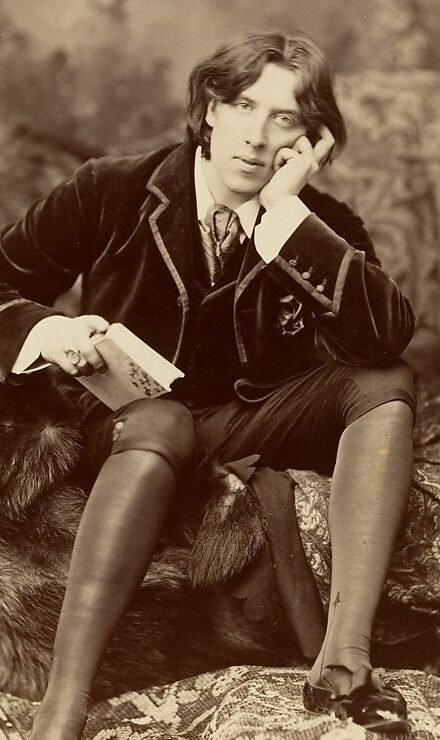









Oscar Wilde
The Wit, the Works, and the Man Behind the Legend
Two gentlemen invent identities to escape their responsibilities. A beautiful young man discovers that his portrait can bear the consequences of his actions. A golden statue gives away its treasures to help people suffering in the streets below.
These stories reveal the range of Oscar Wilde’s imagination. He could make an audience laugh at the absurdities of respectable society, unsettle readers with a disturbing fantasy, or move them with a tale of compassion and sacrifice.
His name is now inseparable from wit. Yet the clever remarks are only one part of his achievement. Behind the dazzling conversation was a thoughtful writer interested in beauty, desire, hypocrisy, and the freedom to live beyond other people’s expectations.
His life brought those interests into painful conflict with the society that had applauded him.
An Irish Writer with a Remarkable Beginning
Oscar Fingal O’Flahertie Wills Wilde was born in Dublin on 16 October 1854. Although much of his career unfolded in London, he was Irish, and his upbringing was rich in literary and intellectual influences.
His father, Sir William Wilde, was a distinguished surgeon with interests in Irish history and antiquities. His mother, Jane Wilde, wrote poetry under the name “Speranza” and supported Irish nationalism. Their home introduced Oscar to books, discussion, and people accustomed to expressing strong opinions.
He attended Portora Royal School in Enniskillen before studying classics at Trinity College Dublin and then Magdalen College, Oxford.
The public image of Wilde as an effortless talker can obscure the scholarship behind it. His writing draws on classical literature, biblical stories, philosophy, and a close understanding of language. The ease was supported by considerable learning.
Beauty as a Way of Life
At Oxford, Wilde encountered ideas that helped shape his association with the Aesthetic Movement.
Aestheticism placed particular value on beauty and artistic experience. Its familiar phrase, “art for art’s sake,” challenged the expectation that art must justify itself by delivering a moral lesson or serving a practical purpose.
For Wilde, beauty extended beyond books and paintings. Clothing, interiors, objects, and the presentation of everyday life could also express artistic choices.
His appearance helped make him famous: distinctive clothes, long hair during his early public career, and an unmistakable manner. Admirers found him fascinating; cartoonists and satirists found him irresistible.
Wilde understood how attention worked. In 1882, he undertook an extensive North American lecture tour, discussing art and decoration while becoming a celebrity in his own right.
He had become recognisable before producing the works that would secure his literary reputation. That makes him surprisingly familiar to a modern audience: someone who understood that a public persona could open doors, attract curiosity, and turn an individual into a subject of conversation.











The Serious Intelligence Behind the Wit
Wilde’s humour often works by reversing an apparently sensible statement.
A respectable principle becomes ridiculous. A supposedly trivial preference takes on enormous importance. A character speaks with complete confidence while revealing something they would rather conceal.
The pleasure comes from the surprise, but the surprise usually exposes a weakness in conventional thinking.
In his plays, people talk earnestly about morality while making decisions based on money, status, convenience, and appearances. They insist on honesty while maintaining elaborate deceptions. They praise good character but remain more impressed by a suitable family background.
Wilde allows them to condemn themselves through their own conversation.
His writing also invites caution about speakers who sound irresistibly clever. Lord Henry in The Picture of Dorian Gray is fascinating, but his polished remarks should not automatically be taken as Wilde’s advice to the reader. Charm can be persuasive without being trustworthy.
The Books and Plays That Made His Reputation
The Picture of Dorian Gray: Beauty Without Accountability
Wilde’s only novel first appeared in a magazine in 1890 and was expanded into a book in 1891.
Its central idea is unforgettable. Dorian Gray remains outwardly young and beautiful while his portrait changes to reflect the deterioration of his life.
The novel explores vanity, influence, pleasure, and the desire to avoid consequences. Dorian’s appearance protects him from suspicion, allowing society to confuse beauty with goodness.
Around him stand Basil Hallward, the artist who paints the portrait, and Lord Henry Wotton, whose seductive ideas encourage Dorian to treat experience as something to pursue without restraint.
The book creates a troubling tension between its fascination with beauty and its portrayal of a life organised around selfish gratification. Readers are invited to feel the attraction of Dorian’s world while witnessing its human cost.
For anyone interested in darker fiction, it offers a powerful introduction to Wilde.
Lady Windermere’s Fan: The Danger of First Impressions
First performed in 1892, Lady Windermere’s Fan established Wilde as a successful writer of society comedy.
Lady Windermere believes she can distinguish clearly between respectable people and those who deserve condemnation. Events force her to reconsider that confidence.
The play examines gossip, apparent betrayal, and the gulf between a person’s reputation and their actions. Its emotional force comes from the discovery that someone judged harshly may be capable of generosity that remains unseen.
Beneath the sparkling dialogue lies a question Wilde returns to repeatedly: how much do we really know about the people we condemn?
An Ideal Husband: Can a Person Survive Their Past?
First performed in 1895, An Ideal Husband combines political intrigue with questions about marriage and forgiveness.
Sir Robert Chiltern enjoys a reputation for integrity, but his success rests partly on a concealed wrongdoing. When that secret becomes a means of blackmail, his public career and private life are threatened.
The play asks what happens when we demand perfection from the people we love. Does discovering a serious fault make everything admirable about someone meaningless? Can forgiveness coexist with accountability?
Wilde refuses to make the answers entirely comfortable. His comedy depends on the distance between the flawless identities people present and the complicated lives they actually lead.
The Importance of Being Earnest: Respectability Turned Upside Down
Also first performed in 1895, The Importance of Being Earnest is Wilde’s most celebrated comedy.
Jack Worthing and Algernon Moncrieff invent excuses and identities to move between different social worlds. Their romantic plans become entangled with two women who are particularly attached to the name Ernest.
The result is a delightful escalation of misunderstandings, proposals, interrogations, and revelations.
Lady Bracknell’s examination of Jack turns marriage into an assessment of income, connections, and acceptable origins. Meanwhile, the younger characters treat matters of identity and affection with a seriousness that becomes increasingly absurd.
The subtitle, A Trivial Comedy for Serious People, captures the play’s method. Wilde makes the trivial momentous and allows supposedly serious social rules to reveal their ridiculous foundations.
It is an excellent starting point for readers who want to experience his humour at its most concentrated.
The Tenderness of His Fairy Tales
Readers who know Wilde through his comedies may be surprised by his fairy tales.
The Happy Prince and Other Tales, published in 1888, includes stories whose beauty is inseparable from sorrow.
In “The Happy Prince,” a statue overlooking a city becomes aware of suffering he did not understand during his lifetime. With the help of a swallow, he gives away the precious materials that make him outwardly magnificent.
“The Selfish Giant” connects possessiveness with emotional barrenness. “The Nightingale and the Rose” explores sacrifice alongside the painful possibility that its value will go unrecognised.
These stories concern generosity, exclusion, and the inability to appreciate what another person has given.
They also complicate the familiar image of Wilde as a detached observer amused by everyone else’s foolishness. He could write with great tenderness about vulnerability.
Their language and imagery make them accessible, but adults may recognise meanings that passed them by when they first encountered the stories as children.
Beyond the Familiar Titles
Wilde’s shorter fiction offers further opportunities to explore his range.
“The Canterville Ghost” begins with a comic clash between an English ghost and a practical American family, then develops an unexpectedly compassionate emotional centre.
“Lord Arthur Savile’s Crime” turns a prediction of future wrongdoing into a darkly comic story about duty and moral reasoning.
His play Salomé, originally written in French, offers a very different experience from the drawing-room comedies: intense, stylised, and preoccupied with desire and death.
His essays reward readers interested in the ideas behind the fiction. “The Critic as Artist” considers criticism as a creative activity, while “The Soul of Man under Socialism” explores individuality, poverty, and the conditions that might allow people to develop freely.
Together, these works reveal a writer whose interests extended well beyond the making of brilliant jokes.
Charles Dickens

E M Forster
Edward Verrall Lucas
Bram Stoker
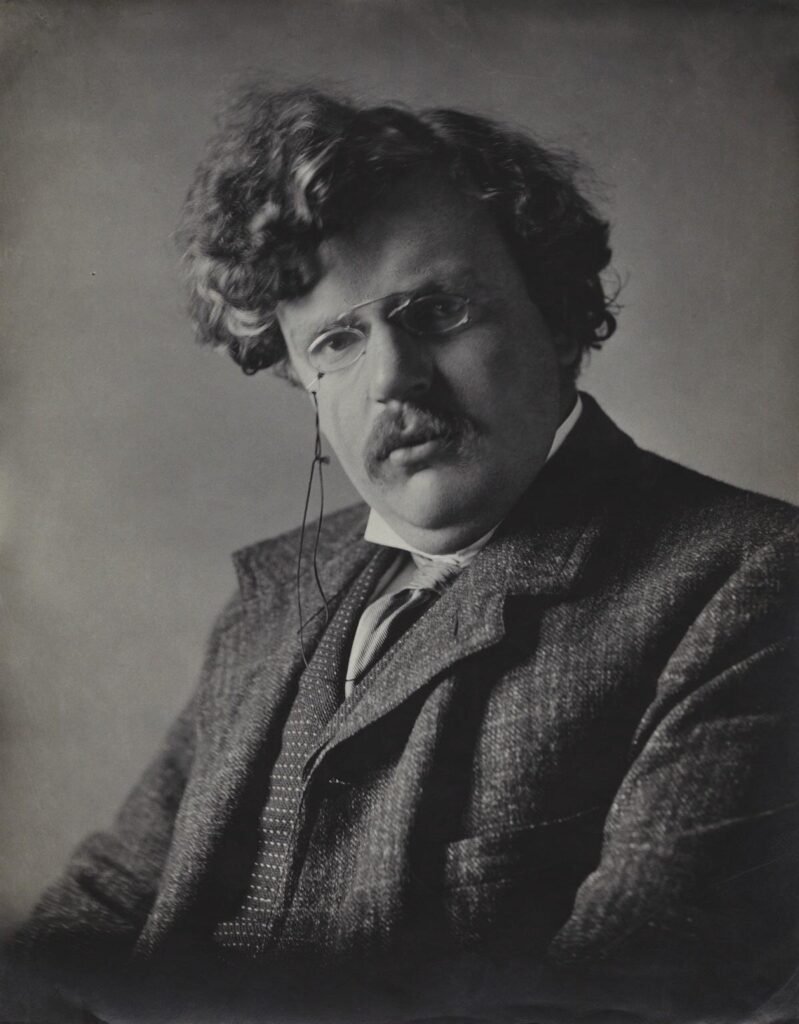
G. K. Chesterton
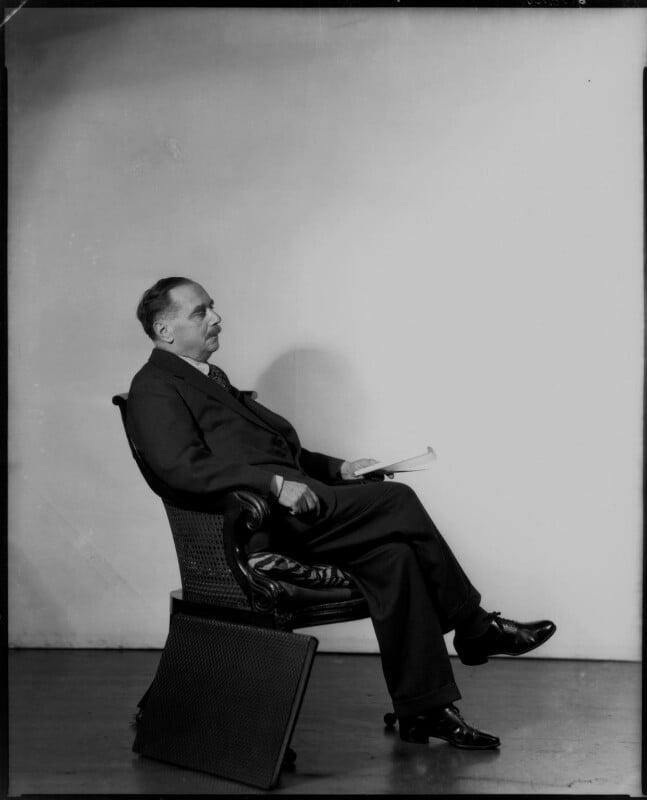
H. G. Wells
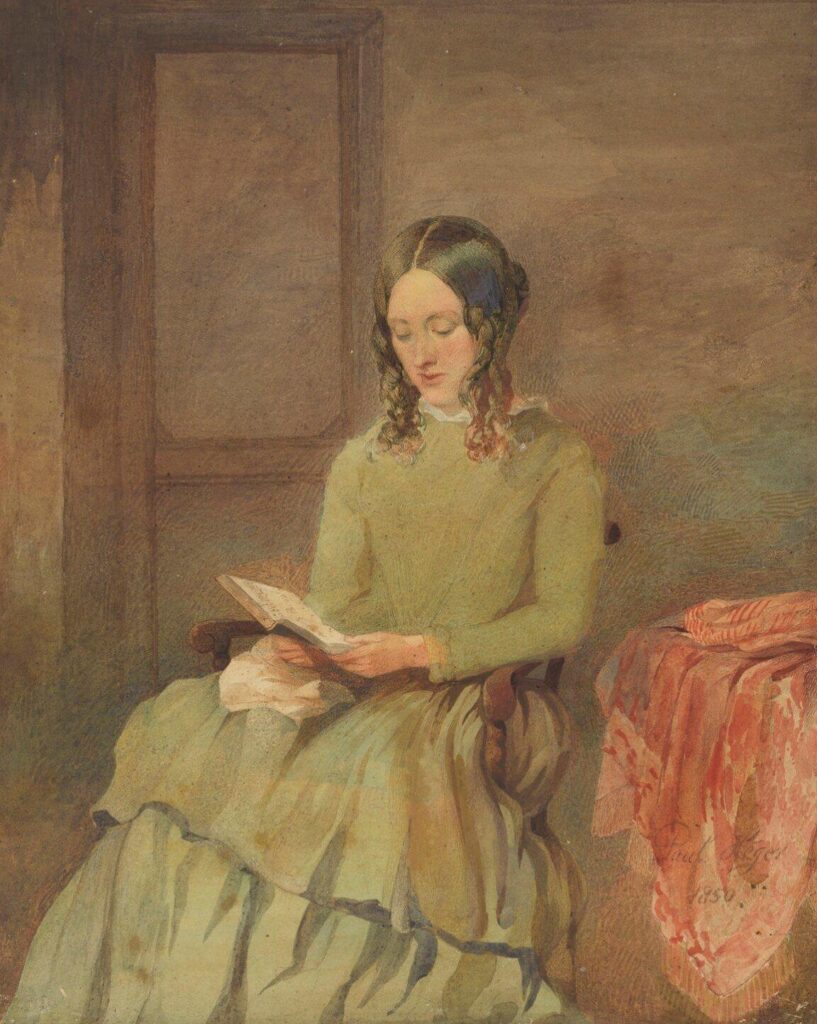
Charlotte Brontë
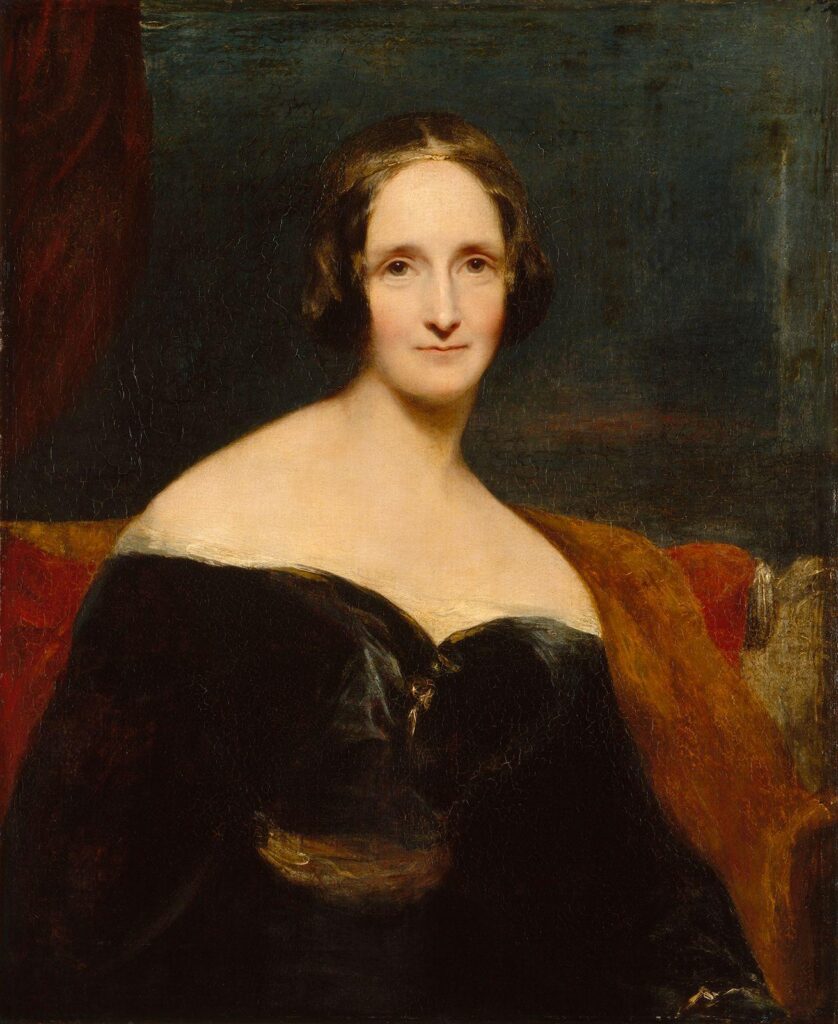
Mary Shelley
William Shakespeare
Arthur Conan Doyle
Marriage, Fatherhood, and Private Relationships
Wilde married Constance Lloyd in 1884. They had two sons, Cyril and Vyvyan.
Constance deserves recognition as a person in her own right. She wrote and took an interest in progressive causes, including changes to women’s clothing. Their family life belongs in any account of Wilde’s history.
Wilde also formed relationships with men. His relationship with Lord Alfred Douglas, whom he met in 1891, became particularly significant.
Accounts of his life sometimes turn these relationships into a simple explanation for everything that followed. That approach overlooks both the complexity of the people involved and the legal conditions in which they lived.
His choices affected Constance and their children deeply. At the same time, the criminalisation of sexual acts between men exposed him to prosecution and public humiliation.
A thoughtful account needs to acknowledge both realities.
The Trials of 1895
In early 1895, Wilde was enjoying extraordinary theatrical success. Within months, his position collapsed.
The sequence matters because the legal proceedings are often compressed into a single “trial of Oscar Wilde.”
First, Wilde brought a criminal libel prosecution against the Marquess of Queensberry, Lord Alfred Douglas’s father, following an accusation Queensberry had left at Wilde’s club.
The defence prepared evidence concerning Wilde’s relationships with men. Wilde’s prosecution was withdrawn, and Queensberry was acquitted.
Wilde was then arrested and prosecuted for “gross indecency,” an offence under legislation that criminalised sexual acts between men. The first criminal trial ended without a verdict on the principal charges, and a retrial followed.
On 25 May 1895, Wilde was convicted and sentenced to two years’ imprisonment with hard labour.
The distinction is essential: he began as the prosecutor in the libel proceedings and subsequently became the defendant in criminal proceedings.
The resulting punishment devastated his health, finances, family life, and career. His fall also exposed the cruelty of a society willing to enjoy his brilliance while treating his sexuality as grounds for imprisonment.
De Profundis: Writing from the Depths
During his imprisonment at Reading Gaol, Wilde wrote a long letter to Lord Alfred Douglas. It later became known as De Profundis, meaning “from the depths.”
The work appeared after Wilde’s death, initially in an abridged edition in 1905. Editions differ, so readers seeking the complete letter should check what their chosen version includes.
Its voice is more exposed than the confident dialogue of the comedies. Wilde considers loss, responsibility, suffering, and the possibility of giving meaning to what he has endured.
It is also a letter shaped by a difficult relationship. Anger, tenderness, accusation, and self-examination coexist. It should be read as a deeply personal account rather than an impartial history of the people involved.
The result is powerful because it captures a mind trying to rebuild a sense of itself after catastrophe.
The Ballad of Reading Gaol: Suffering Beyond the Self
Released in May 1897, Wilde left Britain and lived abroad.
His major final work, The Ballad of Reading Gaol, appeared in 1898 under the name “C.3.3.,” referring to his prison identification.
The poem draws on the execution of a fellow prisoner, Charles Thomas Wooldridge. From that event, Wilde develops a wider meditation on guilt, punishment, fear, and the suffering of prisoners.
Its repeated lines and strong rhythms give it an intensity quite different from his conversational comedy.
The poem also directs attention beyond Wilde’s own ordeal. Readers encounter the anguish of men whose lives are controlled by an institution that offers little compassion.
That broader concern makes it an important part of his achievement, rather than merely a sad footnote to his career.
His Final Years
Wilde spent his final years largely in France, with periods in Italy, living in reduced circumstances and depending on help from friends.
Constance died in 1898. Wilde never returned to the family life or public success he had known before imprisonment.
He died in Paris on 30 November 1900, aged forty-six. His remains were later moved to Père Lachaise Cemetery, where Jacob Epstein’s striking tomb became a lasting memorial.
The shortness of his life is especially affecting when placed beside the range of his work. His most successful period was brief, yet it produced writing that continues to find new readers and audiences.
Where Should You Begin?
For comedy, start with The Importance of Being Earnest. It is short, lively, and full of dialogue that rewards being read aloud.
For darker fiction, choose The Picture of Dorian Gray. Its central idea makes an immediate impression, while its questions about influence and responsibility invite reflection.
For emotional depth in a shorter form, try The Happy Prince and Other Tales. These stories reveal Wilde’s compassion as clearly as the plays reveal his wit.
For intrigue and difficult moral choices, read An Ideal Husband. It combines an engaging plot with questions about reputation and forgiveness.
For a more personal encounter, turn to De Profundis. Some knowledge of Wilde’s life will help readers understand its references and emotional tensions.
For poetry, choose The Ballad of Reading Gaol. Its rhythms and recurring images make it a compelling work to read slowly.
There is no need to begin with the most famous quotation or the most dramatic episode of his biography. Begin with the kind of reading you enjoy, then allow the work to lead you further.
Why Oscar Wilde Still Matters
Wilde remains compelling because his subjects remain close to us.
We still construct public identities. We still confuse attractiveness with goodness, success with integrity, and reputation with truth. We still struggle to admit mistakes without feeling that our entire worth has been destroyed.
His comedies make those habits visible through laughter. His fiction explores their danger. His fairy tales ask what compassion requires, and his prison writings confront the human cost of punishment.
He also occupies an important place in LGBTQ history. His persecution offers a stark reminder of what happens when prejudice becomes law, while his continuing readership represents a cultural survival that his prosecutors could not have imagined.
Yet the strongest reason to read Wilde is the writing itself: the precision of his dialogue, the imagination of his stories, and his ability to move between delight and sorrow.
The wit draws us in. The humanity gives us a reason to stay.

Whodunit Better

Have the Jane Austen Movies Replaced the Books?
When Novels Were Released Like a TV Series

Why I Hate Shakespeare

What Classic Horror Was Really Trying to Tell Us

Why did Mark Twain not like James Fenimore Cooper?

100 Editions, Countless Discoveries

Classic Literature Quiz (Part 1): How Well Do You Know the Classics?

Why Jane Austen Remains So Popular

Jane Austen vs the Brontë Sisters