The Best of British Literature:
From Austen and Shakespeare
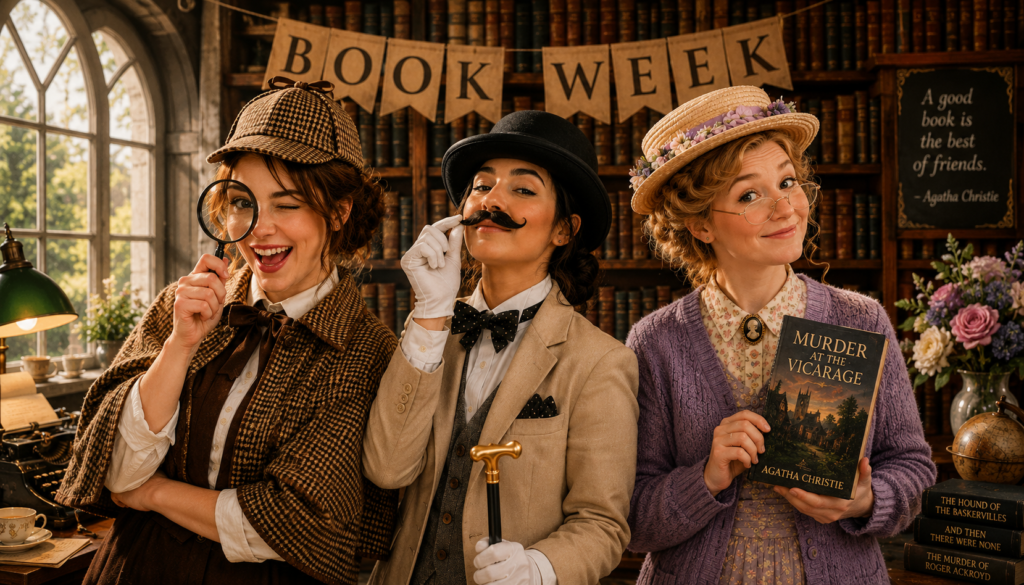
to Holmes and Marple
How did a relatively small collection of islands produce so many of the world’s most beloved stories?
It is a question worth asking.
Britain has given readers unforgettable characters, enduring adventures, chilling mysteries, timeless romances, thought-provoking science fiction, haunting Gothic tales, and some of the most celebrated plays ever written.
Elizabeth Bennet.
Sherlock Holmes.
Miss Marple.
Hamlet.
Dracula.
Frankenstein’s Creature.
These characters come from different centuries, different genres, and different authors. Yet all have become part of our shared cultural imagination.
Their stories have crossed borders, generations, and languages. Many readers encounter them long before they ever read the books themselves.
The influence of British literature extends far beyond Britain. Its stories have inspired countless films, television series, stage productions, and modern novels. Its characters continue to entertain, challenge, and inspire readers around the world.
But what makes these stories endure?
The answer lies not only in memorable plots, but in their remarkable understanding of human nature.
Whether exploring love, ambition, mystery, courage, curiosity, fear, or the struggle between good and evil, British literature has produced stories that continue to speak to readers centuries after they were first written.
Stories That Have Traveled the World
Few literary traditions have traveled as successfully as British literature.
Readers in America, Europe, Asia, Africa, and Australia continue to discover and enjoy stories first written hundreds of years ago.
Part of the reason is that these works combine compelling storytelling with universal themes.
The social observations of Jane Austen remain relevant because people still navigate relationships, family expectations, and questions of character.
The mysteries of Sherlock Holmes continue to entertain because readers still enjoy solving puzzles and uncovering hidden truths.
The tragedies of Shakespeare endure because love, ambition, grief, revenge, and hope remain central parts of the human experience.
The Gothic horrors of Dracula and Frankenstein continue to fascinate because they explore fears that remain deeply human.
The settings may belong to another era.
The emotions do not.
That is why these stories continue to travel across generations and cultures long after the world that produced them has disappeared.
Why Britain Produced So Many Great Stories
How did one nation produce such an extraordinary concentration of influential writers?
There is no single explanation.
Part of the answer lies in Britain’s unique history.
For centuries Britain stood at the centre of enormous political, social, scientific, and cultural change. Writers witnessed the rise and fall of monarchs, the growth of cities, the expansion of trade, scientific discoveries, industrial transformation, and dramatic shifts in social life.
Each generation faced new questions.
How should society be organised?
What responsibilities accompany power?
How should people respond to rapid change?
What happens when ambition, technology, or social expectations reshape human lives?
British authors explored these questions through stories.
At the same time, Britain developed a powerful literary culture. Theatres flourished. Newspapers expanded. Publishers competed for readers. Public libraries made books accessible to wider audiences.
Writers were not creating stories in isolation.
They were writing for a society that valued reading.
The result was a literary tradition remarkable for both its variety and its influence.
From drawing rooms to distant islands, from Gothic castles to futuristic worlds, British writers found endless ways to explore the human experience.
Love, Society, and Human Relationships
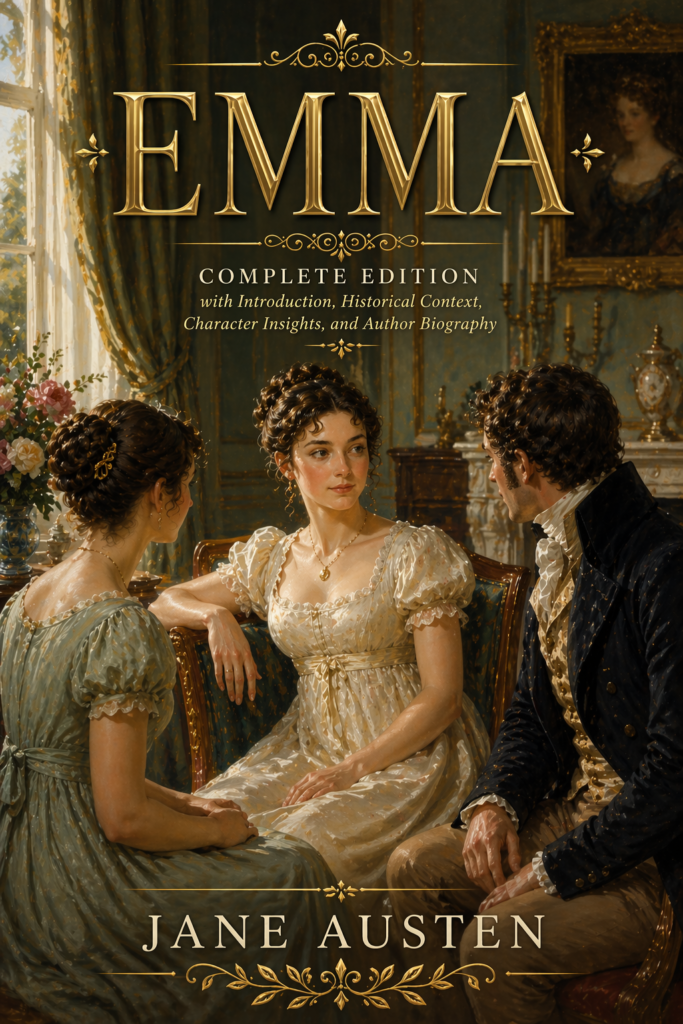
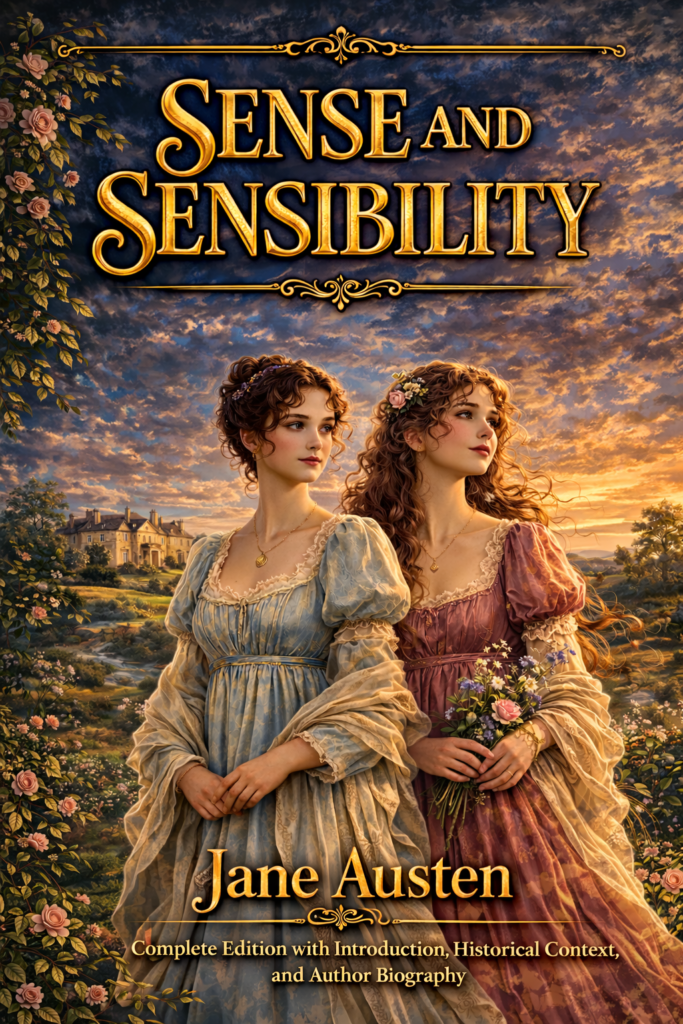
One of British literature’s greatest strengths is its ability to observe people.
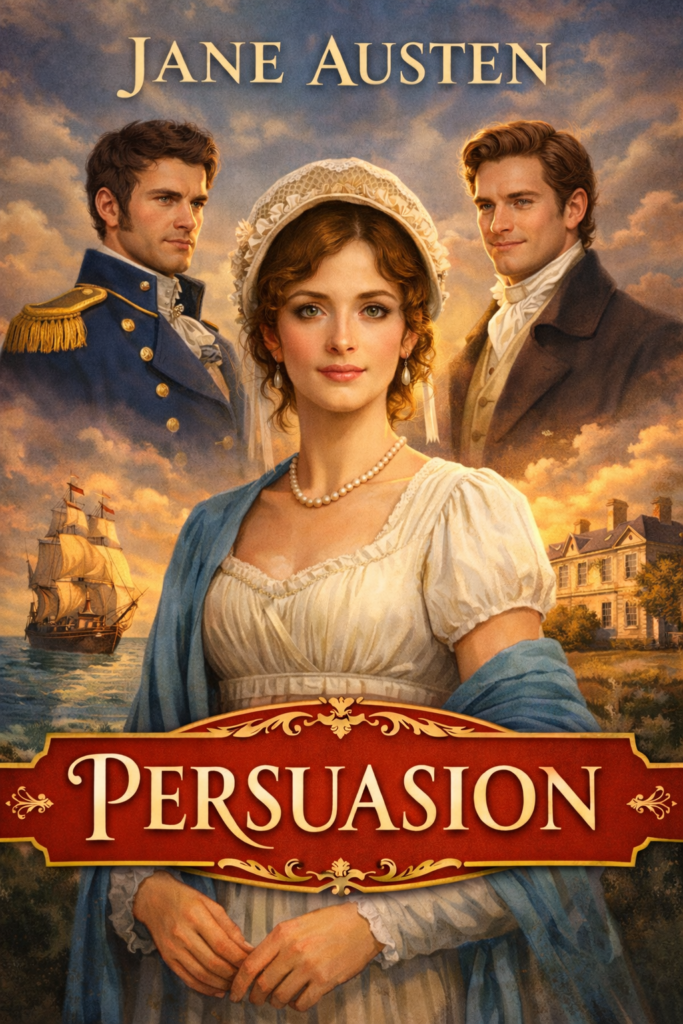
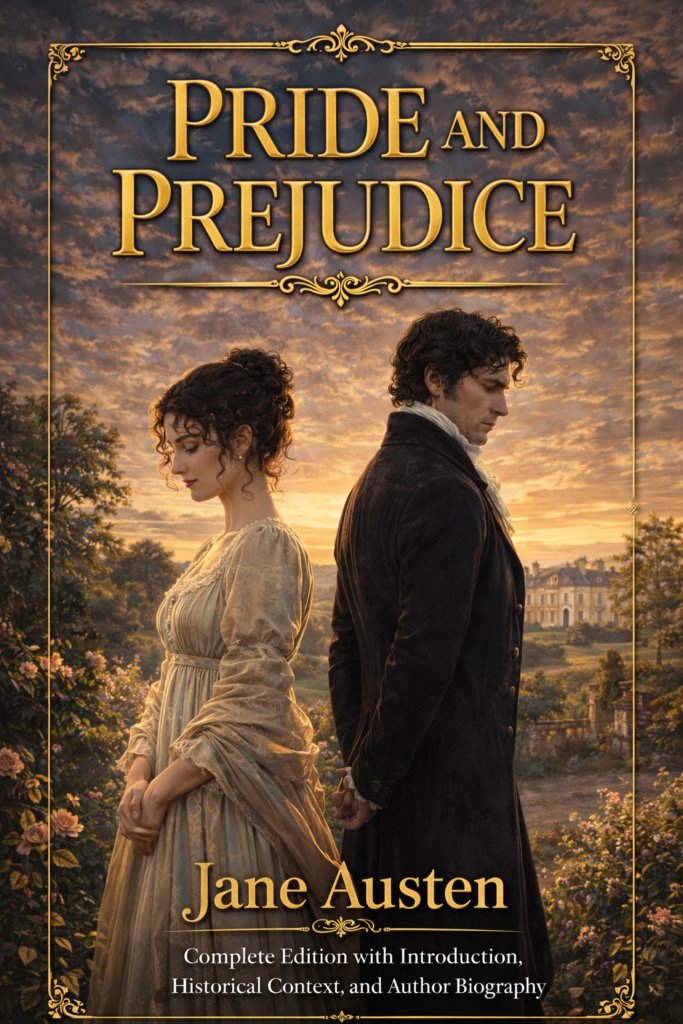
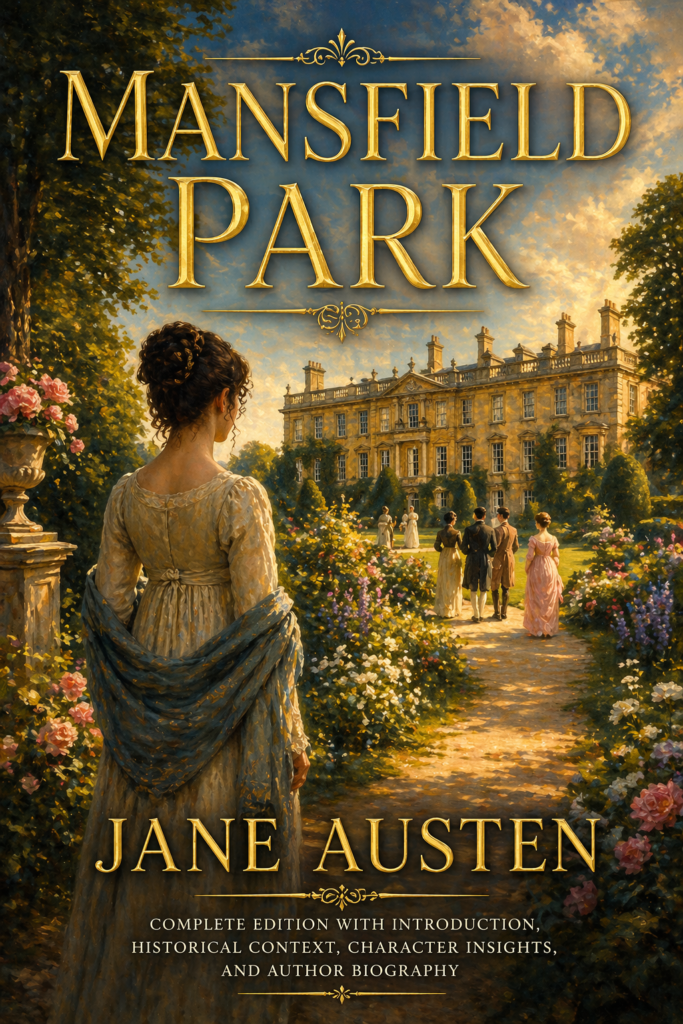
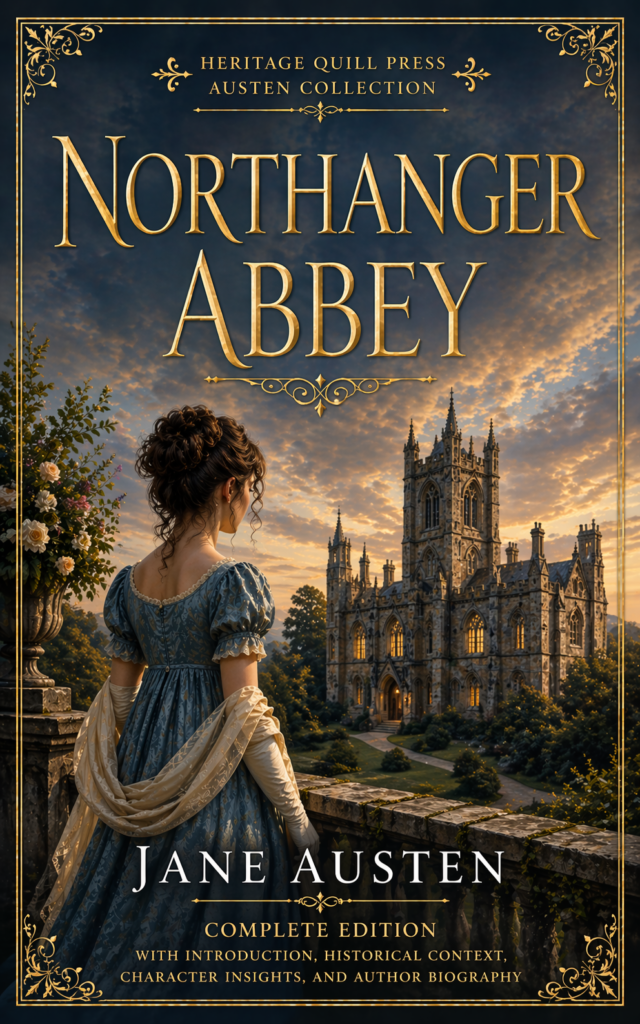
Few authors demonstrate this more effectively than Jane Austen.
Her novels continue to delight readers because they understand something timeless: human beings are complicated.
People misunderstand one another.
They judge too quickly.
They make mistakes.
They fall in love.
They grow.
Through wit, humour, and sharp observation, Austen created stories that remain remarkably fresh more than two centuries after they were written.
Her novels are often remembered for romance, but they are equally concerned with friendship, family, character, responsibility, and the choices that shape our lives.
Readers continue to recognise themselves in her characters because the challenges they face remain familiar.
How do we judge character?
How do we balance emotion and reason?
What truly matters in a relationship?
Austen’s enduring popularity reminds us that the most compelling stories are often those that understand people best.
The Enduring Drama of Being Human
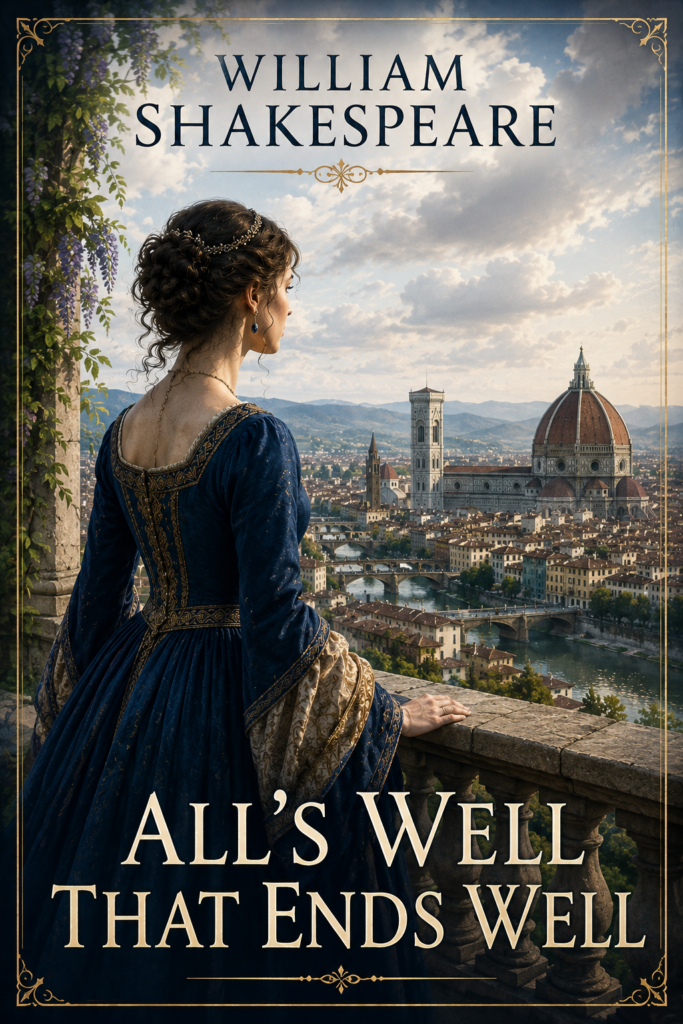
If Austen explored the social world, William Shakespeare explored the full range of human experience.
More than four hundred years after his death, his works continue to be read, performed, adapted, and discussed throughout the world.
The reason is simple.
Shakespeare understood people.
His plays explore love and jealousy, ambition and regret, revenge and forgiveness, loyalty and betrayal, hope and despair.
Characters such as Hamlet, Macbeth, Juliet, and King Lear remain compelling because they struggle with questions that still matter today.
How should we respond to injustice?
What happens when ambition overcomes conscience?
What do we owe to the people we love?
How do we cope with grief and loss?
The settings may belong to another age, but the emotional truths remain familiar.
This ability to capture the complexities of human nature is one of the reasons Shakespeare continues to resonate with modern readers.
Mystery, Secrets, and the Search for Truth
British literature has produced some of the world’s most famous detectives.
Sherlock Holmes remains one of the most recognisable fictional characters ever created.
His powers of observation, logical reasoning, and relentless pursuit of truth helped define the detective genre.
Yet Holmes is only one part of Britain’s rich mystery tradition.
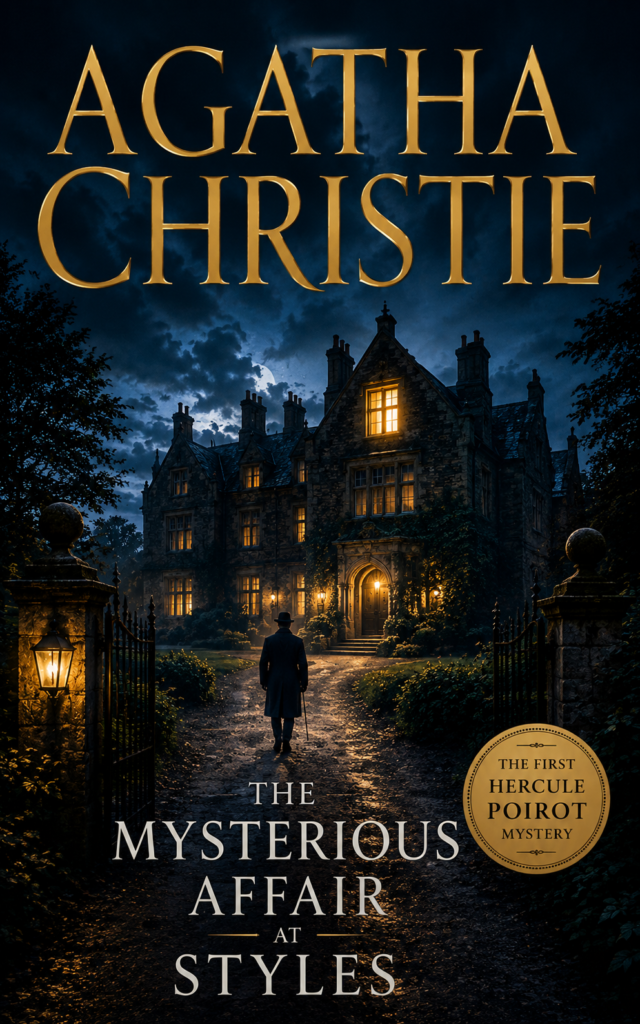
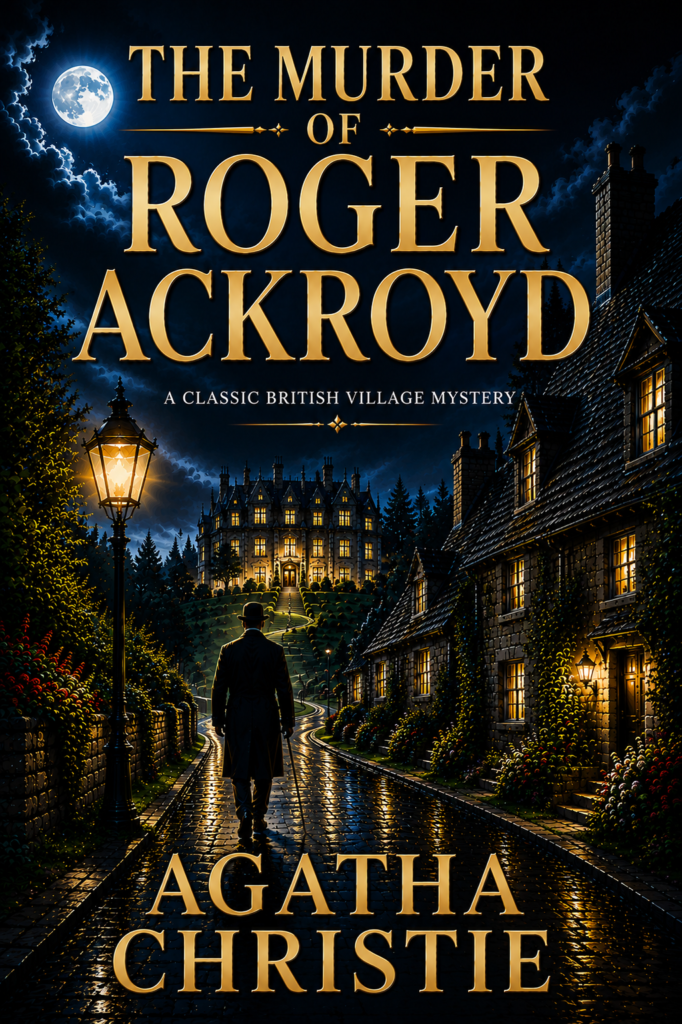
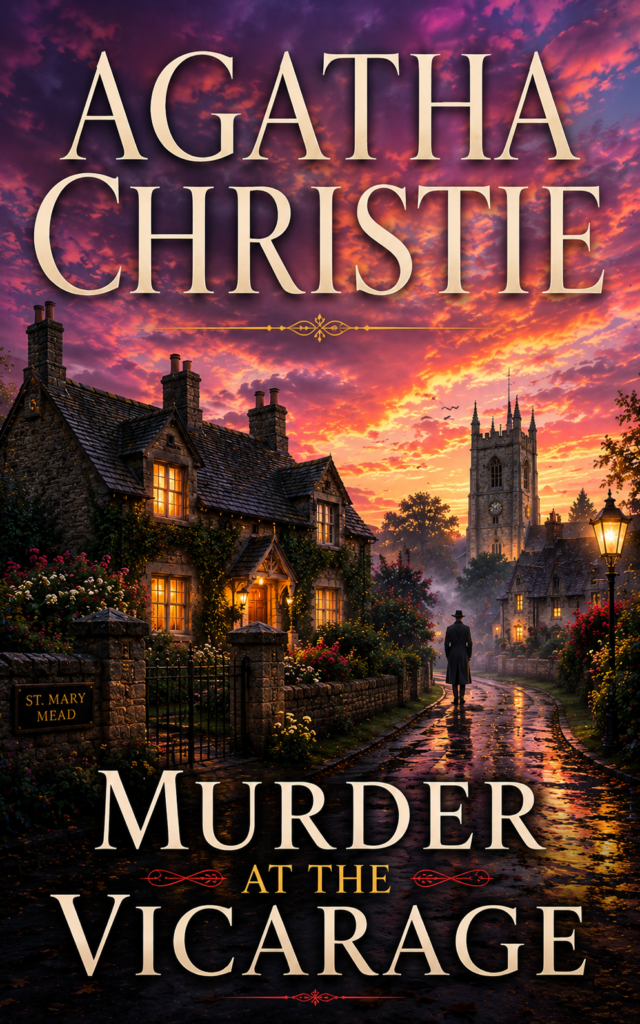
Agatha Christie transformed the mystery novel into an art form.
Her stories invited readers to solve puzzles alongside detectives while navigating a world of hidden motives, deception, and carefully concealed clues.
Country houses.
Village communities.
Family gatherings.
Behind these seemingly ordinary settings lurked extraordinary secrets.
Characters such as Miss Marple and Hercule Poirot continue to captivate readers because they reveal a simple truth:
Understanding human nature is often the key to solving a mystery.
The enduring popularity of detective fiction reflects something fundamental about readers.
We enjoy searching for answers.
We enjoy uncovering what others have missed.
British literature has long excelled at turning that search into unforgettable stories.
Adventure Beyond the Horizon
Not every great British story unfolds in a drawing room or a detective’s study.
Some begin with a map.
A sword.
A journey.
A distant shore.
Adventure has always occupied an important place within British literature.
Readers have followed young heroes across oceans, through forests, into castles, and across dangerous landscapes in search of treasure, justice, freedom, and self-discovery.
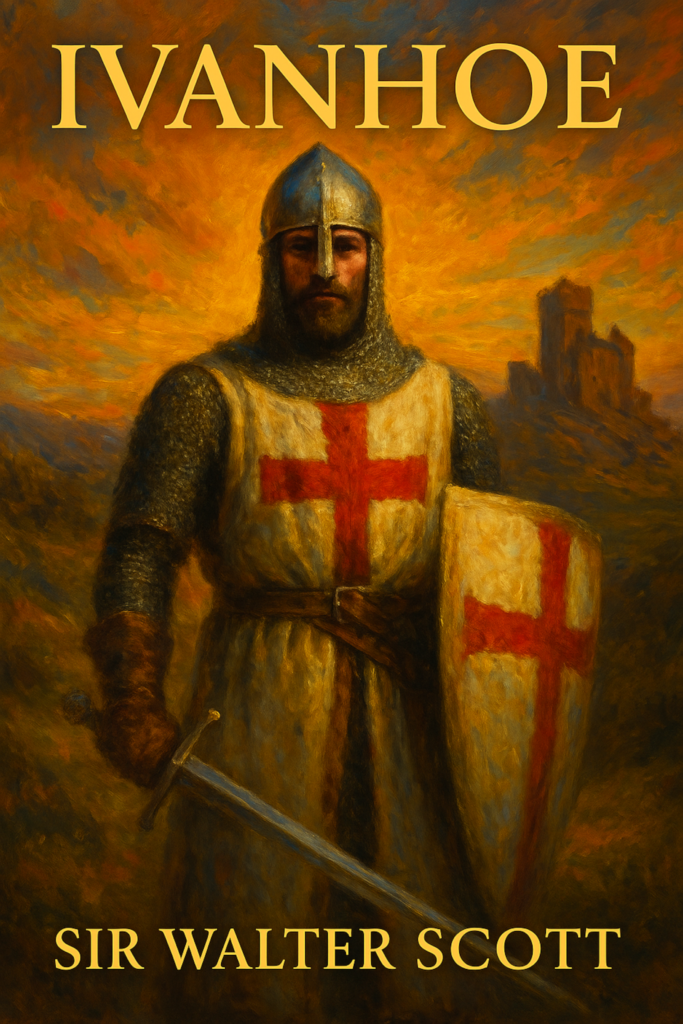
Stories such as Treasure Island, Kidnapped, and Ivanhoe continue to appeal because they combine excitement with timeless themes of courage, loyalty, honour, and perseverance.
The adventures themselves may be exciting, but the lasting appeal often lies elsewhere.
The characters who set out in search of treasure or glory frequently discover something even more valuable about themselves.
Adventure literature reminds us that growth often begins when we step beyond what is familiar.
And that lesson remains as relevant today as it was centuries ago.
Capturing Victorian Britain
Few authors captured Britain in transition more effectively than Charles Dickens.
His novels remain among the most widely read works in English literature because they combine memorable storytelling with deep compassion for ordinary people.
Dickens wrote about childhood, family, poverty, ambition, friendship, resilience, and social injustice.
His characters often struggle against difficult circumstances, yet they continue to hope, dream, and persevere.
Readers still connect with Dickens because his stories feel alive.
They are filled with humour, emotion, unforgettable personalities, and a profound understanding of human nature.
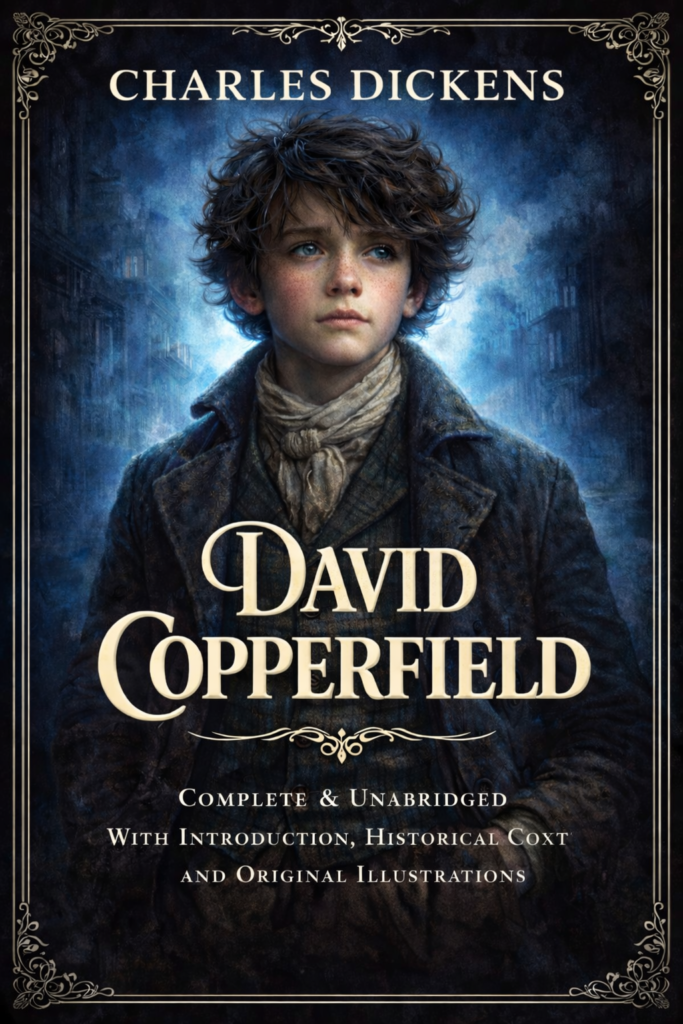
Through works such as David Copperfield, Dickens transformed the everyday experiences of ordinary people into stories that continue to resonate with readers generations later.
His novels provide not only compelling narratives, but also a vivid portrait of Victorian Britain itself.
They remind us that great literature often emerges from careful observation of ordinary lives.
Imagining the Future
While some British authors looked to the past, others looked toward the future.
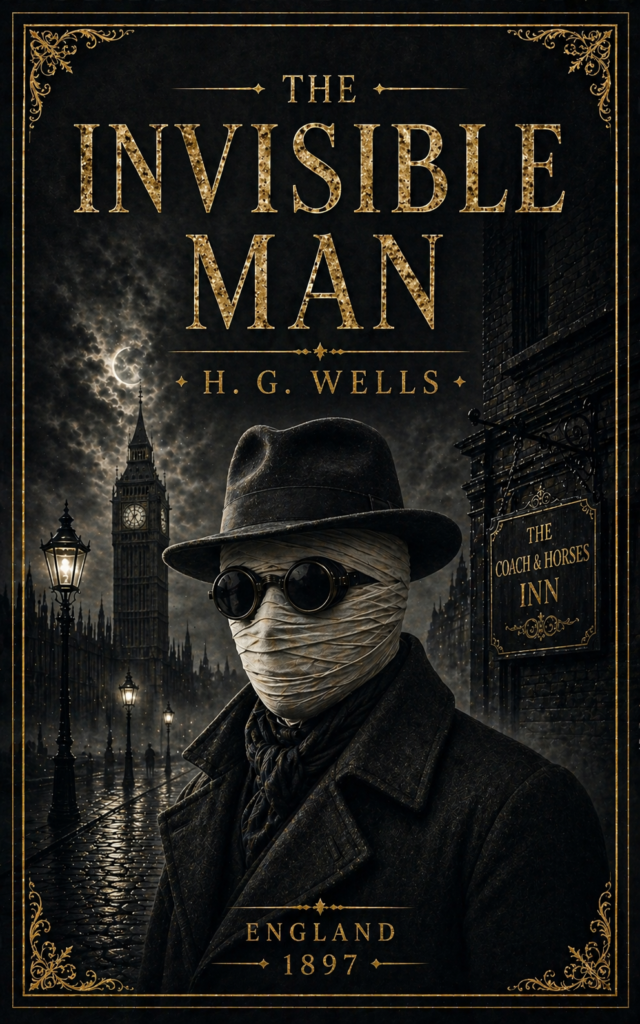
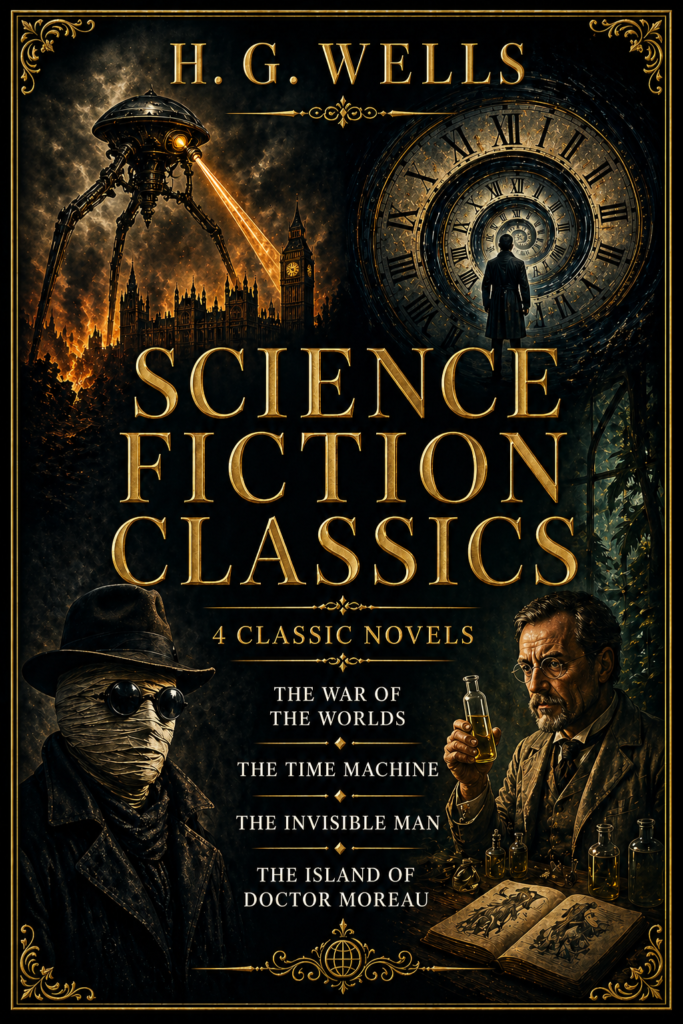
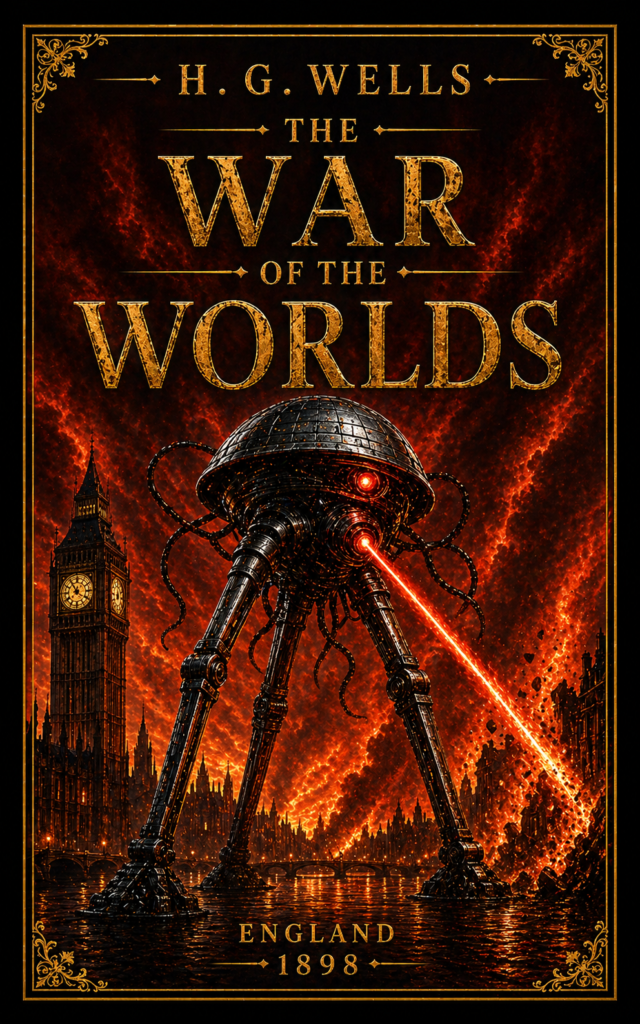
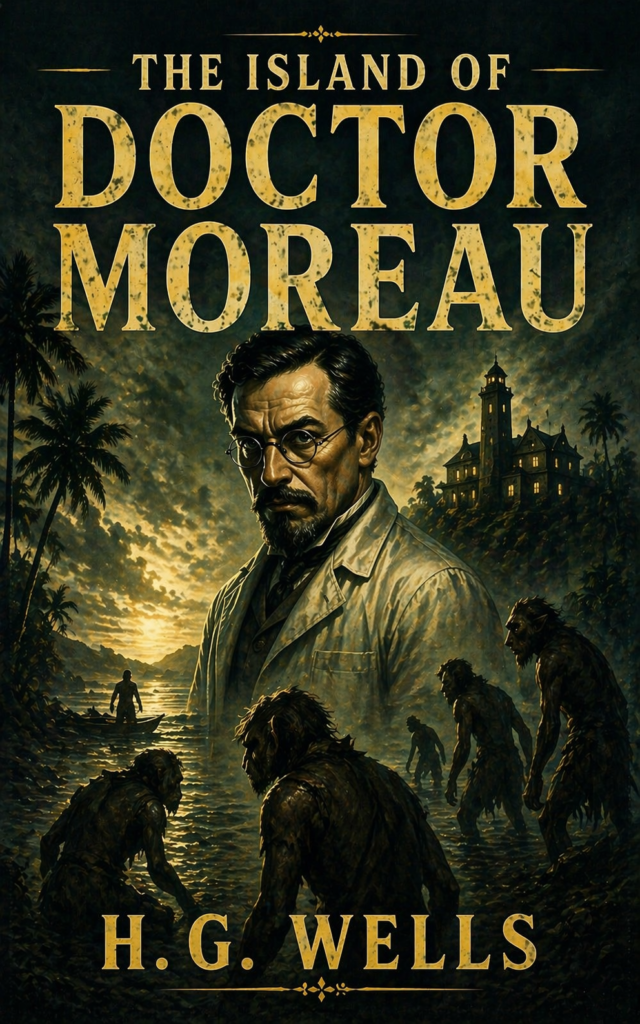
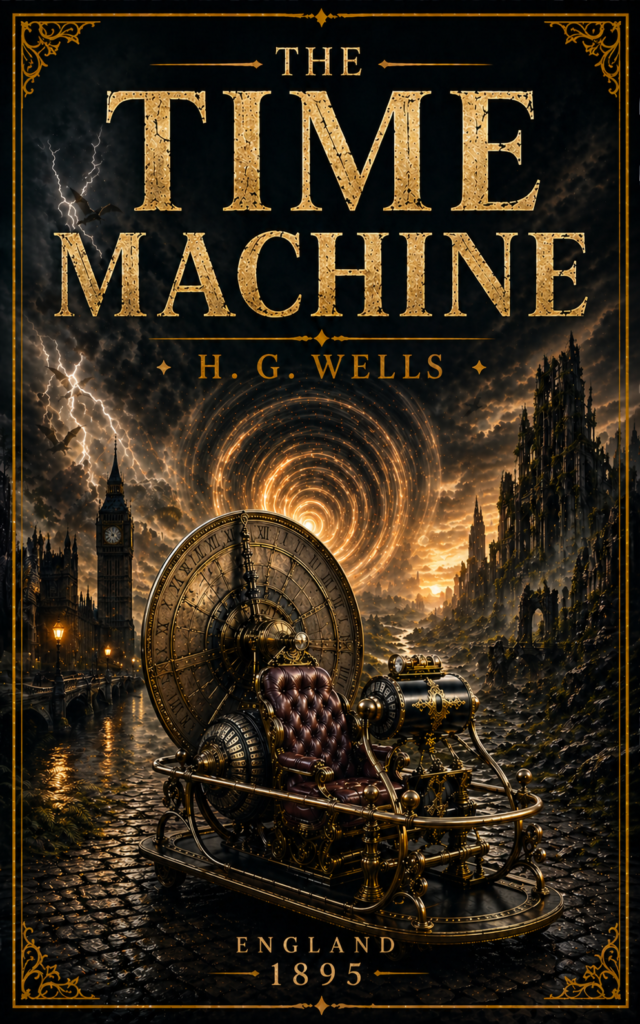
Few writers have influenced modern science fiction more profoundly than H. G. Wells.
Long before space exploration, modern warfare, artificial intelligence, or advanced technology became realities, Wells was imagining worlds transformed by scientific discovery.
His novels asked questions that remain surprisingly relevant.
How should scientific knowledge be used?
What responsibilities accompany technological power?
What happens when human ambition exceeds human wisdom?
Works such as The Time Machine, The Invisible Man, The Island of Doctor Moreau, and The War of the Worlds helped establish many of the themes that continue to shape science fiction today.
Yet beneath the imaginative settings, Wells remained deeply interested in people.
His stories use extraordinary situations to explore familiar human fears, desires, and moral dilemmas.
The technology may be speculative.
The questions are timeless.
Gothic Shadows and Dark Imaginations
British literature has also produced some of the most influential Gothic stories ever written.
These novels continue to fascinate readers because they explore fear, mystery, isolation, ambition, responsibility, and the unknown.
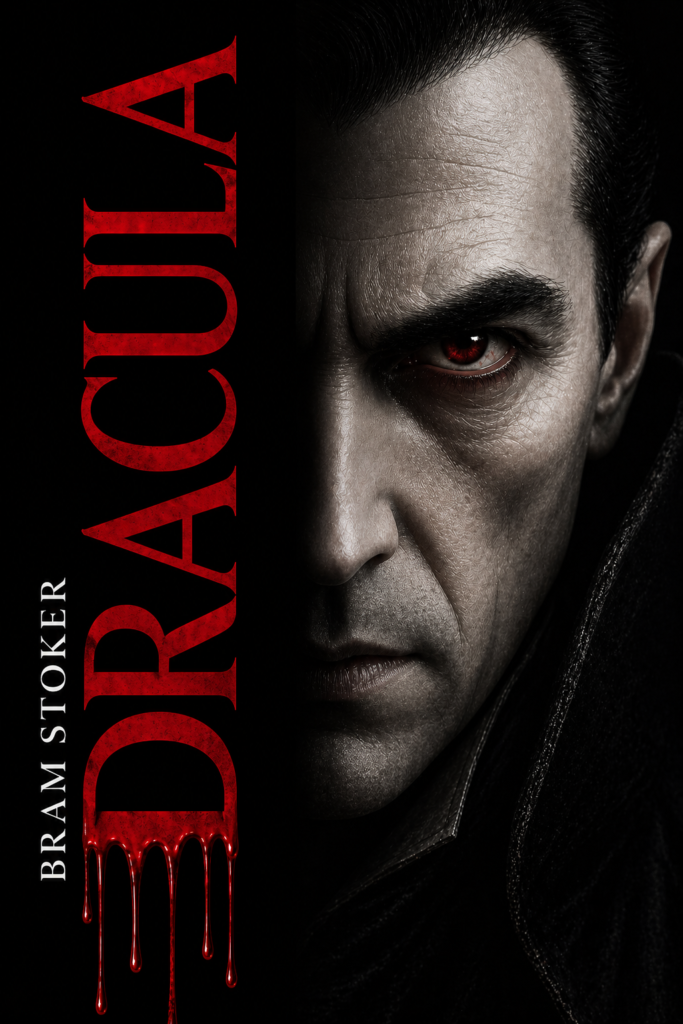
Dracula transformed the vampire into one of literature’s most enduring figures.
Frankenstein challenged readers to consider the consequences of creation, the responsibilities that accompany knowledge, and the dangers of abandoning compassion.
Both novels are often remembered for their monsters.
Yet their lasting power comes from something deeper.
They ask questions about humanity itself.
Why do we fear the unknown?
What responsibilities accompany power?
What happens when obsession overrides morality?
Who deserves understanding and acceptance?
The fact that these questions remain relevant explains why Gothic fiction continues to attract new generations of readers.
These stories do more than frighten.
They provoke reflection.

British Literature’s Unforgettable Characters
Many stories entertain readers while they are being read.
The greatest stories leave behind characters that readers remember for a lifetime.
British literature has produced more than its fair share.
Elizabeth Bennet’s intelligence and independence continue to charm readers.
Sherlock Holmes remains the world’s most famous detective.
Hamlet fascinates audiences with his struggle between action and conscience.
Miss Marple demonstrates how careful observation can reveal hidden truths.
Dracula remains one of fiction’s most enduring villains.
Frankenstein’s Creature continues to provoke questions about humanity, acceptance, and responsibility.
These characters endure because they are more than plot devices.
They possess distinct personalities, recognisable motivations, strengths, weaknesses, and emotional depth.
Readers return to them because they feel real.
Their worlds may belong to another century.
Their struggles do not.
More Than School Assignments
For some readers, names such as Shakespeare, Austen, or Dickens immediately bring back memories of classrooms, examinations, and assigned reading.
That is unfortunate.
Because these works did not survive for centuries because they appeared on reading lists.
They survived because generations of readers genuinely enjoyed them.
Before they became classics, they were simply stories.
Stories that entertained audiences.
Stories that made readers laugh, cry, think, imagine, and discuss.
The fact that these books continue to be taught often obscures the reason they entered classrooms in the first place.
They are there because they have already proven their ability to captivate readers.
Approached as stories rather than assignments, many classics reveal themselves to be far more engaging than readers expect.
The mysteries remain intriguing.
The adventures remain exciting.
The romances remain moving.
The characters remain unforgettable.
Great books become classics because readers choose to keep reading them.
Britain’s Influence on Modern Storytelling
The influence of British literature extends far beyond the books themselves.
Many of today’s most popular films, television series, novels, and characters owe a debt to British writers.
Modern detective fiction continues to draw inspiration from Sherlock Holmes.
Science fiction remains shaped by ideas first explored by H. G. Wells.
Countless fantasy, adventure, horror, and historical novels build upon traditions established by earlier British authors.
Shakespeare’s influence can be found throughout modern storytelling.
Dracula continues to shape vampire fiction.
Frankenstein continues to influence stories about science, technology, and artificial life.
Even readers who have never consciously picked up a British classic have almost certainly encountered stories influenced by them.
Their ideas have become woven into modern culture itself.
Why Readers Keep Returning
One of the most remarkable qualities of great literature is its ability to grow alongside the reader.
A teenager may discover adventure in Treasure Island.
An adult may focus on its themes of courage, temptation, and personal growth.
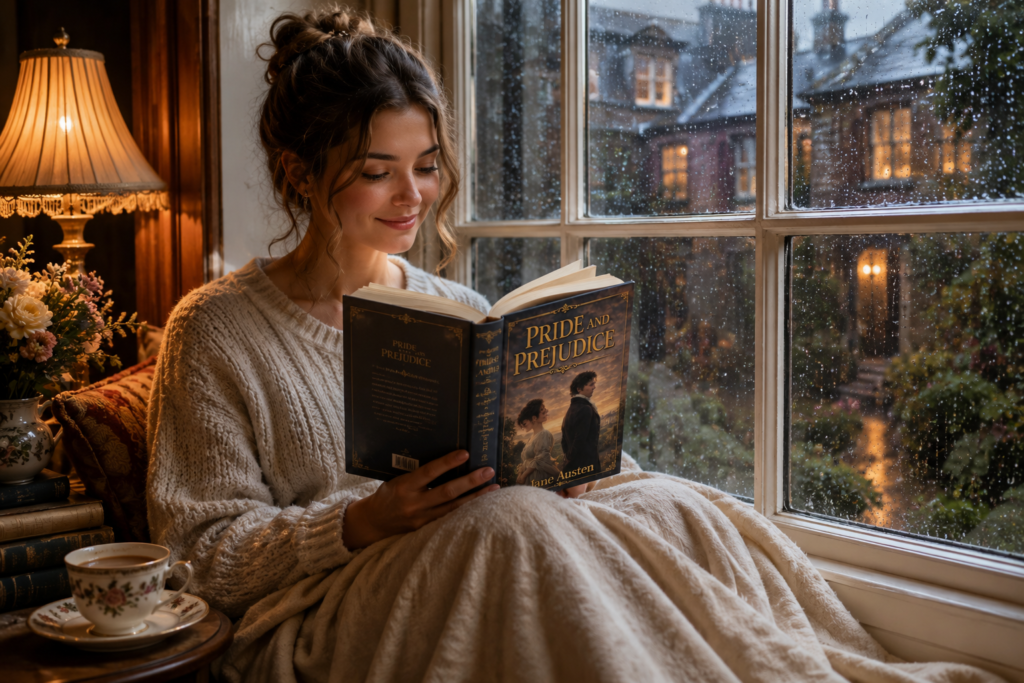
A first reading of Pride and Prejudice may highlight the romance.
A later reading may reveal deeper observations about family, character, and social expectations.
The same is true of Shakespeare, Dickens, Wells, Christie, and many others.
These books continue to reward readers because they contain layers of meaning that reveal themselves over time.
Each return journey offers something new.
That is one of the defining characteristics of enduring literature.
The stories remain the same.
The reader changes.
British Authors
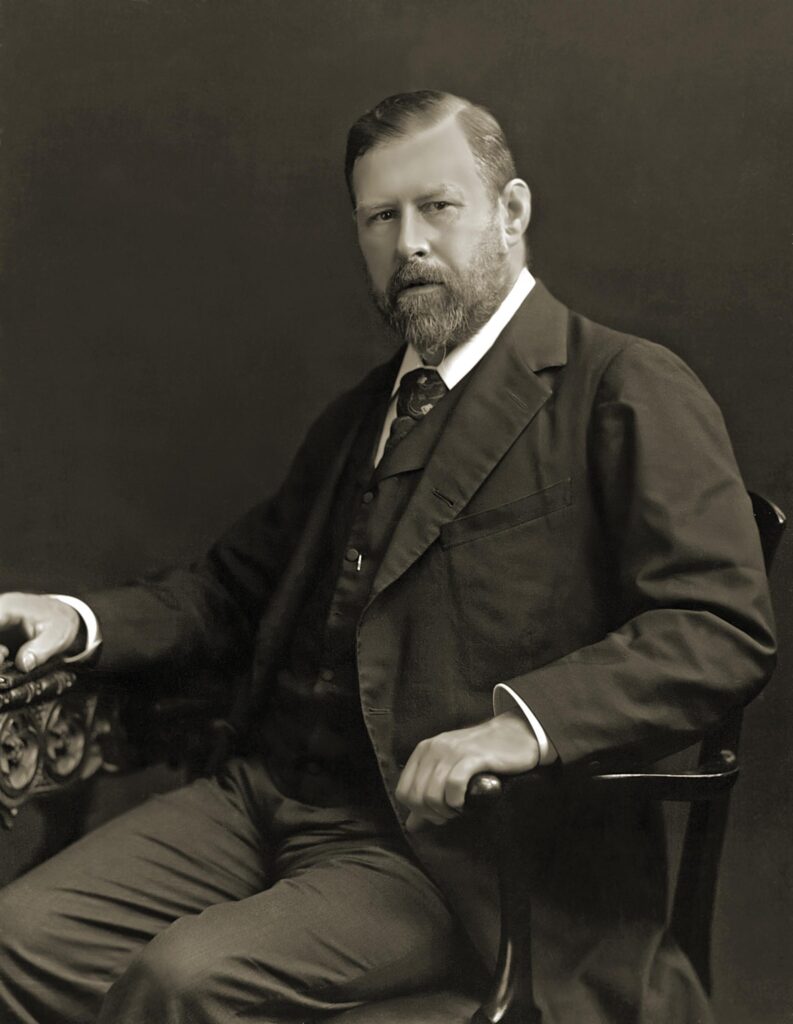
Bram Stoker
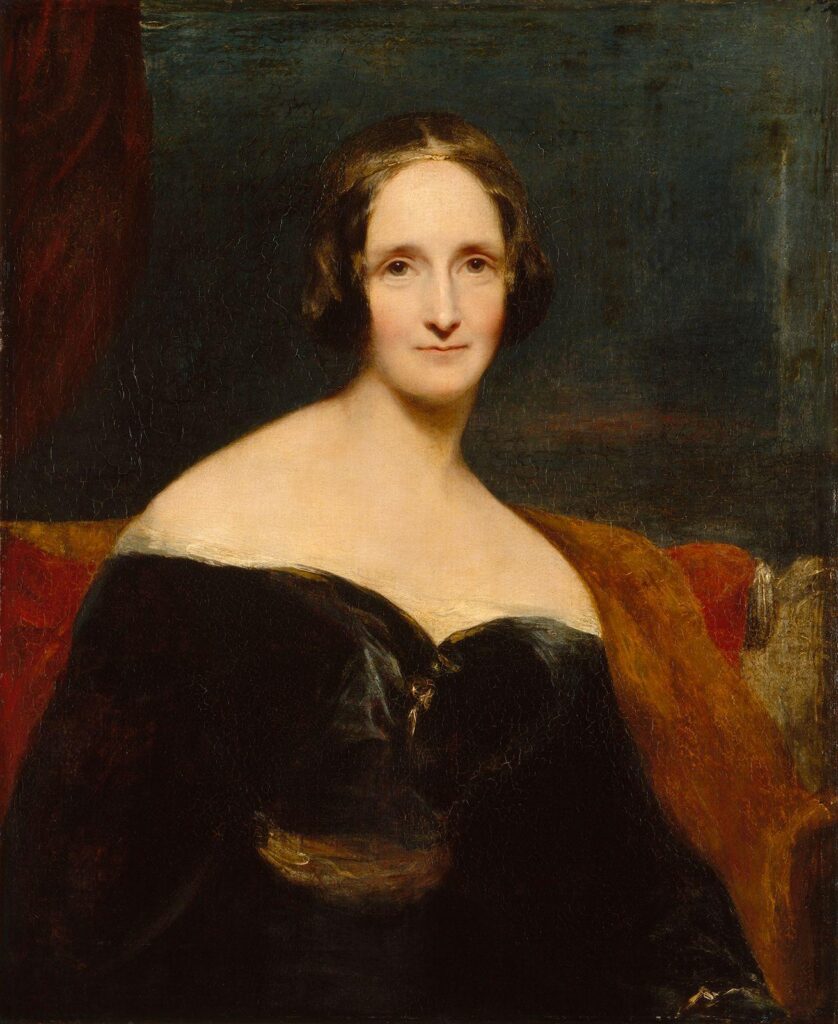
Mary Shelley
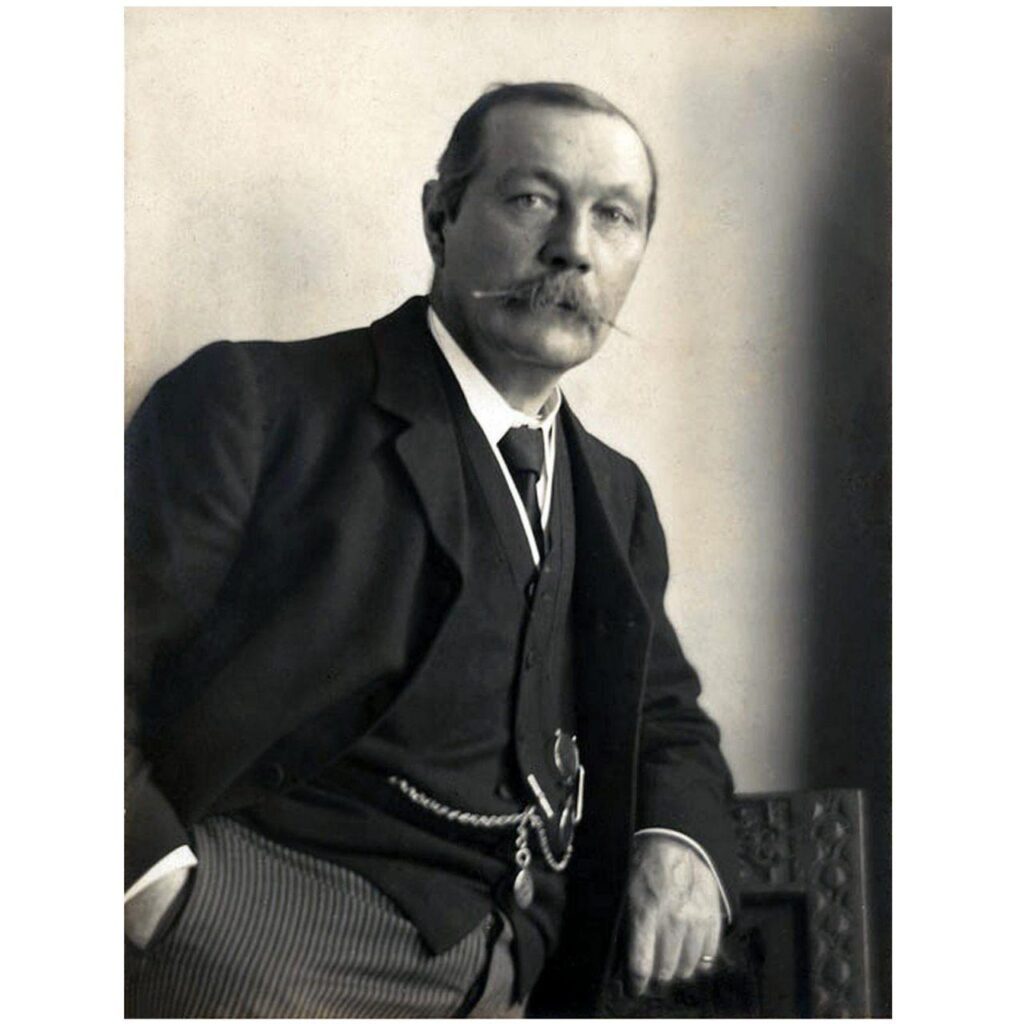
Arthur Conan Doyle
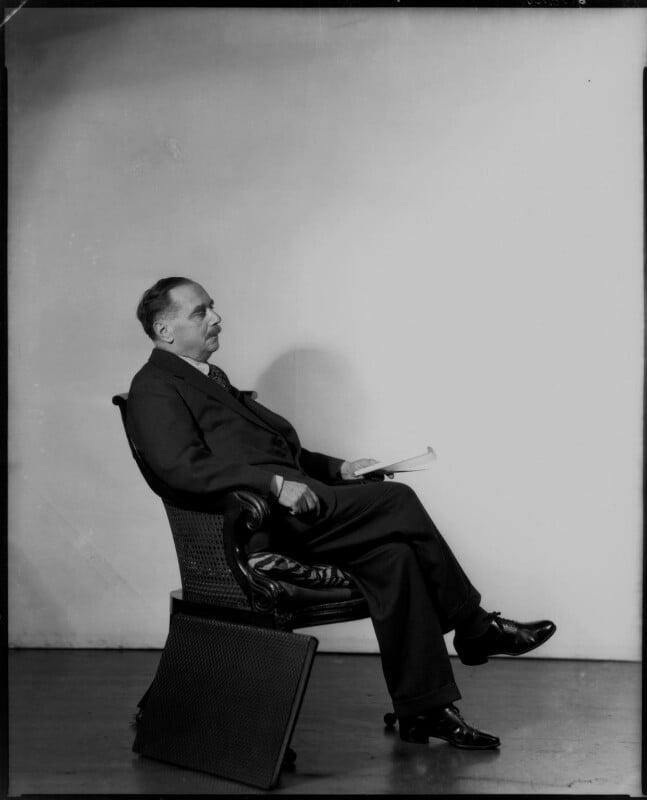
H. G. Wells
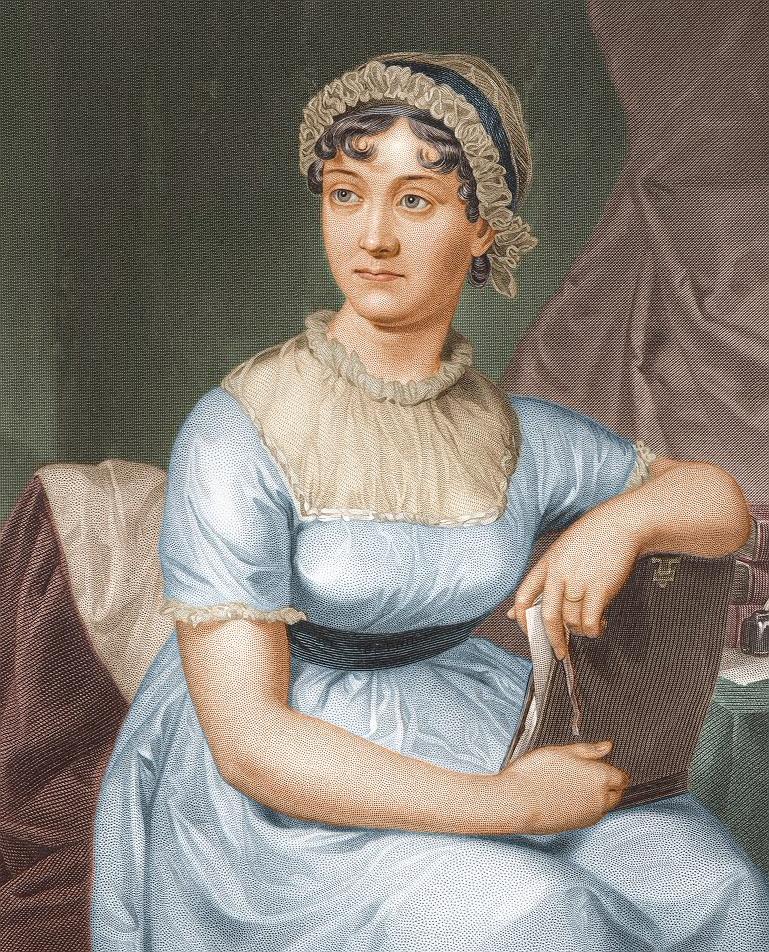
Jane Austen
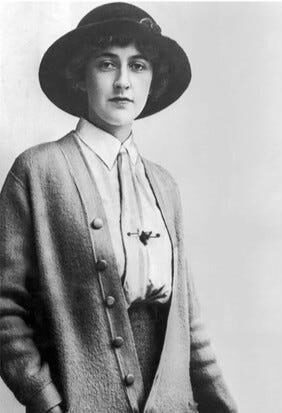
Agatha Christie
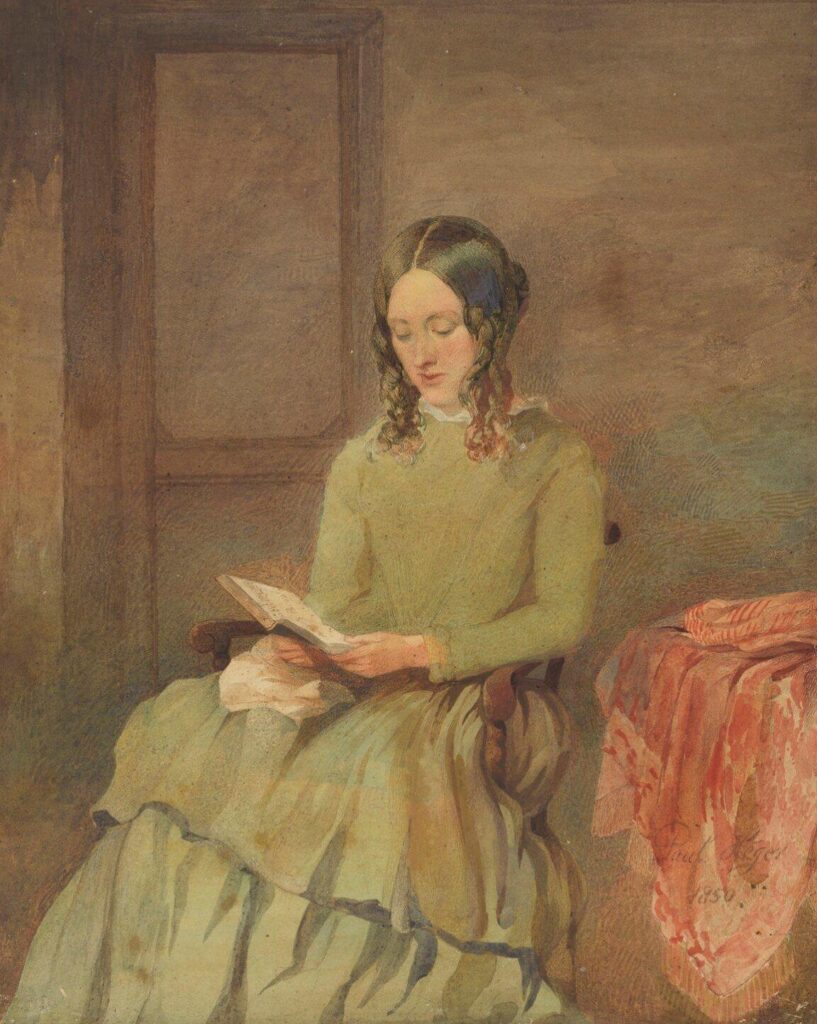
Charlotte Brontë
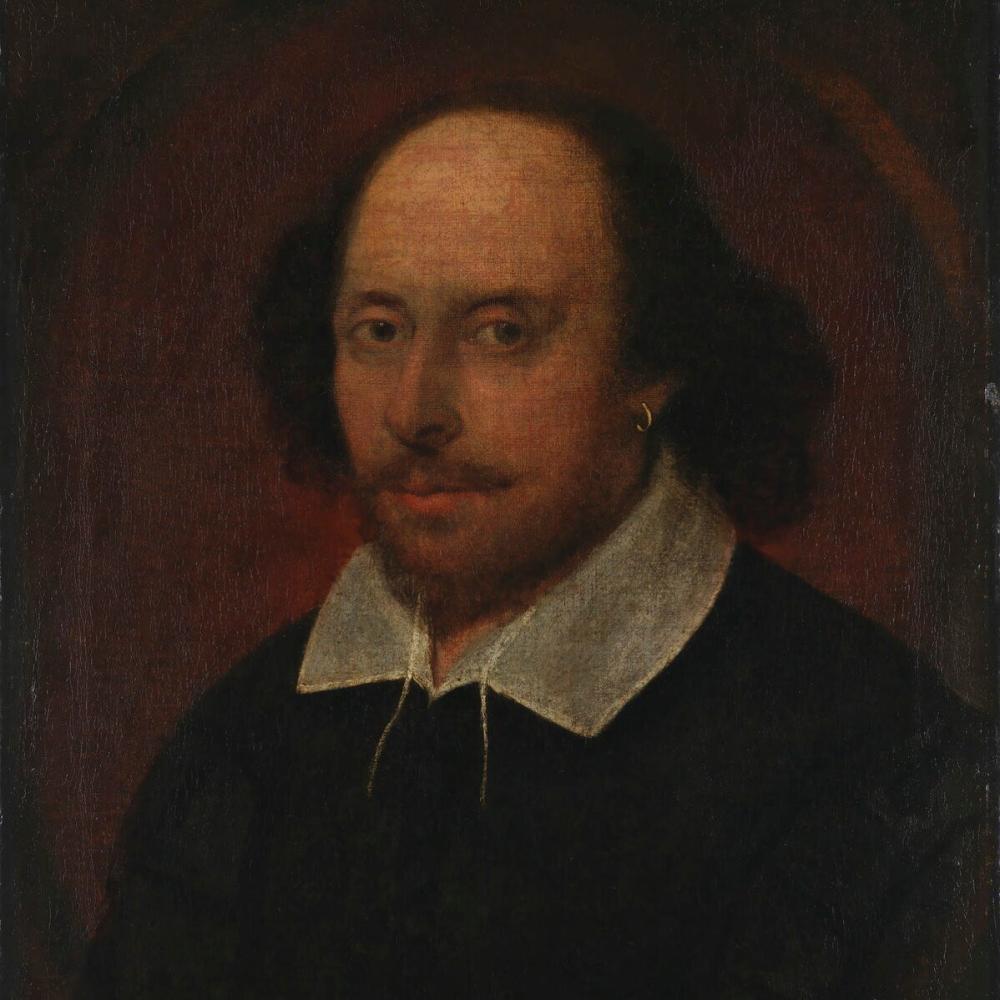
William Shakespeare
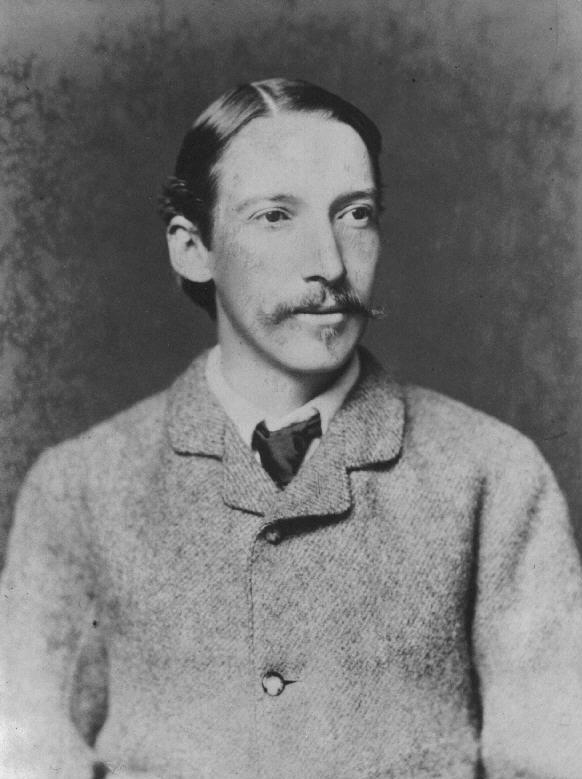
Robert Louis Stevenson
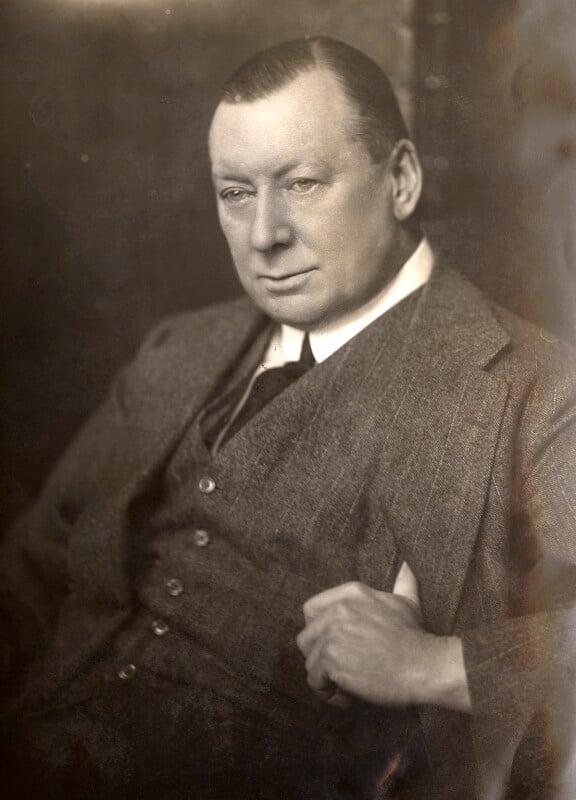
Edward Verrall Lucas
Do the British Do It Better?
Perhaps.
Perhaps not.
Great literature exists in every culture and every language.
Russian literature asks profound questions about morality, faith, and human nature.
French literature has produced remarkable works of adventure, philosophy, and social commentary.
American literature has given readers unforgettable explorations of freedom, identity, and ambition.
No nation possesses a monopoly on great storytelling.
Yet there is little doubt that Britain has produced an astonishing concentration of influential writers.
The reasons are complex.
History.
Language.
Education.
Publishing.
Culture.
But perhaps the simplest explanation is also the most persuasive.
The best British writers understood people.
Their stories endure because they reveal truths about love, friendship, courage, ambition, curiosity, justice, fear, and hope.
Readers may arrive for the settings, mysteries, adventures, or romances.
They stay because the characters feel real.
Why These Books Work So Well Together
At first glance, the books featured on this page appear remarkably different.
A Regency romance.
A Shakespearean tragedy.
A detective mystery.
A Gothic horror novel.
A science-fiction adventure.
A historical epic.
Yet beneath these differences lie shared concerns.
Love.
Friendship.
Ambition.
Justice.
Curiosity.
Fear.
Hope.
The desire to understand ourselves and the world around us.
The genres may vary.
The settings may change.
The questions remain remarkably consistent.
This is one of the reasons British literature feels so rich and diverse.
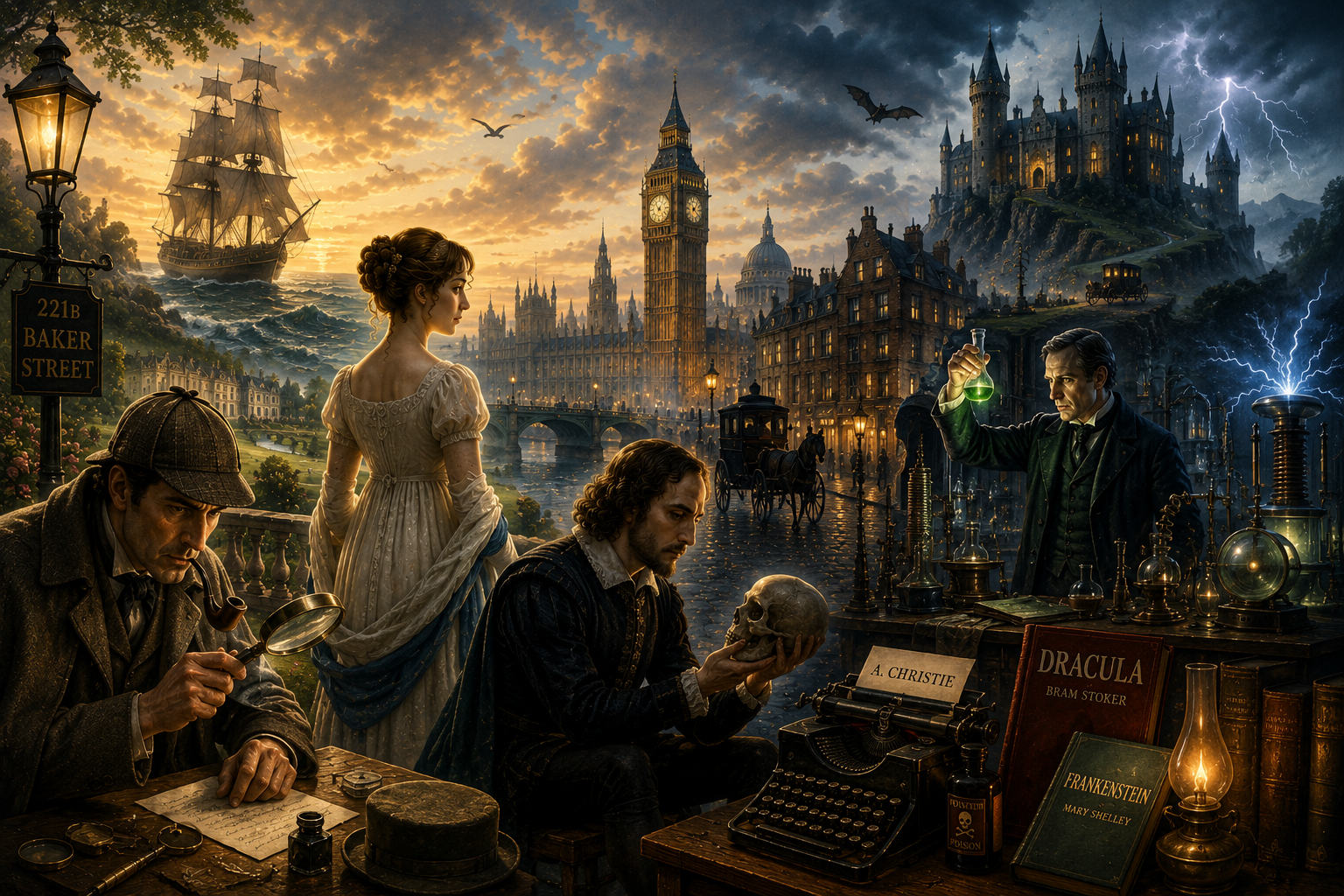
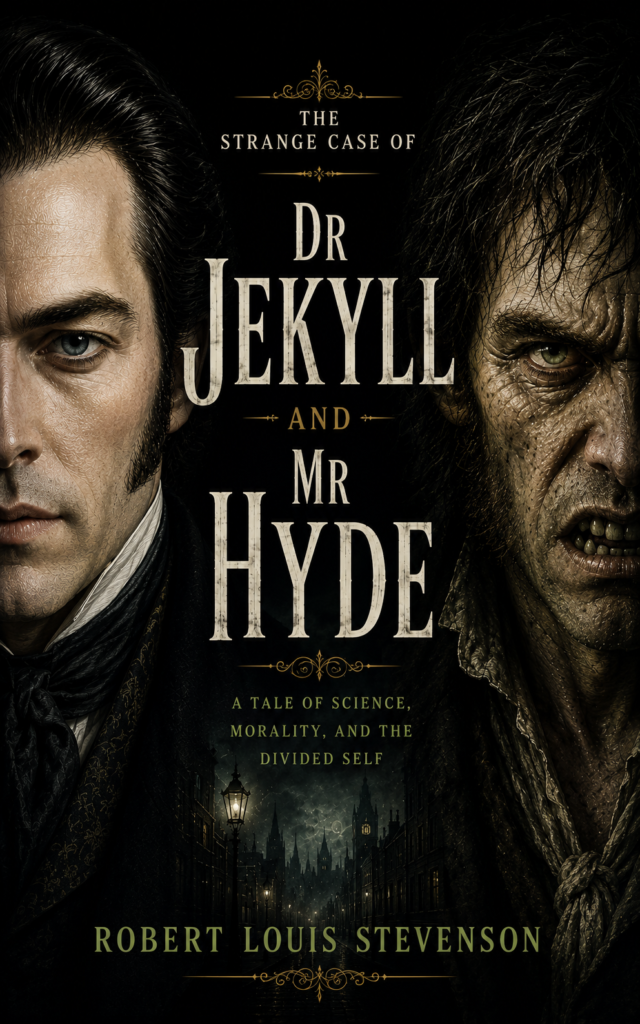
Readers can move from Austen to Holmes, from Shakespeare to Wells, from Dracula to Stevenson, while still encountering stories that illuminate familiar aspects of the human experience.
Together, they form a literary tradition that continues to entertain, challenge, and inspire readers throughout the world.
Conclusion
From Austen’s drawing rooms and Shakespeare’s stages to Holmes’s investigations and Marple’s village mysteries, British literature has produced some of the most enduring stories ever written.
These works continue to captivate readers because they combine memorable characters, compelling plots, and timeless insights into human nature.
Whether you seek romance, mystery, adventure, science fiction, Gothic suspense, or thoughtful reflections on life itself, British literature offers a remarkable collection of stories waiting to be discovered.
The books on this page have entertained, challenged, inspired, and delighted generations of readers.
Their journeys continue.
And perhaps your next great reading adventure begins here.