








How Charles Dickens Became the Most Famous Writer in the World
Today, the idea of a famous author is easy to understand.
Readers line up for new releases. Bestselling novels become films. Writers appear on television, speak at festivals, and build large audiences online.
But in the nineteenth century, long before television, radio, film, or the internet, one writer achieved a level of fame that was almost unprecedented.
His books were discussed across continents. But the telegraph was only about to be invented.
His characters became household names. They didn’t even have a radio.
Readers eagerly awaited the next installment of his stories.
Crowds gathered to hear him speak.
When he died in 1870, newspapers around the world mourned his passing.
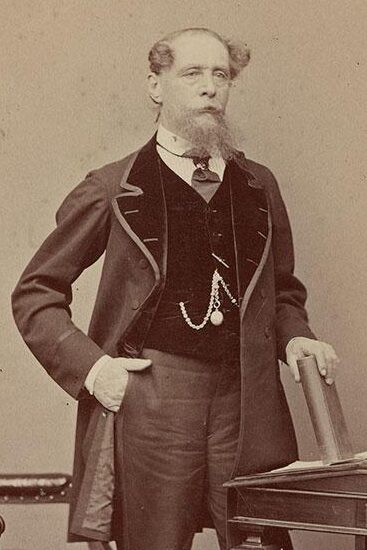
That writer was Charles Dickens.
More than any other novelist of the Victorian era, Dickens transformed literature into a form of mass entertainment. His stories captivated millions of readers, his characters became part of popular culture, and his influence helped shape the modern novel itself.
Yet Dickens was not born into wealth, privilege, or literary success.
His journey began in circumstances far removed from the fame and admiration he would later enjoy.
A Childhood Marked by Hardship
Charles John Huffam Dickens was born on February 7, 1812, in Portsmouth, England.
His early childhood was relatively comfortable, but his family’s financial situation steadily deteriorated. His father, John Dickens, struggled with debt and eventually found himself imprisoned in the Marshalsea Debtors’ Prison.
The consequences for the young Charles were profound.
At just twelve years old, he was removed from school and sent to work in a blacking factory, where he spent long days pasting labels onto bottles of shoe polish.
The experience humiliated him.
Years later, Dickens would describe the period as one of the most painful memories of his life.
He felt abandoned.
Forgotten.
Ashamed.
Yet the factory also gave him something that many writers never possess: firsthand experience of hardship.
He saw poverty not as an abstract social issue but as a daily reality.
He witnessed the struggles of ordinary people.
He observed the cruelty of institutions and the vulnerability of children.
These experiences would later become the foundation of many of his greatest novels.
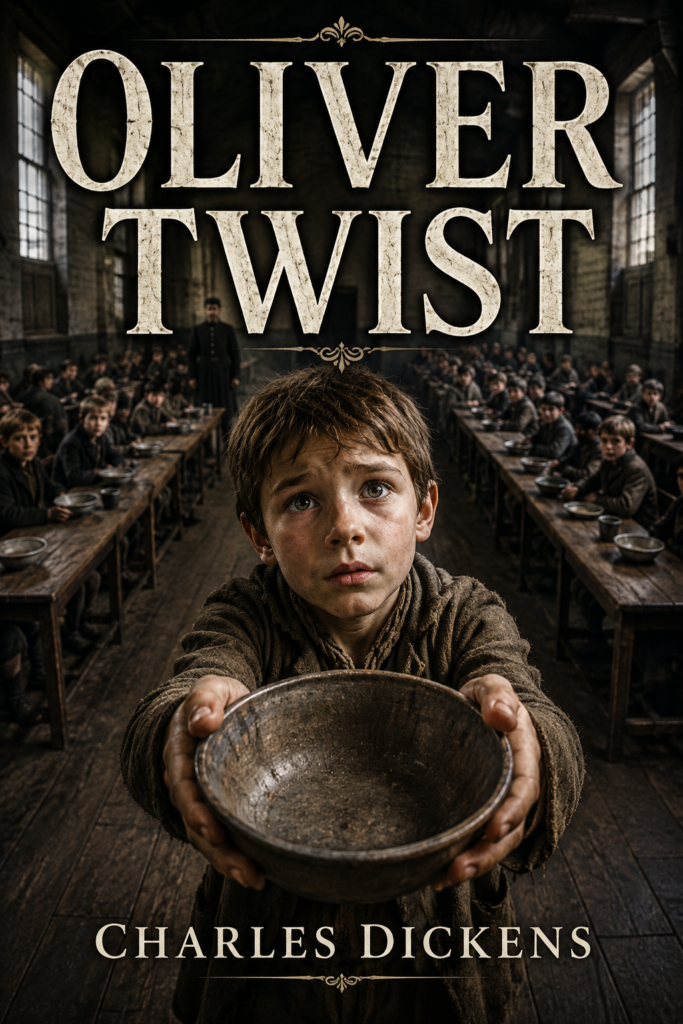
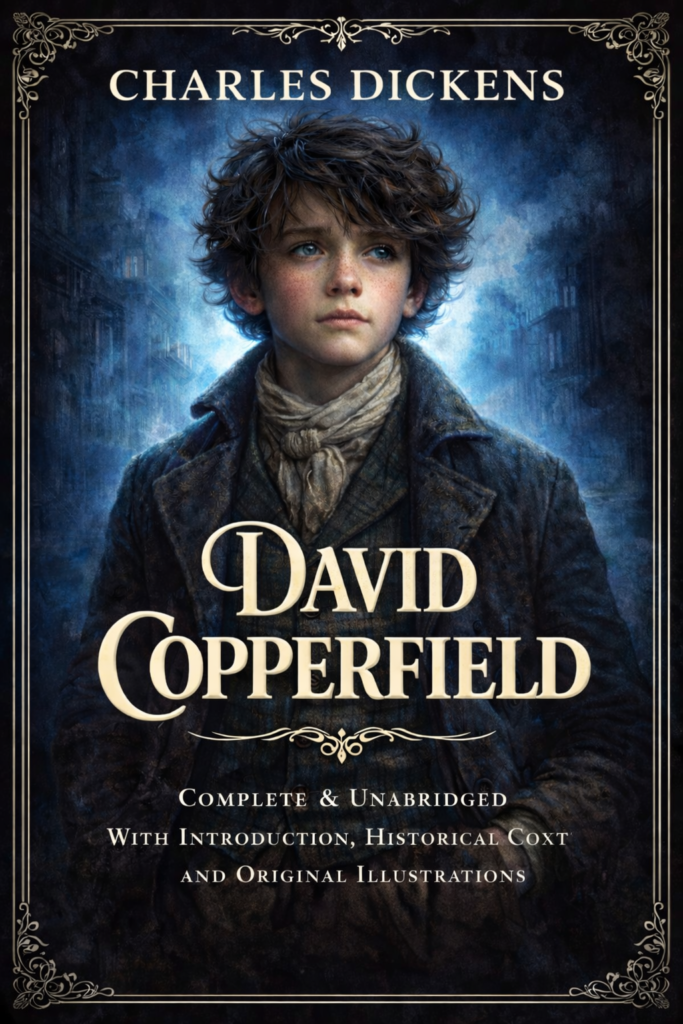
Readers may see traces of Dickens himself in characters such as Oliver Twist, David Copperfield, Pip, and countless others who struggle against difficult circumstances in search of a better life.
From Reporter to Writer
Before Dickens became a novelist, he became a journalist.
As a young man he worked as a parliamentary reporter, covering political debates and public affairs. The work demanded speed, accuracy, and careful observation.
These skills would later become some of his greatest strengths as a novelist.
Journalism taught Dickens how to capture details that brought scenes to life. It exposed him to every level of society, from politicians and businessmen to laborers and street vendors.
Most importantly, it taught him how to tell a story in a way that captured attention.
His first major breakthrough came with The Pickwick Papers.
Originally intended as a series of humorous illustrations accompanied by text, the project evolved into something much larger. Dickens’s lively writing quickly became the main attraction, and readers eagerly awaited each new installment.
The success was extraordinary.
Within a remarkably short period, Dickens had transformed from an ambitious young journalist into one of Britain’s most promising literary figures.
But his greatest achievements still lay ahead.
The Perfect Writer for a New Age
To understand Dickens’s rise, it helps to understand the world in which he lived.
The nineteenth century was an age of enormous change.
Britain’s population was growing rapidly.
Cities expanded.
Literacy rates increased.
New printing technologies reduced costs and made publications more affordable.
For the first time in history, large numbers of ordinary people had both the ability and the desire to read regularly.
A vast new audience had emerged.
Dickens arrived at precisely the right moment.
He wrote stories that appealed to educated readers while remaining accessible to ordinary families. His novels combined humor, drama, mystery, romance, adventure, and social commentary in ways that attracted readers from every social class.
Factory workers read Dickens.
Merchants read Dickens.
Politicians read Dickens.
Members of the aristocracy read Dickens.
Few writers before him had appealed so successfully to such a broad audience.
Related Novels
The Master of Serial Storytelling
One of the greatest reasons for Dickens’s success was the way his stories were published.
Many of his novels first appeared as serialized installments in magazines and periodicals.
Rather than purchasing an entire book at once, readers received a portion of the story every week or month.
This approach transformed reading into an event.
Families discussed the latest chapter.
Friends debated characters and theories.
Readers speculated about what might happen next.
In many ways, Dickens’s audience behaved much like modern viewers following a popular television series.
The novelist quickly learned how to use this format to his advantage.
Important mysteries remained unresolved.
Major revelations were delayed.
Characters faced difficult choices.
Installments often ended at moments of high emotional tension.
Today we call these moments cliffhangers.
Dickens mastered them.
Every unanswered question encouraged readers to purchase the next installment.
Every new installment deepened their emotional investment.
Long before streaming services discovered the value of keeping audiences hooked, Dickens had already perfected the technique.
The Characters Readers Never Forgot
Many successful novels have interesting plots.
Far fewer create characters that live in the public imagination for generations.
Dickens possessed an extraordinary talent for creating memorable people.
Ebenezer Scrooge.
Miss Havisham.
Fagin.
Pip.
Sydney Carton.
Even readers who have never opened a Dickens novel often recognize these names.
His characters felt vivid, distinctive, and human.
Some were heroic.
Some were comic.
Some were tragic.
Many combined strengths and weaknesses in ways that felt deeply authentic.
Readers formed emotional connections with them.
That connection became one of the greatest drivers of Dickens’s popularity.
People did not simply want to know what happened next.
They wanted to spend more time with characters they cared about.
British Authors
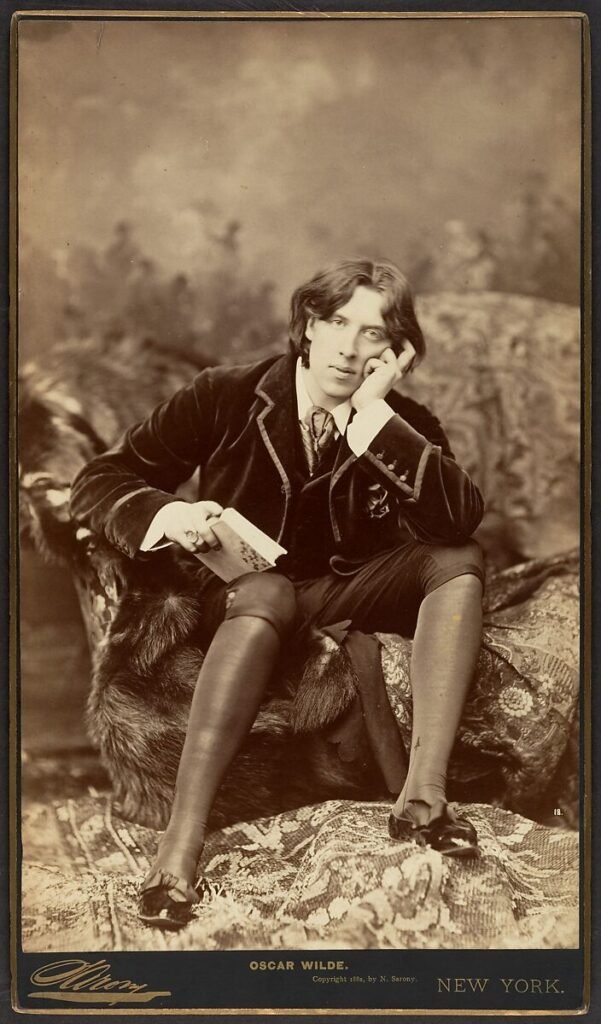
Oscar Wilde
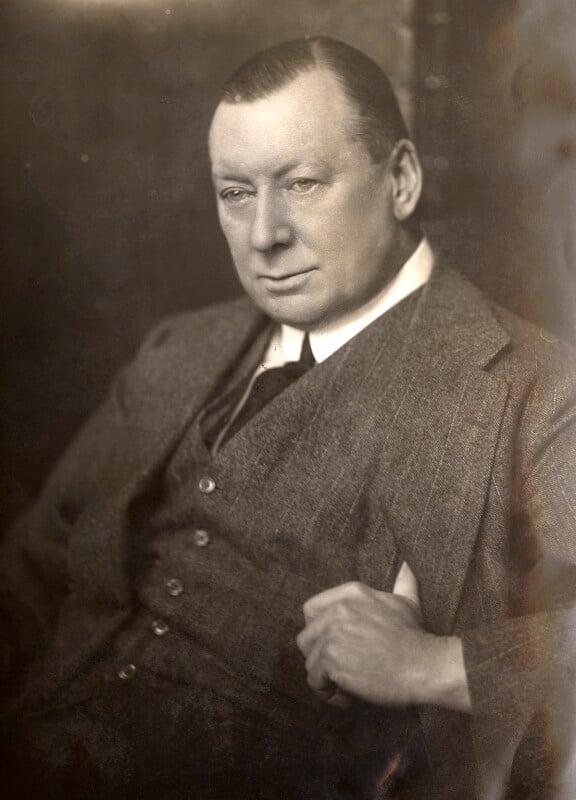
Edward Verrall Lucas
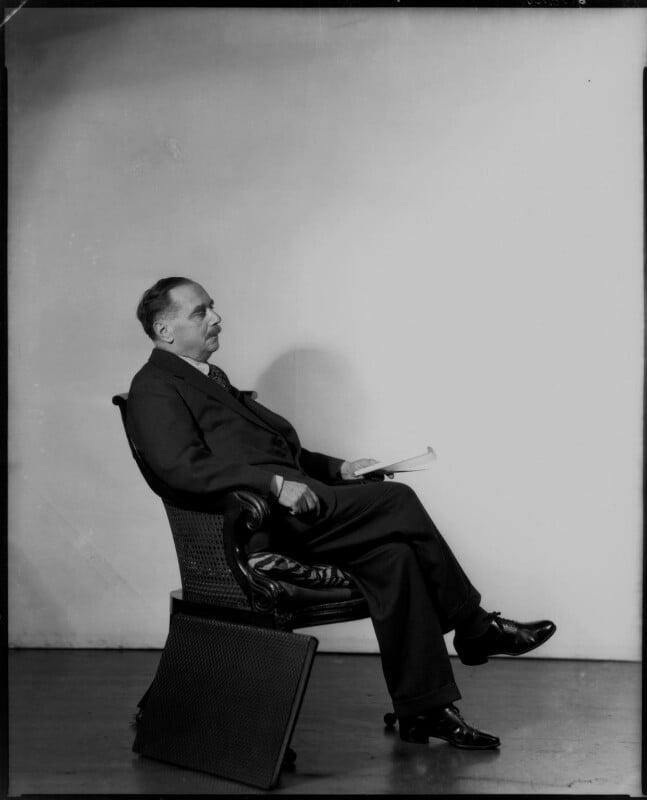
H. G. Wells
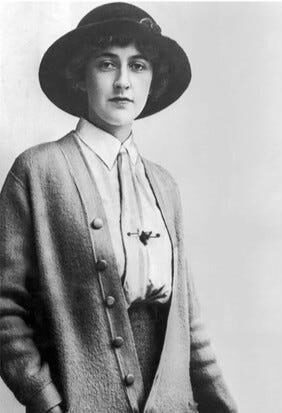
Agatha Christie
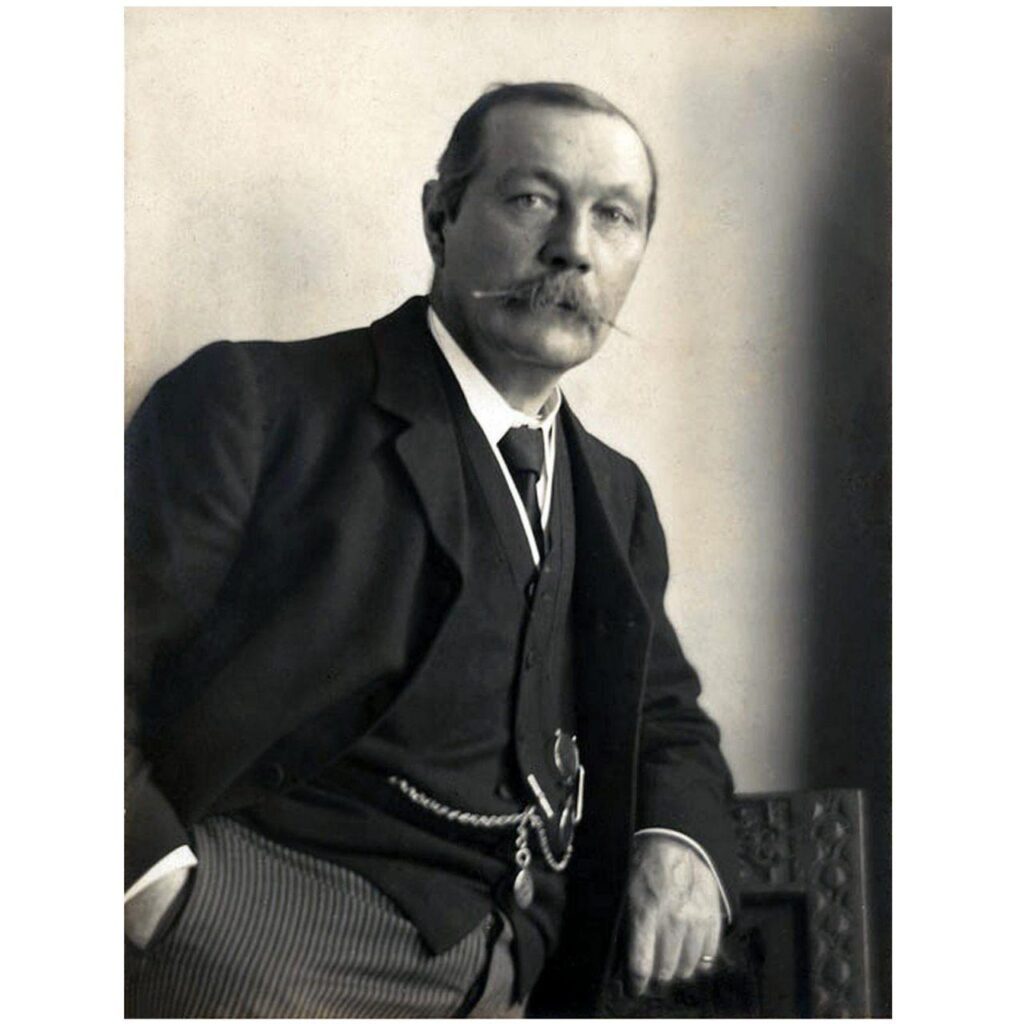
Arthur Conan Doyle
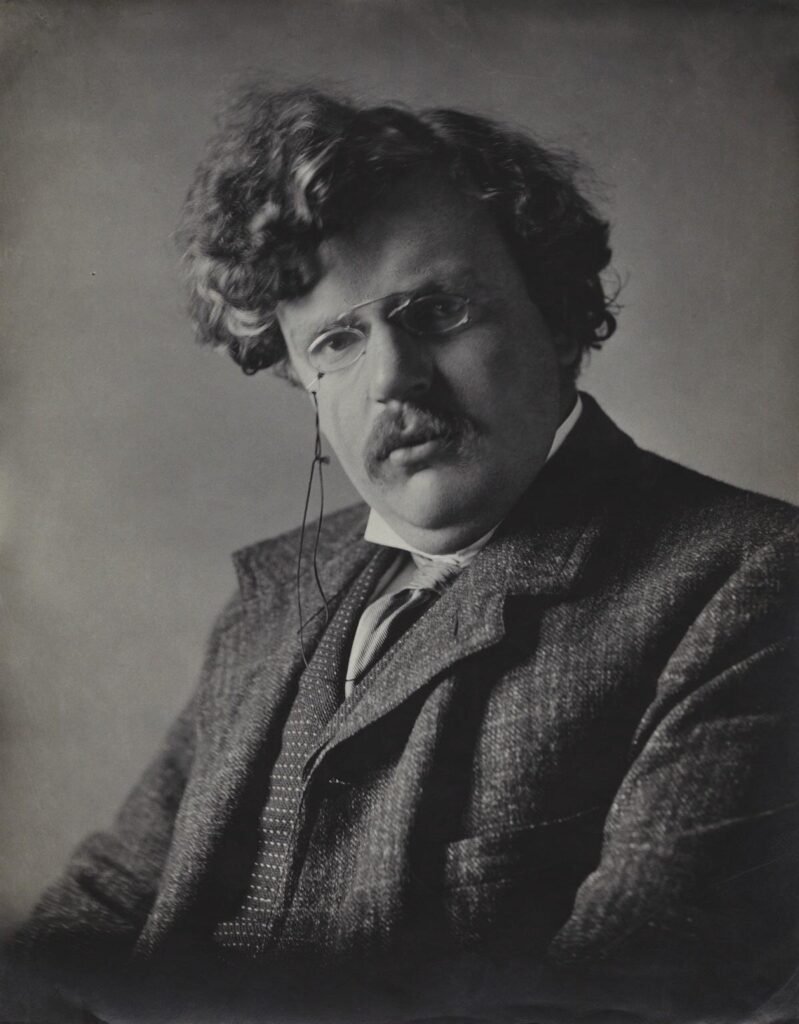
G. K. Chesterton
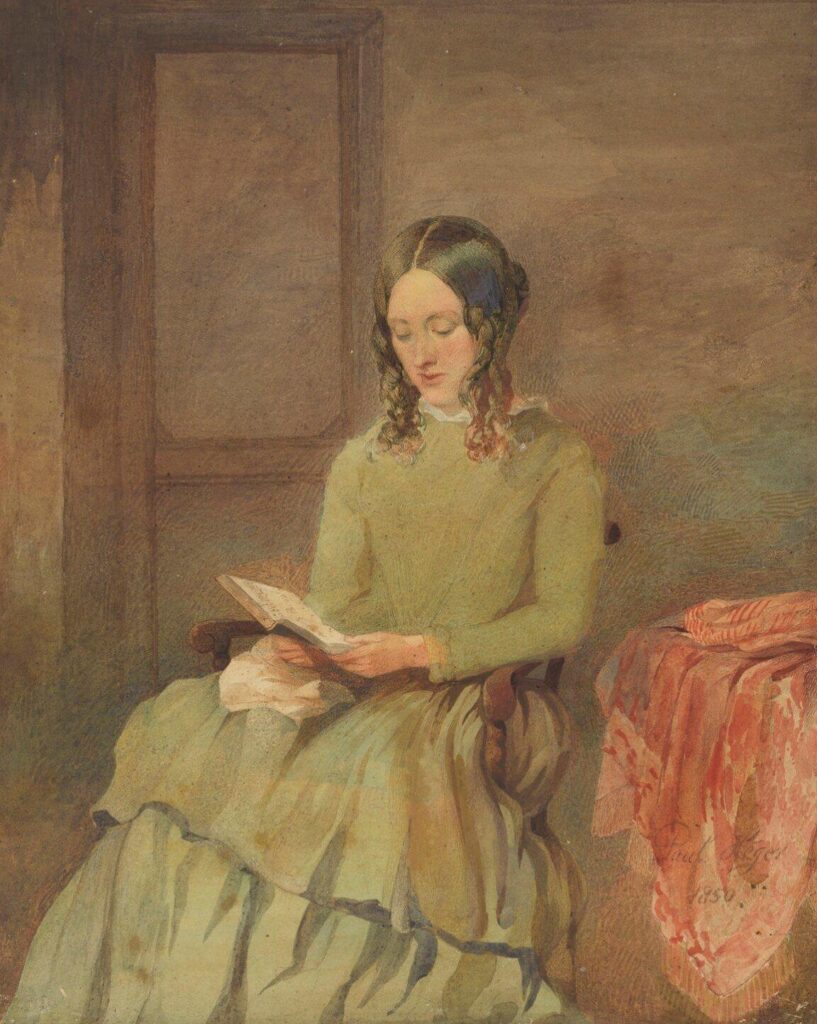
Charlotte Brontë
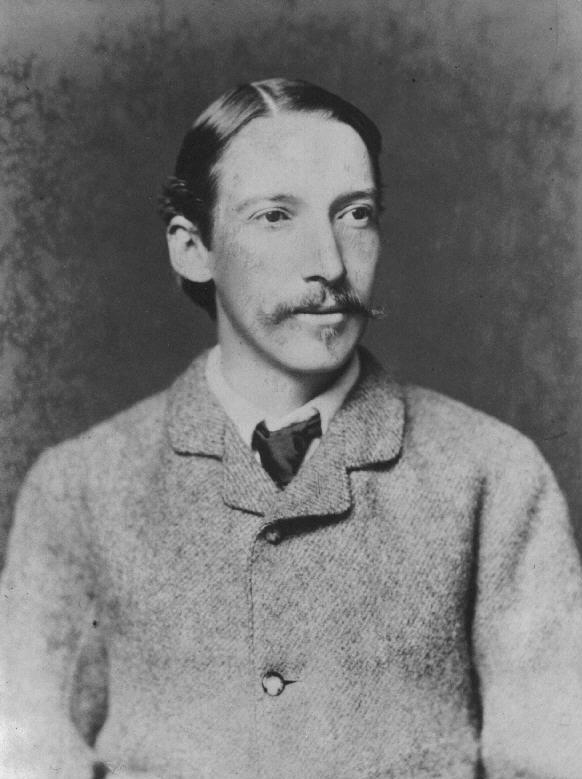
Robert Louis Stevenson
Lewis Carroll
Mary Shelley
Dickens Becomes a Global Celebrity
Today, authors can build audiences through television appearances, podcasts, social media, and online marketing.
Charles Dickens had none of these advantages.
Yet he achieved something remarkable.
He became one of the first truly global literary celebrities.
His novels were read throughout Britain, Europe, North America, and beyond. Readers eagerly anticipated new installments. Newspapers reported on his activities. His opinions attracted public attention. His name became synonymous with literature itself.
What made this achievement so extraordinary was the era in which it occurred.
There was no radio.
No film.
No television.
No internet.
Information traveled far more slowly than it does today.
Yet Dickens’s fame crossed oceans.
Millions of people who would never meet him felt as though they knew him through his stories.
Few writers before him had achieved such widespread recognition.
Even fewer had inspired such loyalty among readers.
The Readers Who Could Not Wait
One of the most fascinating aspects of Dickens’s popularity was the anticipation surrounding new installments of his work.
Modern audiences often experience this anticipation while waiting for a new season of a television series or the latest installment of a film franchise.
Victorian readers experienced the same feeling through Dickens.
Every new chapter generated discussion.
Every new development sparked speculation.
Readers debated characters and predicted outcomes.
Some eagerly discussed possibilities for weeks before the next installment appeared.
The excitement became part of the entertainment.
For many readers, Dickens’s stories were not merely books.
They were events.
The experience was communal.
People shared theories.
Discussed favorite characters.
Argued over decisions.
Celebrated triumphs.
Mourned tragedies.
In many ways, Dickens helped create the kind of audience engagement that modern entertainment companies spend billions attempting to cultivate.
The Public Readings That Captivated Audiences
Dickens’s fame extended beyond the printed page.
He was also a gifted performer.
Beginning in the 1850s, he conducted public reading tours that attracted enormous audiences.
These were not dry literary lectures.
They were performances.
Dickens acted out scenes.
Changed voices for different characters.
Used dramatic pauses.
Delivered emotional moments with remarkable intensity.
Audience members laughed.
Cried.
Gasped.
Many left feeling as though they had witnessed something extraordinary.
The events became so popular that tickets often sold rapidly.
Crowds gathered to hear him.
Some attendees returned multiple times.
The readings strengthened the connection between Dickens and his audience.
He was no longer merely an author.
He had become a public figure.
A performer.
A celebrity.
Long before modern book tours became common, Dickens was demonstrating how powerful a direct connection between author and audience could be.
A Christmas Carol and the Creation of a Cultural Phenomenon
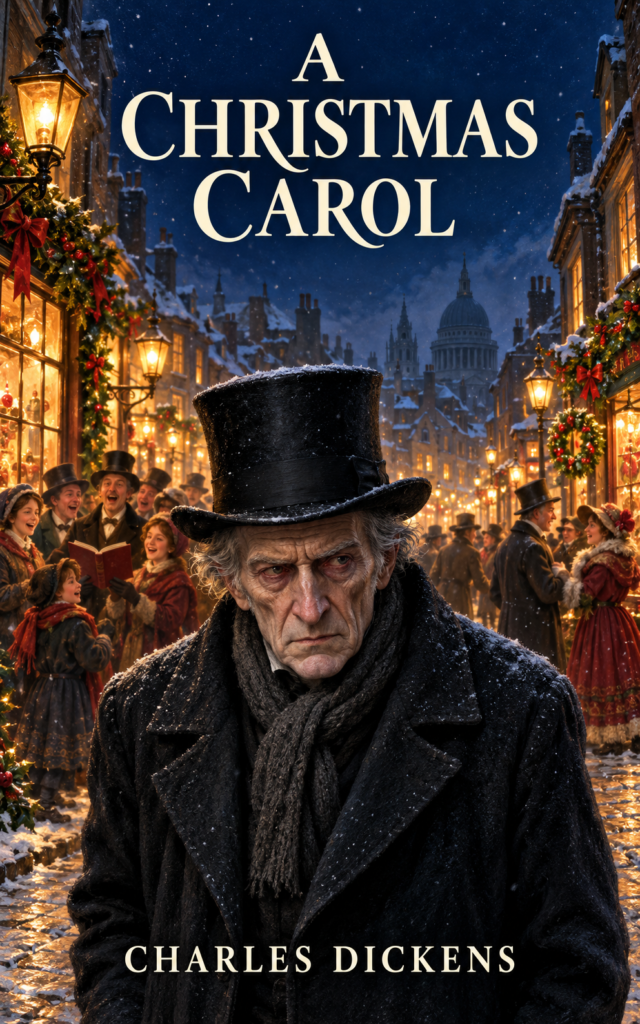
Among Dickens’s many achievements, none may be more enduring than A Christmas Carol.
Published in 1843, the novella tells the story of Ebenezer Scrooge, a miser whose life is transformed by a series of supernatural visits on Christmas Eve.
The story was an immediate success.
Readers embraced its message of generosity, compassion, and redemption.
More importantly, it helped shape the way many people think about Christmas itself.
The holiday had existed long before Dickens.
Yet A Christmas Carol reinforced ideas that remain closely associated with Christmas today:
Family.
Charity.
Goodwill.
Community.
Generosity.
The book’s influence extended far beyond literature.
It became part of cultural life.
Generations who had never read Dickens’s other works still knew Scrooge.
Even today, phrases and images from the story remain instantly recognizable.
Few authors have created a work that becomes woven into the traditions of an entire culture.
Dickens achieved exactly that.
Why Readers Connected with Dickens
Part of Dickens’s success came from his ability to appeal to readers from dramatically different backgrounds.
His novels entertained.
But they also explored issues people recognized from everyday life.
Poverty.
Ambition.
Family.
Injustice.
Love.
Failure.
Hope.
Many readers saw elements of themselves in his characters.
Those struggling financially recognized the realities of hardship.
Those seeking success understood the desire for advancement.
Those facing disappointment understood regret.
His stories felt both specific and universal.
Victorian readers encountered vivid characters and compelling plots, but they also encountered reflections of their own experiences.
This combination helped explain Dickens’s extraordinary popularity.
He could make readers laugh, cry, and think—sometimes within the same chapter.
The Death of a Literary Giant
On June 9, 1870, Charles Dickens died at the age of fifty-eight.
The reaction was immense.
Newspapers around the world reported the news.
Readers mourned the loss.
Tributes appeared across Britain and beyond.
Although Dickens had expressed a desire for a simple burial, public admiration led to his interment in Poets’ Corner at Westminster Abbey, where many of Britain’s most celebrated writers and cultural figures are honored.
The decision reflected how much Dickens had come to mean to the nation.
He was no longer merely a successful novelist.
He had become a cultural institution.
A figure whose influence extended far beyond literature.
The outpouring of grief demonstrated something important.
Readers felt a personal connection to him.
Through his novels, he had become a familiar presence in millions of lives.
Why Dickens Still Matters Today
More than 150 years after his death, Dickens remains one of the most widely read authors in the world.
His books continue to be published.
Adapted.
Studied.
Discussed.
And enjoyed.
The reason is simple.
The issues he explored have not disappeared.
People still struggle with ambition.
They still seek belonging.
They still confront inequality.
They still wrestle with questions of justice and morality.
The settings may be Victorian, but the emotions remain timeless.
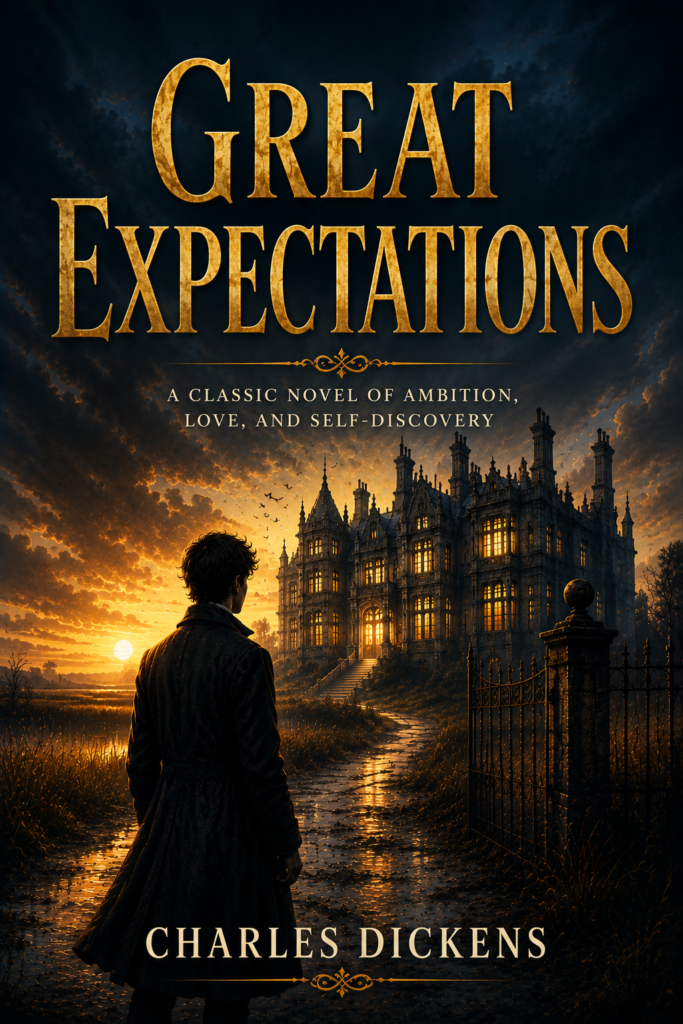
Readers continue to identify with Pip’s hopes in Great Expectations.
With David Copperfield’s resilience.
With Scrooge’s transformation.
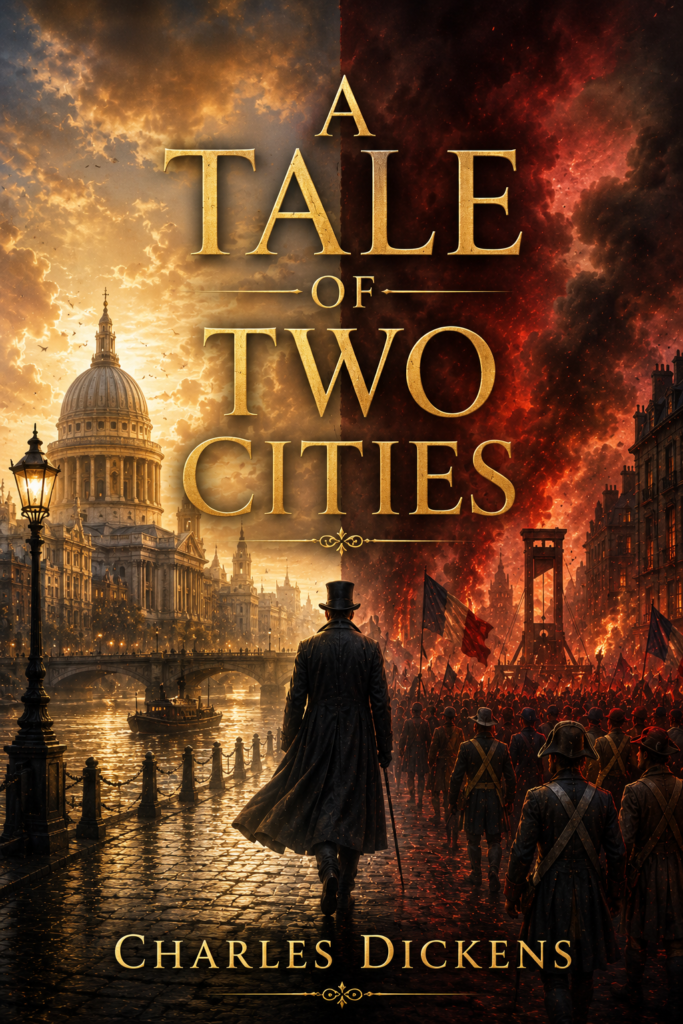
With Sydney Carton’s sacrifice.
The details of life have changed.
Human nature has not.
That is why Dickens continues to resonate with new generations of readers.
The Most Famous Writer in the World
Was Charles Dickens truly the most famous writer in the world?
The answer depends on how fame is measured.
Yet there is little doubt that during the height of his career, he was among the most recognized authors on the planet.
His books reached millions.
His characters became part of popular culture.
His public appearances attracted enormous crowds.
His stories crossed social classes, national borders, and generations.
Most remarkably, he achieved this in an age before modern mass media.
There were no broadcasts carrying his voice into homes.
No films adapting his work for global audiences.
No social media platforms amplifying his popularity.
There were only stories.
And those stories proved powerful enough to make Charles Dickens one of the first truly global literary celebrities.
More than a century and a half later, readers continue to discover what Victorian audiences already knew.
Dickens possessed a rare gift.
He could transform ordinary lives into extraordinary stories.
He could make readers care deeply about people who never existed.
And he could reveal timeless truths about human nature through characters and situations that remain unforgettable.
That is how Charles Dickens became the most famous writer in the world.
And it is why his stories continue to endure long after the age that created them has passed.
Articles
Classic Literature Quiz (Part 1): How Well Do You Know the Classics?

Why I Hate Shakespeare
When Novels Were Released Like a TV Series
Whodunit Better

Jane Austen vs the Brontë Sisters
Have the Jane Austen Movies Replaced the Books?
100 Editions, Countless Discoveries
Why did Mark Twain not like James Fenimore Cooper?
Why Jane Austen Remains So Popular

What Classic Horror Was Really Trying to Tell Us