Edward Verrall Lucas:
Discovering the Extraordinary
in Everyday Life
Why do some people seem to find wonder wherever they go?
What allows them to discover fascination in places others overlook, delight in everyday experiences, and enthusiasm in subjects that many would pass by without a second thought?
For Edward Verrall Lucas, the answer was simple.
Curiosity.
Throughout his life and career, Lucas approached the world with an open mind, a keen eye, and a genuine appreciation for the people, places, books, and experiences that surrounded him. Through his essays, travel writing, literary reflections, and observations, he encouraged readers to look more closely at life and discover that the extraordinary is often hidden within the ordinary.
More than a century after his most celebrated works were written, his message remains remarkably relevant.
From Bookseller’s Son to Literary Figure
Edward Verrall Lucas was born in Kent, England, in 1868.
His early life provided him with something that would shape the rest of his career: a love of books.
At a time when books offered one of the greatest gateways to knowledge, imagination, and discovery, Lucas immersed himself in literature and developed a lifelong fascination with reading and learning.
That curiosity would eventually lead him into the literary world as a writer, editor, publisher, biographer, and essayist.
Over the course of a long and productive career, he became one of Britain’s most respected literary figures, producing an astonishing number of books while building a reputation for intelligence, humour, warmth, and insight.
Yet despite his success, Lucas never lost the sense of wonder that had first drawn him to books.
The Writer Who Celebrated Curiosity
Many writers are remembered for focusing on extraordinary events.
Lucas was different.
He was fascinated by ordinary experiences.
A journey.
A conversation.
A place.
A book.
A passing observation.
To Lucas, almost anything could become interesting when viewed with sufficient curiosity.
His writing demonstrates a simple but powerful belief: life becomes richer when we remain interested in the world around us.
Rather than searching for dramatic subjects, he found endless material in the everyday experiences that many people overlook.
This ability to transform ordinary observations into engaging reflections became one of the defining characteristics of his work.
Readers often felt that Lucas was not merely telling them about the world.
He was teaching them how to see it.
Discovering the Extraordinary in Everyday Life
The title of this article captures what may be Lucas’s greatest gift.
He had an unusual ability to reveal significance in seemingly ordinary things.
Where others saw routine, Lucas saw opportunity for discovery.
Where others saw familiar surroundings, Lucas found details worth noticing.
Where others hurried past, Lucas paused to observe.
This perspective gives his writing much of its enduring charm.
Readers are invited to slow down and pay attention.
To notice details.
To appreciate experiences.
To rediscover the pleasures of curiosity.
Lucas reminds us that many of life’s richest experiences are not hidden in distant places or dramatic adventures.
They are often waiting quietly in the world around us.
Adventures, Travel, and the Joy of Discovery
Although Lucas travelled widely, what makes his travel writing distinctive is his approach.
He was not interested in conquering landscapes or seeking danger.
He travelled in search of discovery.
The places he visited mattered less than the experiences they offered.
The people he encountered.
The stories he uncovered.
The perspectives he gained.
For Lucas, travel was not simply about movement from one location to another.
It was about remaining open to surprise.
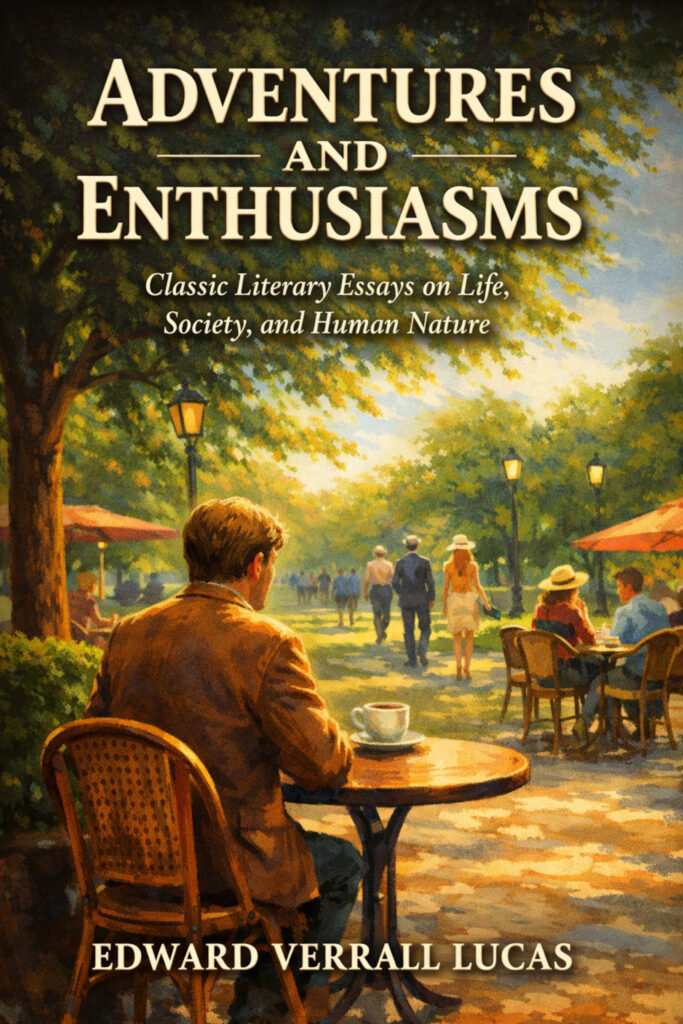
This spirit is evident throughout works such as Adventures and Enthusiasms, where curiosity becomes a form of adventure in its own right.
Readers quickly discover that Lucas’s greatest journeys often take place not across continents, but through ideas, observations, and experiences.
Related Collections
A Champion of Books and Reading
Lucas’s love of books extended far beyond his own writing.
He spent much of his life helping readers discover and appreciate great literature.
As an editor, essayist, and literary commentator, he played an important role in preserving and promoting the works of earlier writers.
He understood that books create connections across generations.
A reader can open a volume written decades or centuries earlier and enter into conversation with another mind.
Lucas valued this connection deeply.
His writing frequently reflects the joy of reading, learning, and sharing ideas.
For readers who love books, there is something especially appealing about an author who never lost his enthusiasm for literature itself.
A Literary Life in a Remarkable Age
Edward Verrall Lucas lived during one of the most vibrant periods in British literary history.
The late Victorian and Edwardian eras were rich with writers, editors, publishers, artists, and thinkers whose works would shape generations of readers. Books occupied a central place in cultural life, and literary discussions flourished in publishing houses, clubs, newspapers, and magazines throughout Britain.
Lucas was not merely an observer of this world.
He was an active participant in it.
Throughout his career, he worked closely with publishers, writers, editors, and literary figures while contributing extensively to the literary culture of his time. His essays, books, and editorial work helped introduce readers to both contemporary and classic authors, while his reputation as a thoughtful and engaging man of letters continued to grow.
This literary environment undoubtedly influenced Lucas, but it also benefited from his contributions. His enthusiasm for books, ideas, and culture helped enrich the intellectual life of the period and established him as one of the most respected literary voices of his generation.
The Astonishingly Productive Author
One fact about Lucas often surprises modern readers.
He was extraordinarily prolific.
Over the course of his career, he produced well over one hundred books.
Travel writing.
Essays.
Biographies.
Children’s books.
Anthologies.
Literary criticism.
Humorous reflections.
Editorial projects.
The sheer variety of his output reflects the breadth of his interests.
Lucas seemed genuinely curious about almost everything.
Rather than confining himself to a single subject, he followed his interests wherever they led. One book might explore travel and discovery. Another might celebrate literature. A third might focus on biography, history, or everyday observations.
This remarkable productivity was not driven by ambition alone.
It was driven by enthusiasm.
Lucas wrote because he found the world endlessly interesting, and readers sensed that enthusiasm on every page.
Why His Essays Feel Like Conversations
Many essayists write as though they are delivering a lecture.
Lucas wrote as though he were sharing a conversation.
This quality helps explain why his work remains so approachable today.
Readers rarely feel as though they are being instructed or corrected. Instead, they feel invited into a discussion with an intelligent, thoughtful, and observant companion.
His writing is often humorous.
Frequently insightful.
Always accessible.
He possessed a rare ability to combine knowledge with warmth, allowing readers to learn something new without feeling that they were being taught.
Even when discussing literature, history, or travel, Lucas maintained a conversational tone that encouraged curiosity rather than demanding expertise.
This quality gives his work an enduring charm.
Readers often feel less as though they are reading an essay and more as though they are spending time with a trusted friend.
A Writer Who Believed Life Should Be Enjoyed
At the heart of Lucas’s work lies a simple but powerful idea.
Life should be enjoyed.
Not recklessly.
Not superficially.
But thoughtfully and attentively.
Lucas understood that happiness is often found in unexpected places.
A favourite book.
A memorable journey.
A fascinating conversation.
A beautiful view.
An interesting discovery.
A lifelong enthusiasm.
His writing repeatedly encourages readers to appreciate these moments rather than overlook them.
In an age that often celebrates speed, achievement, and constant productivity, this message feels refreshingly timeless.
Lucas reminds us that a rich and meaningful life is built not only from major accomplishments, but also from the countless small experiences that bring pleasure, wonder, and satisfaction.
Why Readers Continue to Discover Lucas
Although some of his contemporaries remain better known today, readers who discover Lucas often become devoted admirers.
His work appeals to people who enjoy:
- Travel and exploration.
- Literary essays.
- History and culture.
- Observational writing.
- The simple pleasure of learning something new.
Perhaps most importantly, his books appeal to curious people.
People who enjoy exploring ideas.
People who appreciate thoughtful observations.
People who remain interested in the world around them.
Lucas rewards that curiosity.
More than a century after many of his books first appeared, new readers continue to discover the warmth, intelligence, humour, and enthusiasm that made him such a beloved literary figure.
Related Authors
Bram Stoker
Mary Shelley
William Shakespeare
Charlotte Brontë
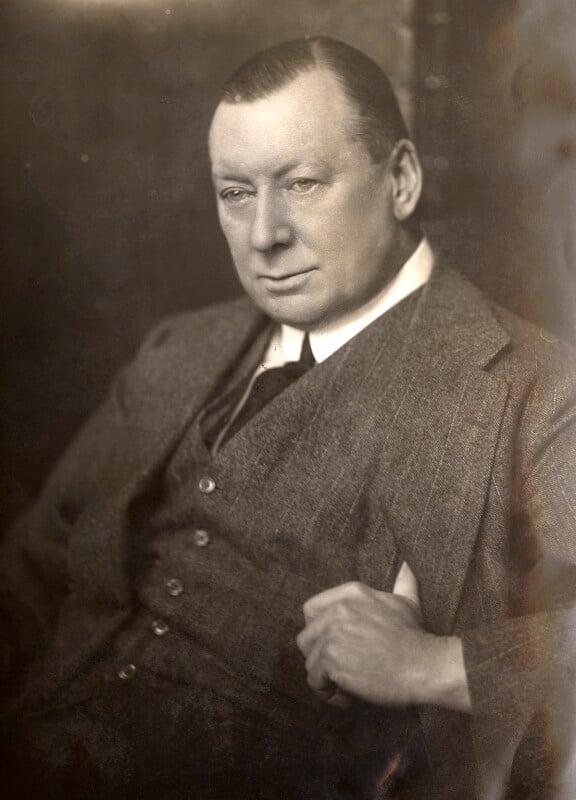
Edward Verrall Lucas
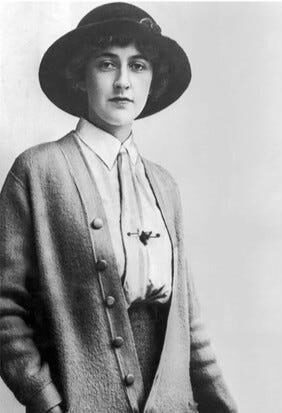
Agatha Christie
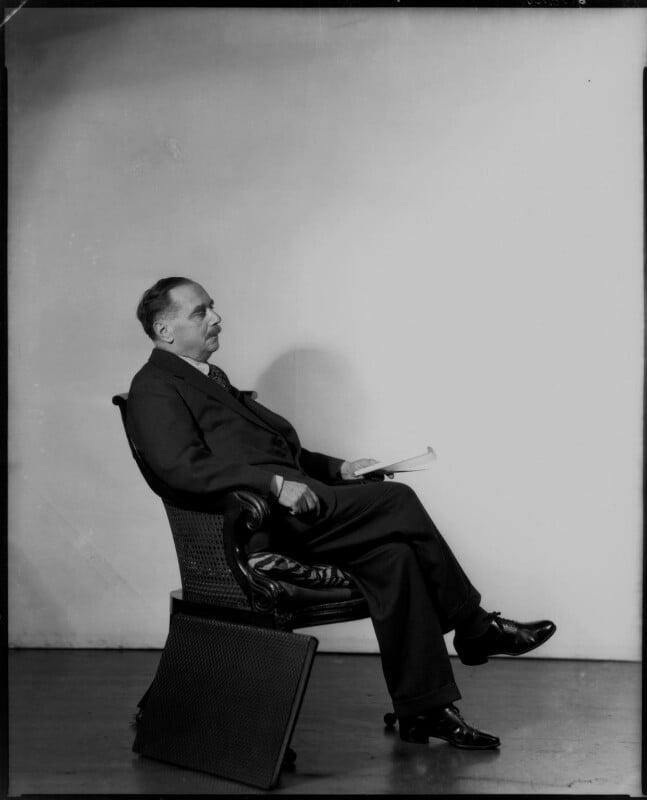
H. G. Wells
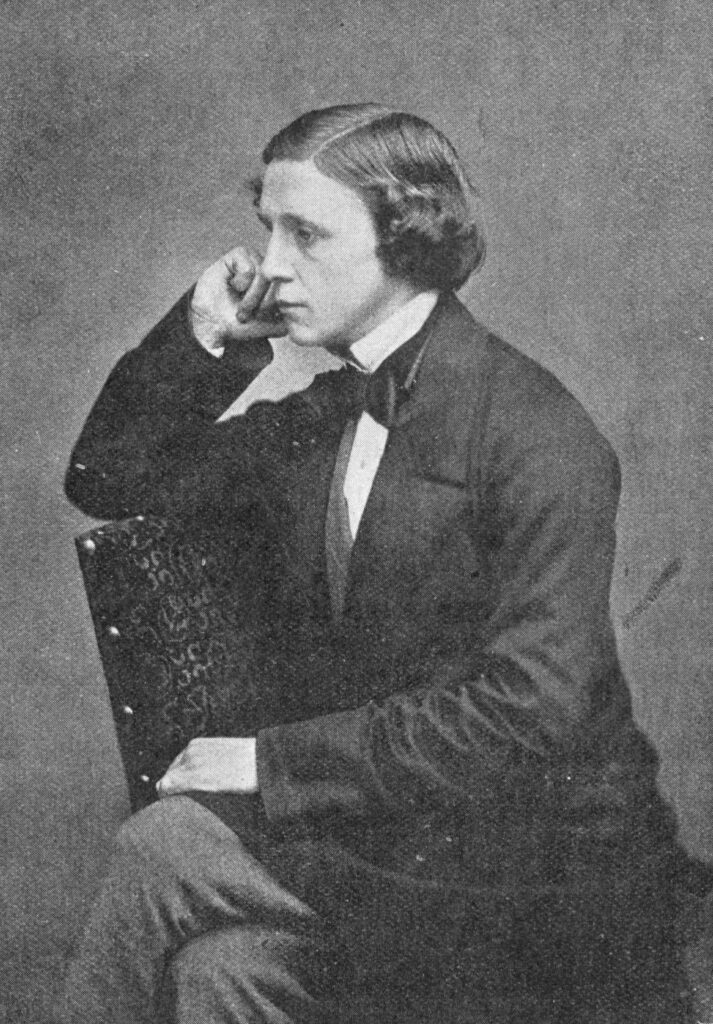
Lewis Carroll
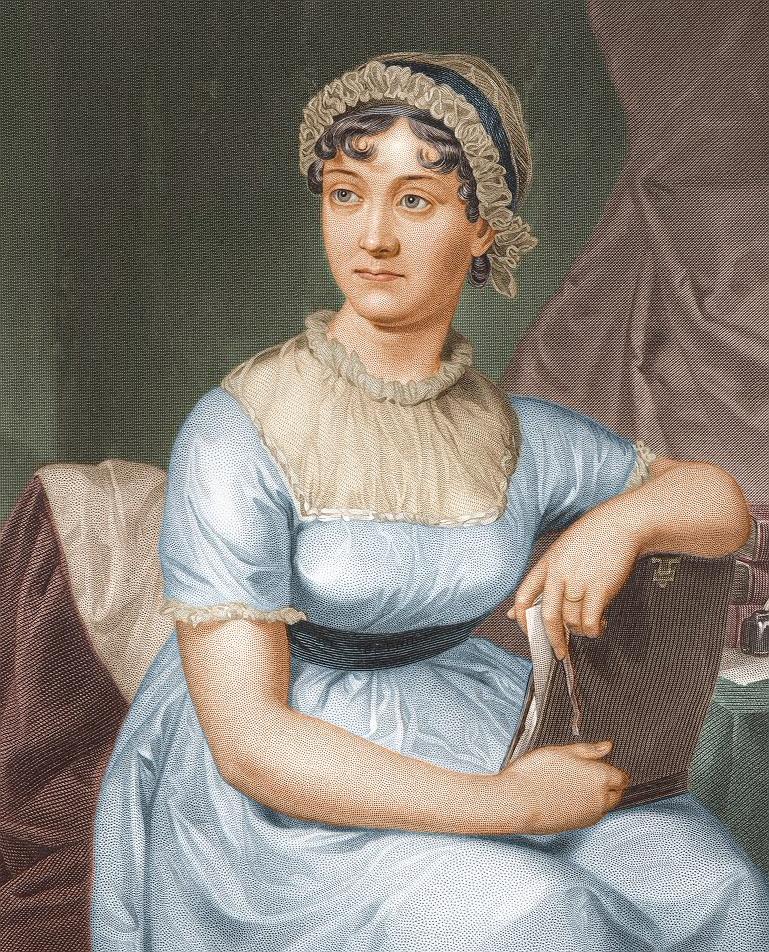
Jane Austen
Arthur Conan Doyle
Friendship with the Past
One of the most charming aspects of Lucas’s work is his affection for history, literary traditions, and the people who came before him.
He enjoyed exploring old places, old books, and old stories.
Not because he wished to live in the past, but because he believed the past still had something valuable to teach us.
This quality gives his writing a timeless feel.
Lucas acts almost as a guide, helping readers discover forgotten corners of literary and cultural history while revealing why they continue to matter.
In many ways, he served as a bridge between generations of readers.
Why Lucas Feels Surprisingly Modern
At first glance, it might seem unusual to describe a writer born in the nineteenth century as modern.
Yet many readers are surprised by how relevant Lucas feels today.
Modern life often encourages speed.
Constant activity.
Constant distraction.
Constant consumption of information.
Lucas offers an alternative.
He encourages attention.
Observation.
Reflection.
Curiosity.
The qualities he valued are arguably more important than ever.
His writing reminds readers that a meaningful life is not measured solely by productivity or achievement.
It is also enriched by noticing, learning, appreciating, and remaining curious about the world around us.
The Art of Enthusiasm
Perhaps more than anything else, Lucas celebrated enthusiasm itself.
He believed there was value in being interested.
In developing passions.
In exploring subjects simply because they fascinated us.
This outlook gives his writing a distinctive optimism.
Readers come away with the sense that life contains far more opportunities for enjoyment and discovery than we often realise.
Curiosity becomes a habit.
Learning becomes an adventure.
Even familiar experiences can become sources of delight.
Lucas understood something that many people forget.
The quality of our lives is often shaped by the quality of our attention.
Why Readers Still Enjoy Lucas Today
Readers continue to return to Lucas because spending time with his writing feels like spending time with an intelligent and engaging companion.
He is thoughtful without being pretentious.
Knowledgeable without being intimidating.
Insightful without being cynical.
His enthusiasm is genuine and contagious.
Whether discussing books, travel, history, or everyday experiences, he approaches his subjects with warmth and curiosity.
Readers often find themselves sharing that curiosity before long.
Conclusion
Edward Verrall Lucas spent his life celebrating curiosity.
Through his essays, travels, observations, and reflections, he encouraged readers to look more closely at the world around them and discover the pleasures hidden within everyday life.
His work reminds us that extraordinary experiences are not always found in dramatic adventures or distant destinations.
Sometimes they are found in a conversation, a book, a journey, a place, or a simple moment of attention.
More than a century after his work first appeared, Lucas continues to offer a valuable lesson.
Life becomes richer when approached with curiosity, enthusiasm, and wonder.
And those willing to pay attention will often discover that the extraordinary has been there all along.
Articles

Why I Hate Shakespeare

Have the Jane Austen Movies Replaced the Books?
Whodunit Better
Why did Mark Twain not like James Fenimore Cooper?

Classic Literature Quiz (Part 1): How Well Do You Know the Classics?

What Classic Horror Was Really Trying to Tell Us

Jane Austen vs the Brontë Sisters
When Novels Were Released Like a TV Series